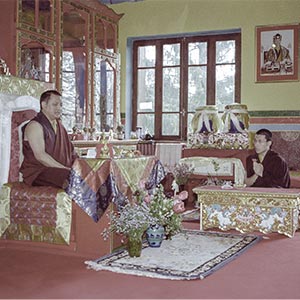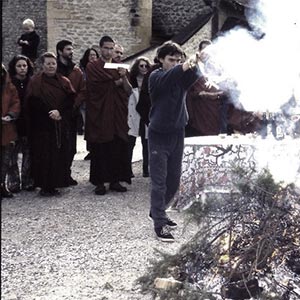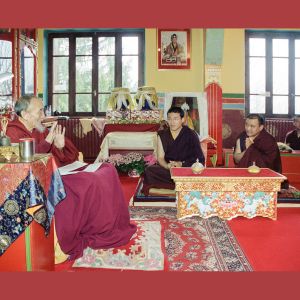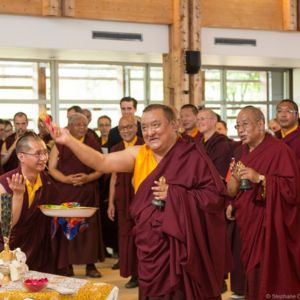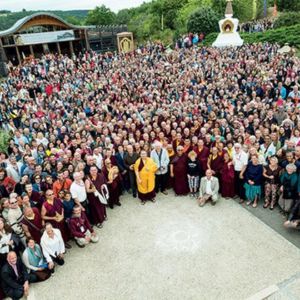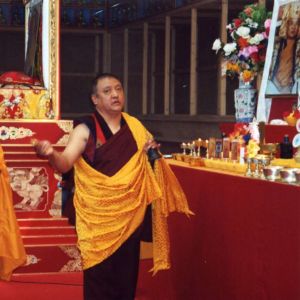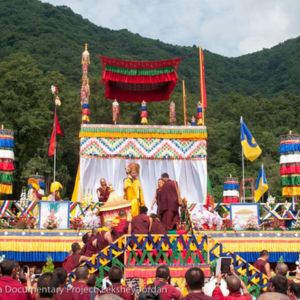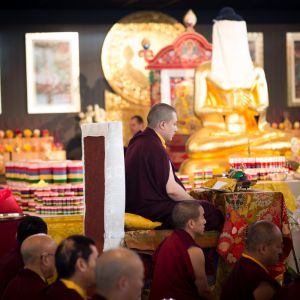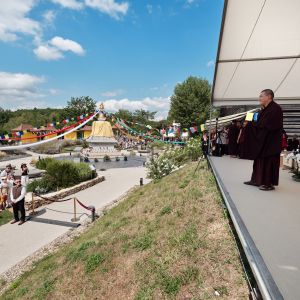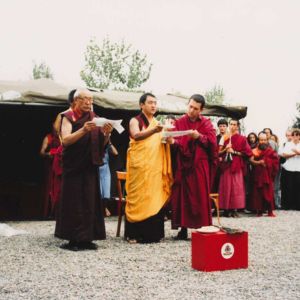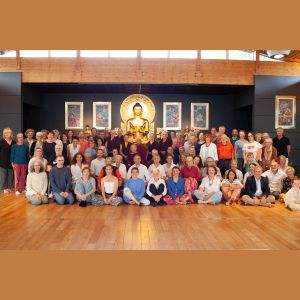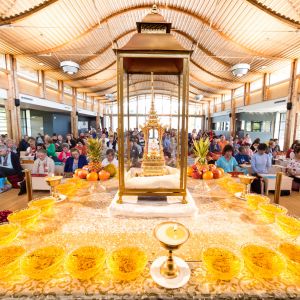
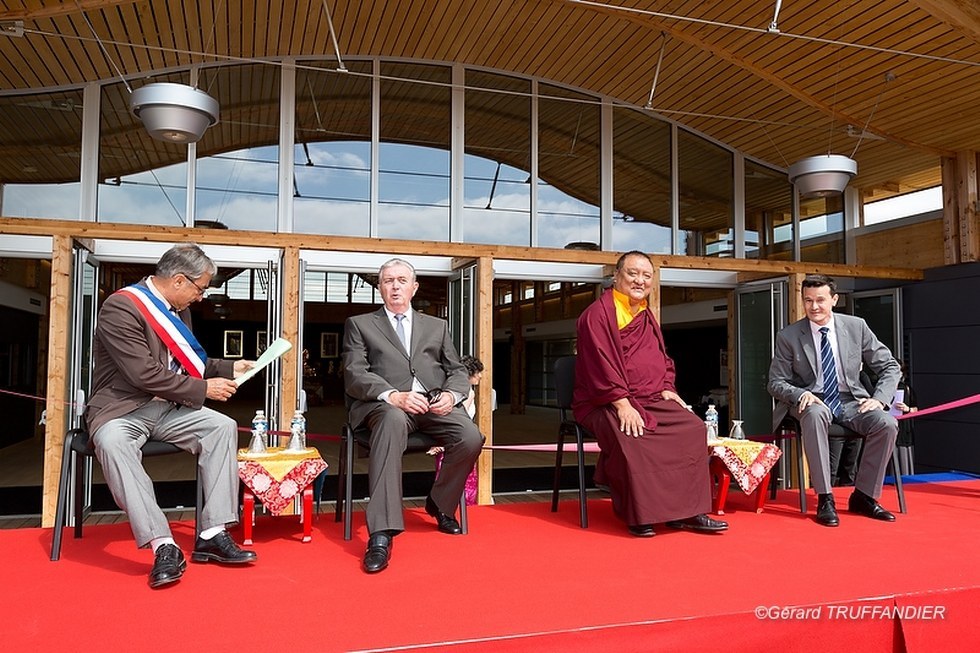
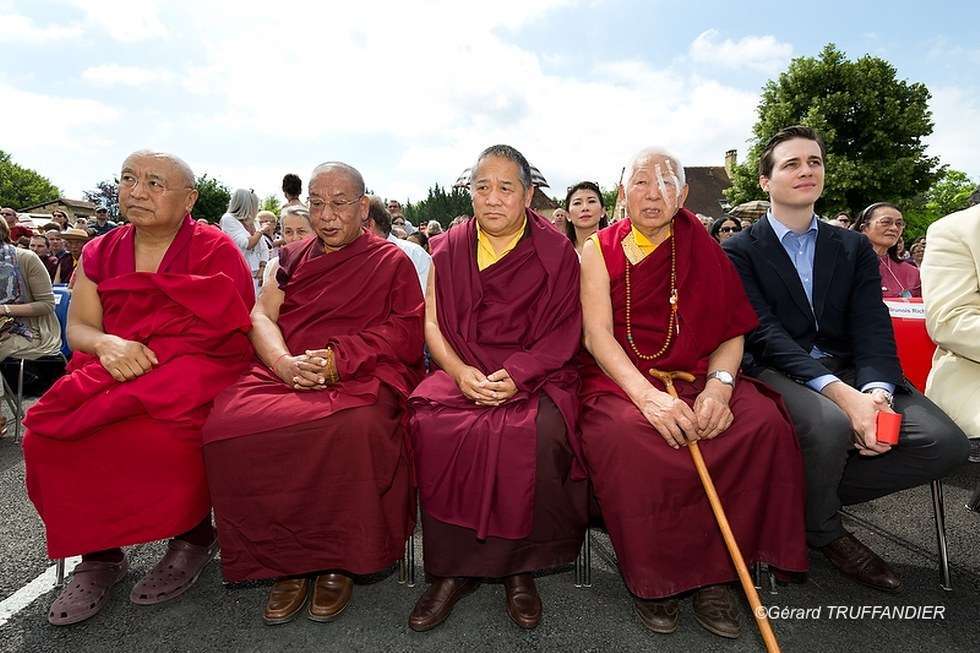
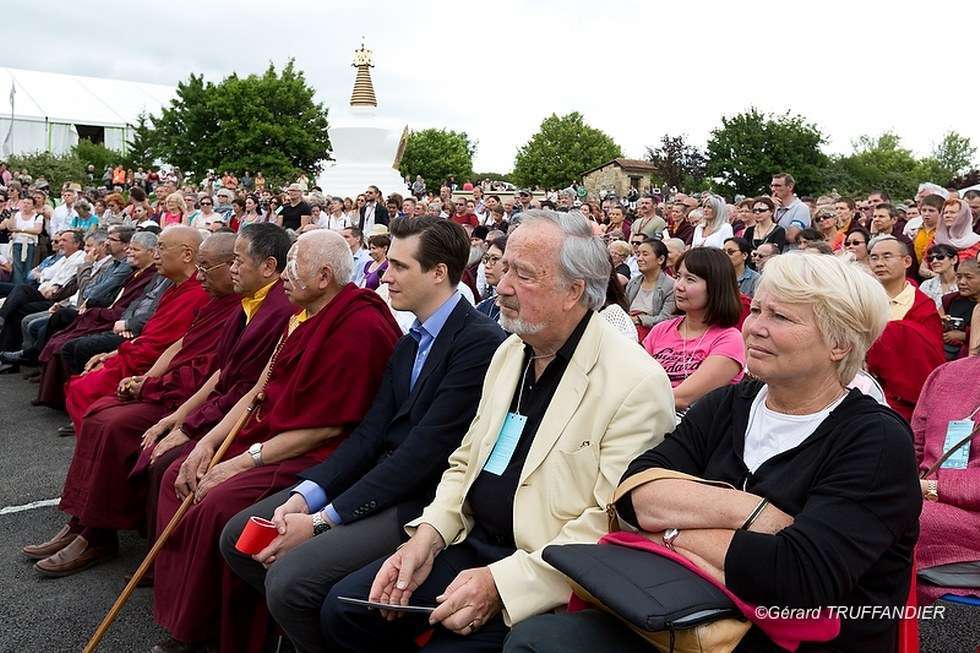
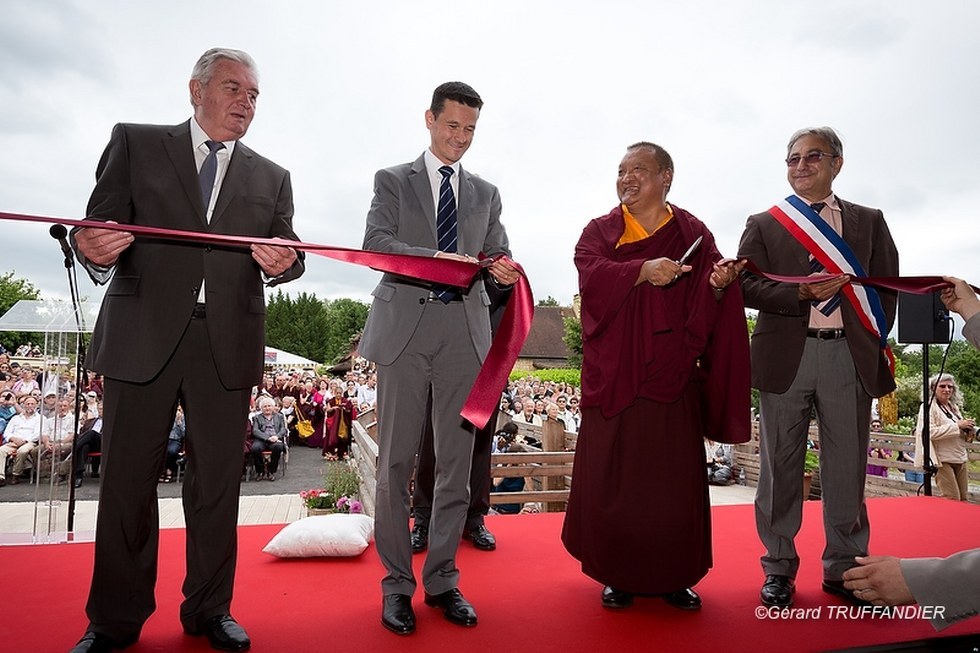
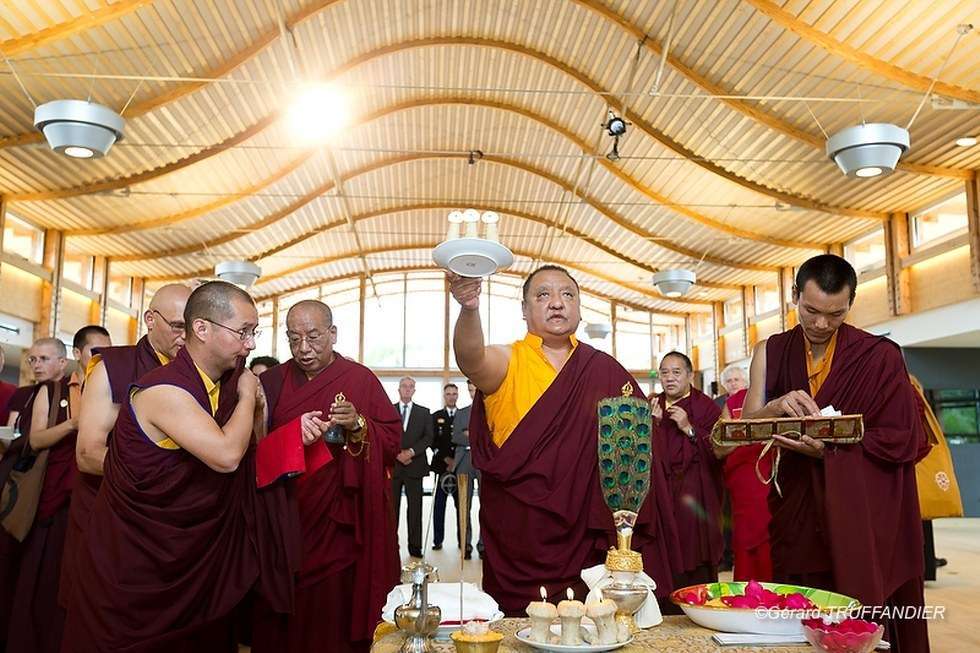
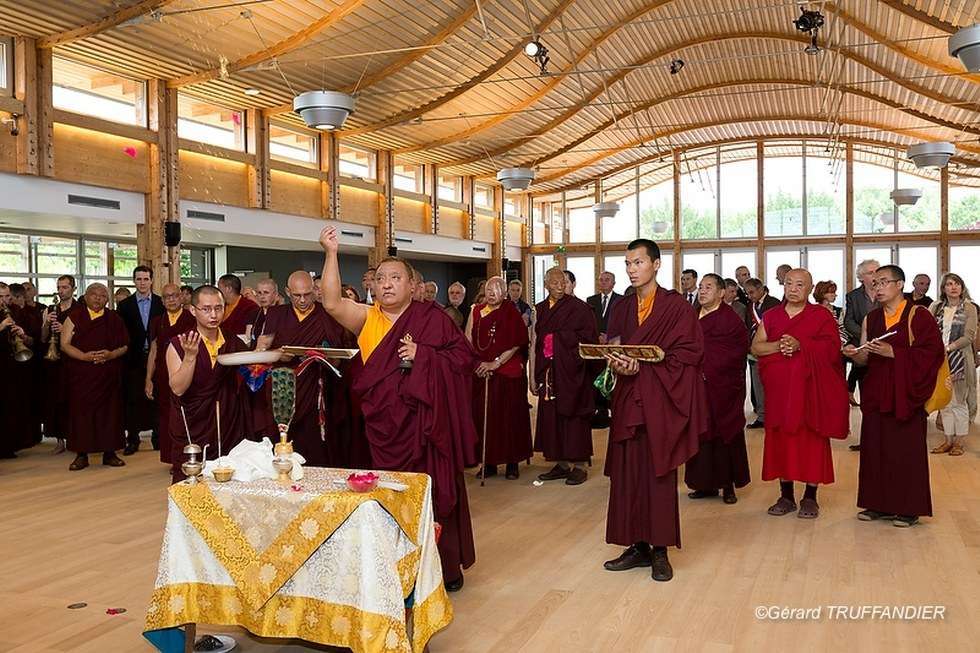
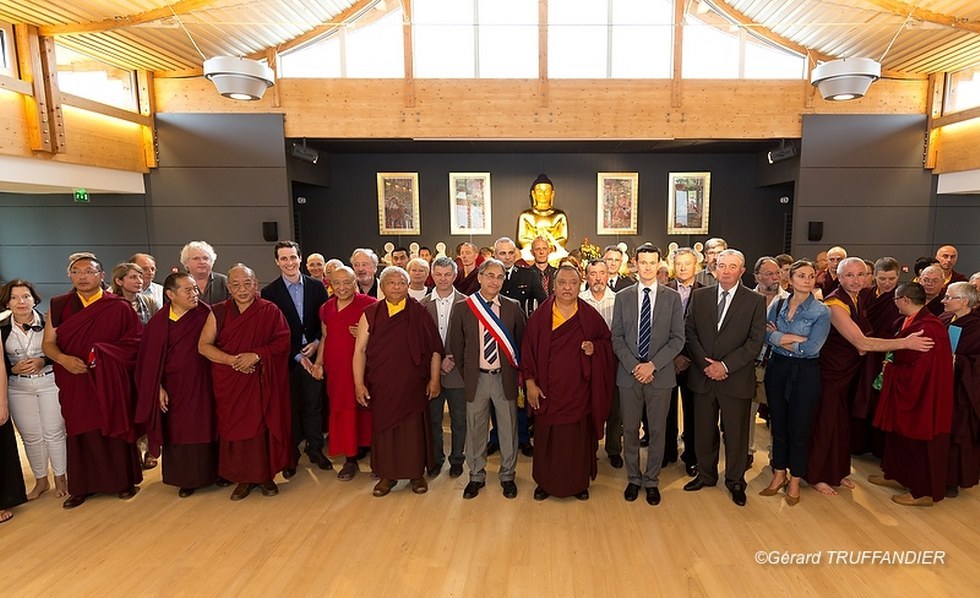
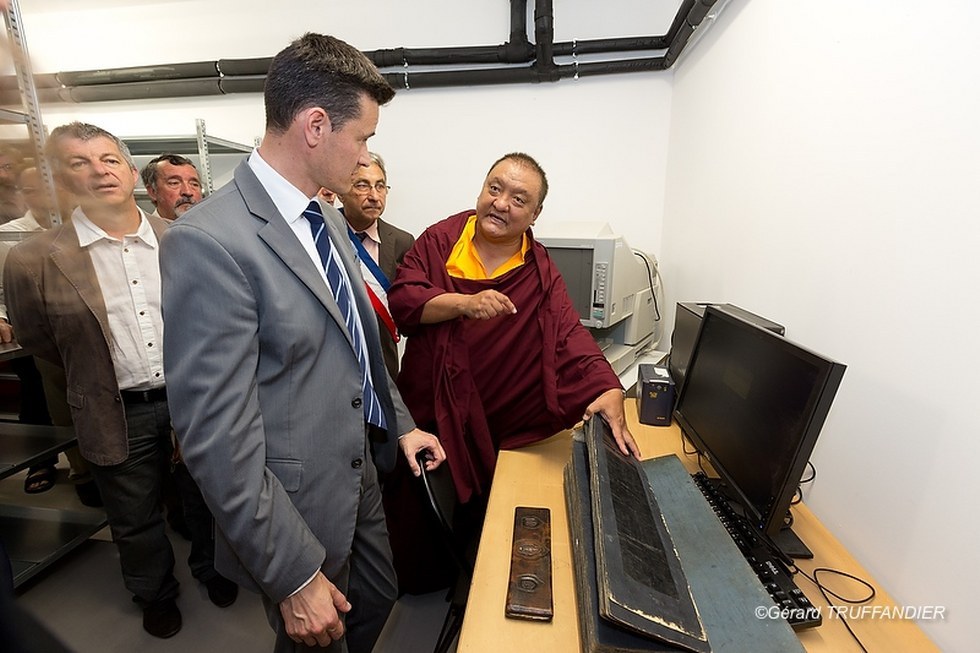
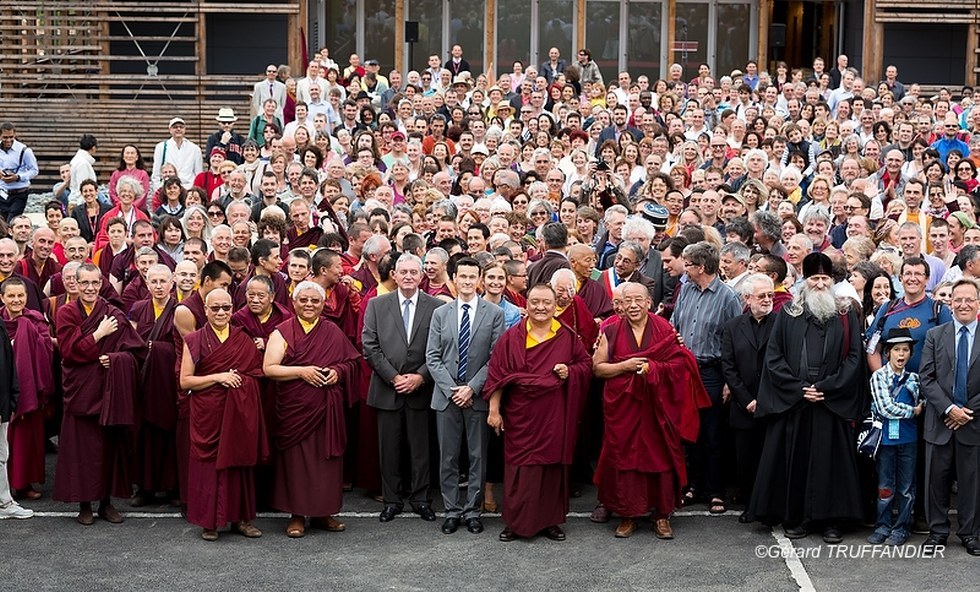
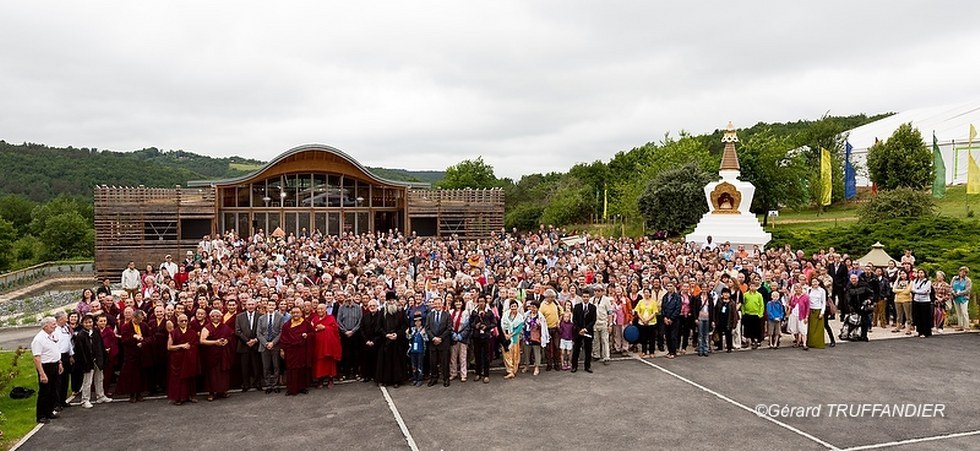
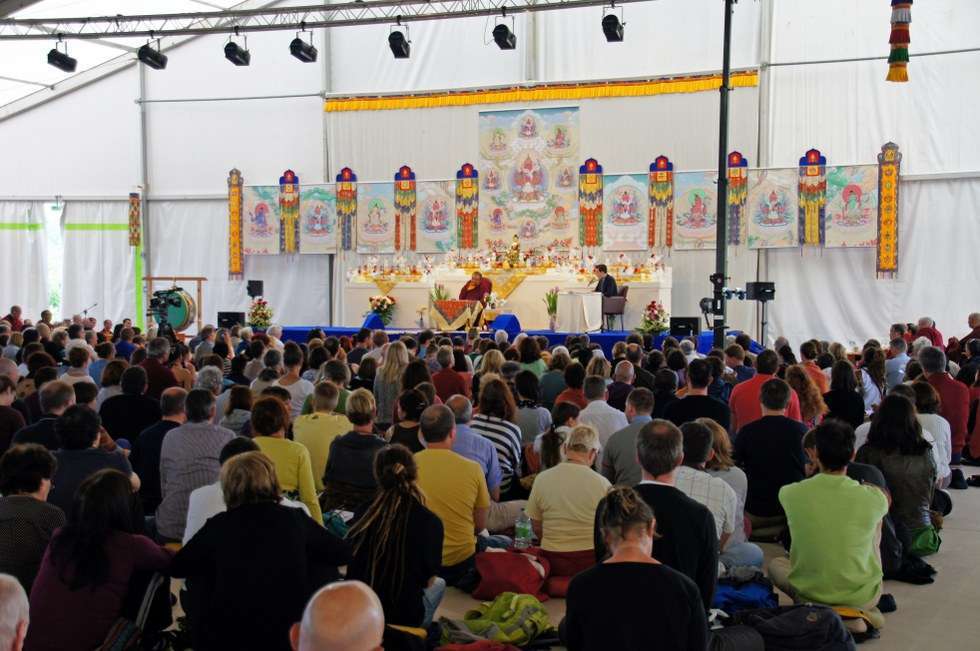
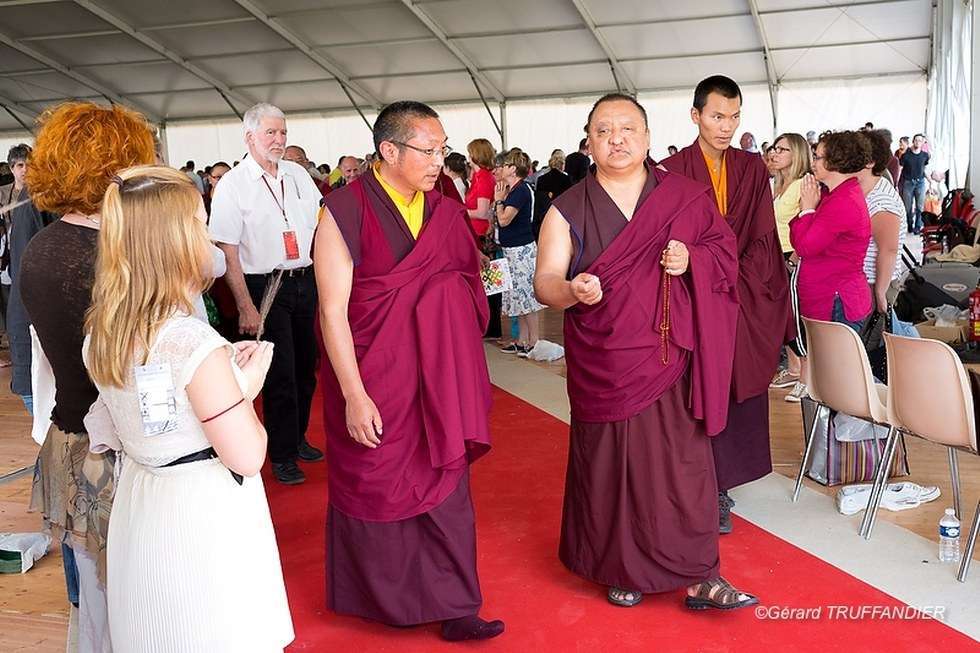
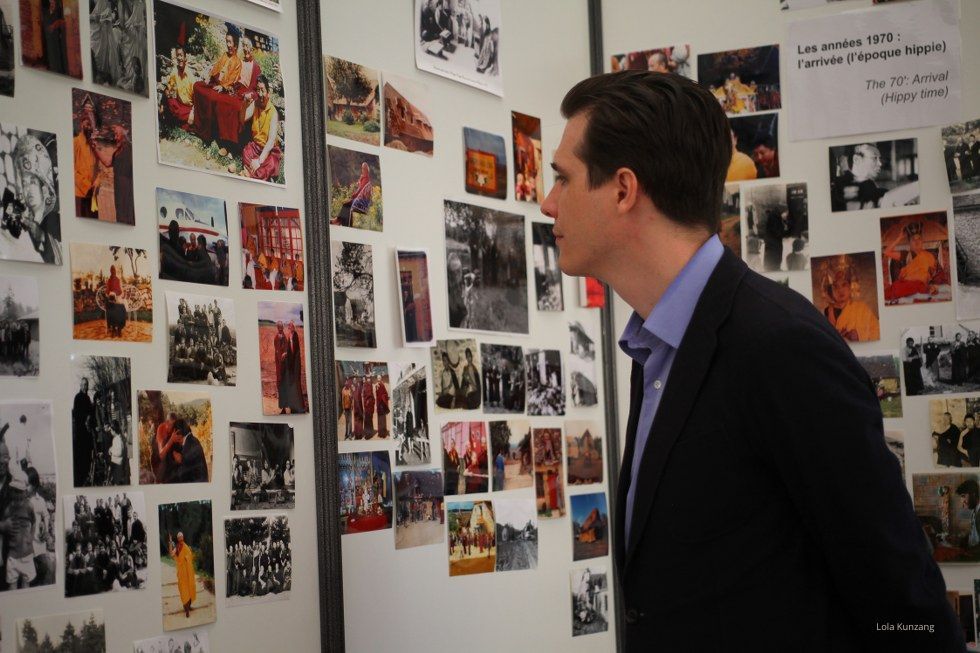
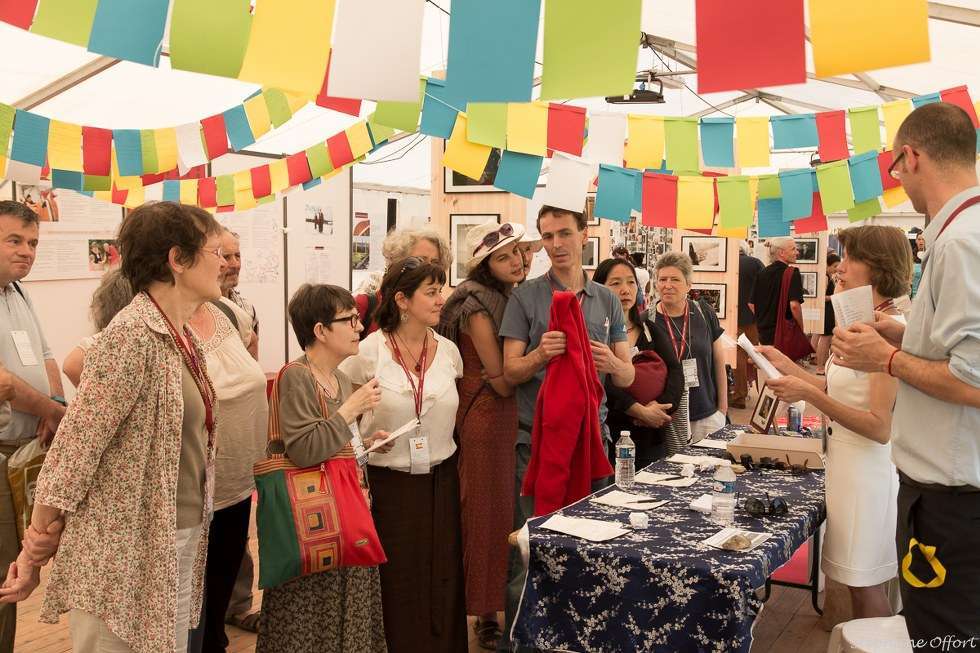
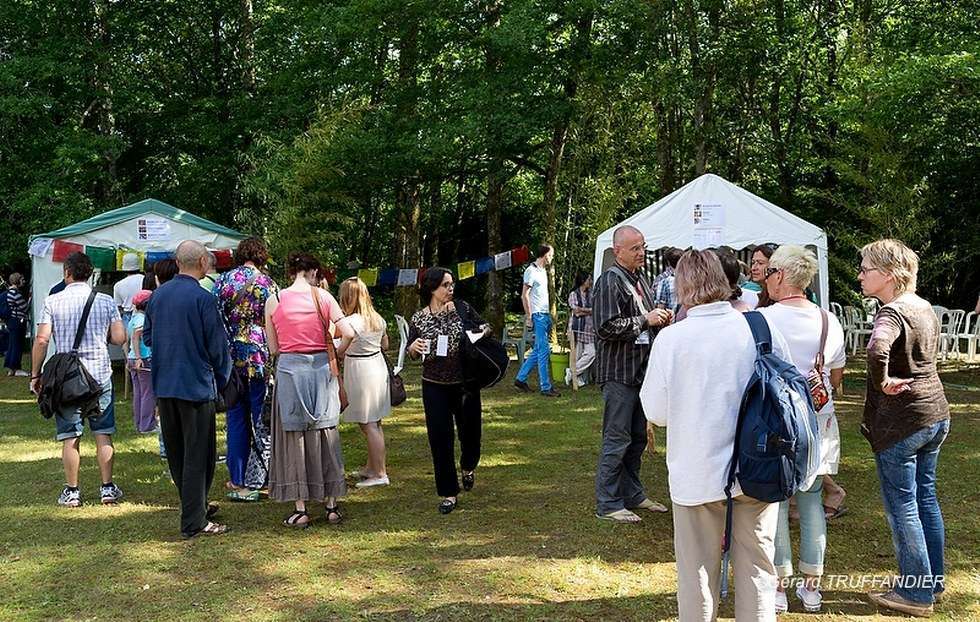
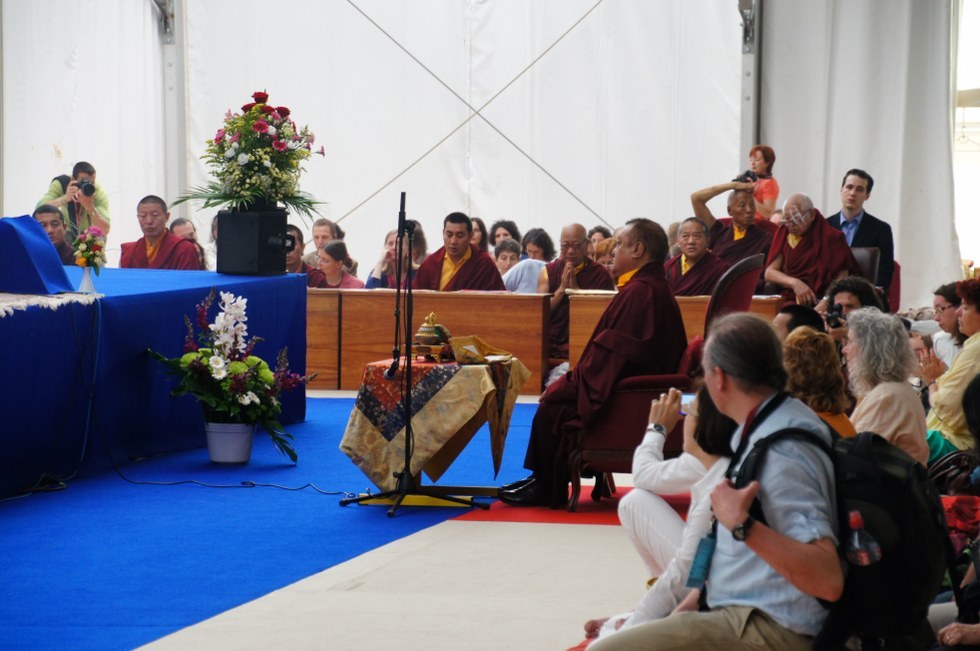
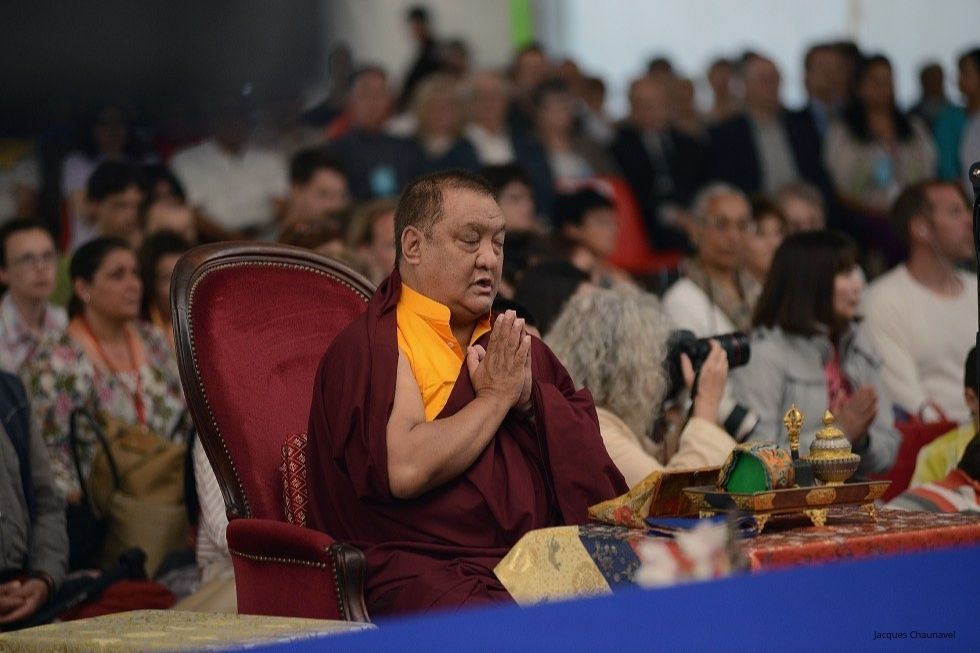
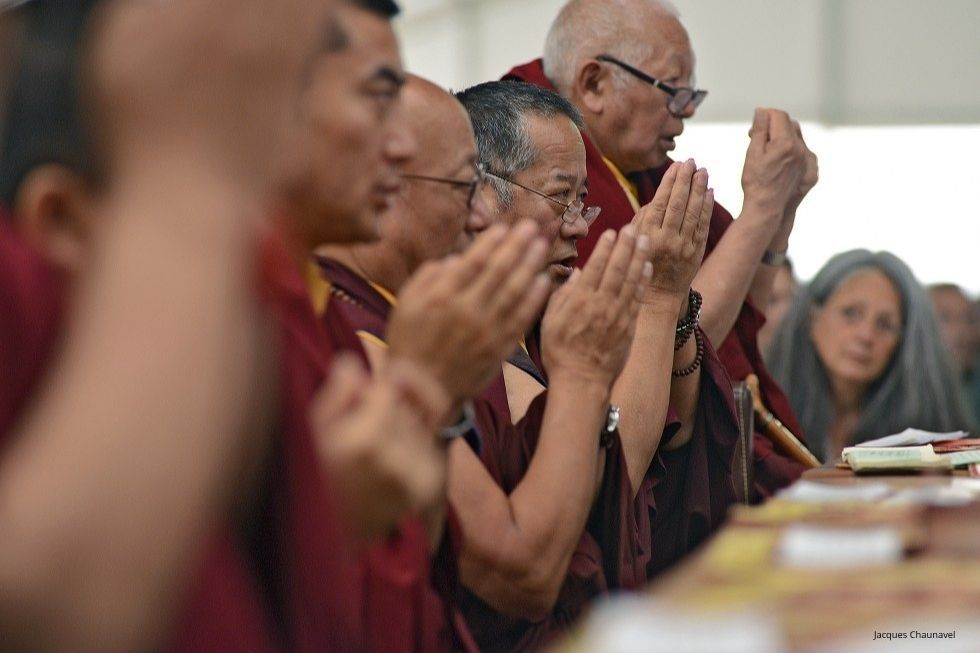
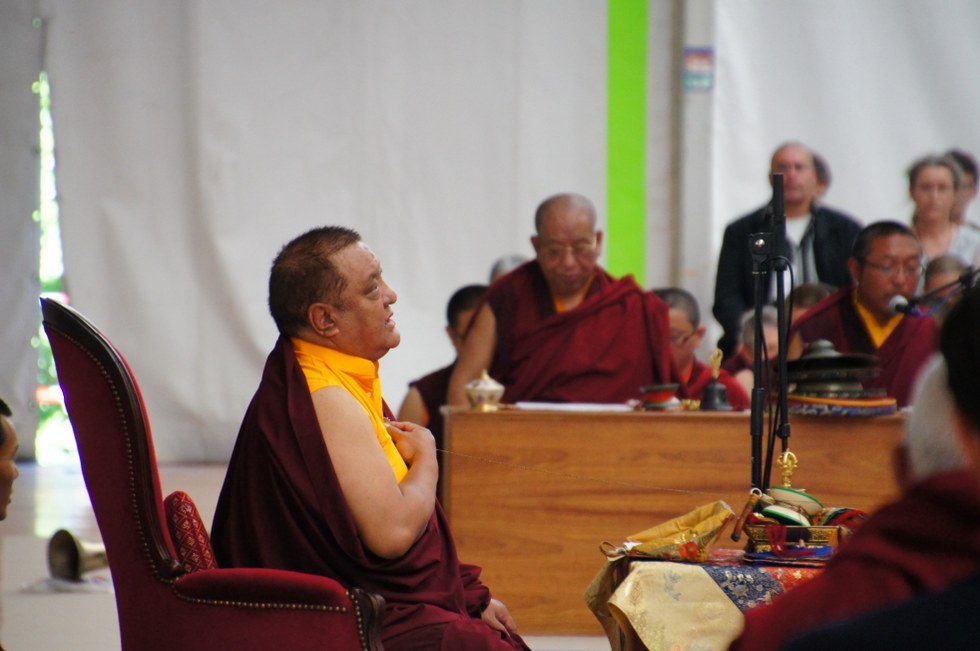
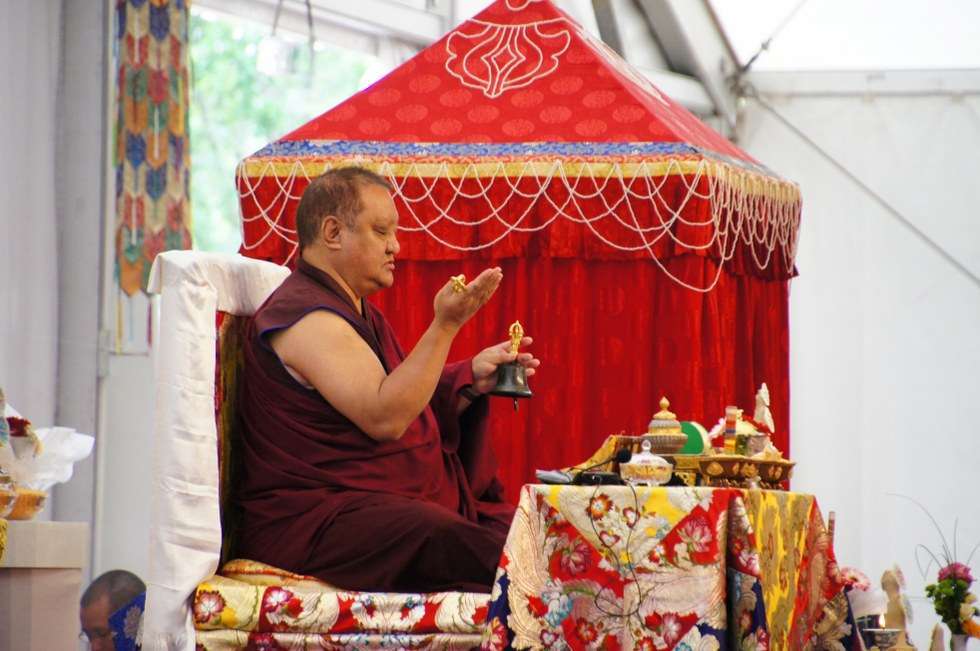
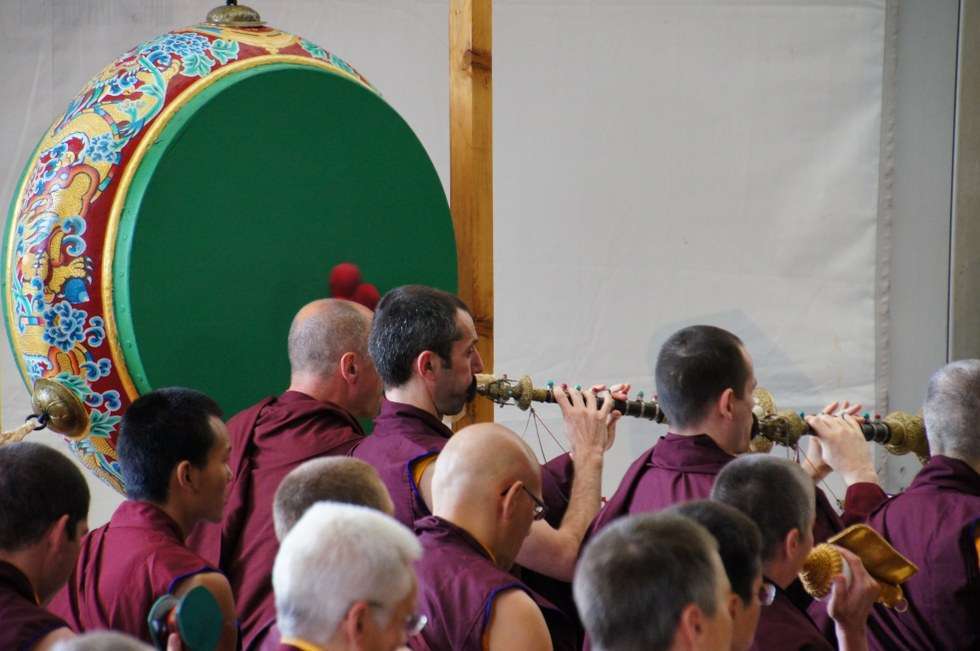
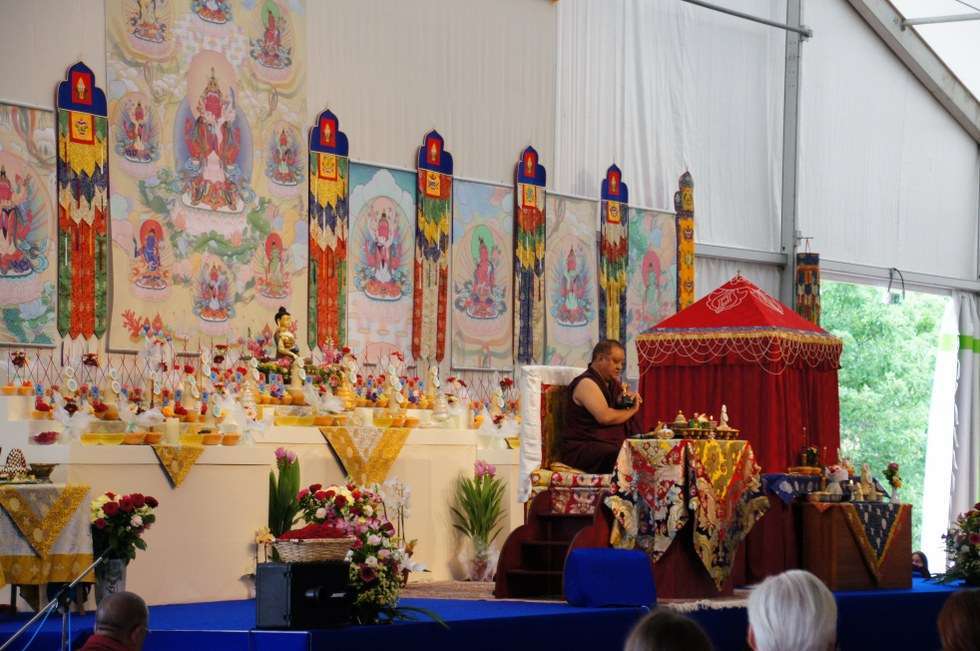
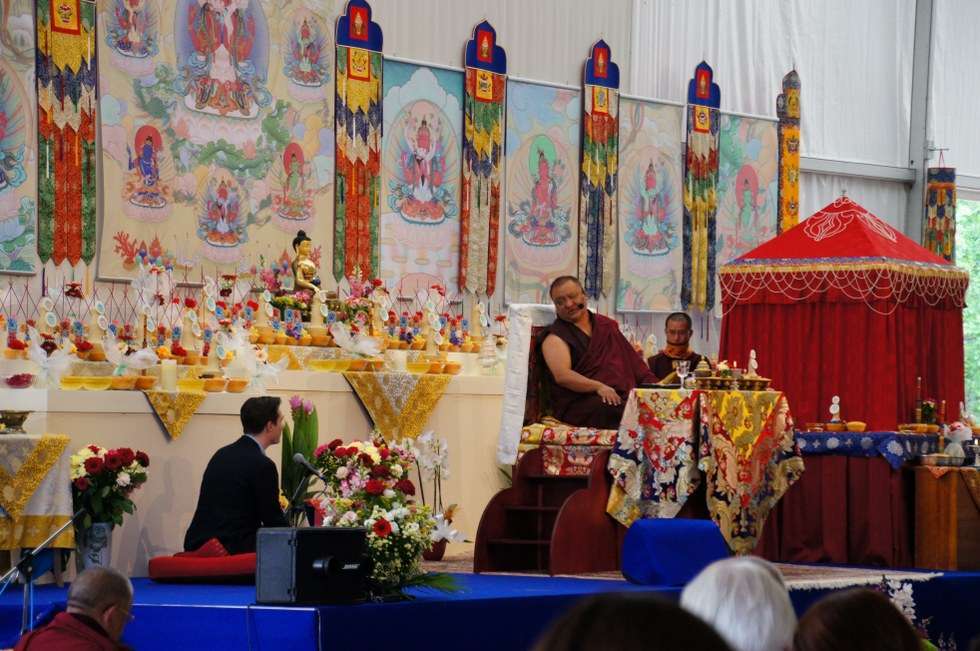
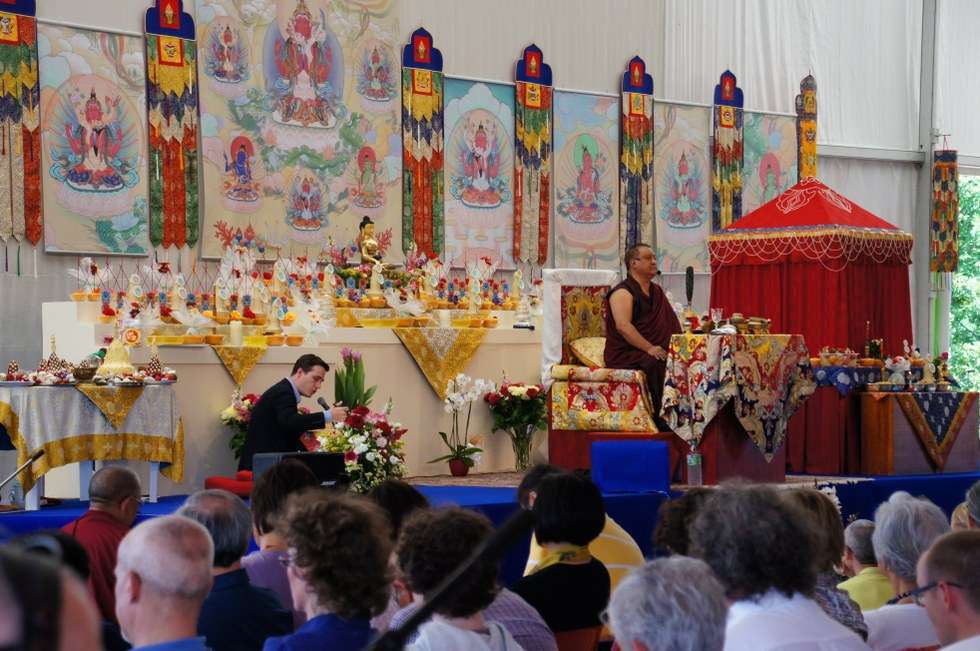
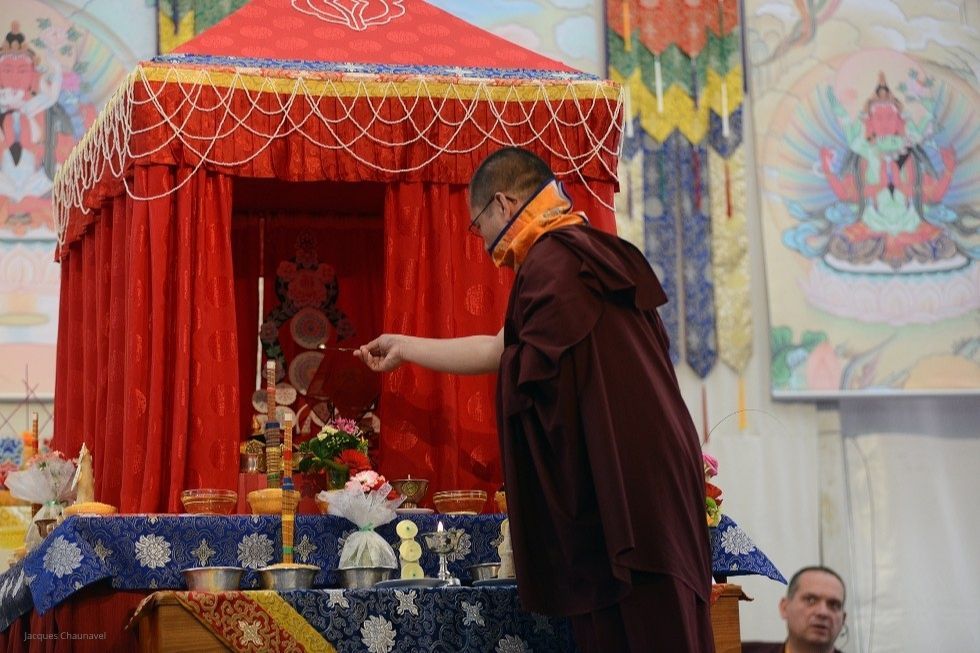
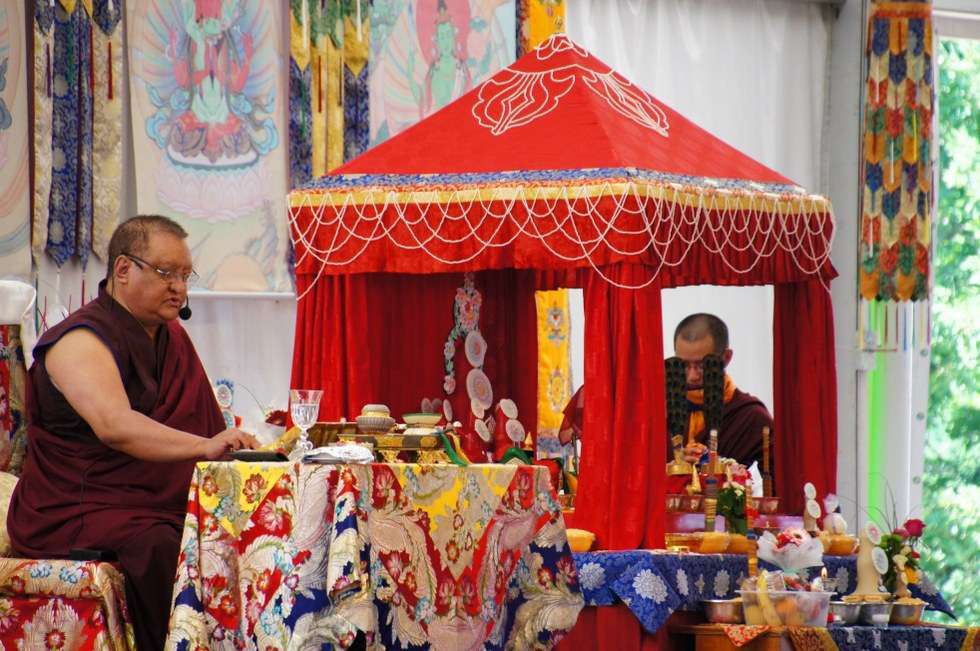
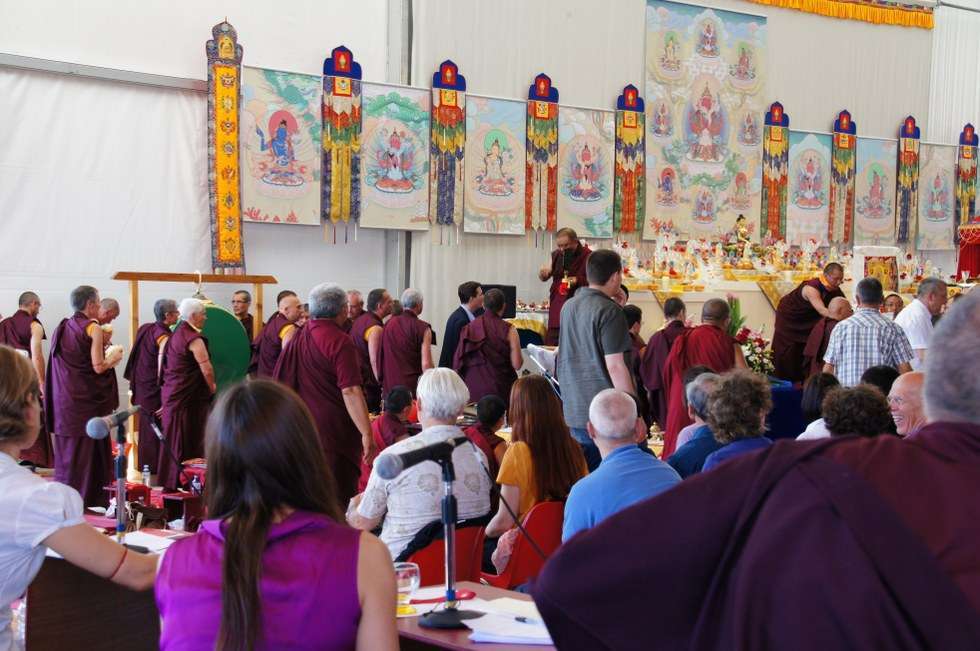
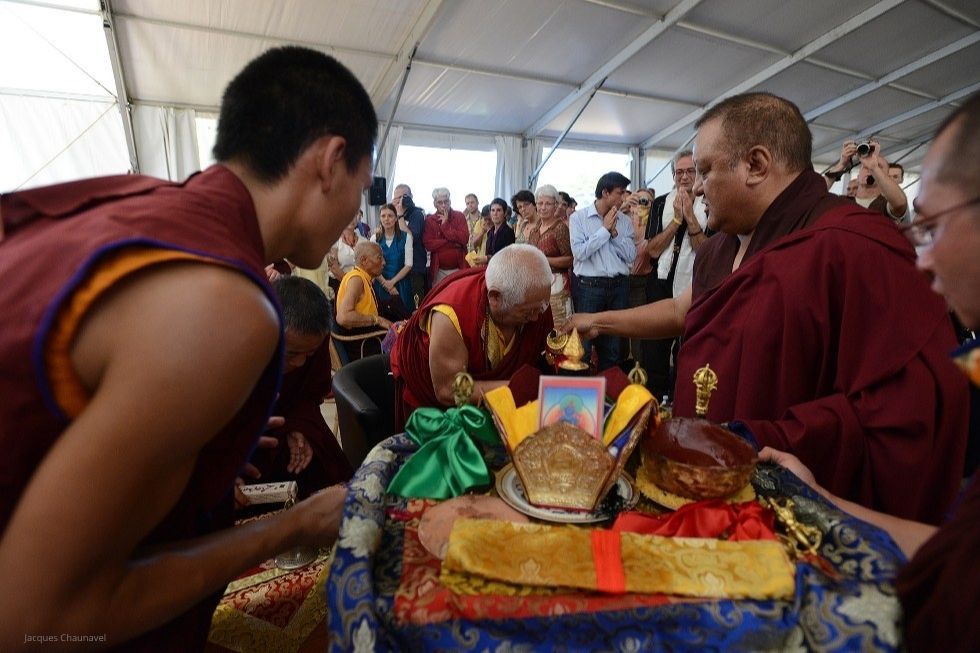
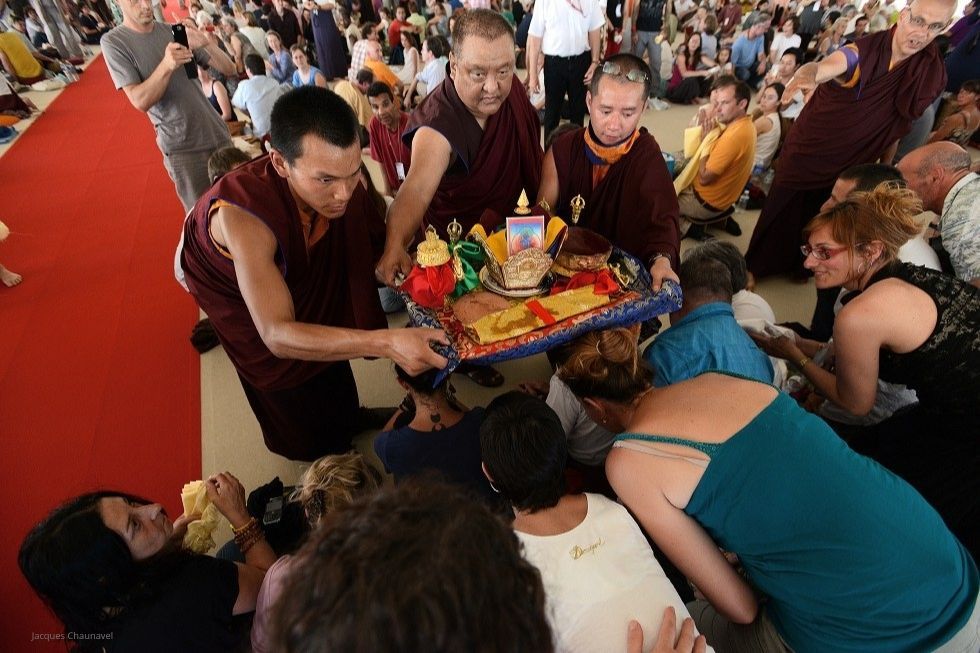
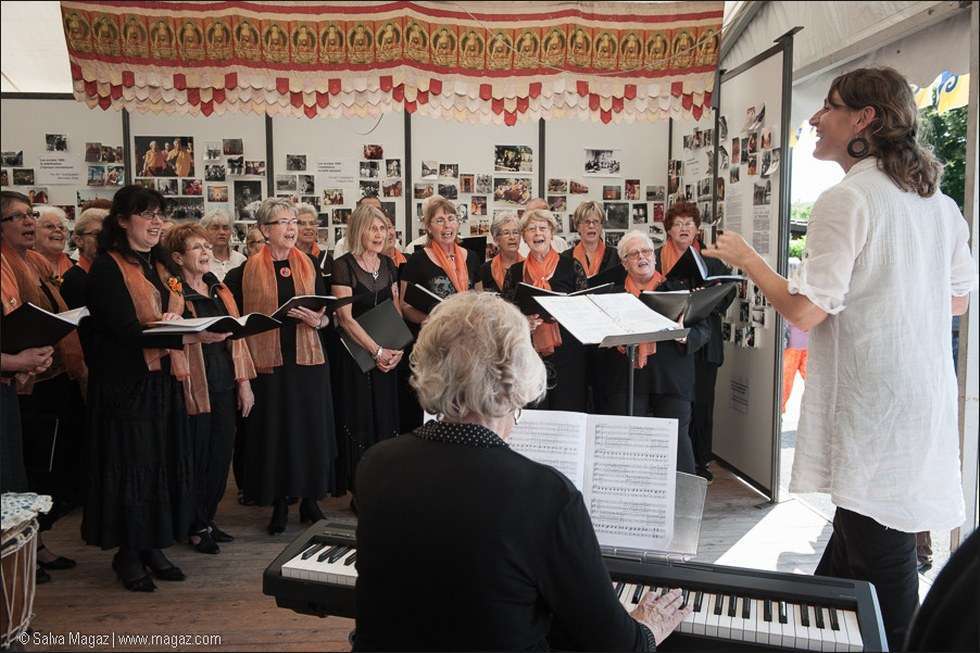
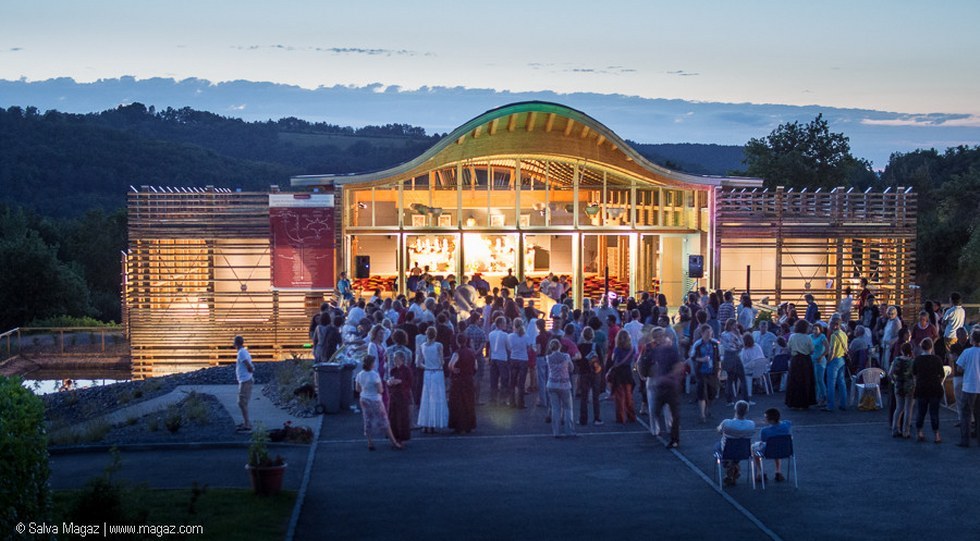
From June 13, 2013, Dhagpo Kagyu Ling’s Institute was inaugurated in the presence of several thousand people from all over the world, fulfilling one of the 16th Karmapa’s wishes to make the Buddha’s authentic teaching accessible to as many people as possible.
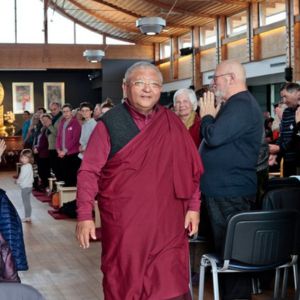
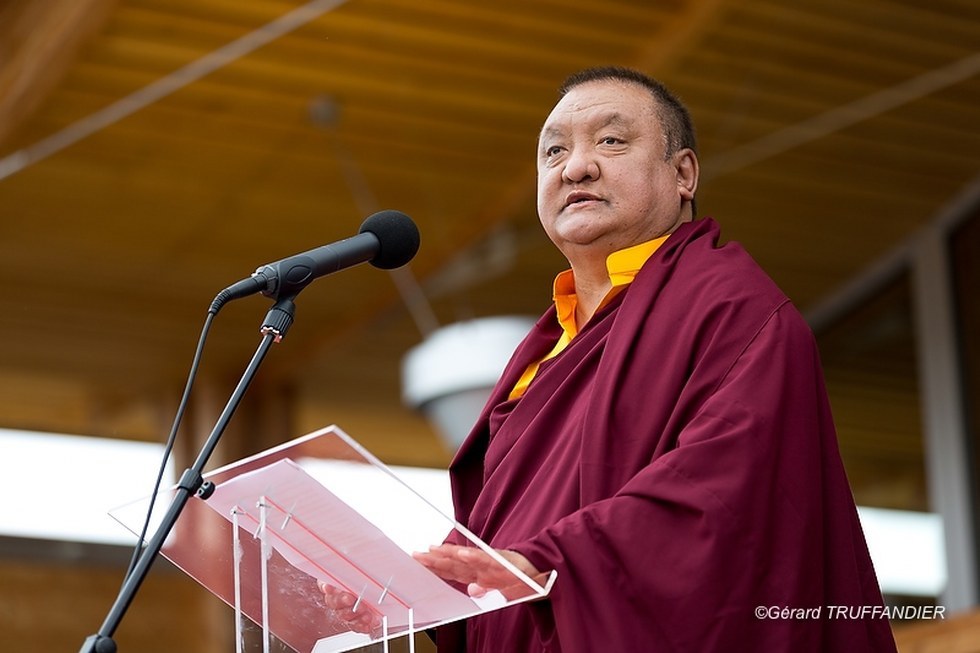
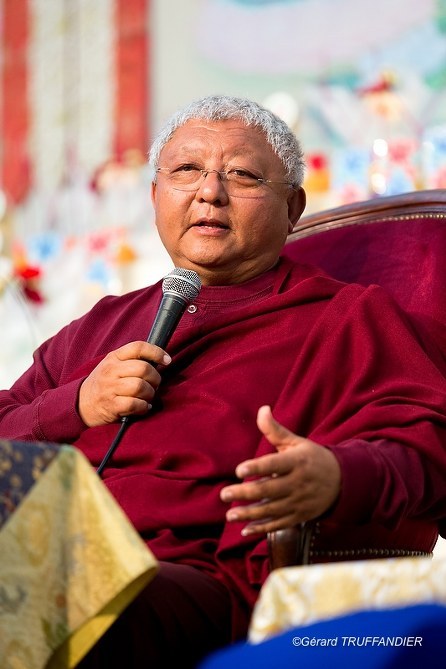
“It is our wish that this new building will be able to welcome all those who aspire to deepen their knowledge of the workings of the mind, body and world, whether through the teachings, the study of texts, or in-depth research,” declared the late Mipham Chökyi Lodrö, His Holiness the 14th Shamarpa, in his opening speech, in the presence of representatives of the state, local authorities, the Catholic, Protestant and Orthodox churches, as well as other Buddhist traditions.

In Buddhist philosophy, there are important insights that clarify our discernment. If we are always able to develop this ability, then nothing can go wrong: human rights, world peace, and even ultimate happiness will be achievable through our ability to assess things in the world fairly.
This inauguration marked an important step towards the integration of Buddhism on French soil, guided by a spirit of openness, dialogue and sharing. As the Dordogne sub-prefect pointed out on the day of the inauguration,
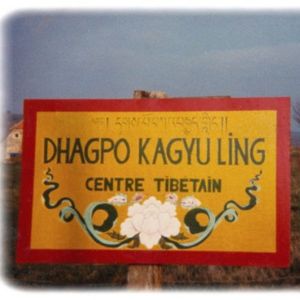
For thirty years now, the Dhagpo Kagyu Ling center has fulfilled, in this harmonious and simple setting, its vocation as entrusted to it by the 16th Karmapa. Now, with the Institute, it offers Westerners easy access to the fundamental texts, as well as the opportunity to meet and exchange ideas with Buddhist scholars.” The mayor of Saint-Léon-sur-Vézère, meanwhile, celebrated the center’s “knowledge of how to live together” and “the open-mindedness that Buddhist thought brings to our local culture.” He notes that “today’s inauguration of this magnificent building is the culmination of a long project and the result of constructive dialogue with the municipality.
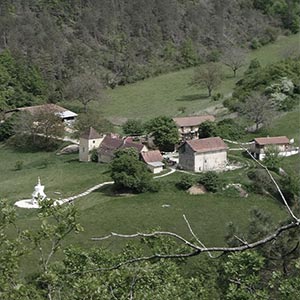
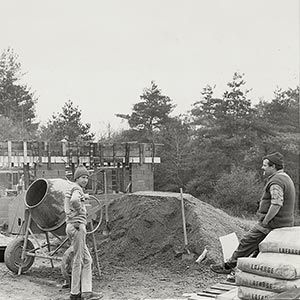
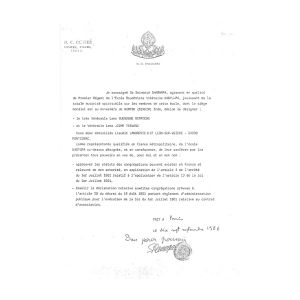
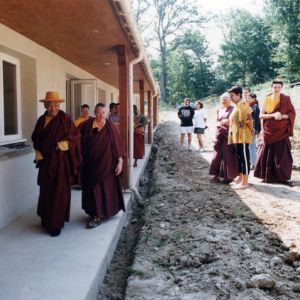
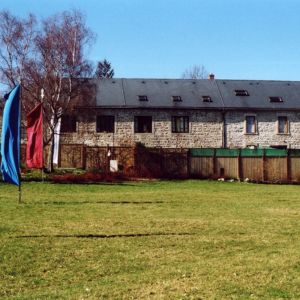
Indeed, it took almost fifteen years for the causes and conditions to come together for this project to see the light of day. As early as the late 1980s, an Institute for Advanced Studies in Tibetology was to be built on the Côte de Jor. Nicolas Henry, who had been working on the construction of infrastructure in Dhagpo since his first retreat in 1987, supported Jigme Rinpoche in the design of this project. This first project was eventually put on hold, to be resumed with the prospect of better integration into the natural setting. The Côte de Jor site, now classified as culturally significant, could no longer be built on. In the 90s, efforts were refocused on the Dhagpo Kagyu Ling site in Landrevie. A building permit was obtained and earthworks began. In 1998, the design of the project progressed, and the building permit was applied for and granted. Heterogeneous soil conditions made it difficult to construct the foundations, but the technical challenge was overcome, and they were finally built.
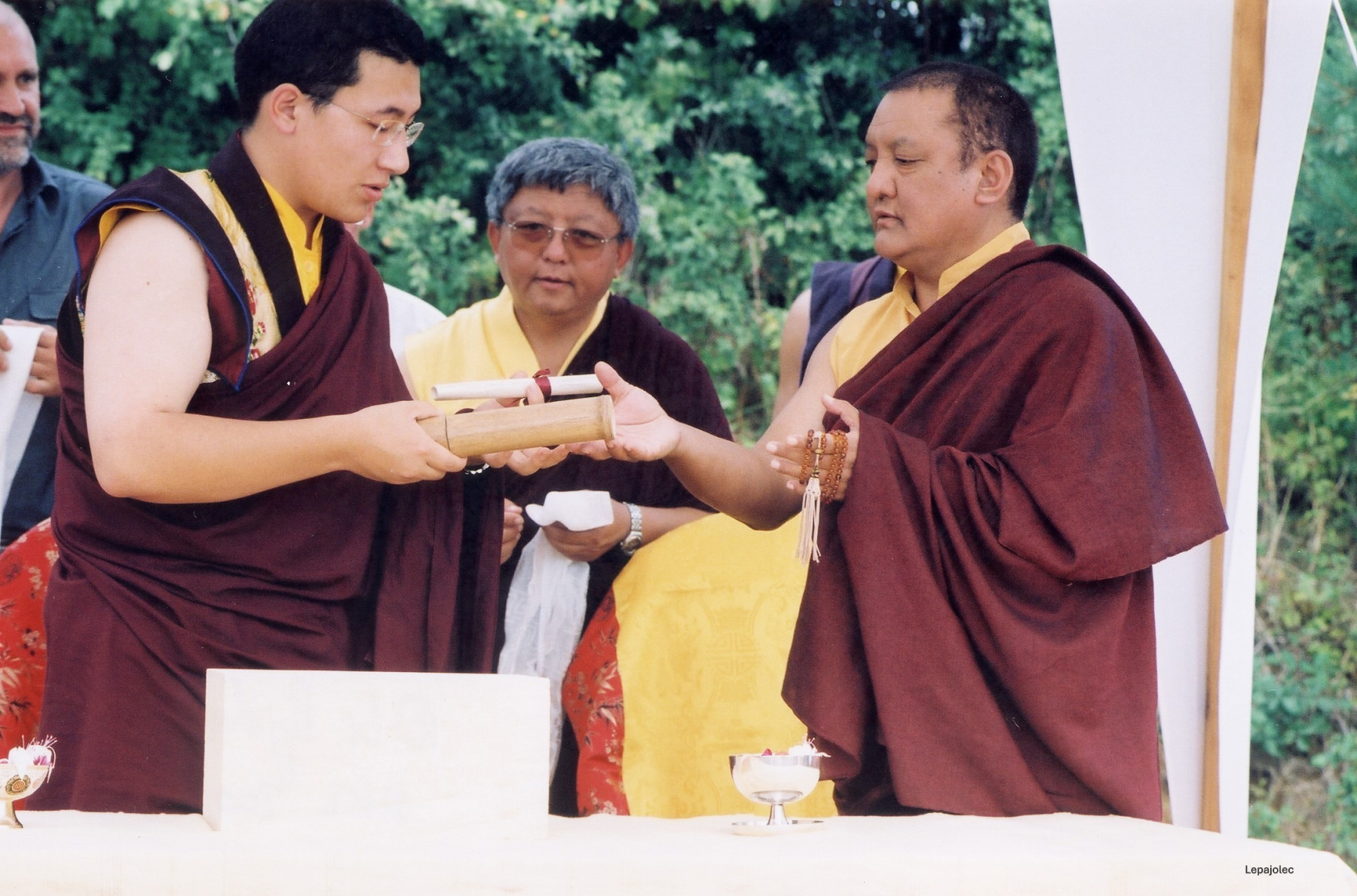


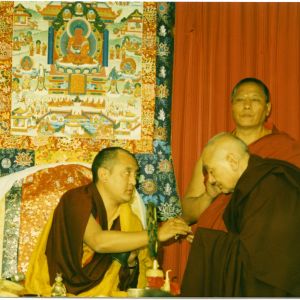
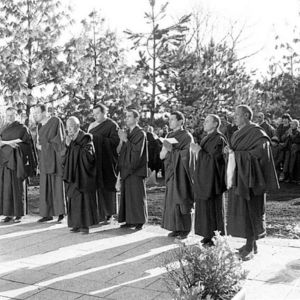
On August 15, 2002, Thaye Dorje, His Holiness the 17th Gyalwa Karmapa, and the 14th Shamarpa consecrated the foundations of what was to become the Institute, and the cornerstone was laid. However, the Tibetan architectural style of the project did not meet with unanimous approval in the region. In 2006, Jigme Rinpoche decided to put the project on hold. In 2011, speaking at the Dhagpo General Assembly, he explained,
If we build a place for the Karmapa’s activity to take place, it’s important that the project is supported and accepted by the local population, and that the overall development is harmonious. Otherwise, it’s no good for anyone and nothing will really unfold.
The project was then interrupted to be revised and better adapted to the location and needs. Several years of gestation were necessary. Jigme Rinpoche often reminded us that, beyond the building itself, what’s most important and a source of value is what unfolds within.
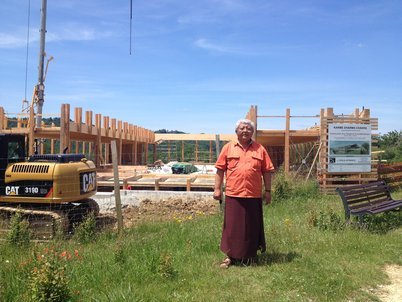
In 2010, Jigme Rinpoche asked Nicolas to act as representative of the construction manager for the building of the future Institute. François Coq, an architect based in Sarlat, was selected. Jigme Rinpoche continues,
We changed the project by working with a local architect on a more adapted approach. As we’re in a protected zone, the Architecte des Bâtiments de France has to approve the project. There is no Périgord-style model for a building of this size.

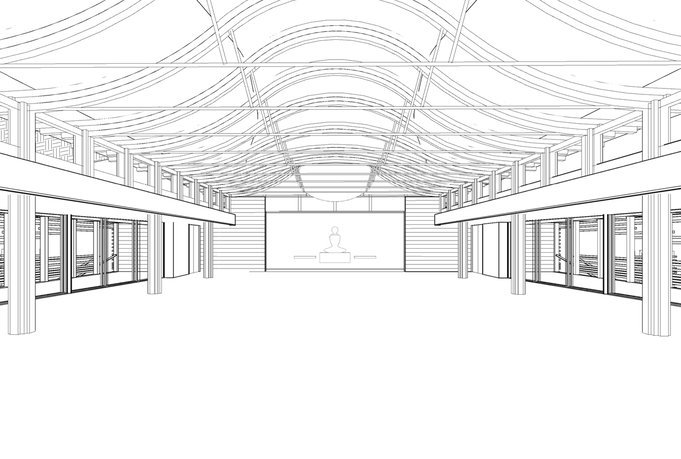
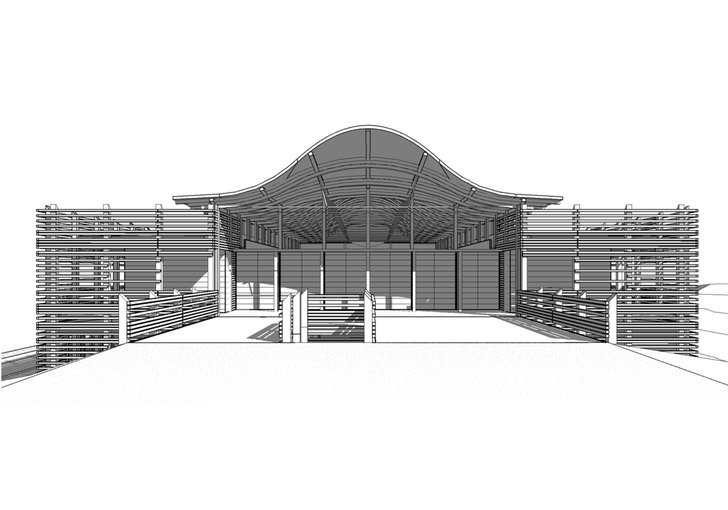

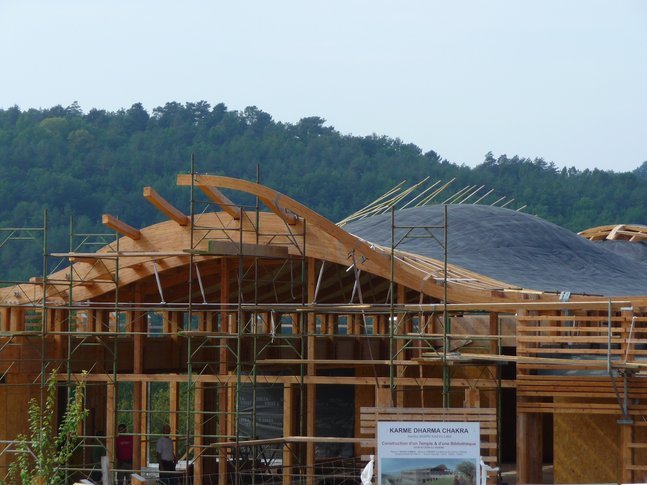
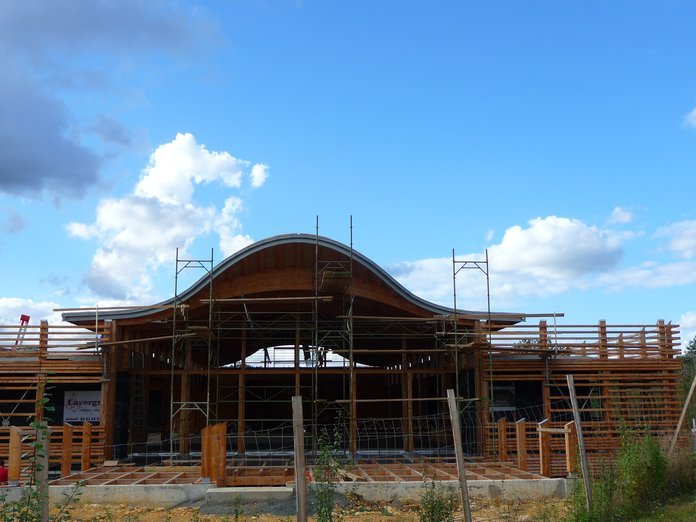
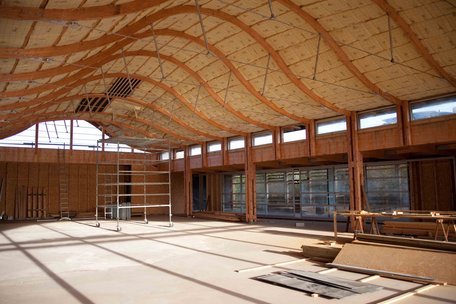
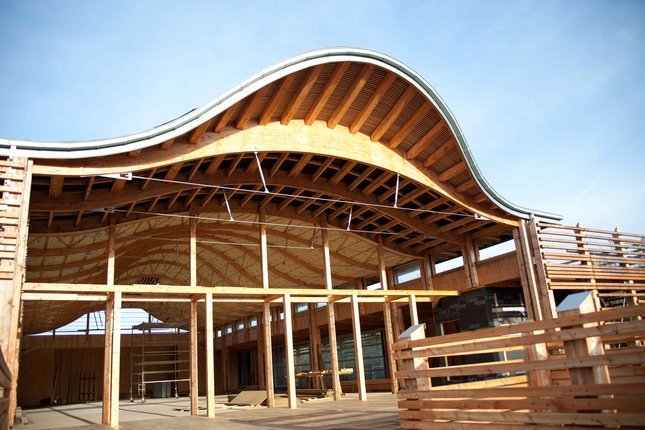
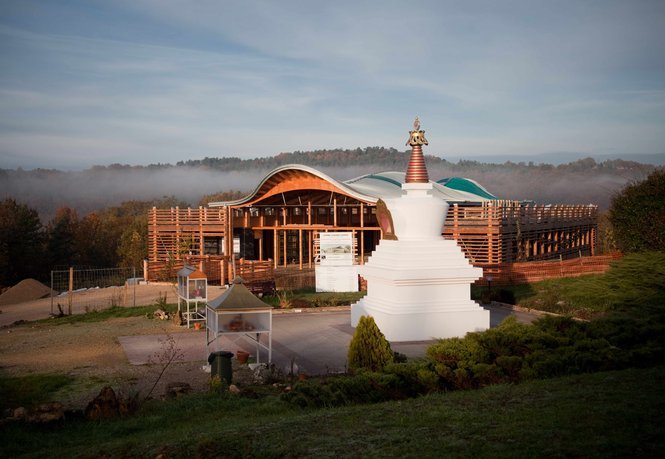
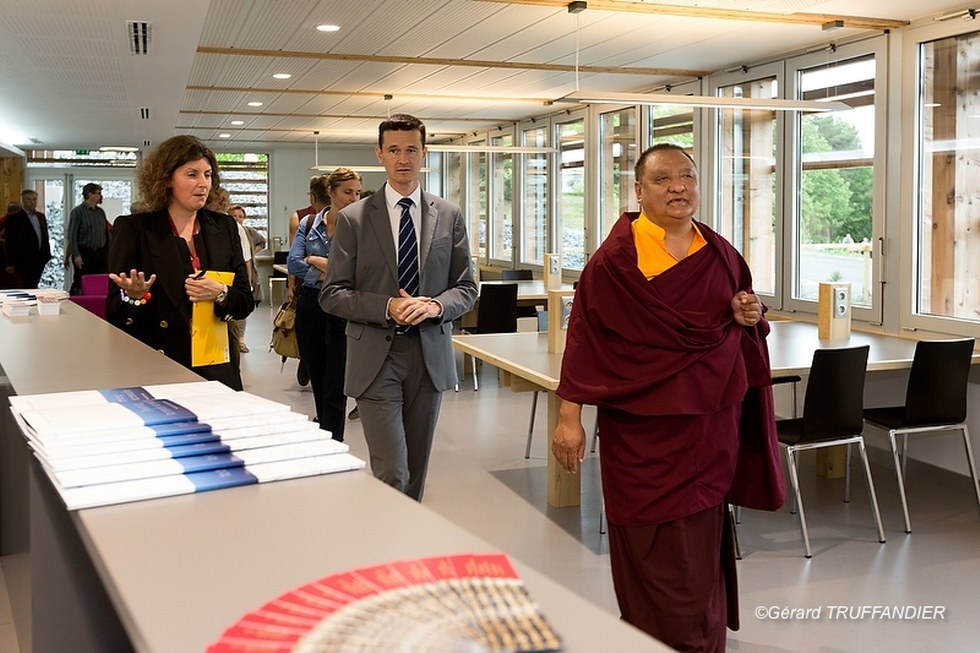
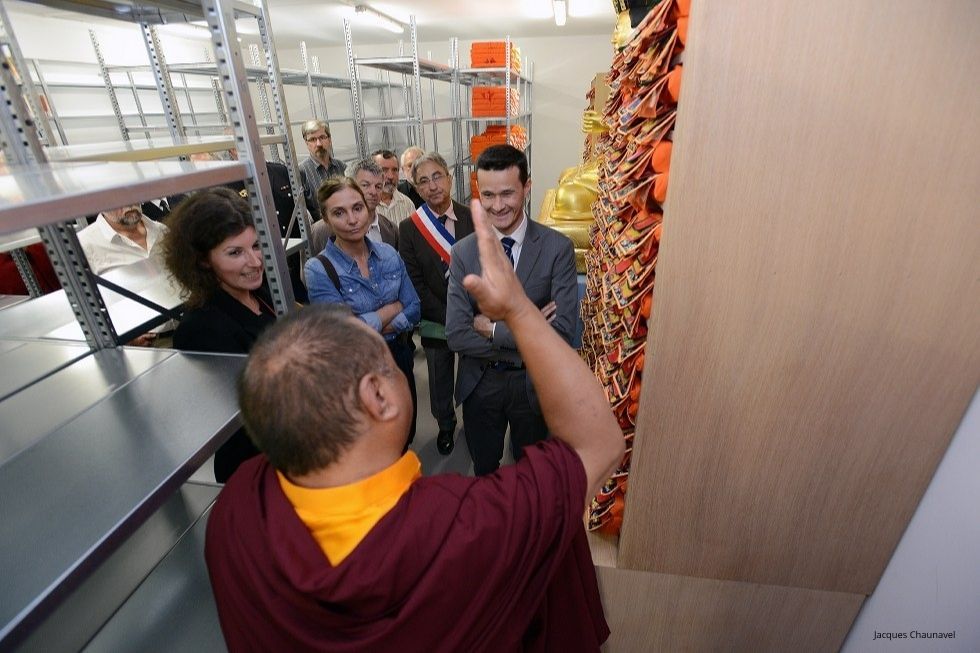
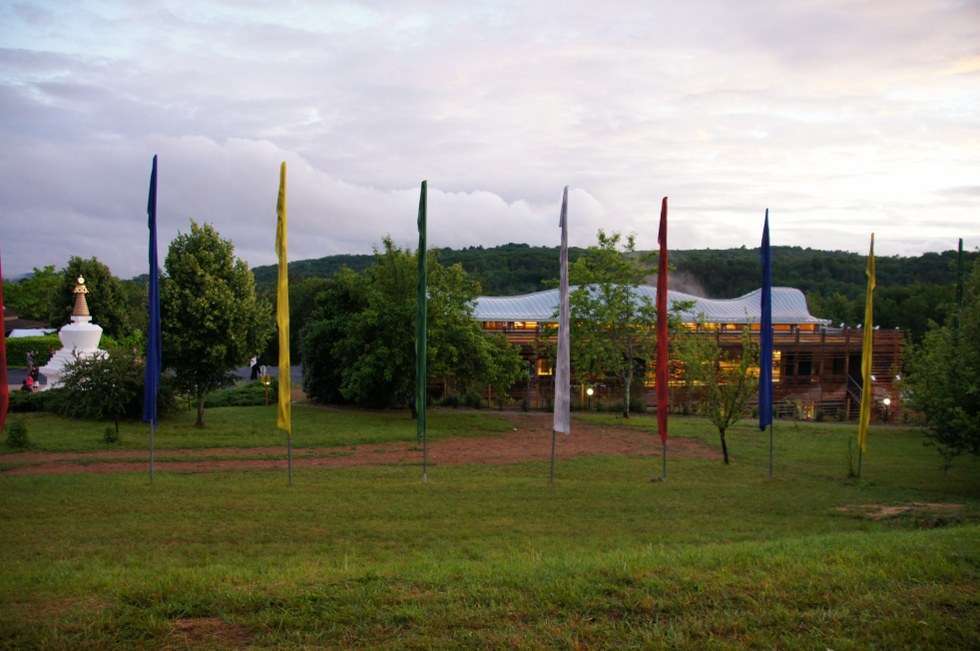
The architect proposed a building that blends into the local environment, with two essential features required by Dhagpo: a large practice hall and a library equipped with a space sheltered from the sun’s rays to provide optimal preservation conditions.
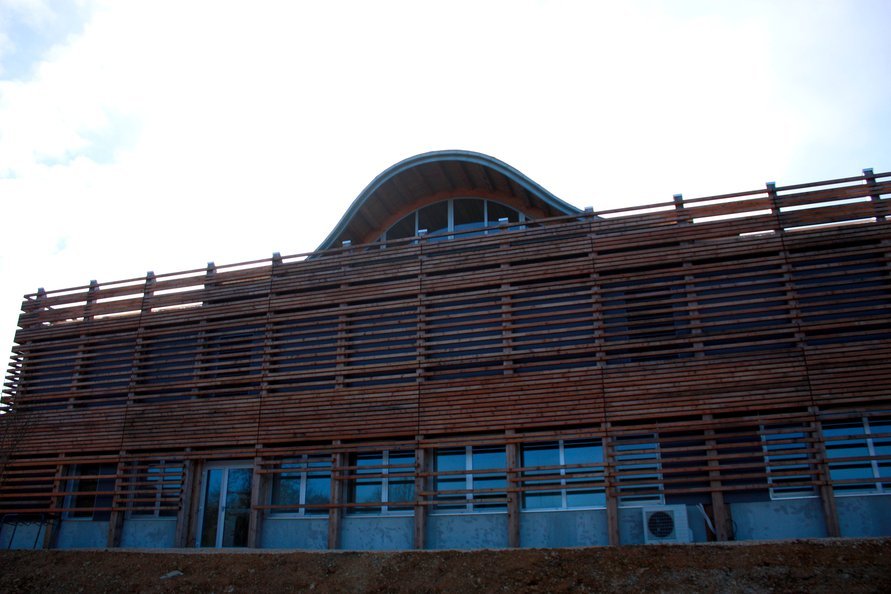
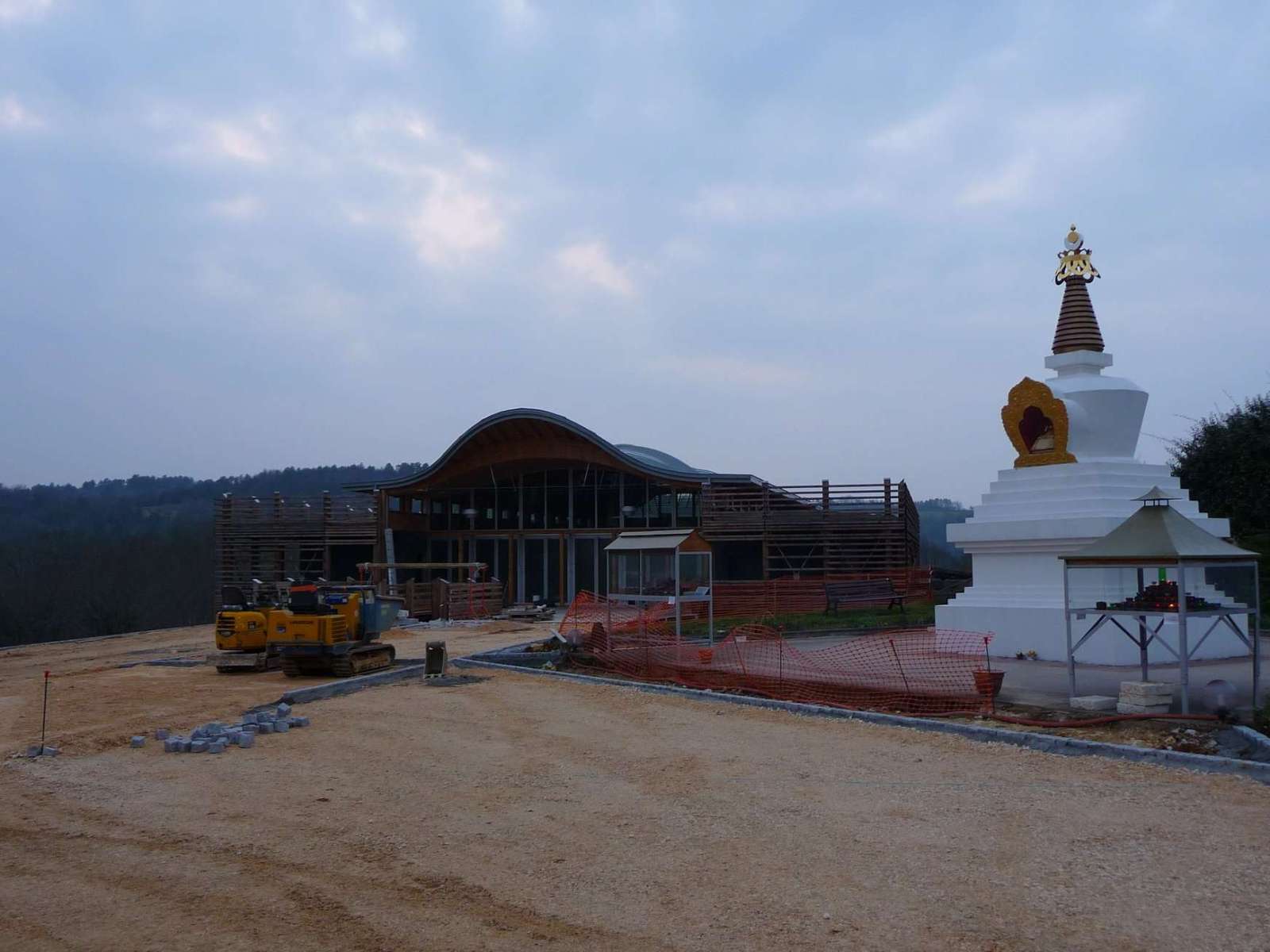
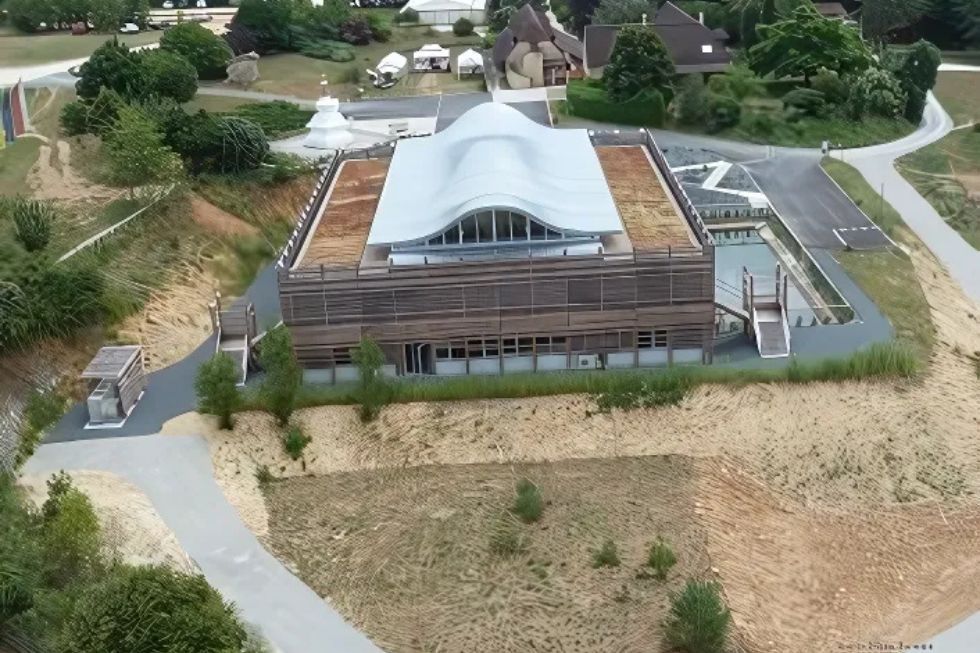
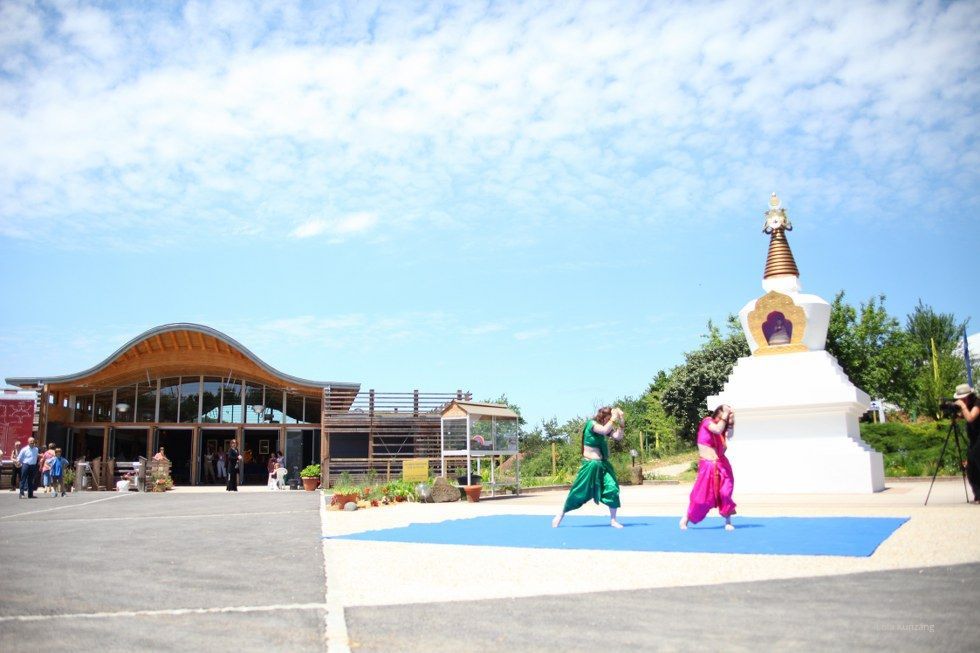
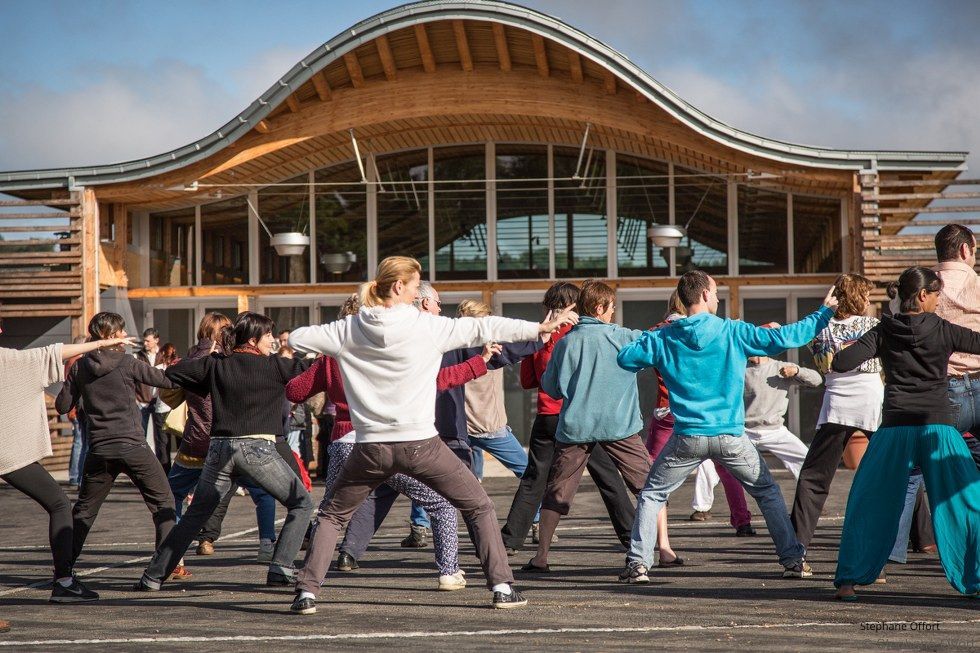
The first sketches focused on the form of a wave, inspired by the rolling hills of Chaban Village above Dhagpo. The wooden slats evoked Perigourdin tobacco drying sheds. From there, the project developed collectively. A team of eight people from Dhagpo was formed to reflect on and define the community’s needs for the future. This group met regularly with the architect. In this way, the building came to house spaces for Dhagpo’s daily functioning—offices, a study hall, conference rooms and a reception desk—in addition to fulfilling its essential functions as a teaching space and library. “This helps the community be cohesive. Allowing people to work together is one of the virtues of this building,” says Nicolas. The building was erected in two years with no breaks in construction.

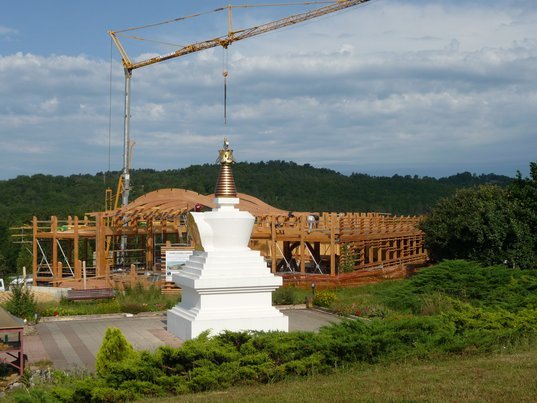
The collective aspect also extended to financing the project. The money that was previously raised had been set aside for the project. For the remaining amount, Jigme Rinpoche did not wish to call on banks but rather offer every person the possibility of connecting to Karmapa’s activity by contributing with an individual loan or donation. A team took care of fundraising based on the following guidelines, “The Institute: A Place for All, Built by All.” It was a good bet. Presentations of the project took place during large events, such as the 17th Gyalwa Karmapa’s visit in 2012. Practitioners from around the world supported the project. Every donation, no matter how modest, is a connection with the beneficial activities of the bodhisattvas Karmapa and Shamarpa. The Institute—comprising a final budget of 4 million Euros including landscaping—was fully financed in 2018, thanks to the involvement of more than four thousand people and without a single bank loan.

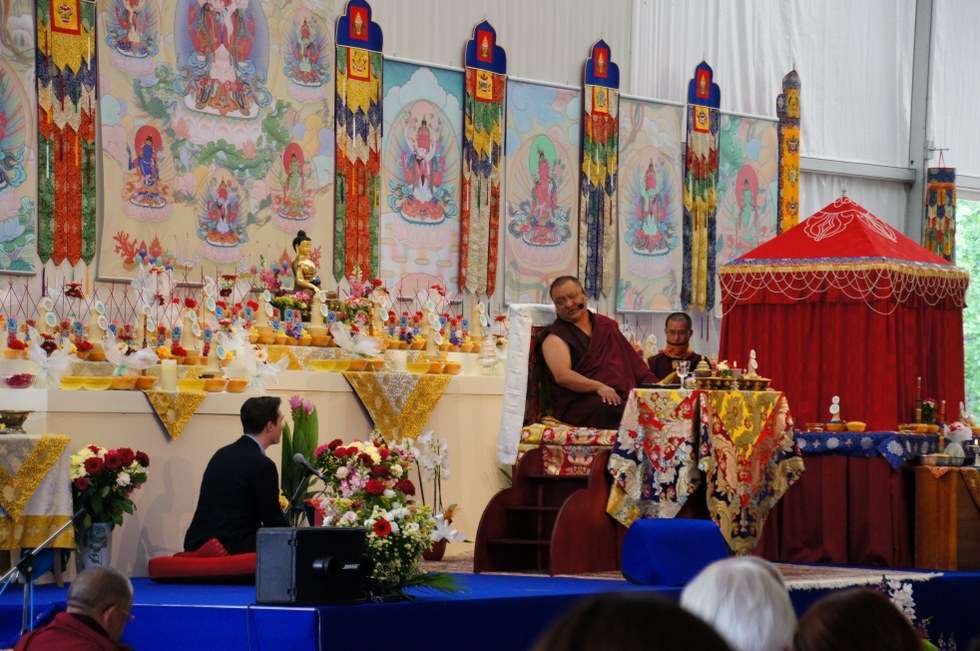


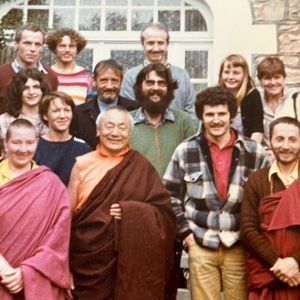
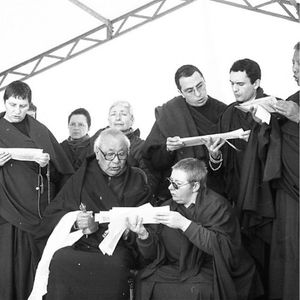
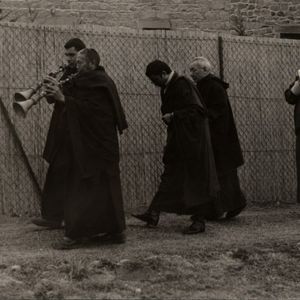
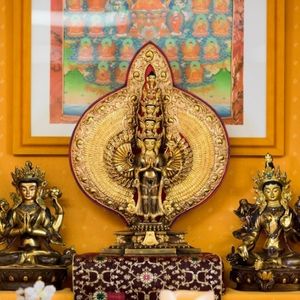
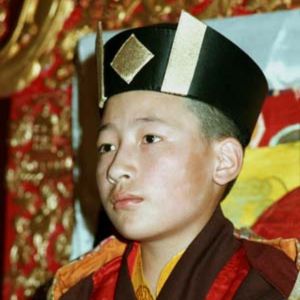
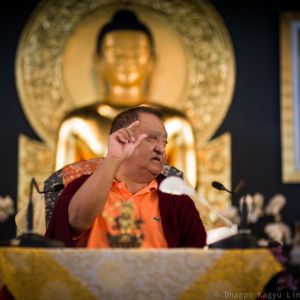
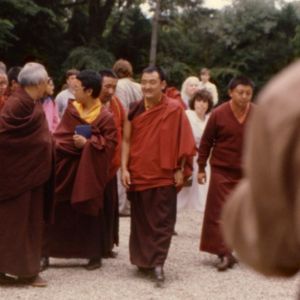
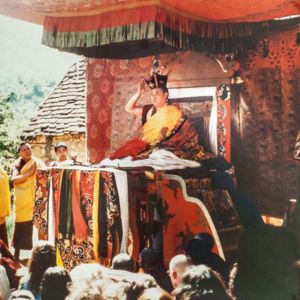
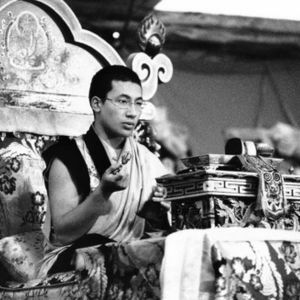
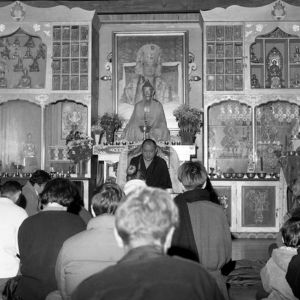
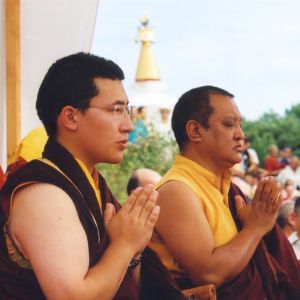
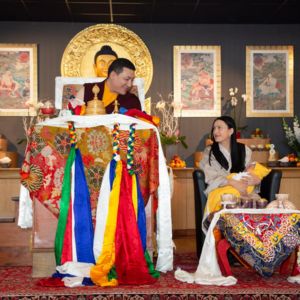
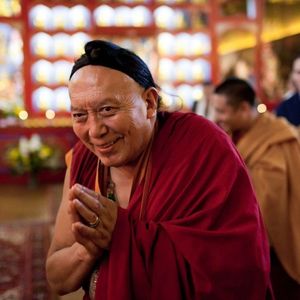
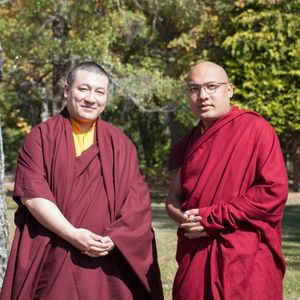
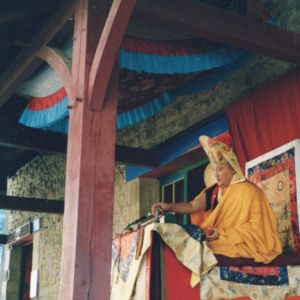
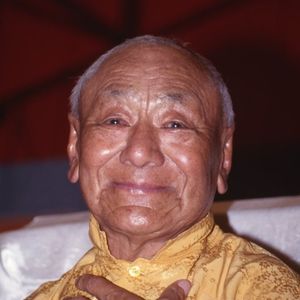
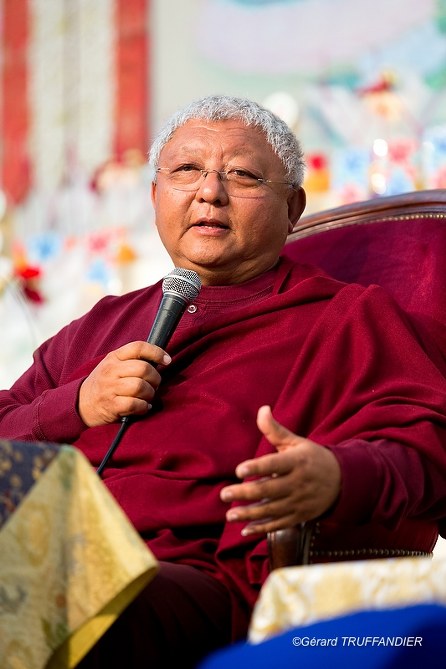
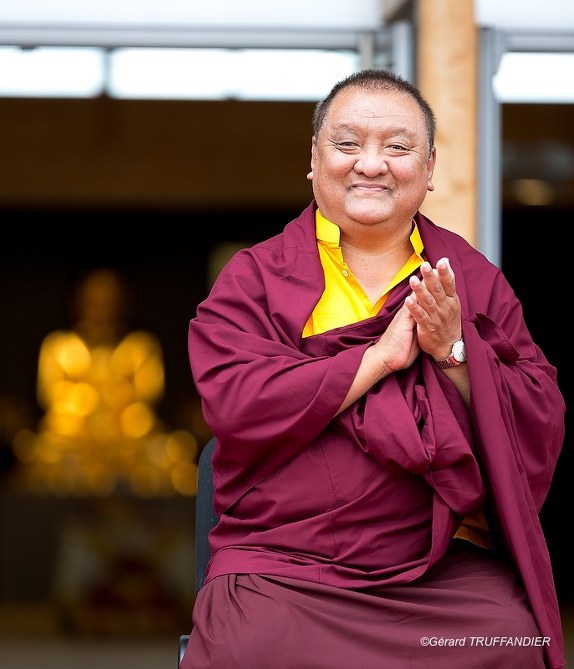
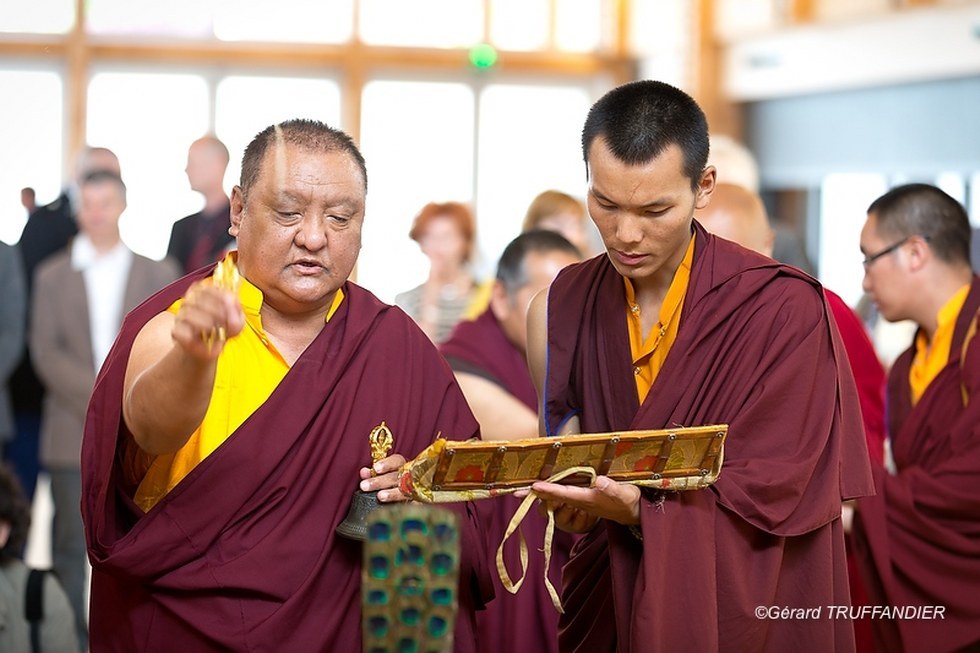
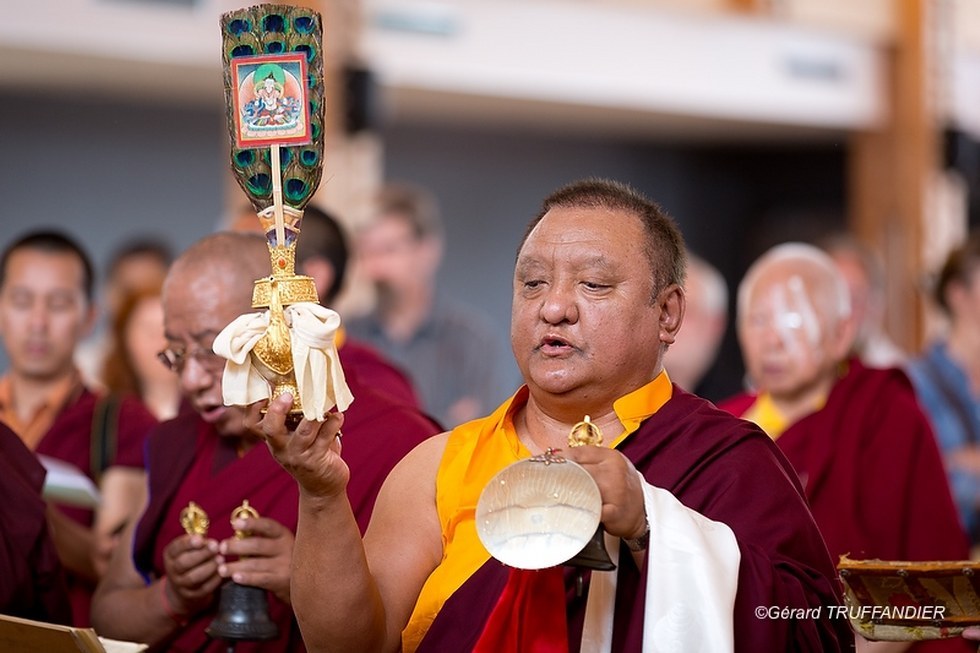
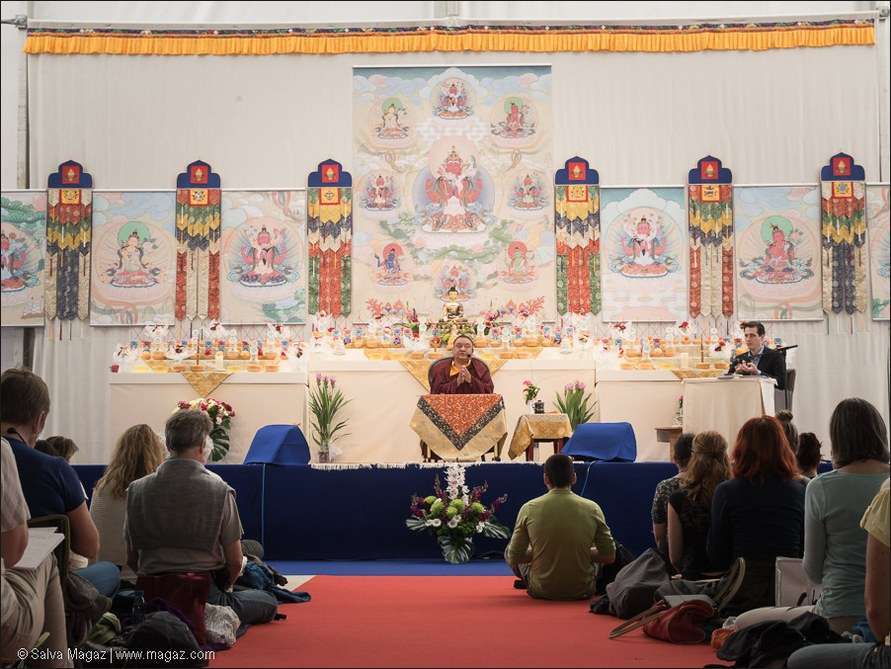
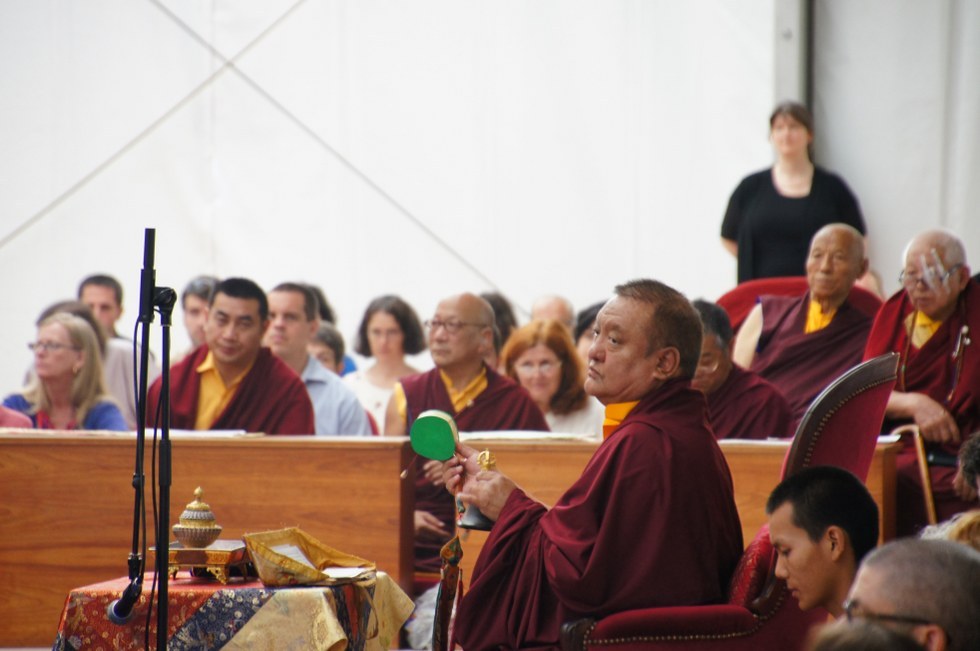
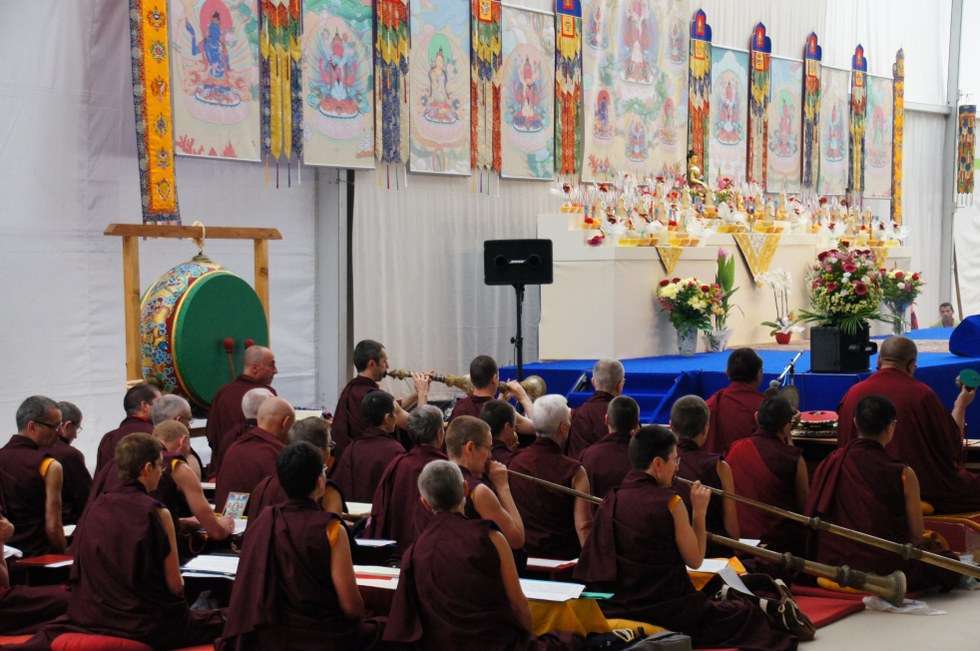
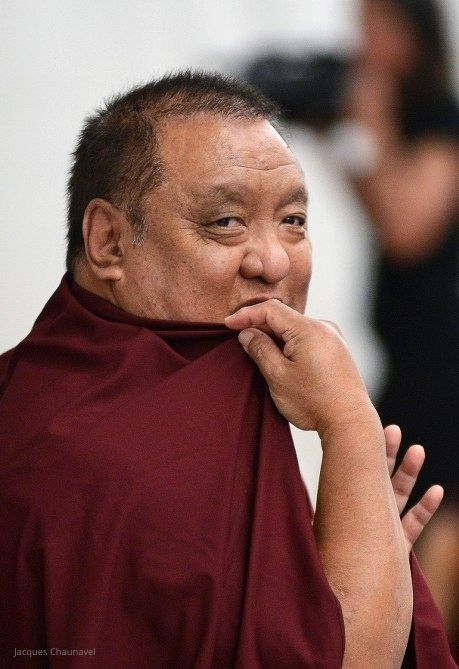
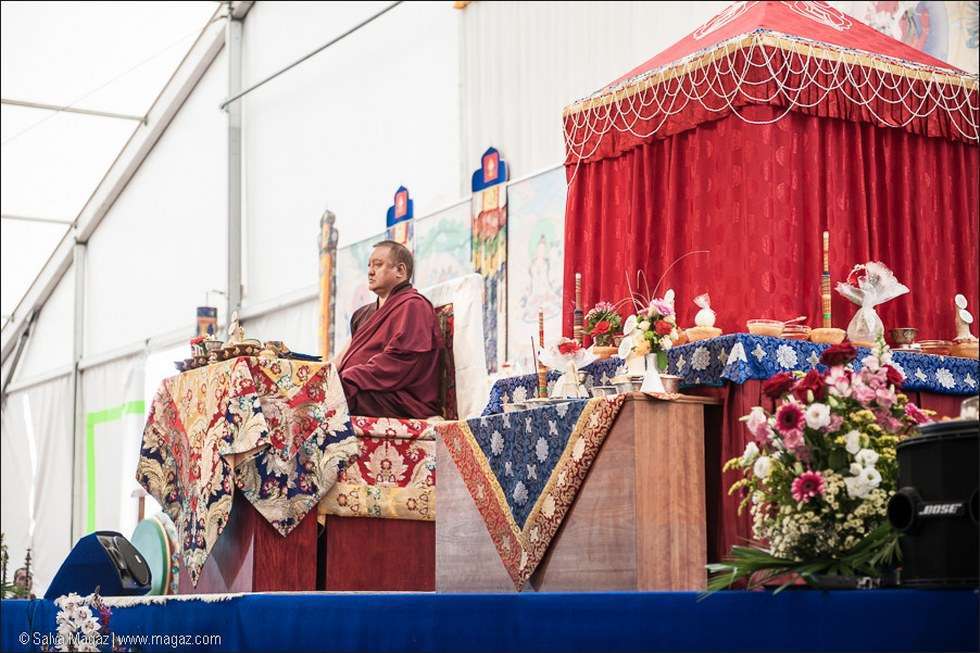
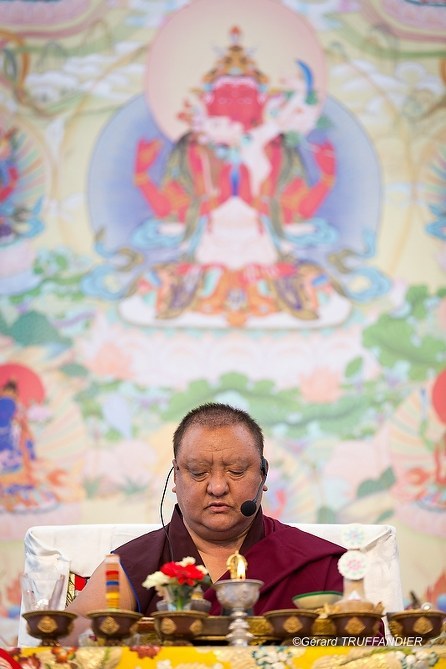
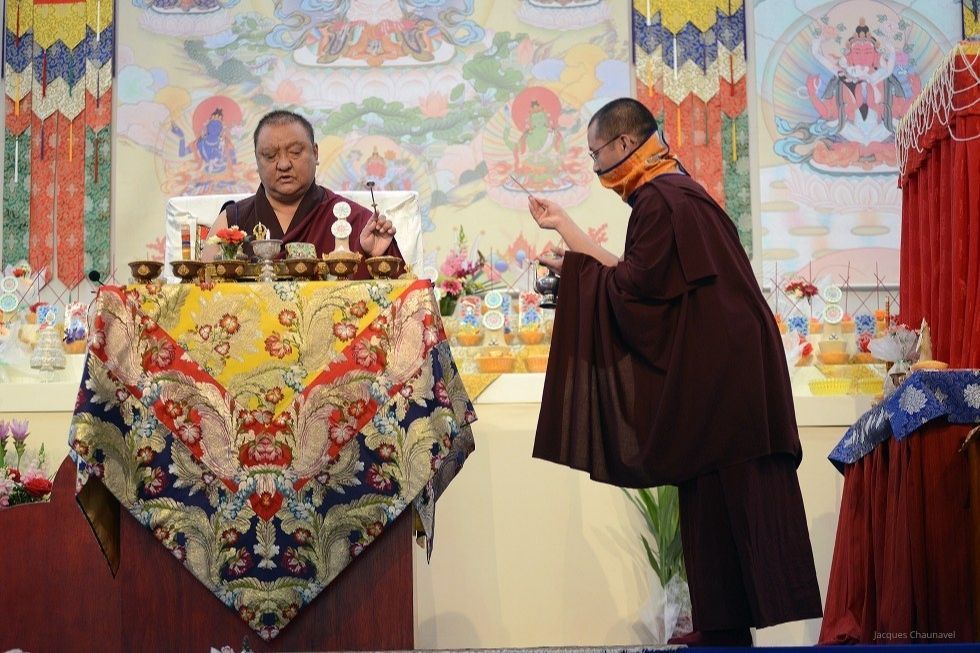
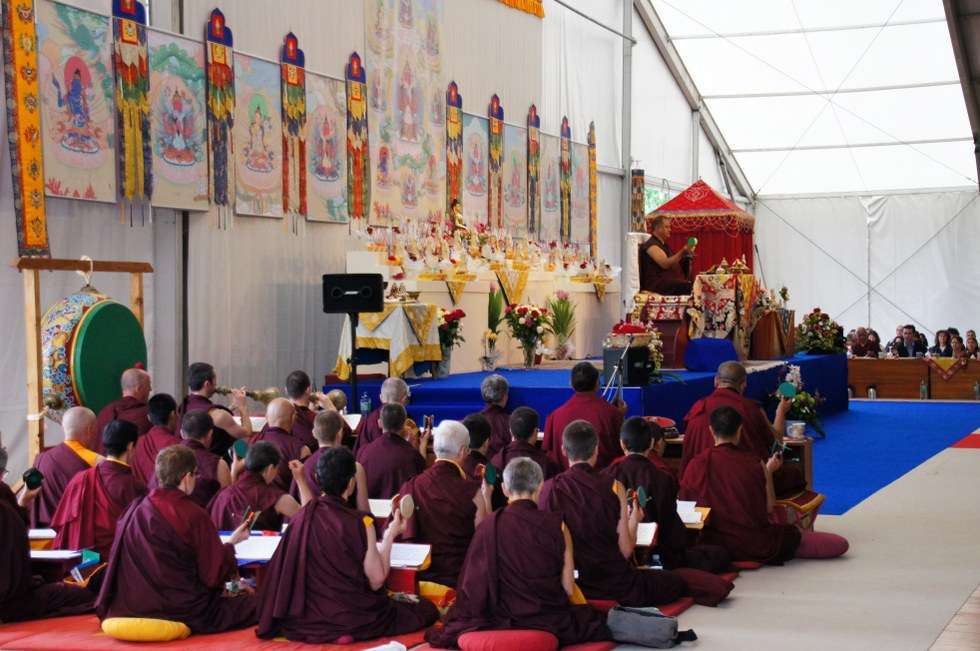
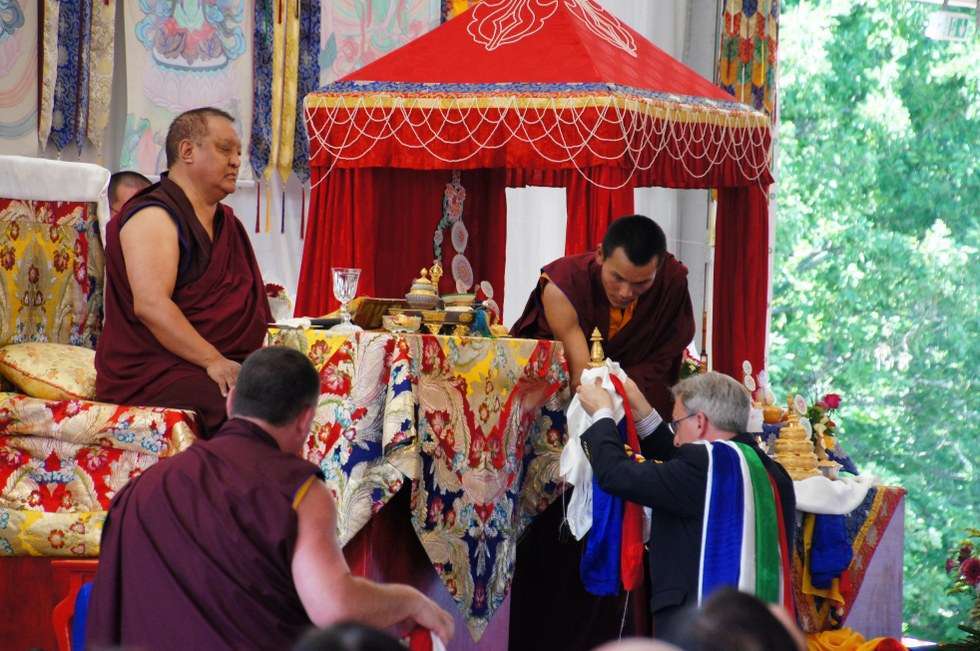
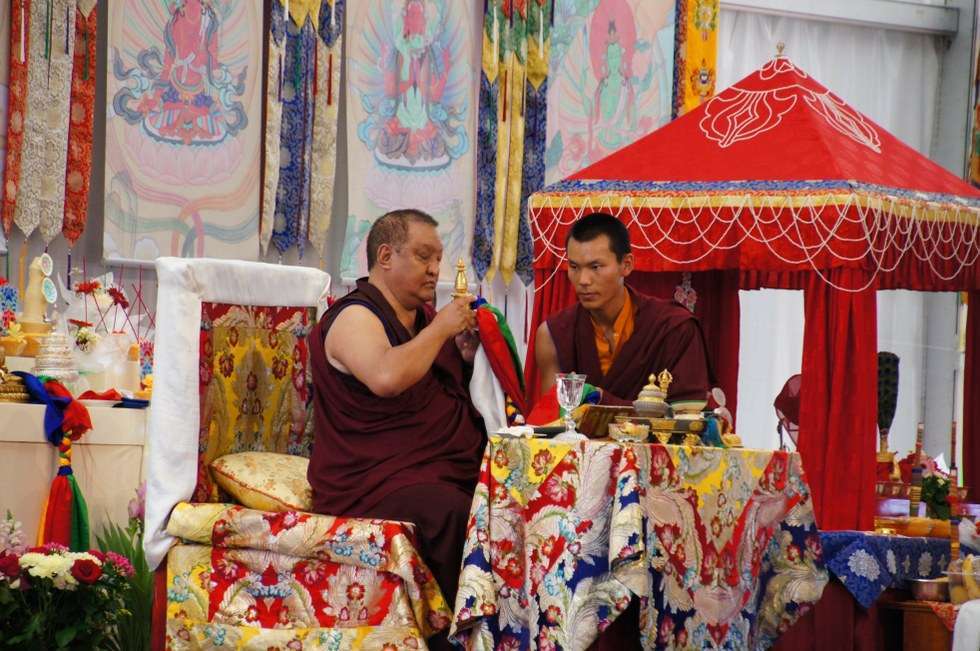
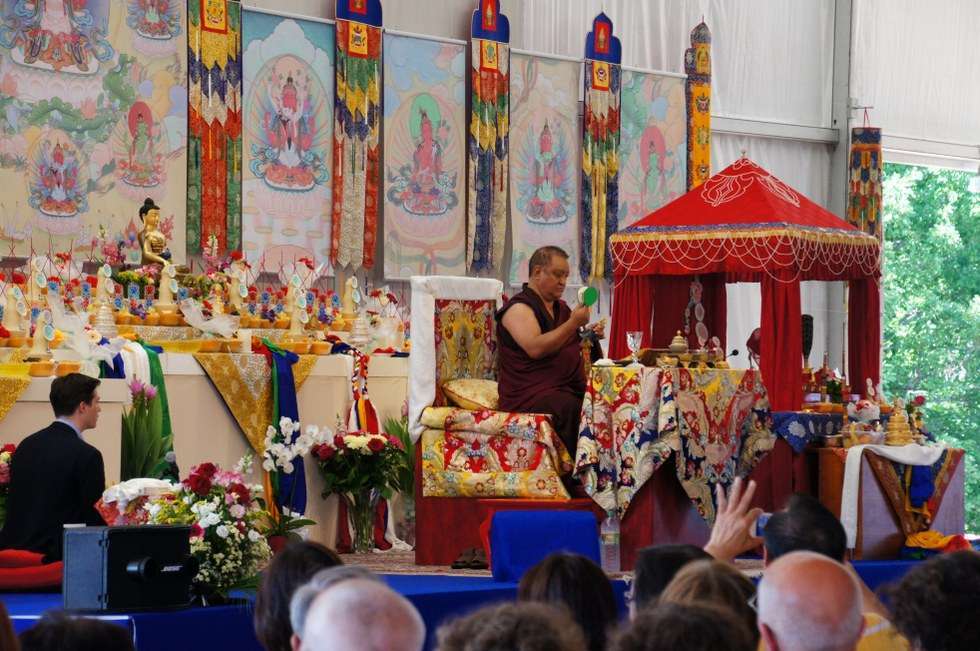
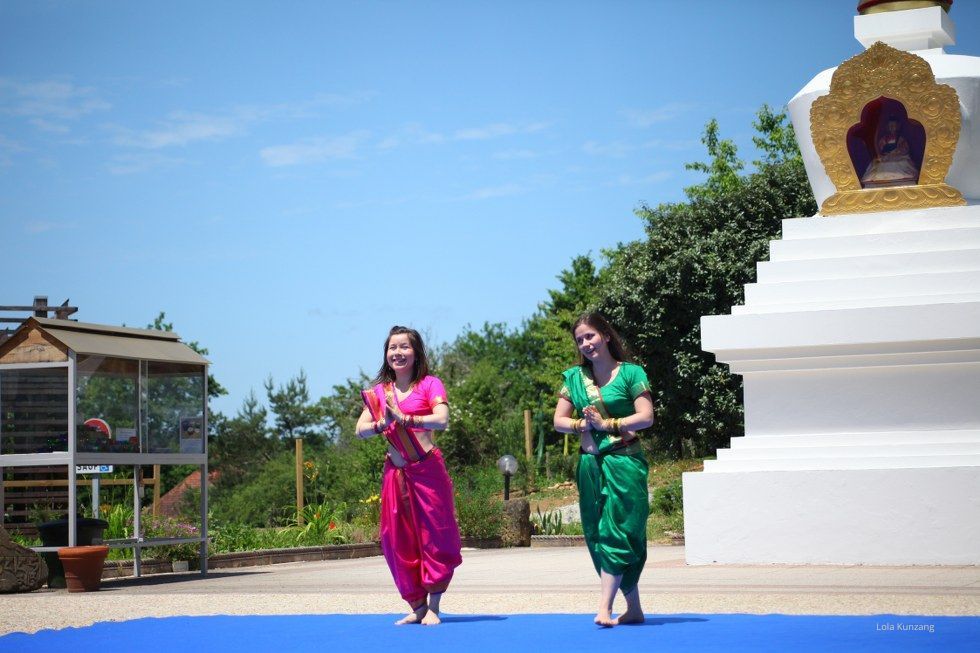
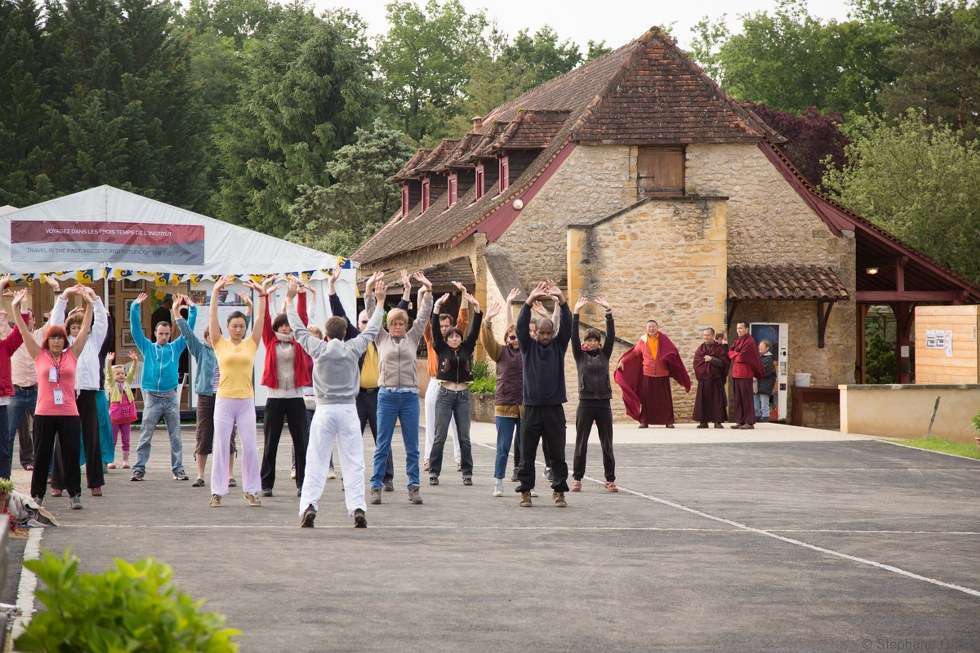
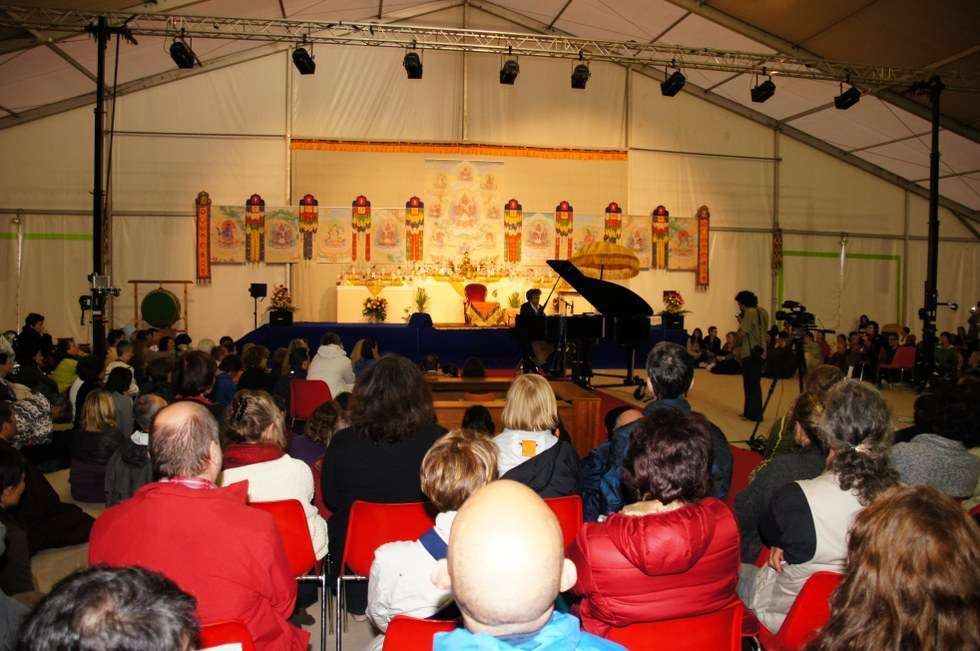
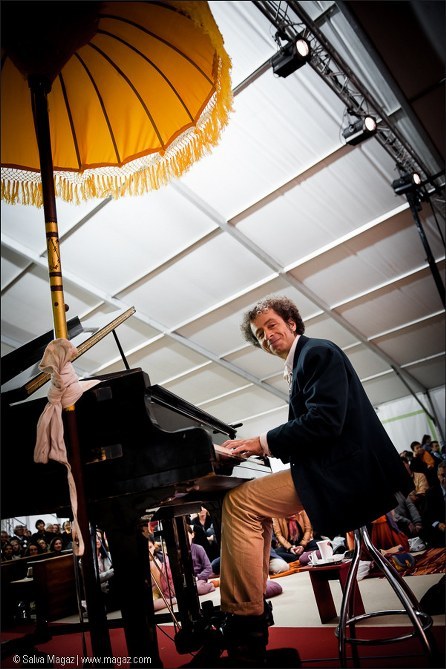
The inauguration took place June 13 to 16, 2013. Initially, Karmapa and Shamarpa both planned to be present. Unfortunately, Mipham Rinpoche’s failing health required Karmapa’s presence at his side. Shamarpa and Lama Jigme Rinpoche, with the support of Sherab Gyaltsen Rinpoche, Trinlay Rinpoche, Lama Teunzang, Lama Trehor and monks sent by Karmapa carried out the program of these unforgettable days. Shamarpa taught a fundamental text for practitioners of the Karma Kagyü lineage, the Mahamudra Wishing Prayer, by the 3rd Karmapa Rangjung Dorje, and he conferred Gyalwa Gyamtso empowerment to more than 1,600 people. In addition to this blessing-filled program, there were round tables organized along with a presentation of the history of how the empowerment of Gyalwa Gyamtso was transmitted through the lineage.
“This building is very well-designed, thought out by the team from that time—it is a reflection of the community’s maturity at a particular time. It was built in two years. There were no interruptions in construction for financial reasons, technical reasons or other causes. All the elements were brought together: companies, materials, money and intellectual power of reflection. Thus things happened naturally,” said Nicolas. He commends the fact that the Institute brings people together in a single building: the library, reading room, accounting, maintenance, study hall, secretary desk. “People gather in a single place, see each other and exchange. This helps community cohesiveness. Allowing people to work together is one of the virtues of this building. And when everything is brought together in one place, we also save on building costs.”
Twelve years later, during the Chenrezig Study and Meditation Curriculum Course in May 2025, Lama Jigme Rinpoche emphasized the Institute’s vocation of allowing to share the Buddha’s teaching in an authentic way and to learn together,
Some people find meaning in listening to Buddhist teachings. Some wish to contribute by repeating or giving teachings themselves. This combination participates in the accumulation of merit—that of bringing the Dharma here to this region of the world. The Institute develops its qualities in a very simple way, year after year, which leads to a very important result. A kind of mutual support takes place, allowing to combine Dharma study and practice based on experience. This development takes place naturally.
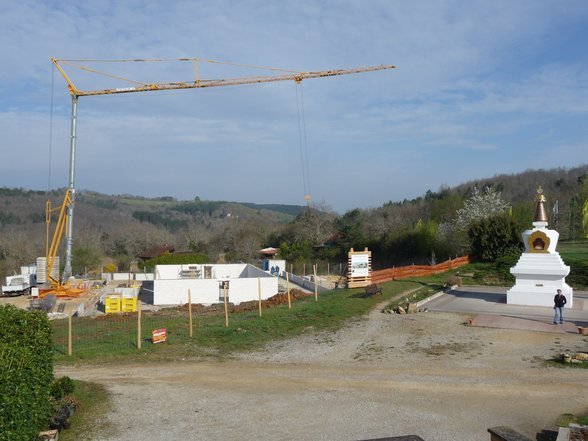
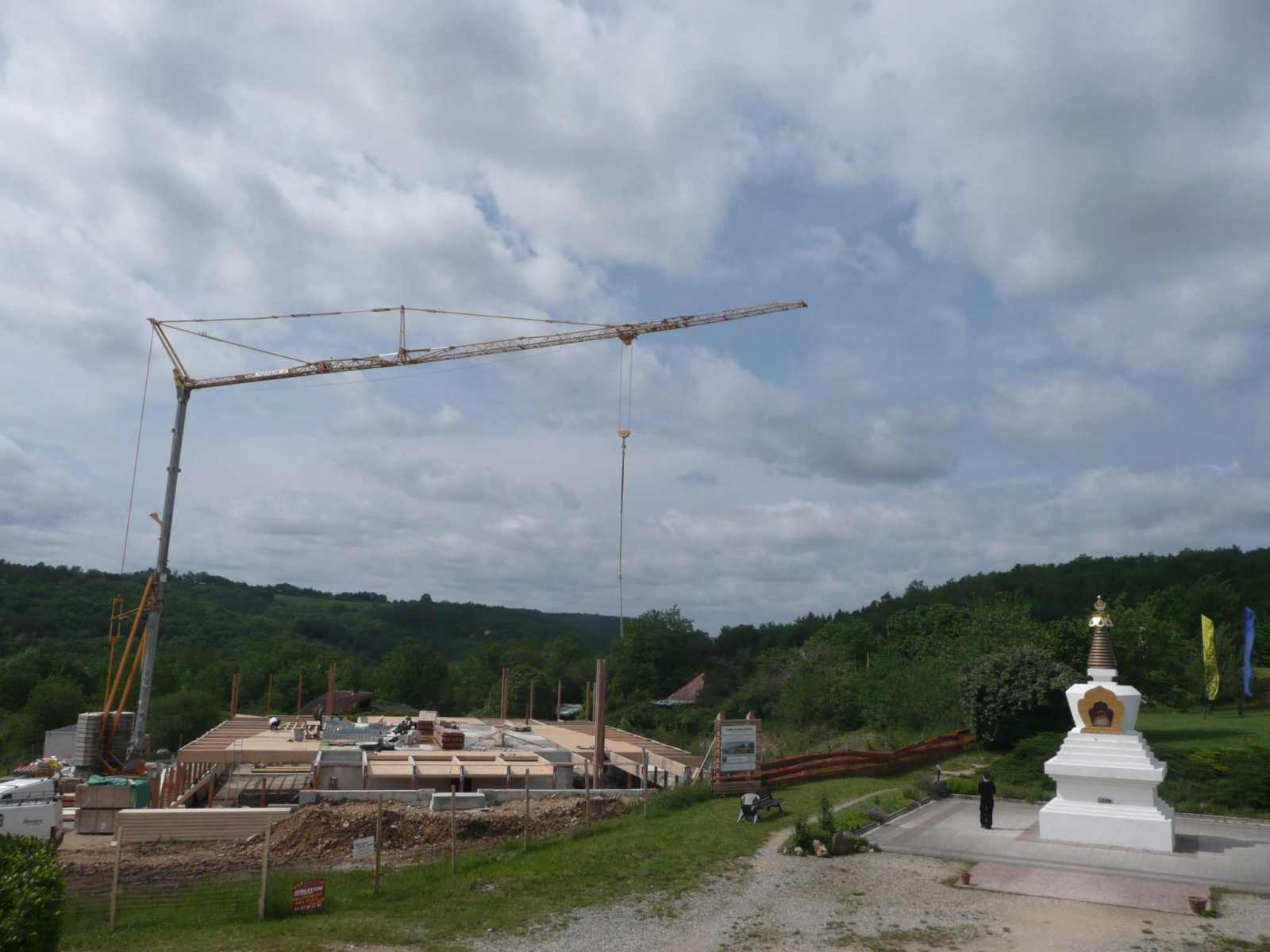
The building of the future Institute


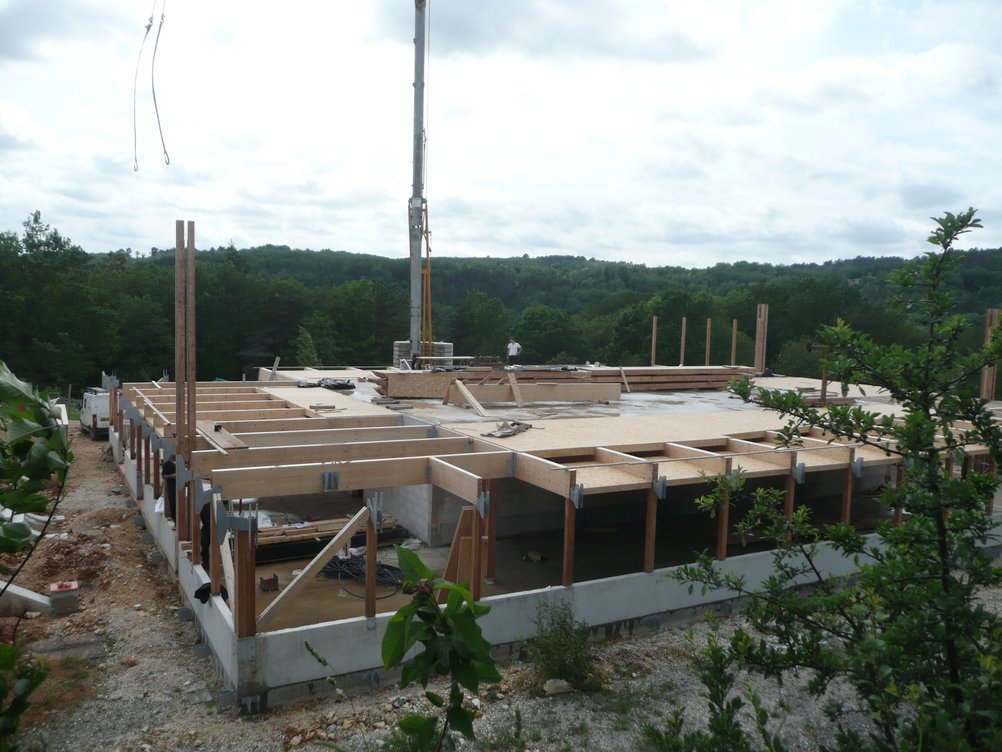
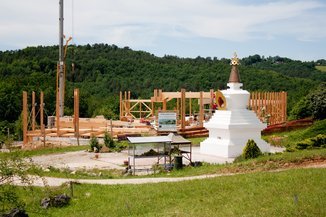

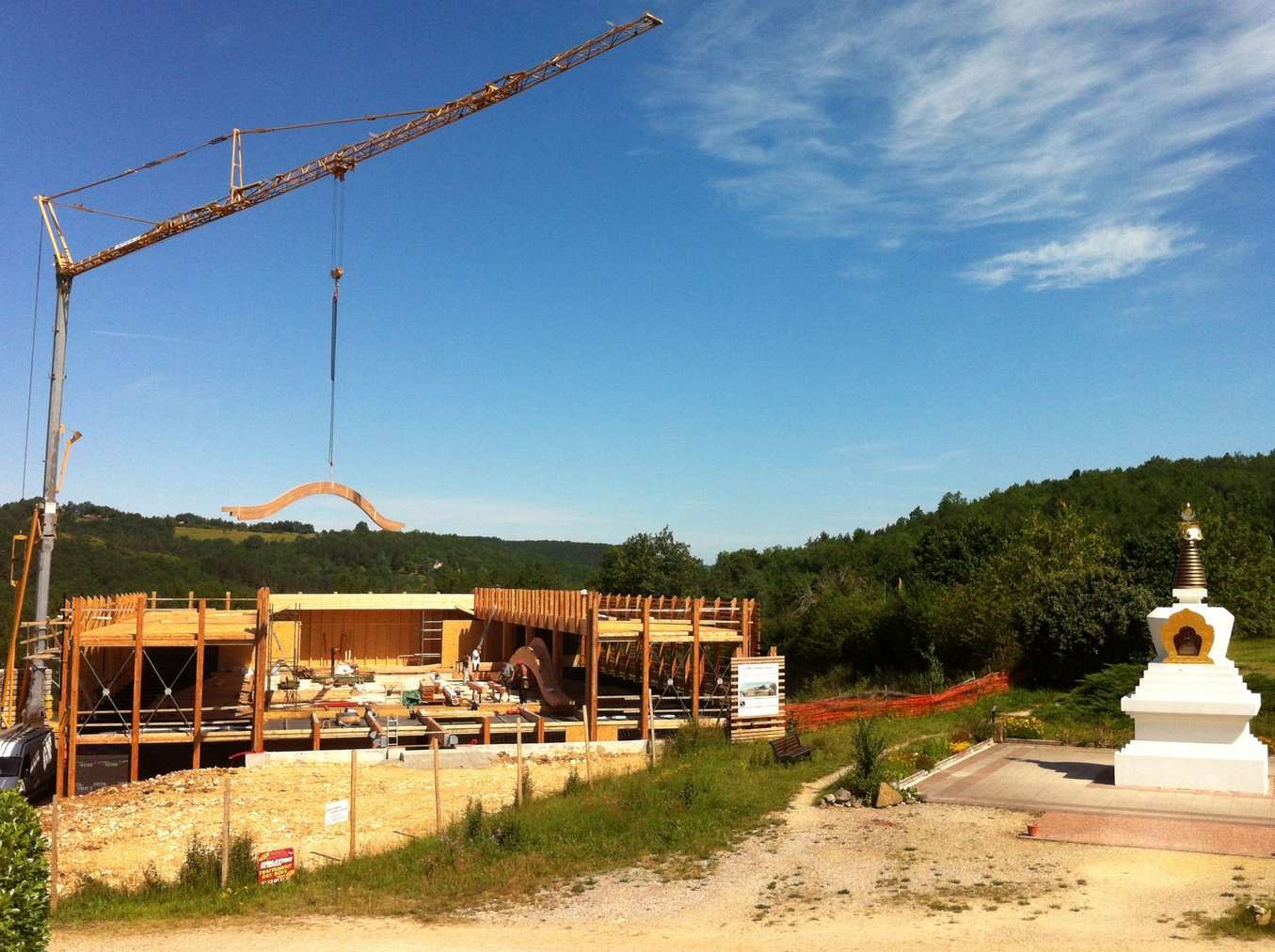

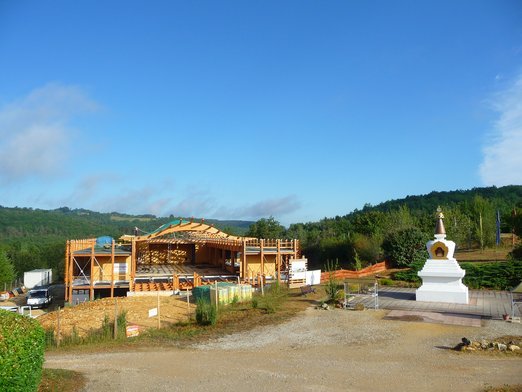
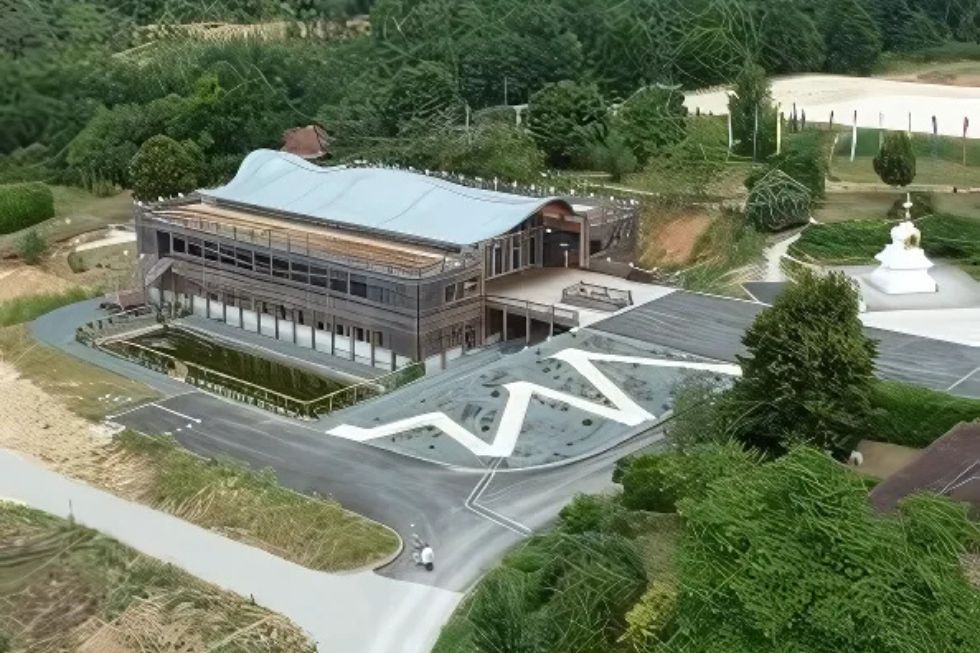
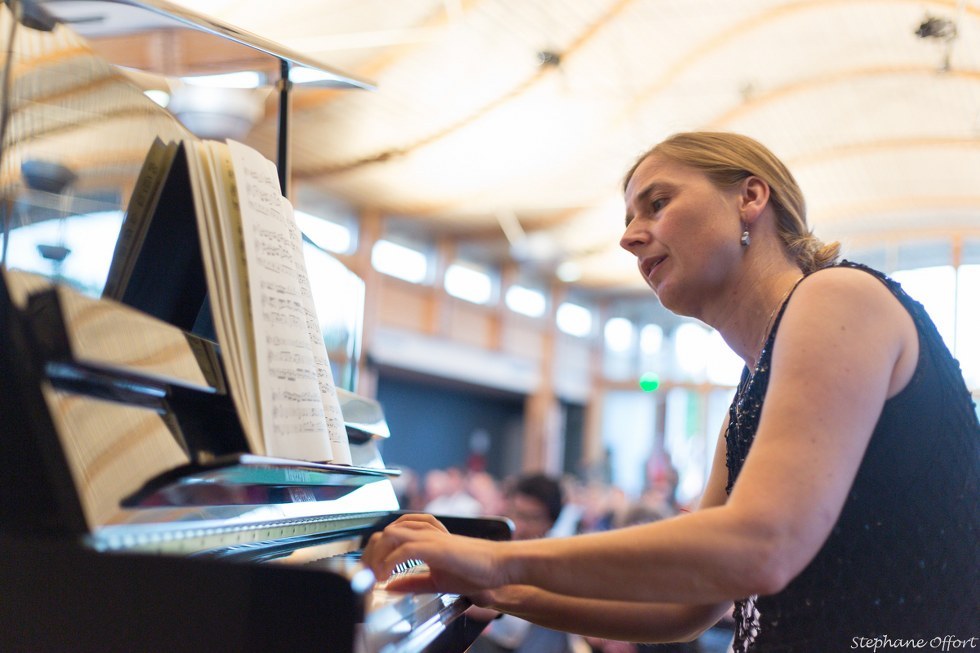
The Inauguration of Dhagpo Kagyu Ling’s Institute

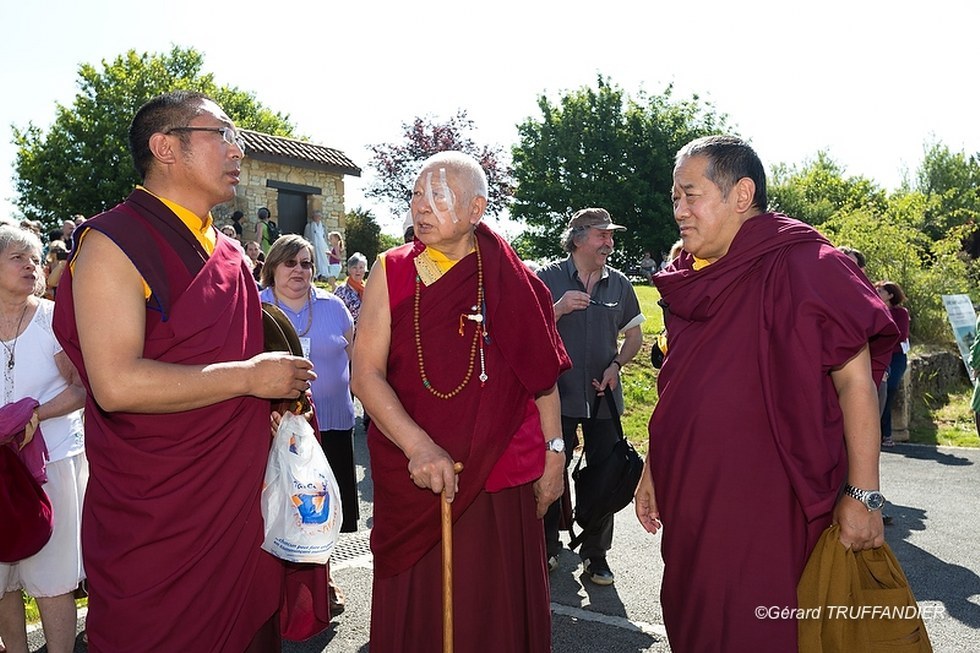

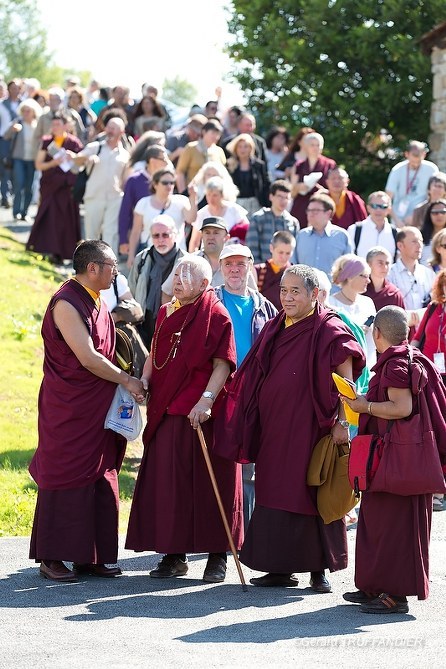


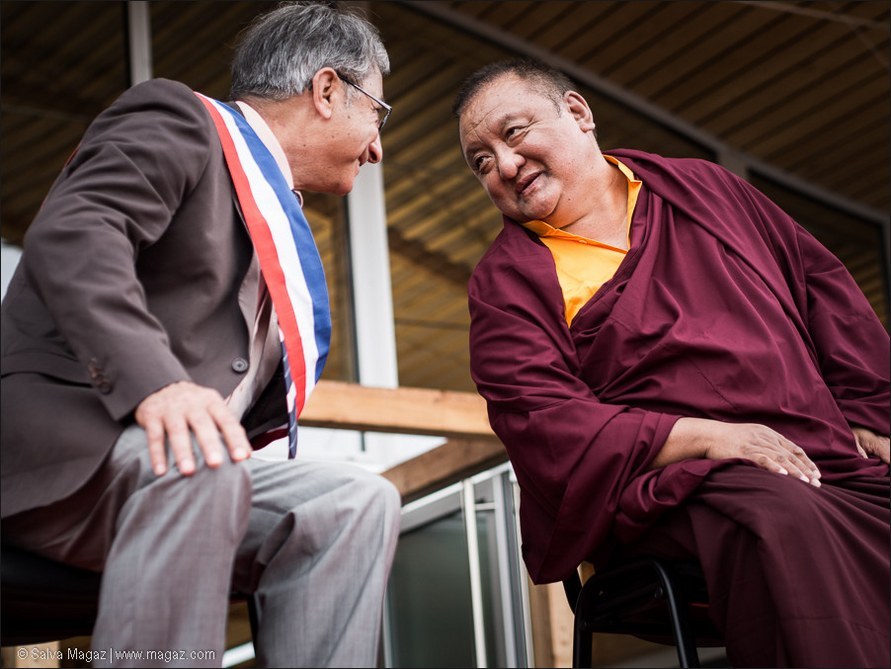







































These photos come from our archives or were collected as part of the research for Dhagpo Kagyu Ling’s 50th anniversary. We have not been able to identify all the authors. The use of these photos is solely for informational purposes within the context of Dhagpo Kagyu Ling’s 50th anniversary celebration. Their use is limited to this event and our website and is not for commercial purposes.
Event
The retreatants’ arrival to Dhagpo Kagyu Ling as well as the Institute’s consecration will be marked by a day of practice at Dhagpo Kagyu Ling, followed by a friendly tea-time get together on June 13.
This event takes place only onsite.

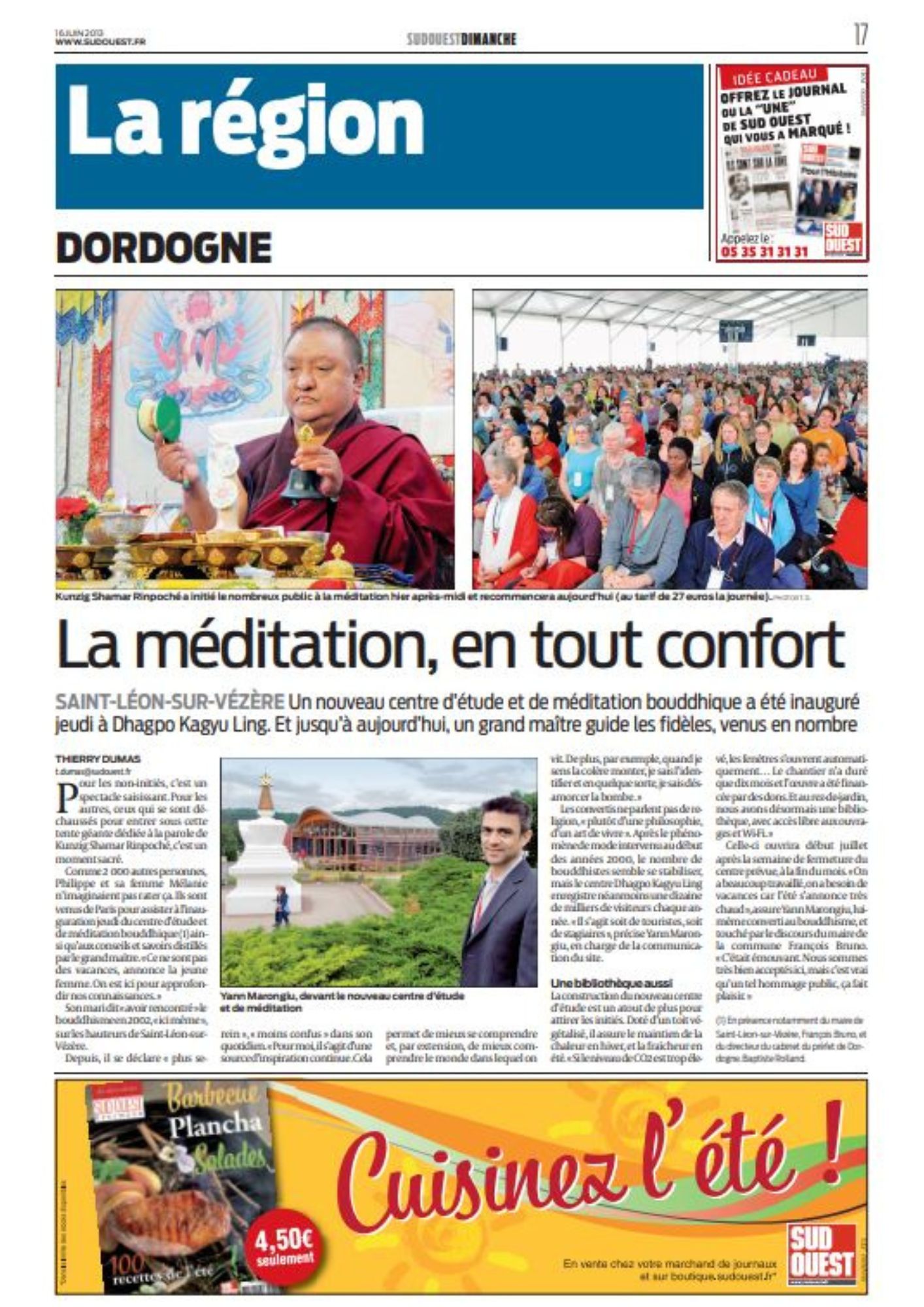
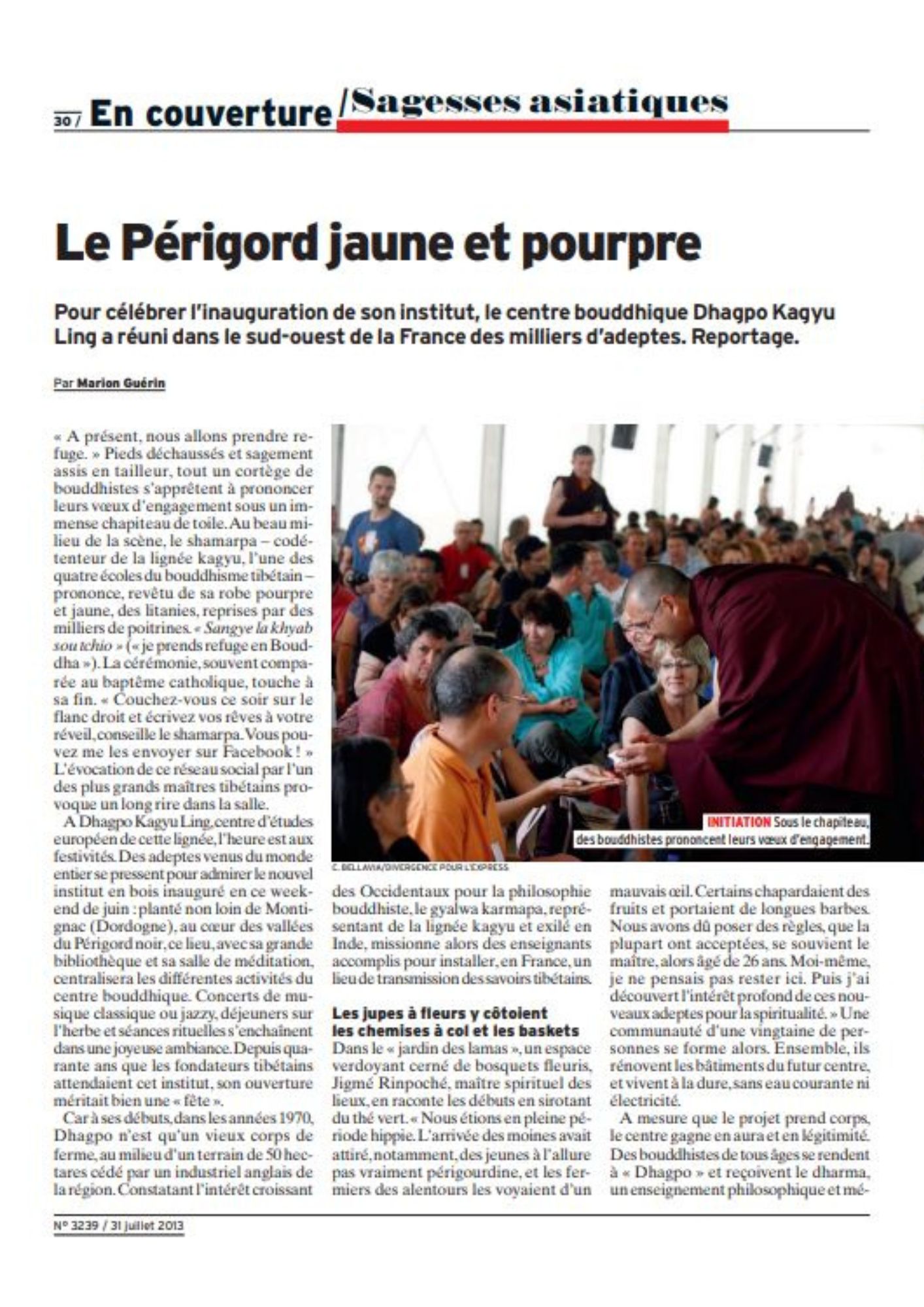
Les discours de l’inauguration
Künzik Shamar Rinpoché, Détenteur de la lignée karma kagyü du bouddhisme tibétain
Jean-Guy de Saint-Périer, Président de l’association Dhagpo Kagyu Ling
M. François Bruno, Maire de Saint-Léon-sur-Vézère
M. Jacques Cabanel, Représentant du Président du Conseil général
M. Baptiste Rolland, Sous-préfet de Dordogne
These photos come from our archives or were collected as part of the research for Dhagpo Kagyu Ling’s 50th anniversary. We have not been able to identify all the authors. The use of these photos is solely for informational purposes within the context of Dhagpo Kagyu Ling’s 50th anniversary celebration. Their use is limited to this event and our website and is not for commercial purposes.