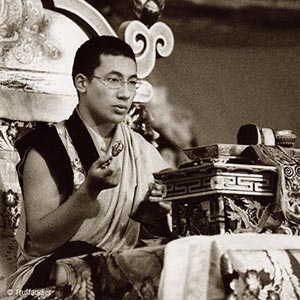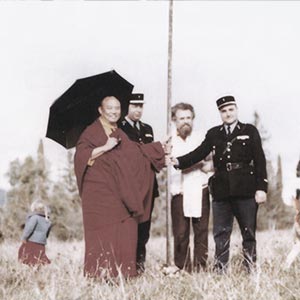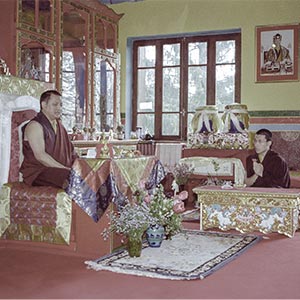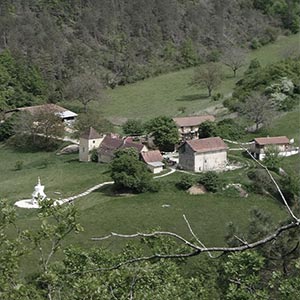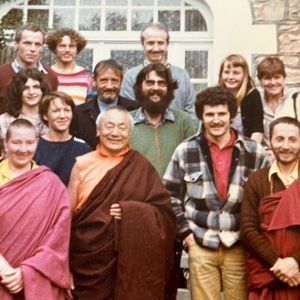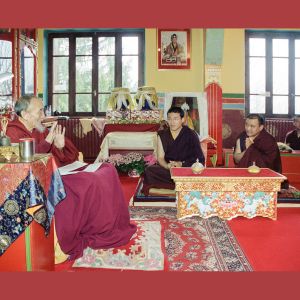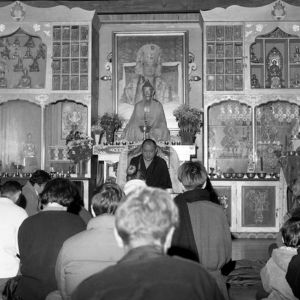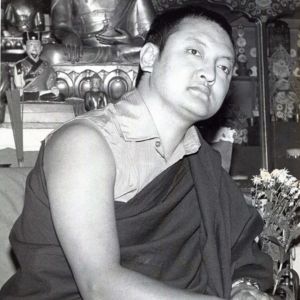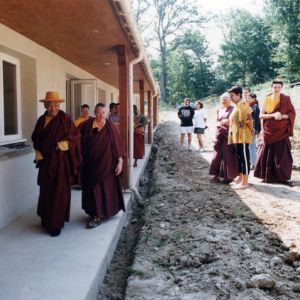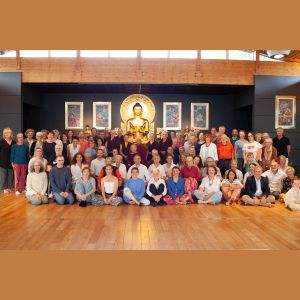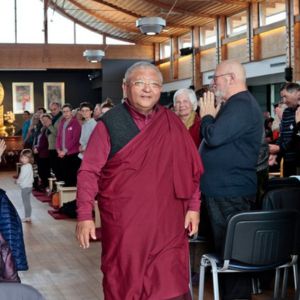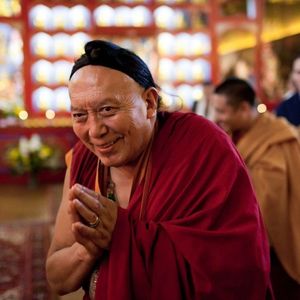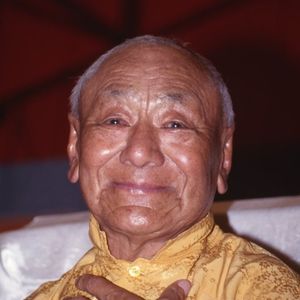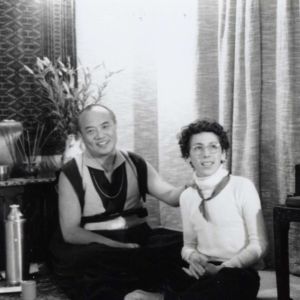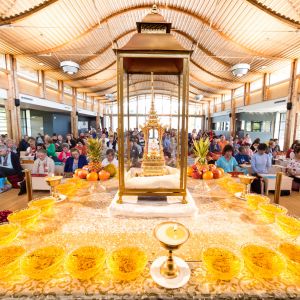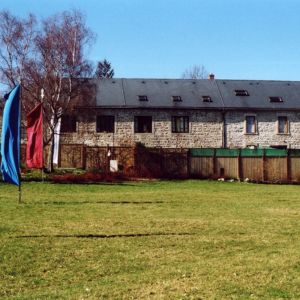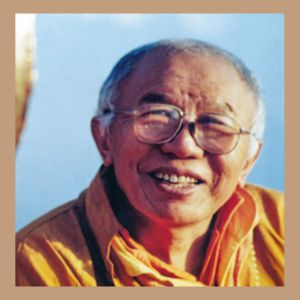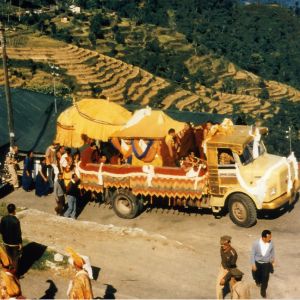
In March 1984, Kundreul Ling Monastery hosted its first traditional three-year retreat. Among the retreatants was Nicolas H., then a cook, who expressed his wish to Lama Gendun Rinpoche from the very start: to build a stupa on the site. “It would be nice if we could build a stupa at Kundreul Ling, because there are only five flags planted at the entrance,” he recalls. For him, this place was more than just a retreat center. Even the 16th Karmapa had stayed there, and its unique character needed to be marked by a monument steeped in Buddhist tradition.
At the same time, Thierry C., the administrator of the site, concerned about the state of the finances, went to Lama Gendun Rinpoche and explained the delicate financial situation, “What should we do, Rinpoche, we’ve already spent almost all the money set aside for coming month ?” He replied, “Take the little money that’s left and build a stupa with it.” We were greatly surprised: instead of showing us how to find money, he showed us how to spend more. He explained, “When you’re short of money, the cause is that you haven’t been generous enough. (1)” So we began to build the stupa.
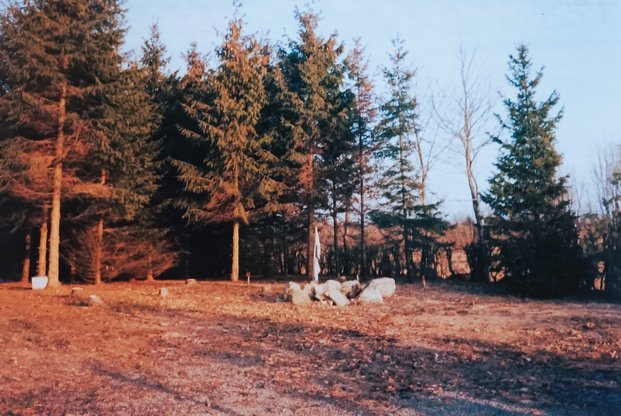
Gendun Rinpoche designated a specific location at the north of the site, explaining that this area, considered unfavorable, would be harmonized by the presence of the stupa. At that time, there were only three stupas in Europe: one in Plaige, another under construction at Karma Mingyur Ling (in Montchardon), and the stupa of enlightenment in Kamalashila, Germany, built by Tenga Rinpoche.
Finding the Plans and Adapting the Standards
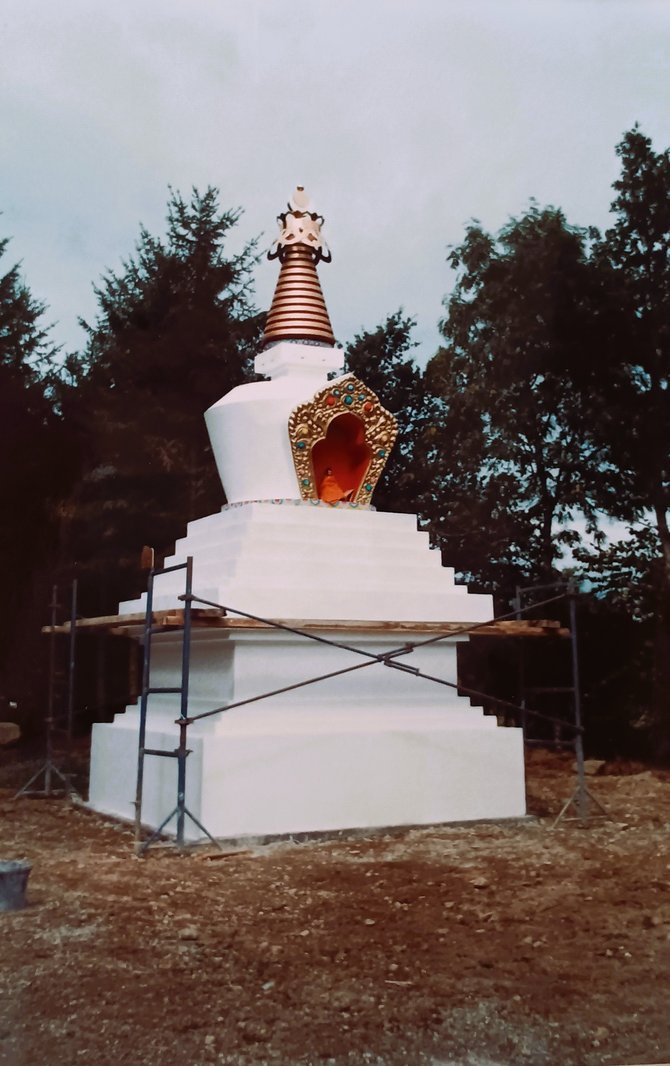
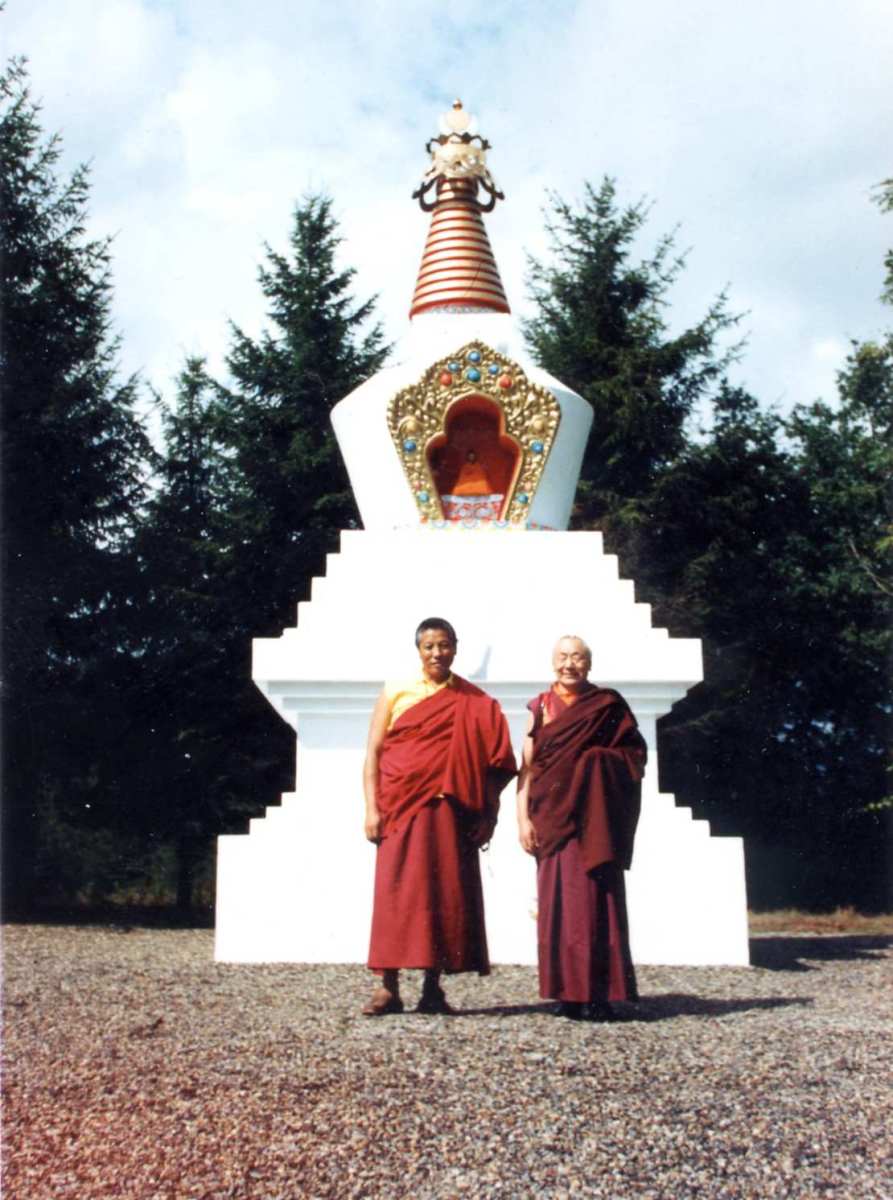
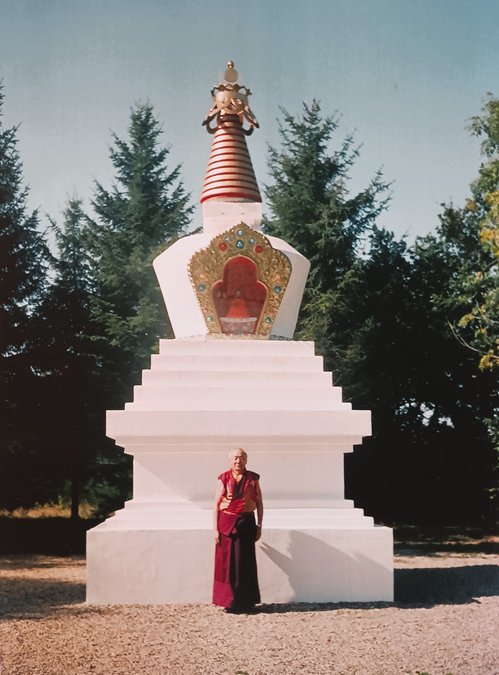
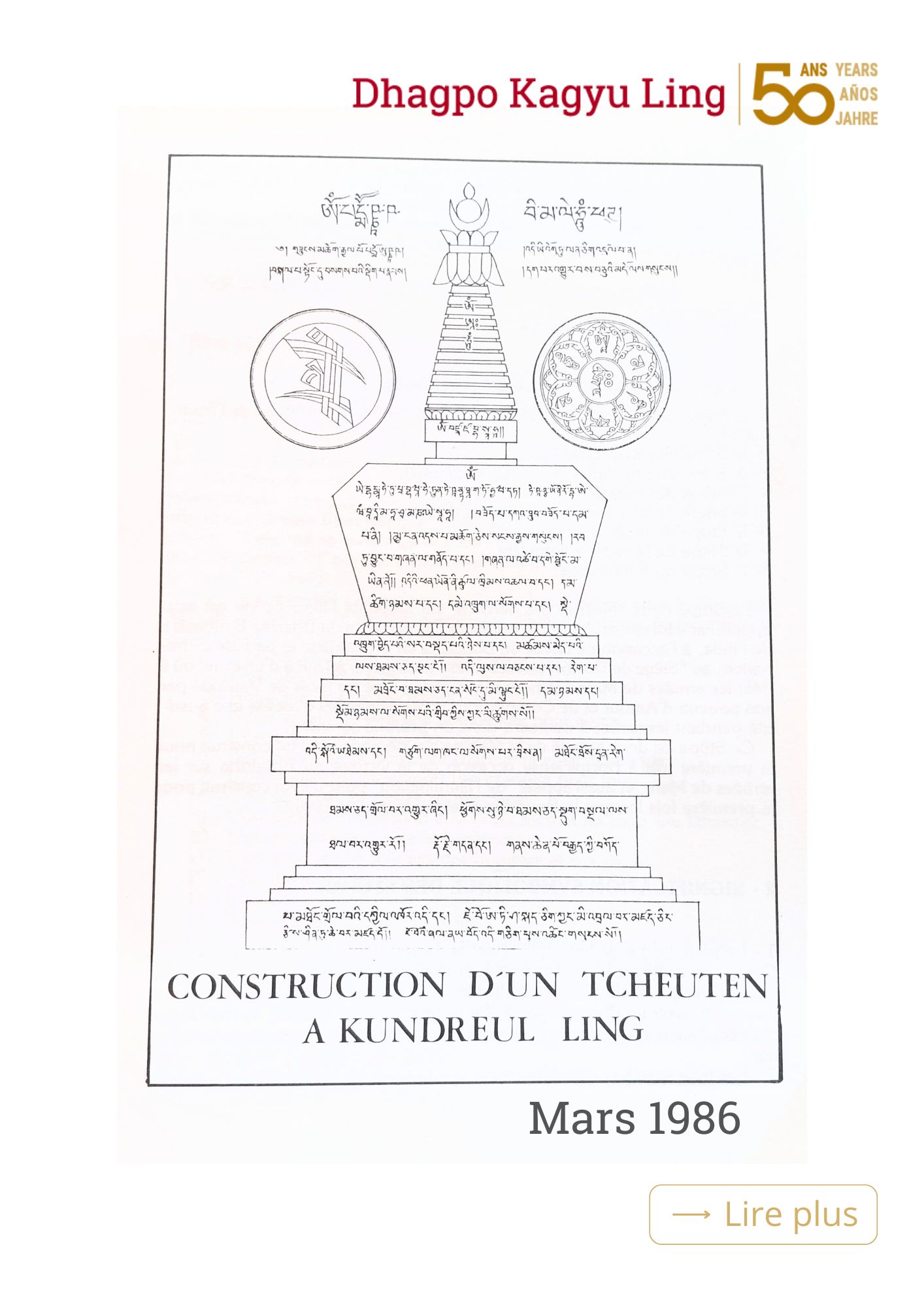
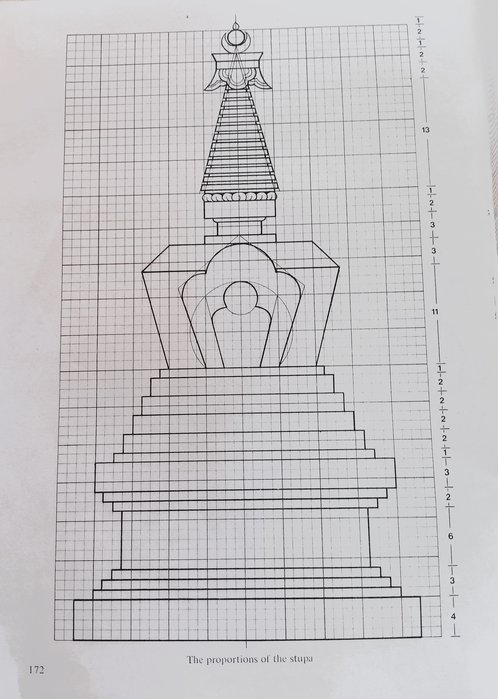
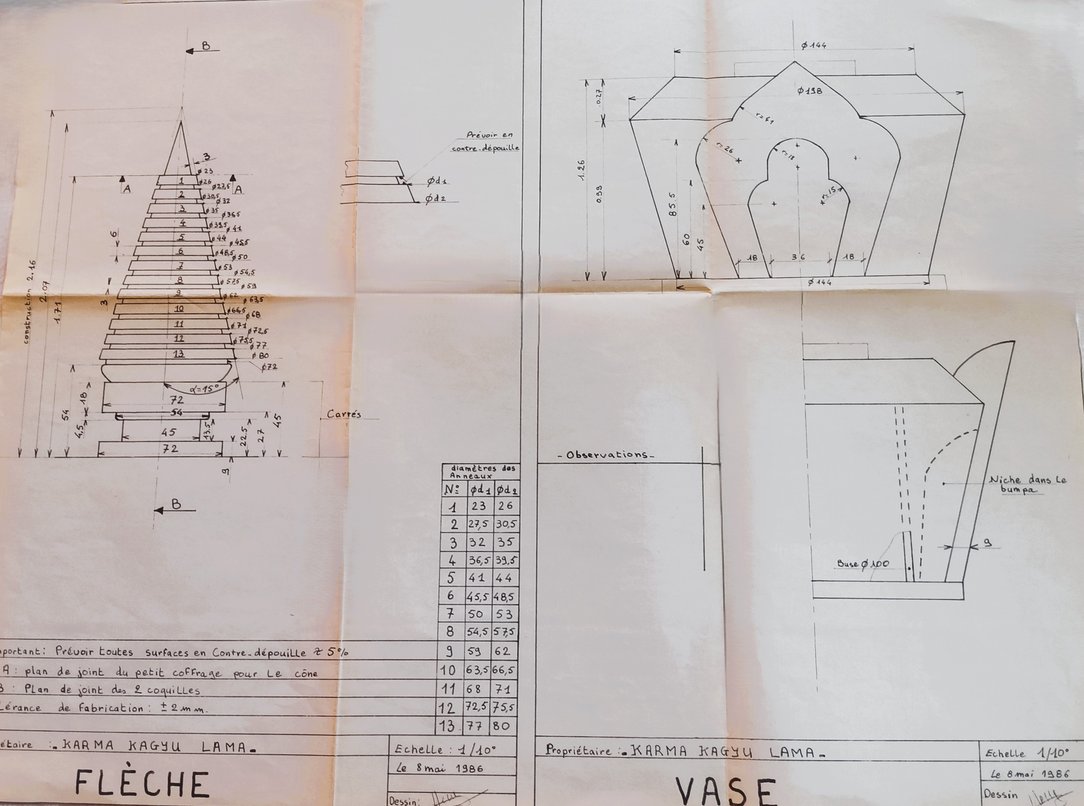
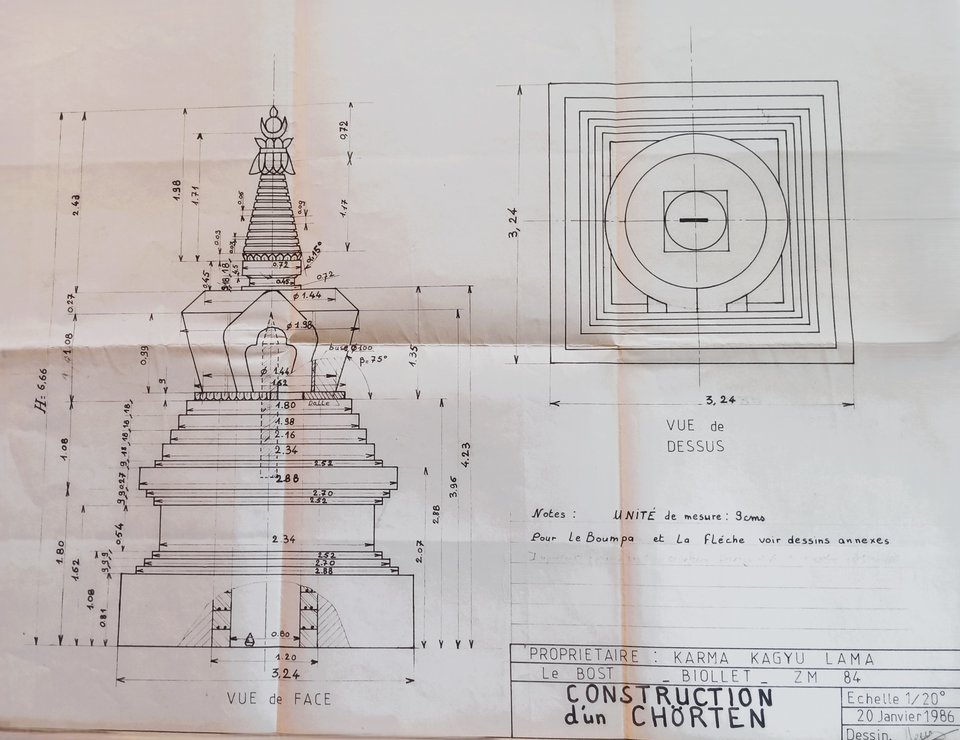
“We started from scratch,” says Nicolas. He found a book by the painter Gega Lama, which presented the eight types of stupas with their canonical proportions. He drew up the plans for the stupa of enlightenment, constrained by regulatory requirements: a maximum height of 7 meters and a volume of less than 40 cubic meters. The Kundreul Ling stupa measures 6.66 meters.
Without the internet, information had to be gathered from books, the telephone, and a few key contacts. Nicolas traveled to Montchardon to seek advice from Lama Teunzang and his assistant Frédérique C. Lama Gendun and Lama Thubten of the KTT center in Laghet provided all the information needed for the contents of the stupa.
The stupa, chörten in Tibetan (མཆོད་རྟེན།), is a vessel for accumulating merit.
During their rare moments of rest, all the retreatants, both men and women, were asked to make tsa-tsas in order to place these figurines representing the Buddha inside the stupa. The following were made:
- 1,000 bas-reliefs of long life,
- 300 large tsa-tsas,
- and 200 small tsa-tsas decorated with eight stupas.
Inside these tsa-tsas, dharanis (or zung in Tibetan) were also placed.
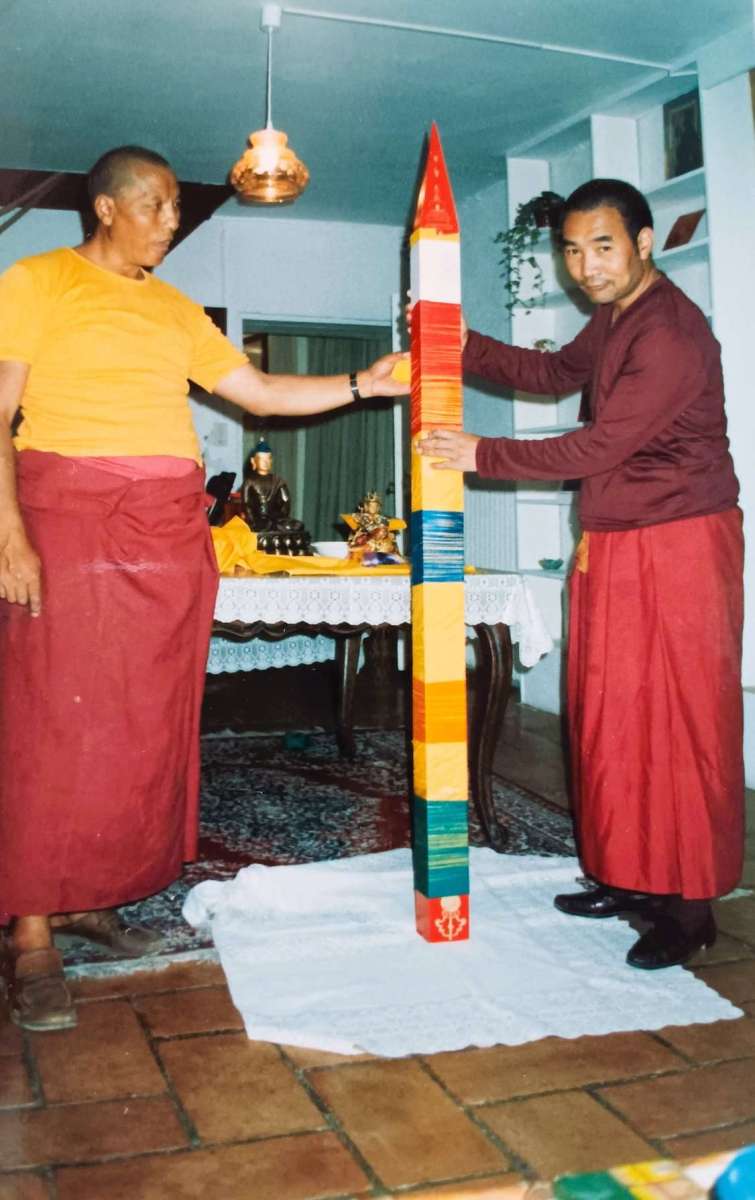
The soshing, the central pole or tree of life, containing sacred substances, was crafted from a fir tree chosen by Lama Gendun Rinpoche, respecting its original orientation and carved into four sides symbolizing the cardinal directions.
A Collective Worksite
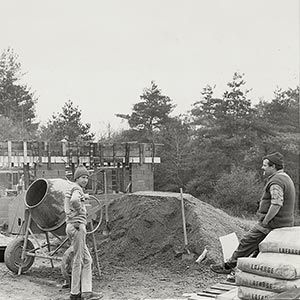
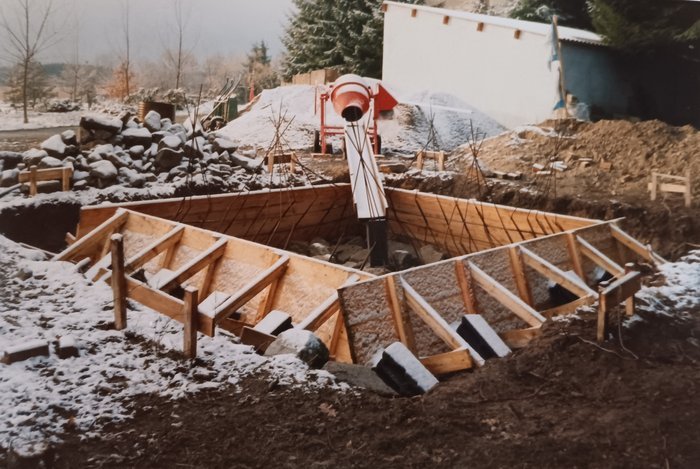
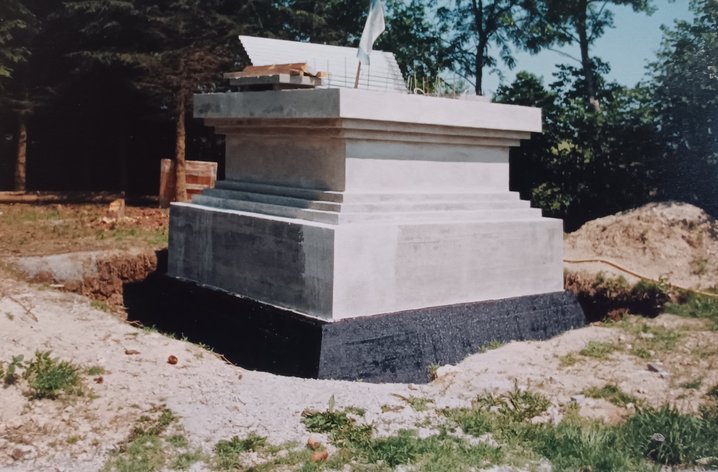
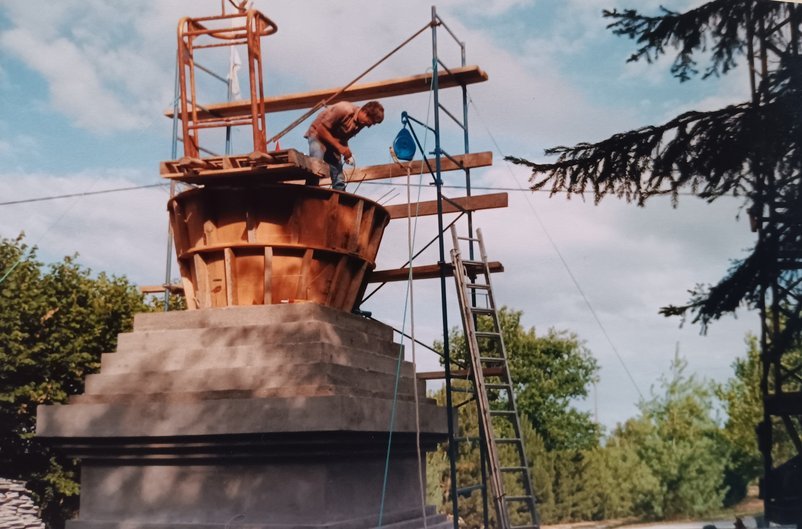
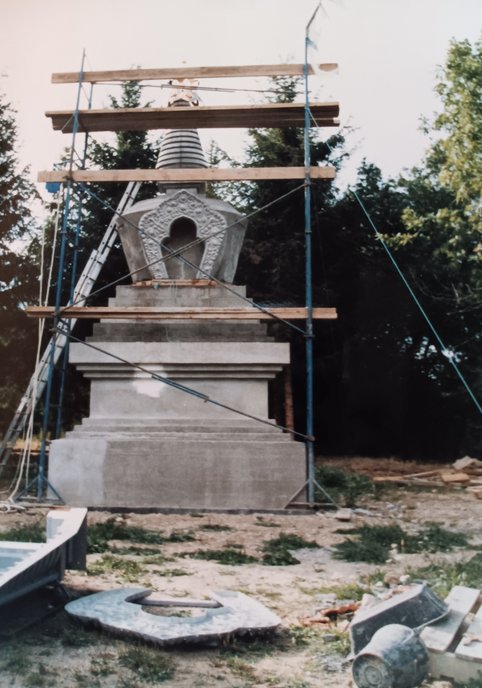
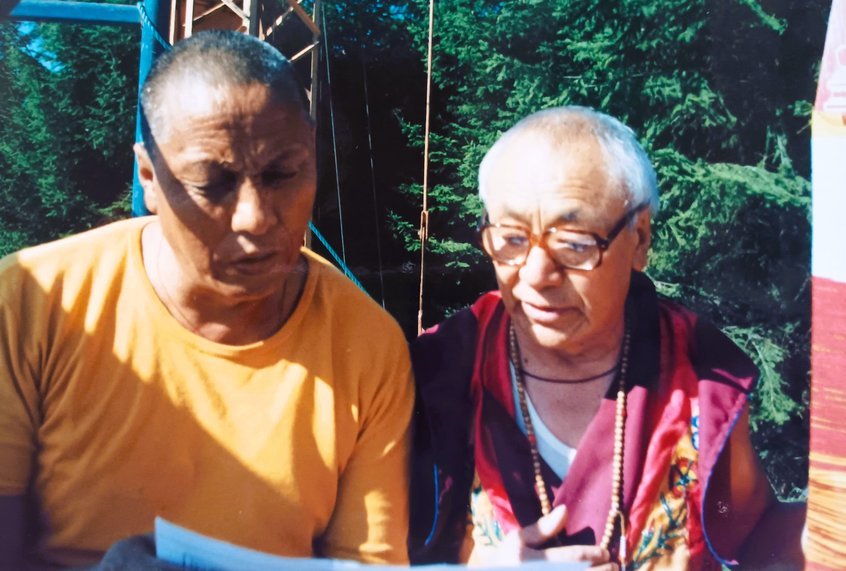
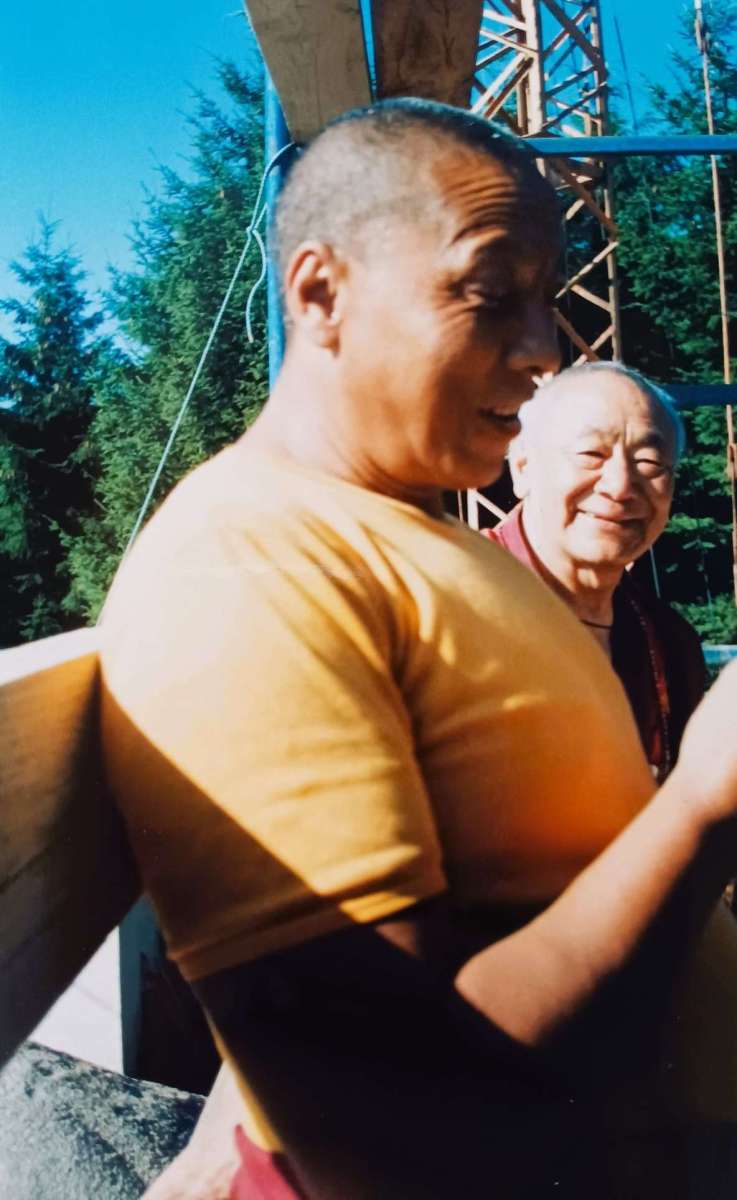
With the exception of the foundation work, which was entrusted to a craftsman, everything was done on site: formwork, reinforcement, concrete. The three main workers—Nicolas H., Jean-Luc B., and Thierry C.—worked together, some sourcing materials and Nicolas designing.
Thierry recalls: “Gradually, word of the project spread and donations began to pour in.” A simple brochure was produced to continue collecting donations. The overall financial situation of the site began to improve.
Ritual stages
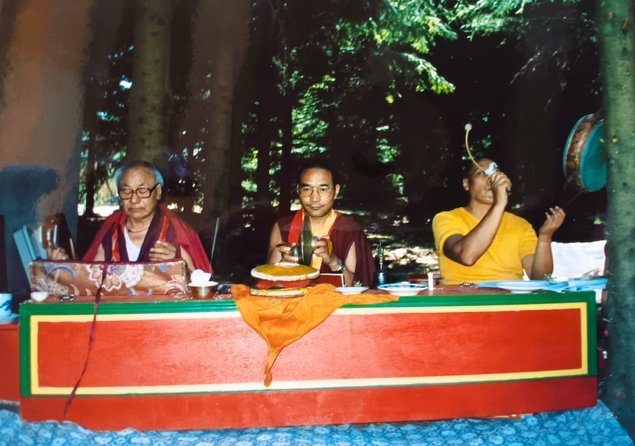
Each phase of construction was punctuated by the consecrations and rituals necessary for the stupa to be an effective support:
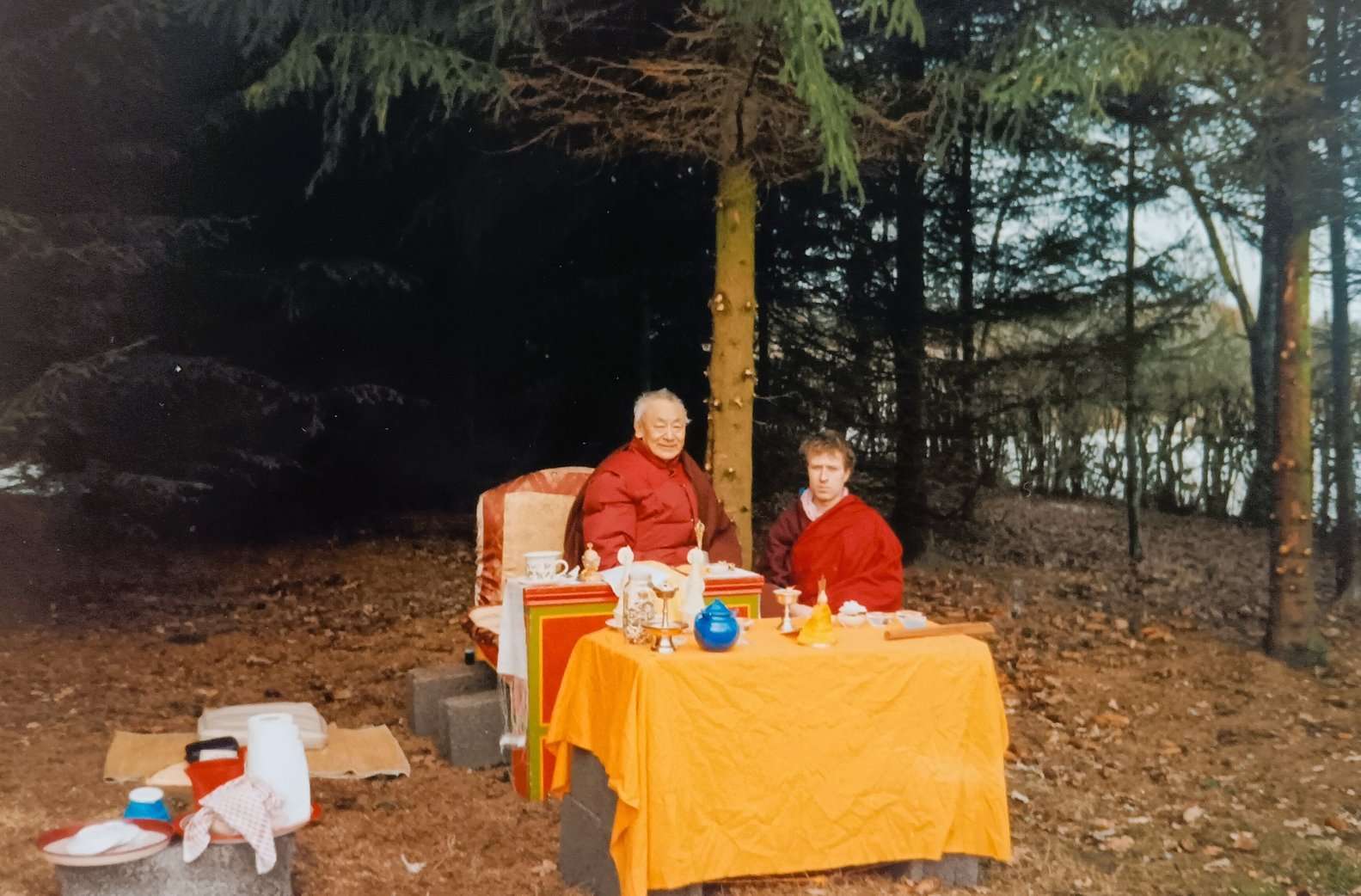
- The land was blessed by Lama Gendun Rinpoche.
- The base received a mandala composed of symbolic objects—a vase of wealth, food, medicinal herbs—intended to protect beings from famine, war, and poverty.
- The tsa-tsas were consecrated in the retreat center and then placed in the throne, which was closed with a concrete slab.
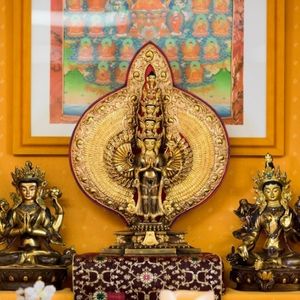
In the bumpa, the vase at the top of the stupa, a mandala of Dorje Sempa and dharanis were installed with statues and vases symbolizing the directions and associated Buddhas.
Climatic Conditions and Finishing Touches
The previous winter in Auvergne had been particularly harsh, but the workers completed the project within the time frame they had set for themselves.
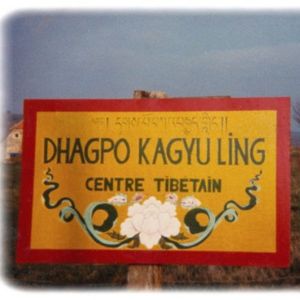
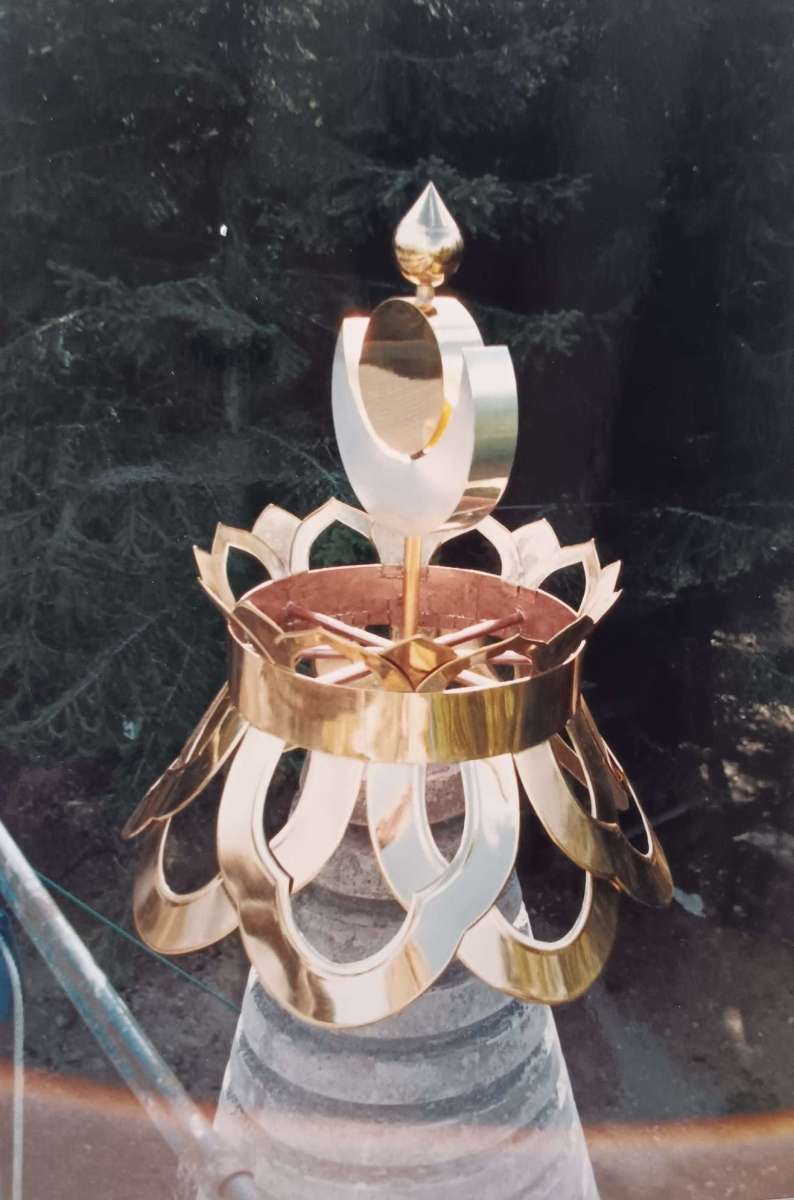
The mold for the spire, representing the ten bhumis, was made by Bernard D. and was also used for the stupa at Dhagpo Kagyu Ling in Dordogne. Shedrup did the exterior finishing, while Claude N. made the metal umbrella surmounted by the moon and sun, and a professional company gold-plated of the piece. The niche was decorated by Gérard M.
The Final Consecration
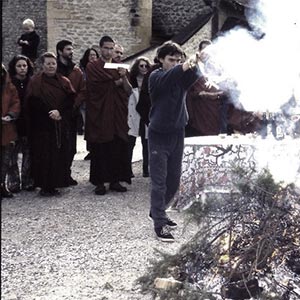
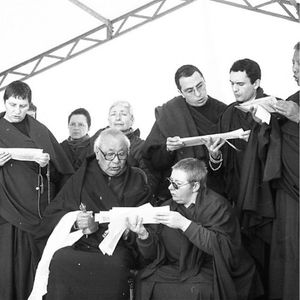
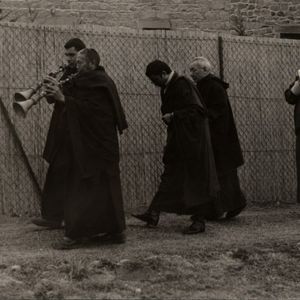
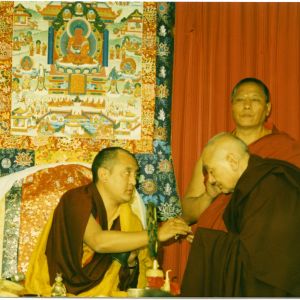
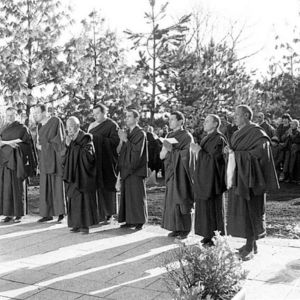
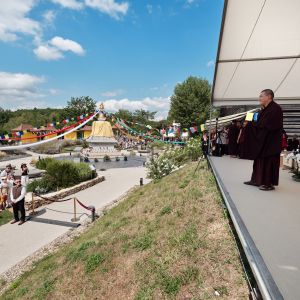
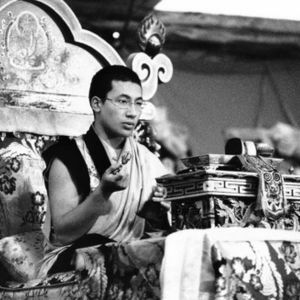
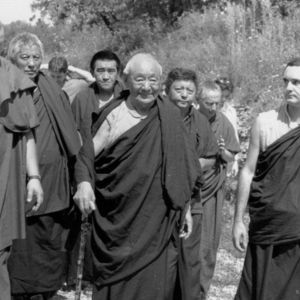
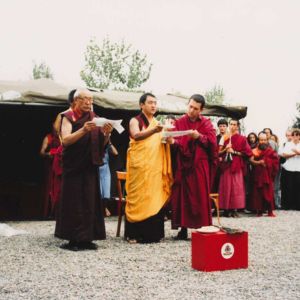
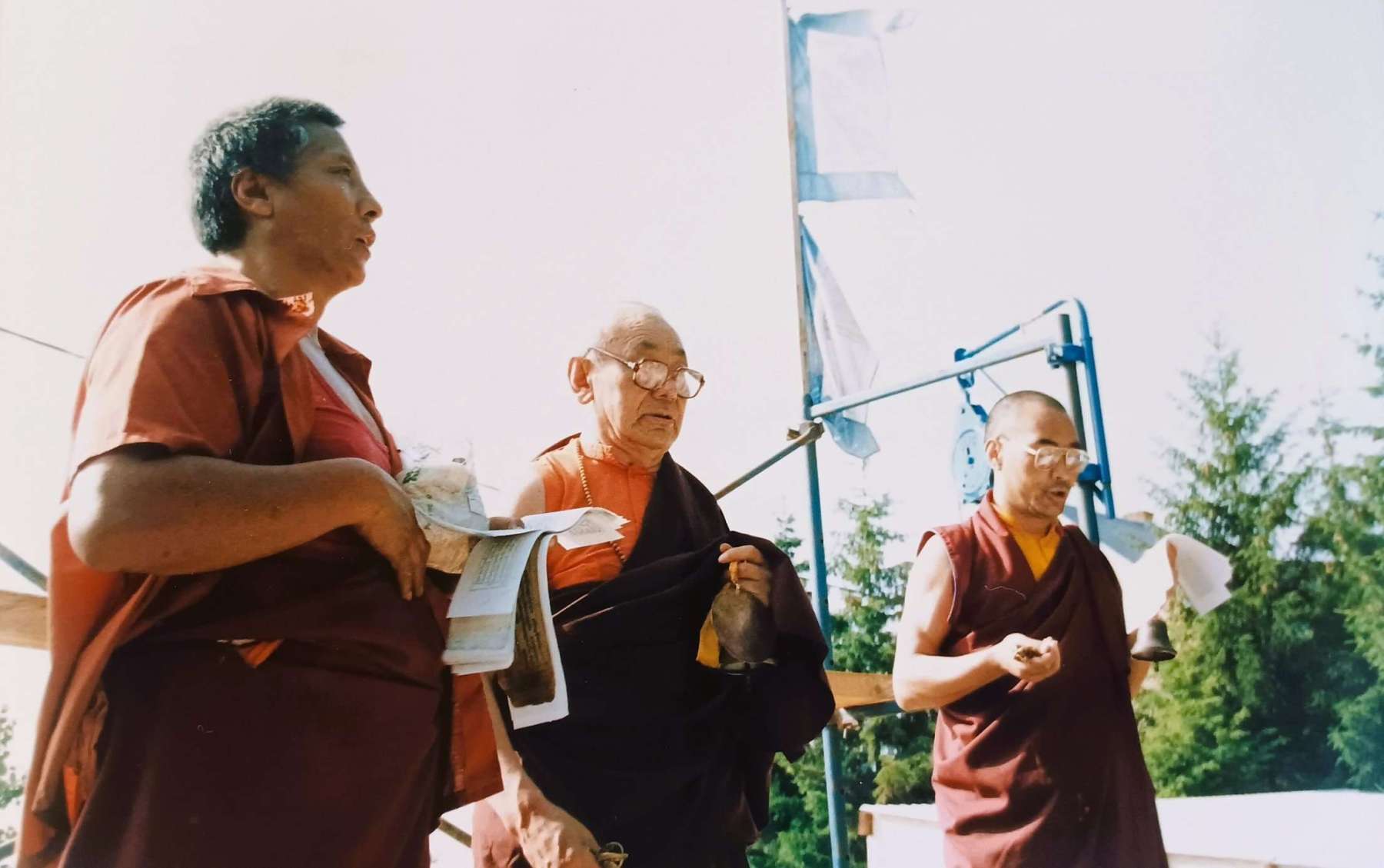
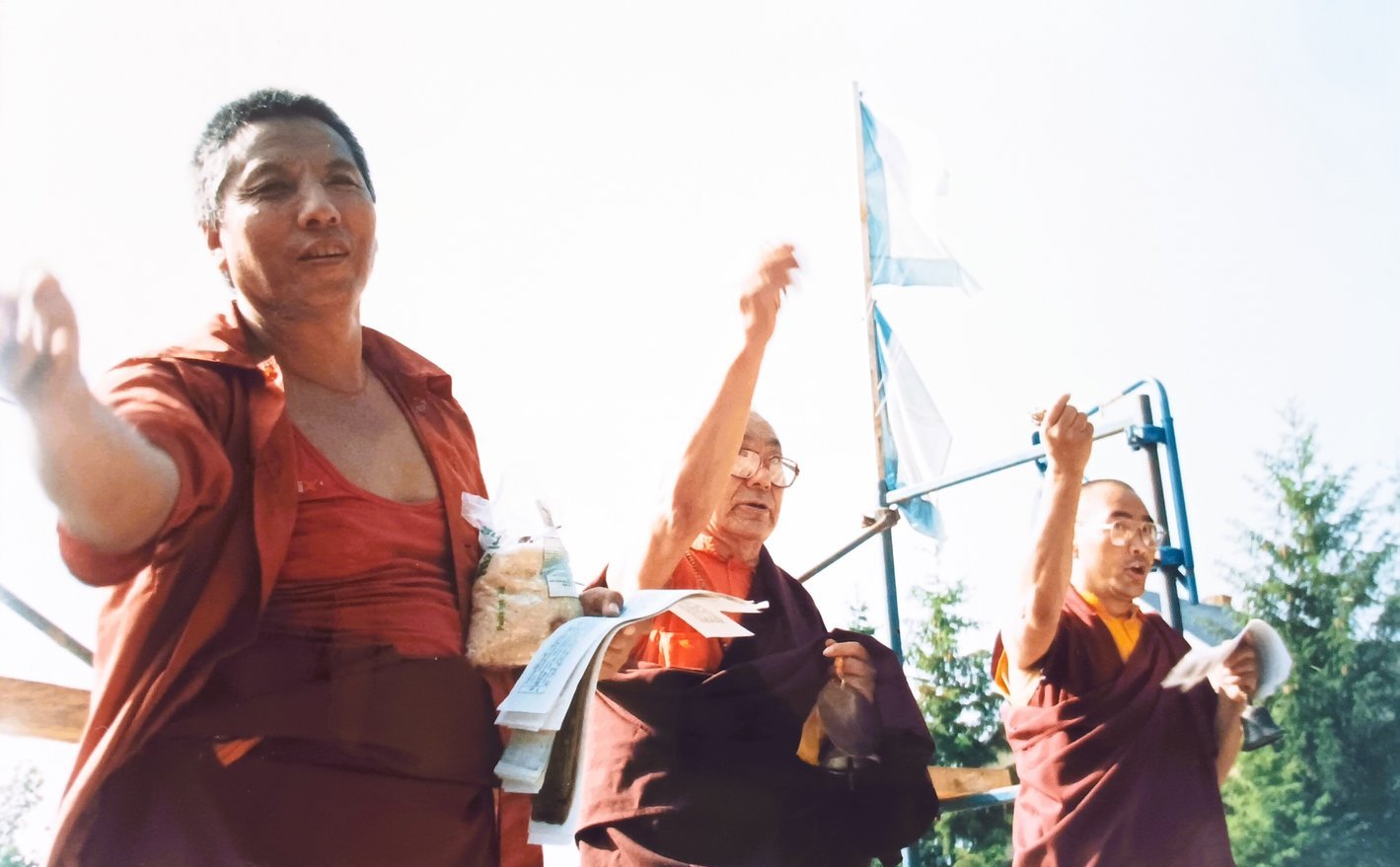
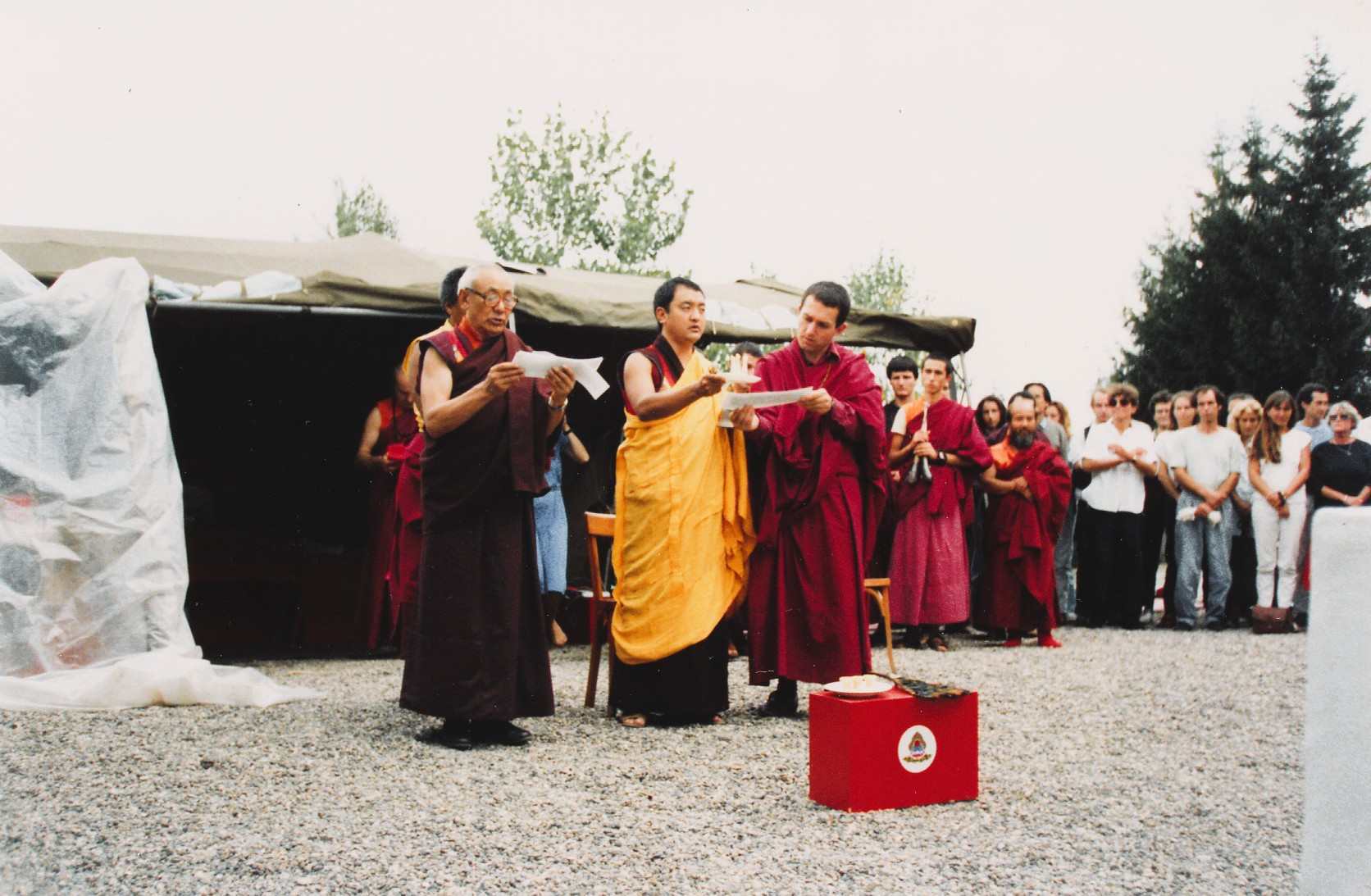
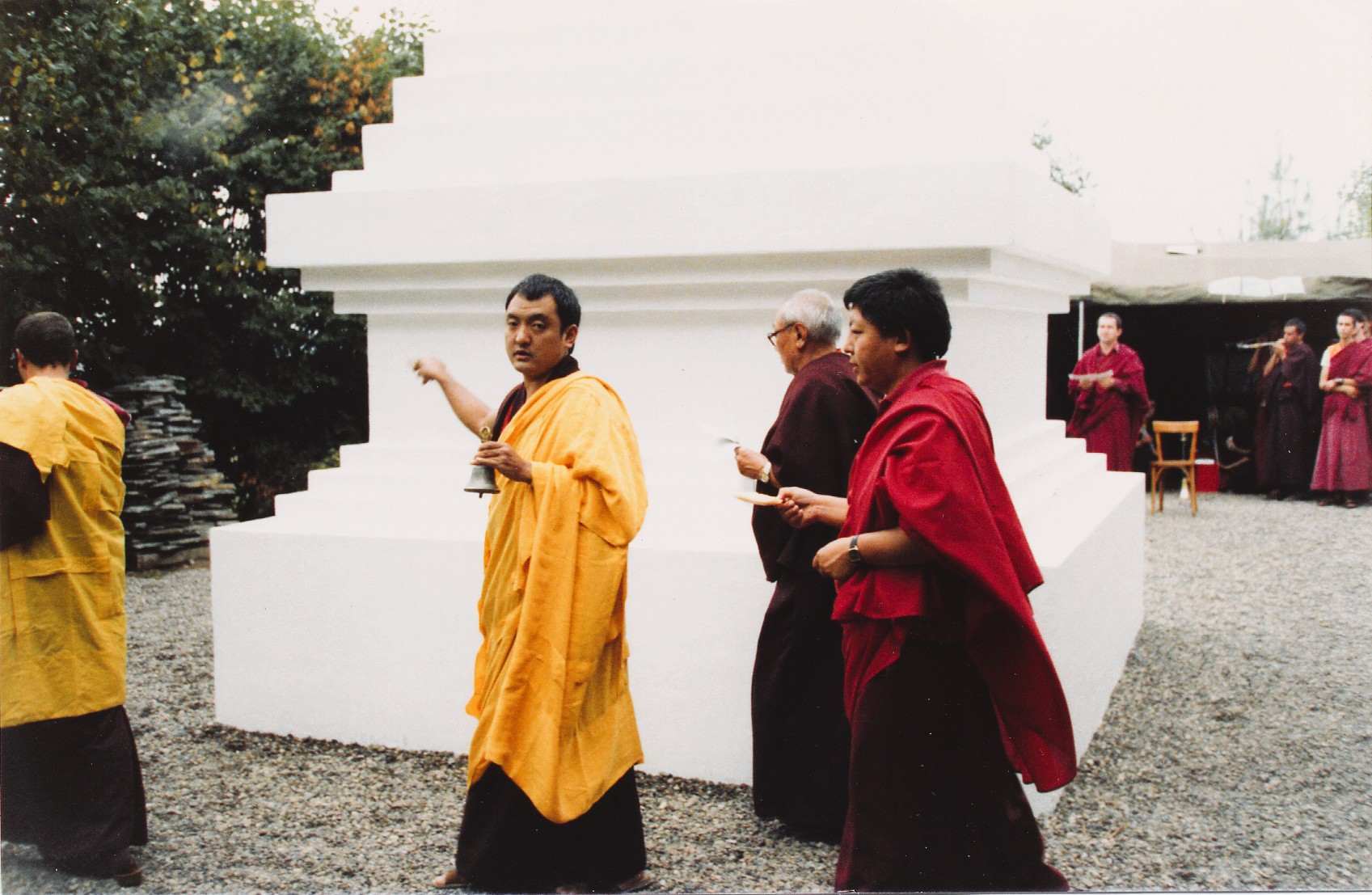
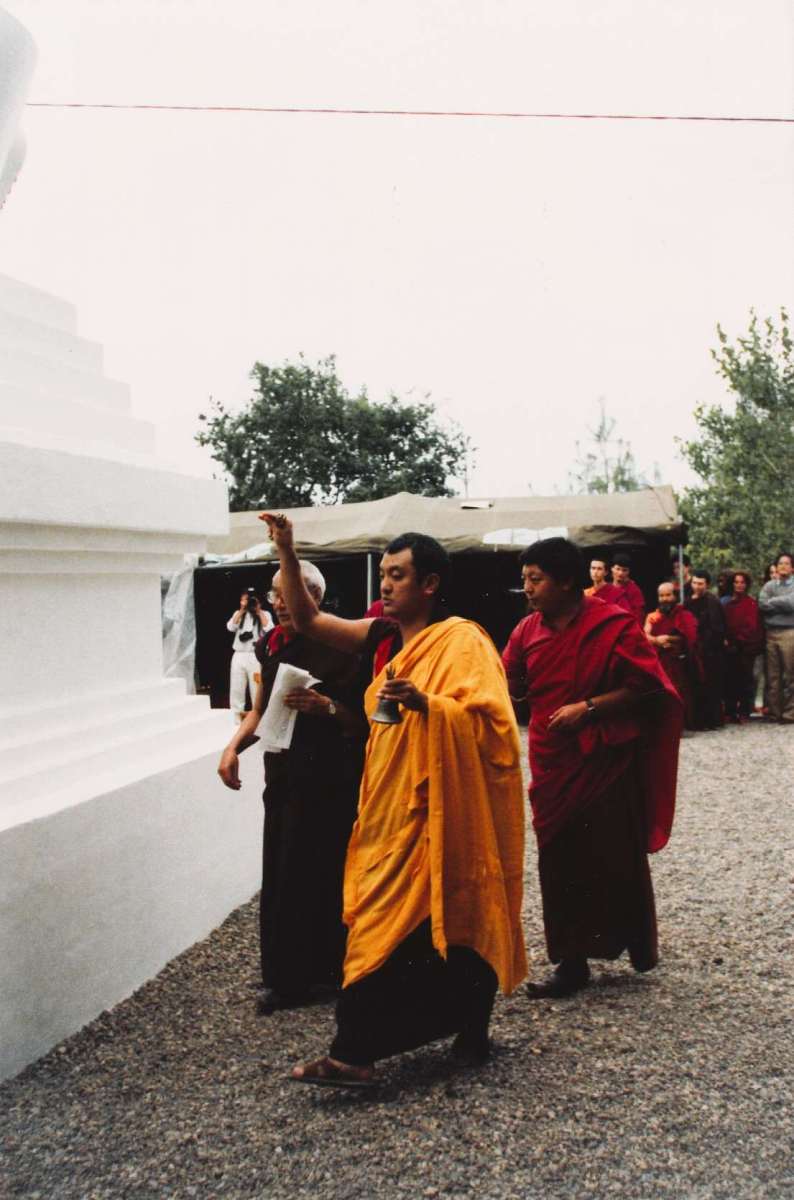
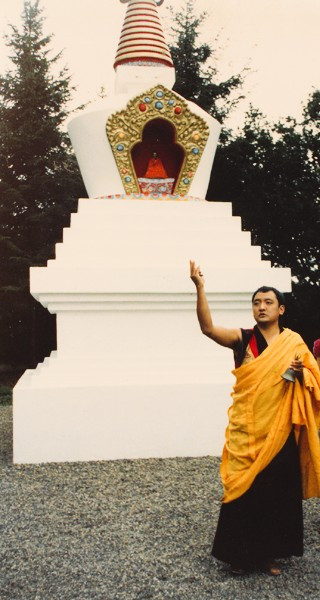
In early September 1986, after several months of joint efforts, Lama Gendun Rinpoche led the consecration of the stupa in the presence of Lama Thubten, Lama Purtsela, and the main participants in the project.
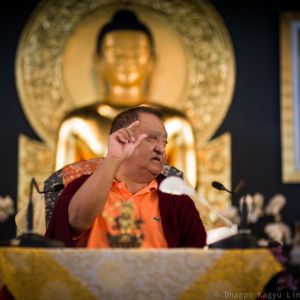
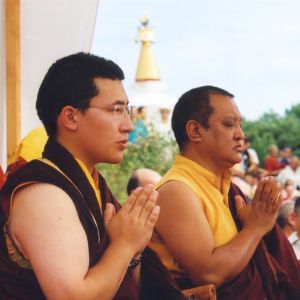
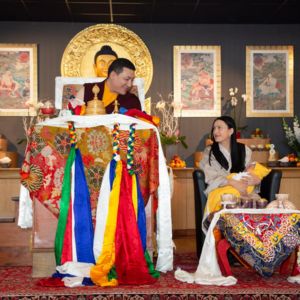
On September 16, 1986, Künzig Shamarpa sealed the consecration of the stupa with the blessing of the lineage that he holds, making this stupa a suitable support for practice at Kundreul Ling. Thierry C. remembers that few people were present since the retreatants were… in retreat. Thus, Nicolas H., Jean-Luc B., Thierry C., and a few people from Dhagpo were gathered. Shamarpa consecrated the stupa and then gave a blessing to the three people who had worked on its construction, explaining that building a stupa in one’s lifetime secures one’s future lives.
Building a support for practice that will stand the test of time and be used by thousands of people with a benevolent intention contributes to “increasing everything that is beneficial in the world,” as Lama Gendun Rinpoche said, and this regardless of the size of the stupa!
(1) Gendun Rinpoche. Heart Advice from a Mahamudra Master. Norbu Editions, 2010. p. 261.
These photos come from our archives or were collected as part of the research for Dhagpo Kagyu Ling’s 50th anniversary. We have not been able to identify all the authors. The use of these photos is solely for informational purposes within the context of Dhagpo Kagyu Ling’s 50th anniversary celebration. Their use is limited to this event and our website and is not for commercial purposes.
These photos come from our archives or were collected as part of the research for Dhagpo Kagyu Ling’s 50th anniversary. We have not been able to identify all the authors. The use of these photos is solely for informational purposes within the context of Dhagpo Kagyu Ling’s 50th anniversary celebration. Their use is limited to this event and our website and is not for commercial purposes.