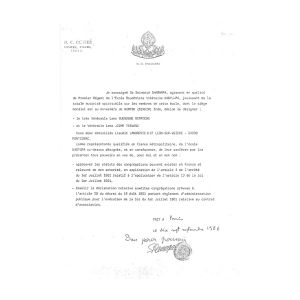
 Dated March 1994, a letter from Plum Village on this subject stated that “There has been a constant maintenance of the bhiksuni order in Vietnam since its inception at least 1000 years ago and it is possible for candidates to receive the bhiksuni pratimoksa in this tradition.” The same letter asks each candidate to register with a letter of consent from their master.
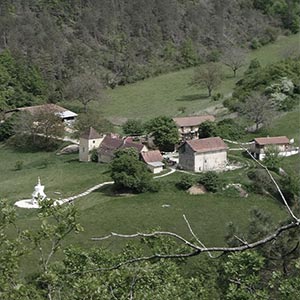
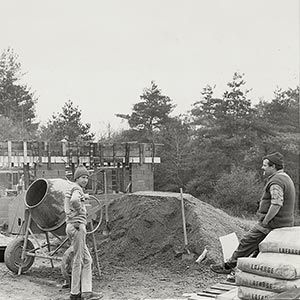
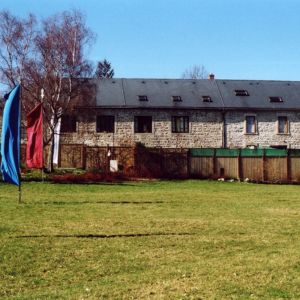
”When we got this information, it was like a gift,” recalls Kemtcho Wangmo, who was then in her second three-year retreat. The news represented a unique and historic opportunity, as the gelongma vows did not exist in Tibet [1]. Furthermore, the vinaya of the Vietnamese schools follows the same tradition as that of the Tibetan schools, the Mulasarvastivadin tradition. The Vinayapitaka of the Mulasarvastivadins, which constitutes the vinaya of the Tibetan monastic schools, comprises thirteen volumes in the Narthang edition of the Kangyur (words of the Buddha) as well as several commentaries in the Tengyur. The 16th Karmapa, Rangjung Rikpe Dorje, wished to introduce the gelongma monastic tradition into the Kagyu lineage.[2]Thich Nhat Hanh’s invitation also marked an auspicious connection, as it coincided with the beginnings of the monastery at Kundreul Ling.
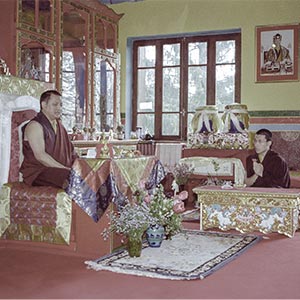
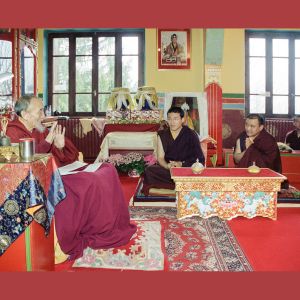
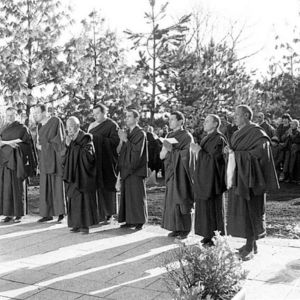
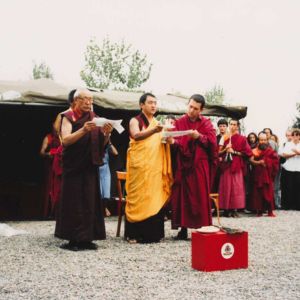
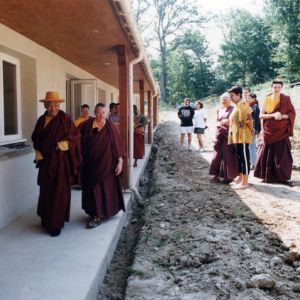
With the agreement of Lama Gendun Rinpoche, a group of thirteen nuns of various nationalities set out from Kundreul Ling for Plum Village for the ceremony on August 5, 1994, two months after the end of their retreat. Previously, in June 1987, they had received the getsulma disciplines (novice disciplines, 36 disciplines) in the small temple with the 3rd Jamgon Kongtrul Rinpoche.
The novice disciplines (Tib. getsulma) are a step towards full ordination (Tib. gelongma), which involves more precepts. Belonging to the Vinaya basket, which deals with ethical conduct, these disciplines were codified after the Buddha’s parinirvana and are far from being a set of rules devoid of meaning that just have to be applied. Each of the 364 precepts refers to a specific situation that occurred during the Buddha’s lifetime, and, for each, he indicated the appropriate attitude to adopt. The community, which was forming at that time, structured itself around the Buddha’s instructions. The disciplines provide a framework for training the mind and protecting body, speech, and mind so as not to follow directions contrary to the liberation from suffering.
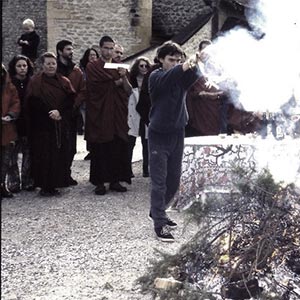
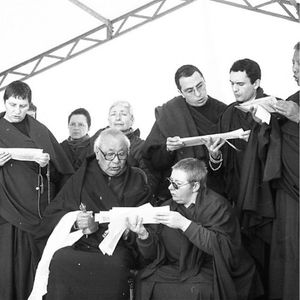
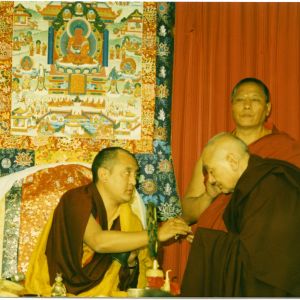
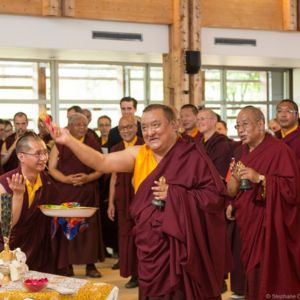
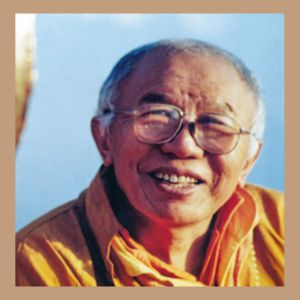
The nuns were asked to arrive at Plum Village two weeks before the ordination ceremony to receive explanations of the gelongma disciplines from a senior sister of the congregation. Then, on August 5, 1994, Thich Nhat Hanh himself transmitted the disciplines to the nuns gathered at Plum Village, some from Dhagpo Kundreul Ling and others from Plum Village. This ceremony forged strong ties with this community.
The fact that Thich Nhat Hanh agreed to transmit full ordination to us is proof of his great trust in Lama Gendun Rinpoche, says Kemtcho. It was the first time this transmission had taken place in France and in Europe, and as such it was a very important event, including for Thich Nhat Hanh’s sangha.
Subsequently, on two other occasions, in 1996 and 2000, nuns from our school were able to participate in this transmission of the gelongma disciplines when the Vietnamese master gave them. Yeshe Zangmo from Dhagpo Möhra (Germany) participated in the ceremony in 2000 with three other nuns. She was motivated by her trust in Lama Gendun Rinpoche, who had often emphasized the importance of the vows and given explanations about them.
She recalls,
Thich Nhat Hanh had invited many female abbots from different monasteries in Vietnam where they had been fully ordained nuns all their lives. It was very rare. The stay was memorable. We lived with the nuns of Plum Village for a while and shared their daily schedule. It was very interesting because normally this is not possible, but it was a condition. This time allowed them to receive the necessary explanations and familiarize themselves with the nuns’ way of life. Most of the nuns at Plum Village come from Asia and are accustomed to community life. They have almost no possessions and live several people to one room. We are more individualistic. I really liked it and admire them,“ said Yeshe Zangmo.
During this period, sisters who were among Thich Nhat Hanh’s first Western disciples (Sister Annabelle and Sister Gina) explained the gelongma disciplines to them.
So we had a sort of education there before full ordination. Thich Nhat Hanh invited us to his cottage and gave us a teaching and a tea ceremony. It was very wonderful. It was a blessing. Lama Gendun Rinpoche also had a lot of confidence in him, she recalls.
Since 2000, the five German-speaking gelongmas of Dhagpo Möhra try to gather monthly to recite the disciplines together with others online.
These disciplines were developed from practical experiences dating back to the time of the Buddha. They were never intended to be something heavy duty, explains Yeshe Zangmo. Of the more than three hundred vows, the instructions received emphasize the importance of keeping the essential vows; others are of a more secondary nature or even culturally distant from us. You have to see where you are in a little danger, where you can lose your attention. If you understand them well, these disciplines are very helpful. You avoid losing yourself in weak moments. I’ve never thought of them as a pressure but as a help. It is a very strong spiritual foundation.
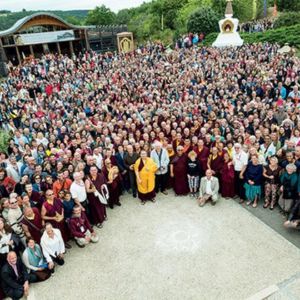
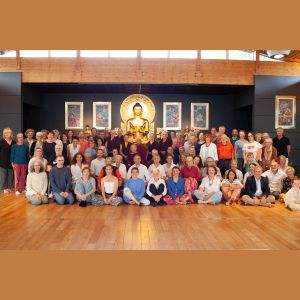
Currently, Dhagpo Kundreul Ling and Dhagpo Möhra count 15 fully ordained nuns. In 2018, Jigme Rinpoche asked Yeshe Zangmo to share this story at the Karma Kagyu Meetings held during the Kagyü Mönlams in Bodhgaya, India. “The rinpoches present were quite astonished actually,” she recalls.
Upon the passing of Thich Nhat Hanh in January 2022, Thaye Dorje, His Holiness the 17th Gyalwa Karmapa, emphasized the significance of the open-mindedness of one of the most revered Buddhist masters of our time.
Our Karma Kagyu lineage had a very special spiritual bond with Master Thích Nhat Hạnh, for it is due to his kindness that our nuns from Dhagpo Kundreul Ling were able to receive the full monastic ordination of the Bhikshuni (gelongma in Tibetan) Vows at Plum Village in 1994. Since the practice of Vinaya is the ground for all merit and wisdom, there is no greater gift than that to the lineage of Buddha Dharma.
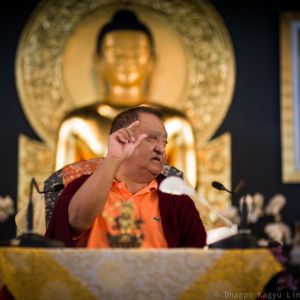
The presence of a monastic community with fully ordained practitioners is one of the conditions for the Buddha Dharma to be fully established in a place. Otherwise, it is present but not established. Moreover, in 2019, Thaye Dorje, His Holiness the 17th Gyalwa Karmapa, concluded his teaching at Dhagpo Kagyu Ling with these words:
We as practitioners must find a way to appreciate the bhikshus and bhikshunis, for whatever level of practice they are in. This is one of the instructions that I received from many of my teachers, that we feel that somehow we have the right to criticize concepts, but this is something that we have to be very careful about, because the various individuals who have entered the various levels of the pratimoksha vows, they are doing what they can and it’s something that we cannot actually measure.
The amount of merits they accumulate and the amount of superstitions they carry too, of course, but nevertheless if you can find a way to rejoice that simply having their presence in our lives does bring all of these auspicious conditions together, so therefore this is something that we have to appreciate.
And I hope that the conditions will remain as long as possible, not for the population you know, not for the quantity, but for their presence simply. Not necessarily to say quality also, but really simply for their presence. It does something on a psychological basis, psychological level, emotional level, to each and every one of us. So therefore this is a place where we cannot question, doubt.
[1]Regarding the transmission of the gelongma disciplines in Tibet, there are several positions that have not been clarified. A daughter of King Trisong Detsen received the gelongma disciplines, but it is not certain that these disciplines were transmitted after her. In order to ensure the validity of the transmission, the ceremony requires the presence of at least four gelongmas in a place where the Dharma is not fully established, and ten if the Dharma is established there. The debate remains open.
[2] There is a different lineage of transmission of vows in a Chinese tradition given in Hong Kong. In 1972, the 16th Karmapa sent the Englishwoman Freda Bedi (gelongma Ketchok Palmo) there, making her the first fully ordained Western nun. Recently, Je Khenpo Rinpoche, the highest spiritual leader in Bhutan, began giving this gelongma ordination.
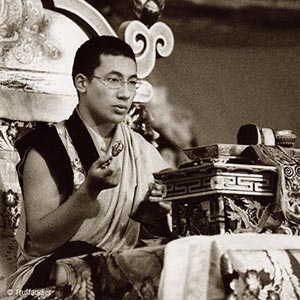
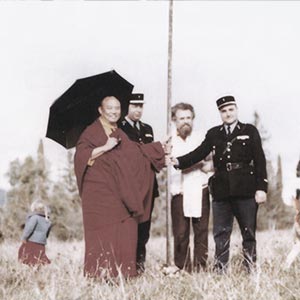
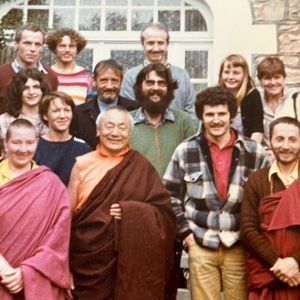
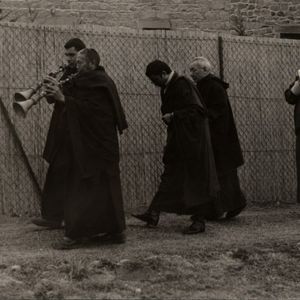
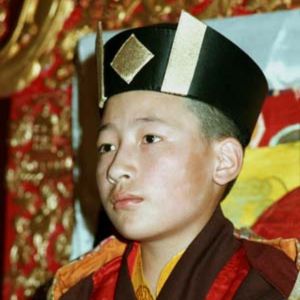
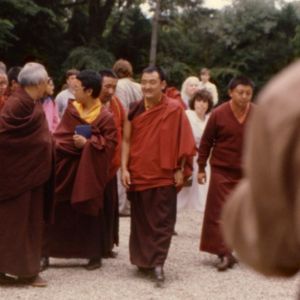
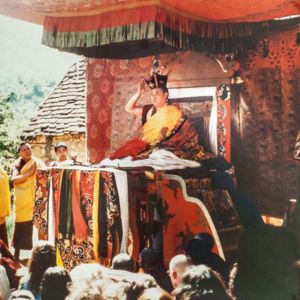
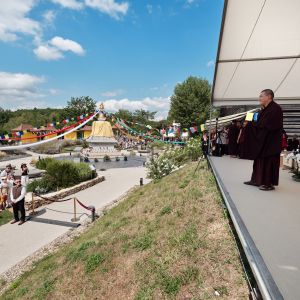
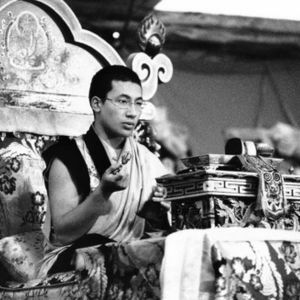
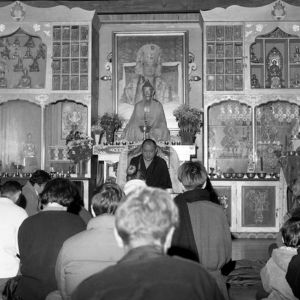
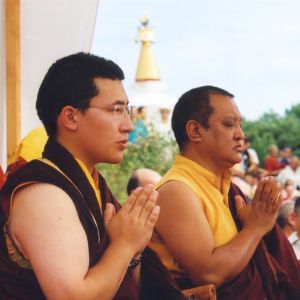
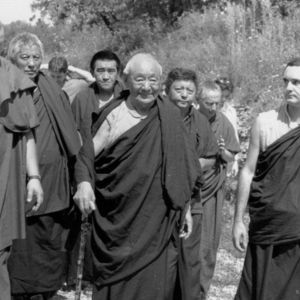
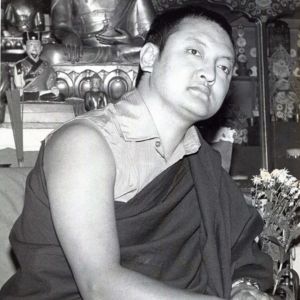
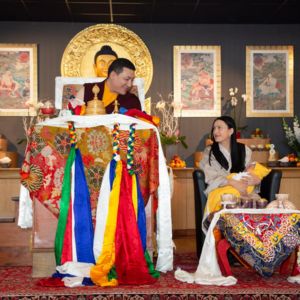
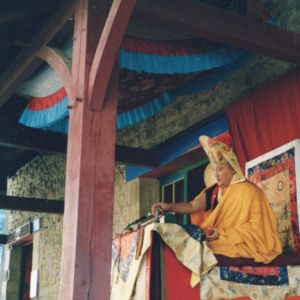
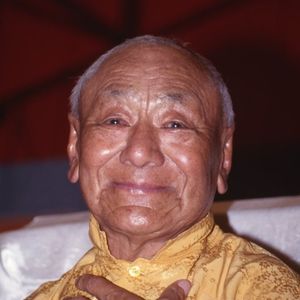
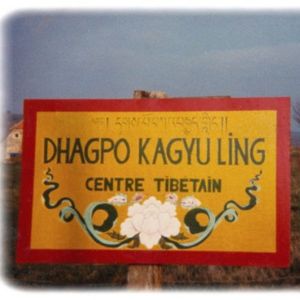
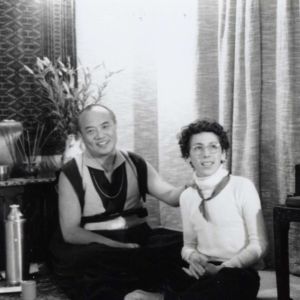
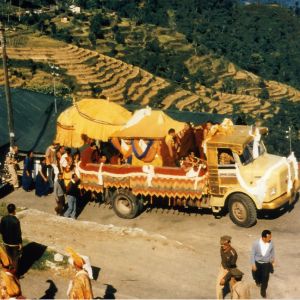
These photos come from our archives or were collected as part of the research for Dhagpo Kagyu Ling’s 50th anniversary. We have not been able to identify all the authors. The use of these photos is solely for informational purposes within the context of Dhagpo Kagyu Ling’s 50th anniversary celebration. Their use is limited to this event and our website and is not for commercial purposes.
Event
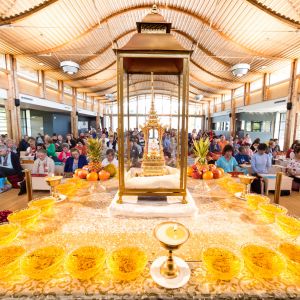
To commemorate this event, we willl take Sojong vows at 6:30 a.m. in Dhagpo Kagyu Ling’s temple and in Kundreul Ling’s small temple.

These photos come from our archives or were collected as part of the research for Dhagpo Kagyu Ling’s 50th anniversary. We have not been able to identify all the authors. The use of these photos is solely for informational purposes within the context of Dhagpo Kagyu Ling’s 50th anniversary celebration. Their use is limited to this event and our website and is not for commercial purposes.