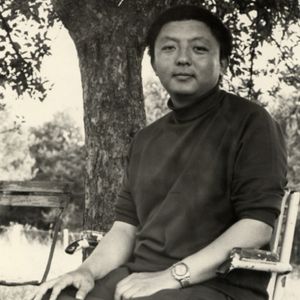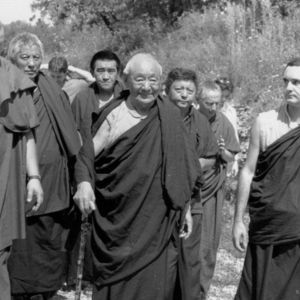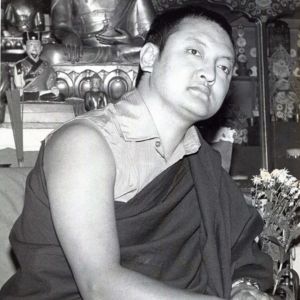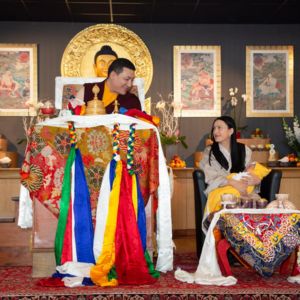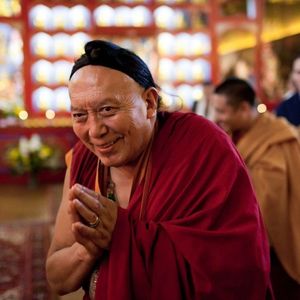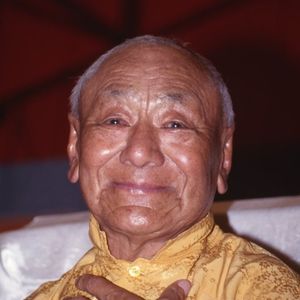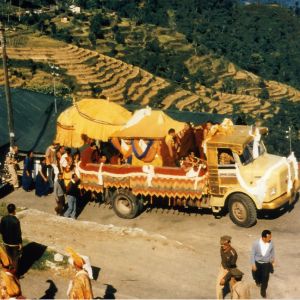
In 1971, Kalu Rinpoche, head of the Shangpa Kagyu lineage and holder of the Karma Kagyu teachings, undertook his first trip to the West, sent by the 16th Gyalwa Karmapa Rangjung Rigpe Dorje to see if Westerners could benefit from the Buddha Dharma. Between that year and his parinirvana in May 1989, at the age of eighty-five, Kalu Rinpoche traveled tirelessly, founding more than seventy Dharma centers and some twenty three-year retreat centers.
This eminent master, born in Tibet in 1904, was ordained as a monk at the age of thirteen by Jamgön Tai Sitou Pema Wangchok and given the name Karma Rangjung Kunkyab, Spontaneous-Universal. “It was later unanimously recognized that the name and the meaning were in harmony,” writes Bokar Rinpoche in his biography of Kalu Rinpoche. He spent twelve years in solitary retreat in mountain hermitages, after completing a three-year retreat at the age of sixteen.
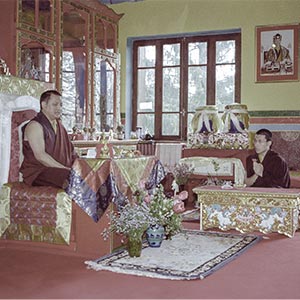
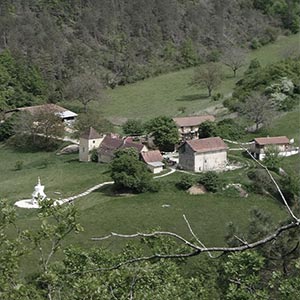
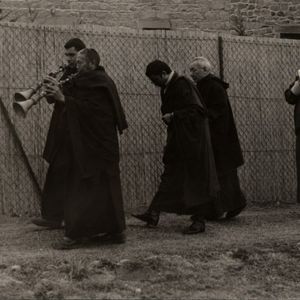
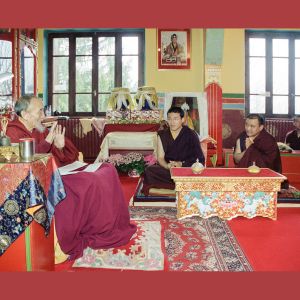
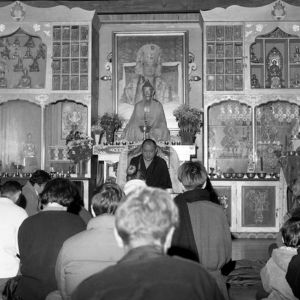
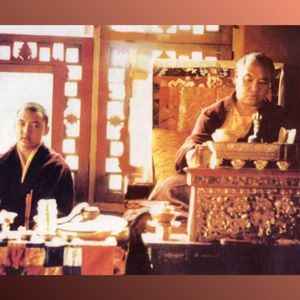
Rinpoche is closely linked to the activity on the Côte de Jor in Dordogne. His many visits were covered in the regional press, reflecting the influence of his activity. In February 1978, he led the Chakrasamvara puja (Tib. Korlo Demchok, Wheel of Supreme Bliss) in the historic temple of Dhagpo, a puja also performed by the 16th Karmapa at the end of October 1977 to consecrate the site so that it could become part of the pure realm of this yidam.
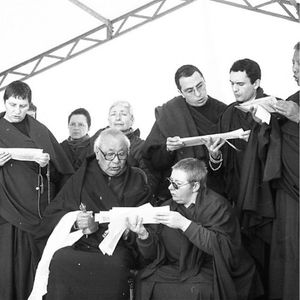
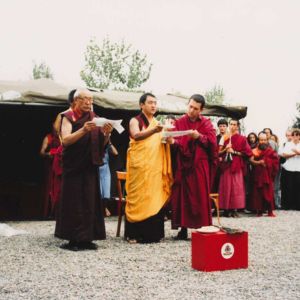
Kalu Rinpoche returned to Dhagpo from October 2 to 8, 1980, to teach the practice of Amitabha and confer its empowerment. The president of Dhagpo Kagyu Ling, the late Bernard Lebeau, recalls:
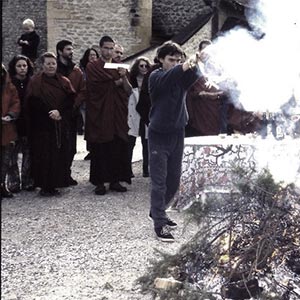
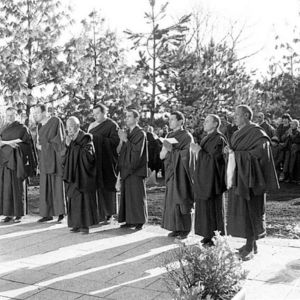
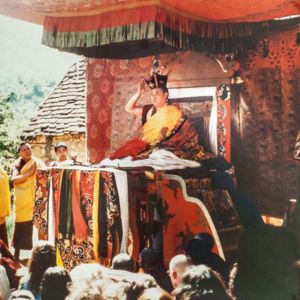
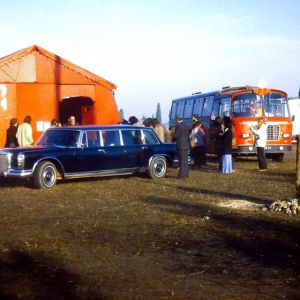
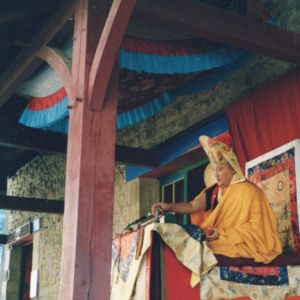
At Dhagpo Kagyu Ling in October 1980, the attendance was so large that the temple could not accommodate everyone. Fortunately, the weather was good and Rinpoche’s teaching was given in the courtyard. A throne was set up under the lean-to, plastic sheets were quickly spread on the ground, and those present sat on cushions.
(Tendrel 19, August 1989)
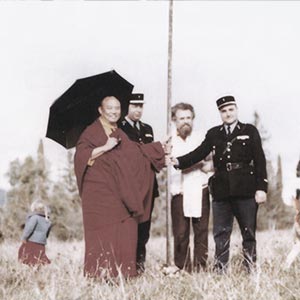
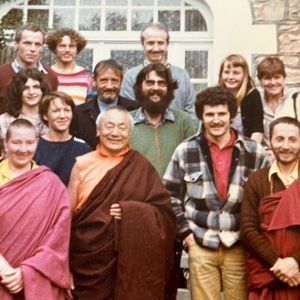
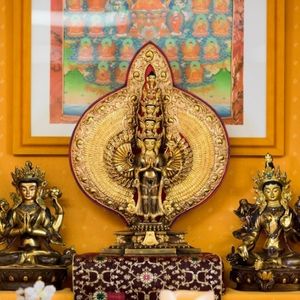
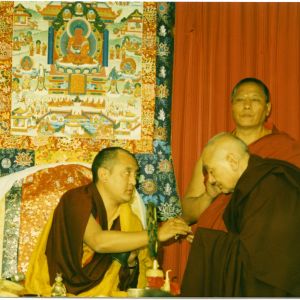
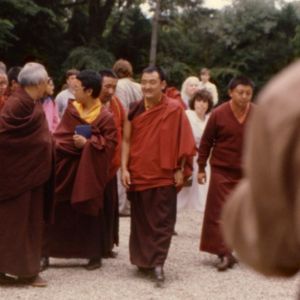
Subsequently, despite his advanced age, Kalu Rinpoche returned to Dhagpo many times. On February 19, 1983, he taught about Tibetan medicine, explaining the origin of illnesses according to the Buddha’s teachings, how to cure them, and the link between medicine and spirituality. This sharing was particularly valuable, given that Rinpoche had studied with his father, who was a doctor and tantra practitioner. During this visit, he conferred the empowerment of thousand-armed Chenrezig. Meeting with the local population, he also participated in an evening event organized at the village hall in Saint-Léon-sur-Vézère, in the presence of Gendun Rinpoche, Jigme Rinpoche, the mayor at the time, and municipal councilors.
Kalu Rinpoche returned again from November 21 to 26, 1984, to teach shine-lhaktong-Mahamudra for four days and to confer the initiations of Dorje Pamo and Jampel Mawei Senge (an aspect of Manjushri). That same year, he visited the first retreatants at Dhagpo Kundreul Ling. Then in September 1987, he returned to Dhagpo Kagyu Ling to teach meditation and the six paramitas and to confer the empowerment of Chenrezig and six-armed Mahakala. On that occasion, he described Dhagpo Kagyu Ling as one of the “jewels of Rumtek.”
During a meeting of eminent masters of the Kagyu lineage in Rumtek in December 1981, the day after the cremation of the 16th Karmapa, Kalu Rinpoche noted in Tendrel No. 2 (July 1982):
The Dharma has newly arrived in the West and needs to establish solid roots. The fundamental point is practice, and the basis of this practice is Chenrezig meditation and the preliminary practices; on the other hand, any work done for the Dharma is also a practice.
Through his realization, his devotion to the 16th Gyalwa Karmapa, and his tireless willingness to share the Buddha’s path, Kalu Rinpoche played a leading role in introducing Buddhism to the West, leaving his mark on Dhagpo Kagyu Ling and all the sanghas established on the Côte de Jor.


These photos come from our archives or were collected as part of the research for Dhagpo Kagyu Ling’s 50th anniversary. We have not been able to identify all the authors. The use of these photos is solely for informational purposes within the context of Dhagpo Kagyu Ling’s 50th anniversary celebration. Their use is limited to this event and our website and is not for commercial purposes.


These photos come from our archives or were collected as part of the research for Dhagpo Kagyu Ling’s 50th anniversary. We have not been able to identify all the authors. The use of these photos is solely for informational purposes within the context of Dhagpo Kagyu Ling’s 50th anniversary celebration. Their use is limited to this event and our website and is not for commercial purposes.