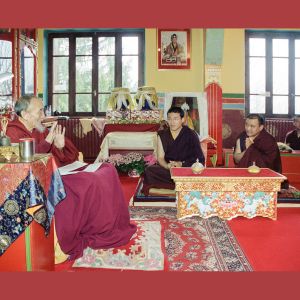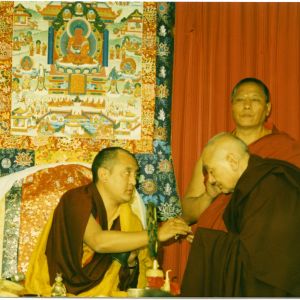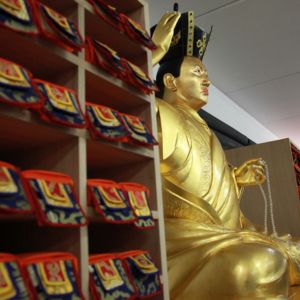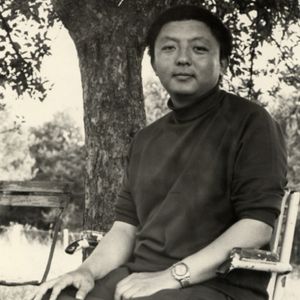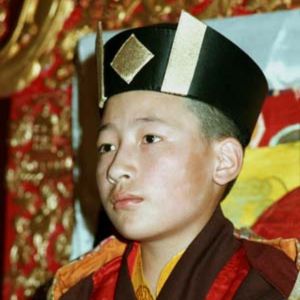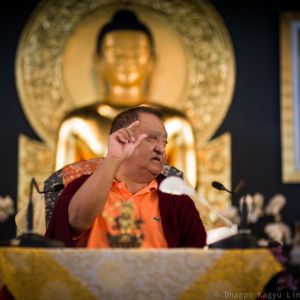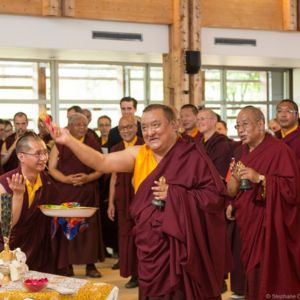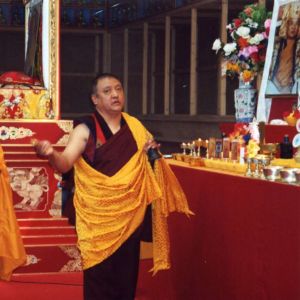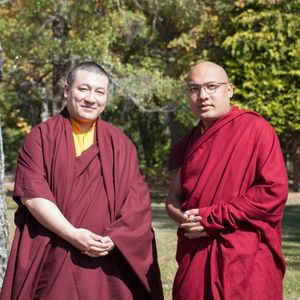
The forty-nine days are a time for grieving, for practice, for processing what has happened. This must be the focus for all of us, including for myself. During this time and beyond, we must guard against thoughts, words and actions that are led by emotion, cause any harm, or lead to any unnecessary karma. Therefore, this is a time for wisdom, a time for responsibility. Right now, our focus must be on practice. On mourning the loss in this life of our great teacher. To learn from his wisdom and compassion, to cool our emotions, and move on together in peace.
The 17th Gyalwa Karmapa Thaye Dorje in an address to his disciples.
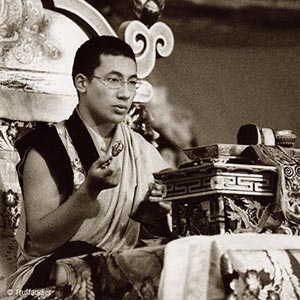
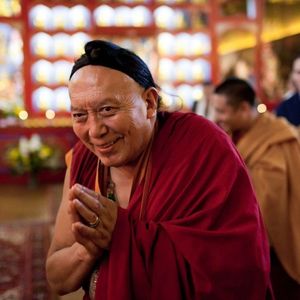
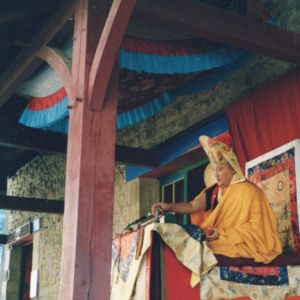
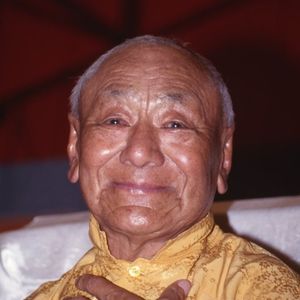
This traditional forty-nine days of grieving and practice began upon the parinirvana of Mipham Chökyi Lodrö, the 14th Shamar Rinpoche, in Renchen-Ulm, Germany, on June 11. This marked the start of a voyage overflowing with fervor, gratitude and respect towards this master, teacher and lineage holder who identified, recognized and educated the 17th Gyalwa Karmapa and taught tirelessly across the world, guiding countless practitioners and establishing Dharma centers and places of learning to preserve and transmit the Buddha’s authentic teachings.
There are different ways of mourning, one way of mourning is mourning a loss, and it is kind of emotional due to attachment,” says Trinlay Rinpoche in Kudung, The Final Flame, a documentary by Tokpa Korlo on Shamarpa’s forty-nine-day voyage, which Jigme Rinpoche had asked him to follow. Trinlay Rinpoche continues:
Here we are in the presence of a highly accomplished master who is just pursuing his activity, and so it’s not necessarily anything to be sad about for him. Of course it can be sad for us because we don’t have his physical presence but it doesn’t mean that we don’t have his continuous blessing, and it is mainly the occasion for each and everyone of us to practice.
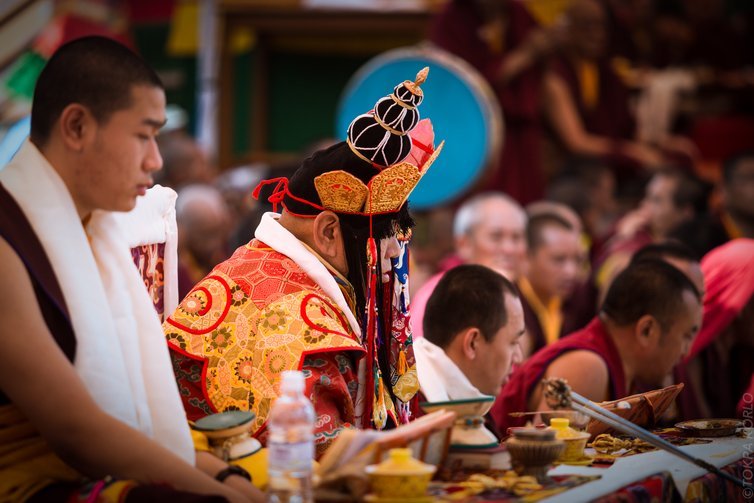
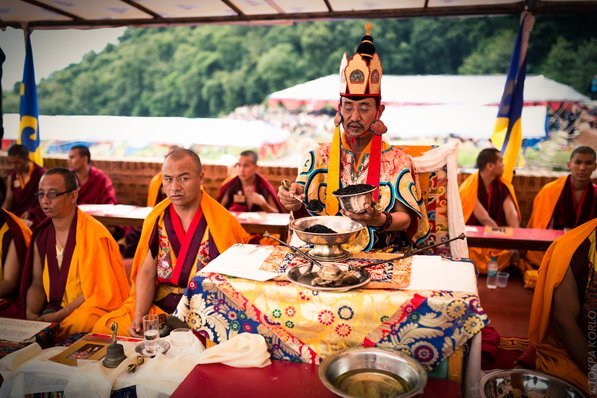
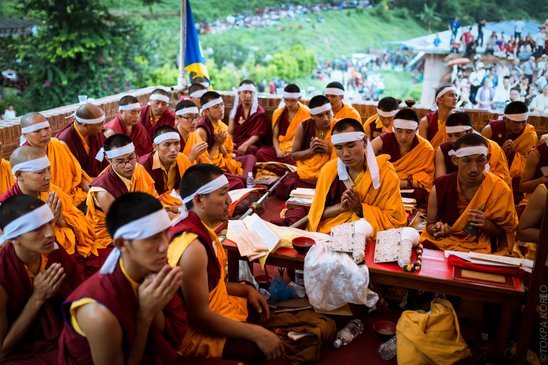
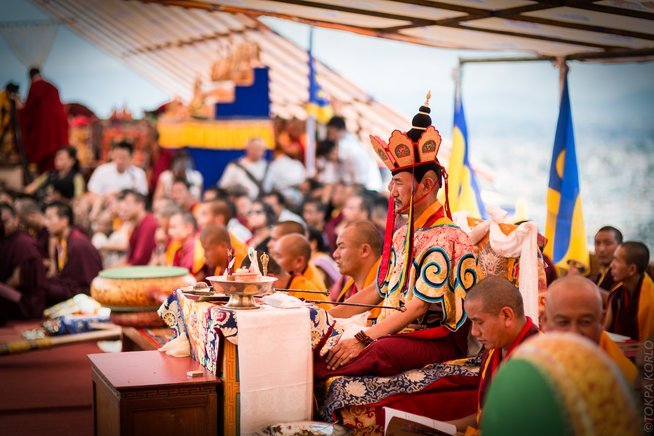
Here we retrace this voyage, chronicled in the inspiring documentary filmed by Tokpa, who recalls those forty-nine days as the most powerful time in his life. As the 17th Karmapa explains in the film, the term “missing someone” is more adequately translated in Tibetan as “remembering someone”. As such, this was also a voyage of remembrance, expressed through extensive practices followed by thousands of devotees in places of learning established by Künzig Shamarpa.
June 18, 2014
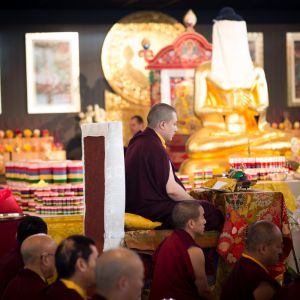
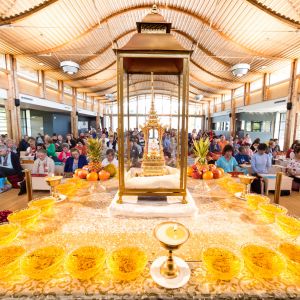
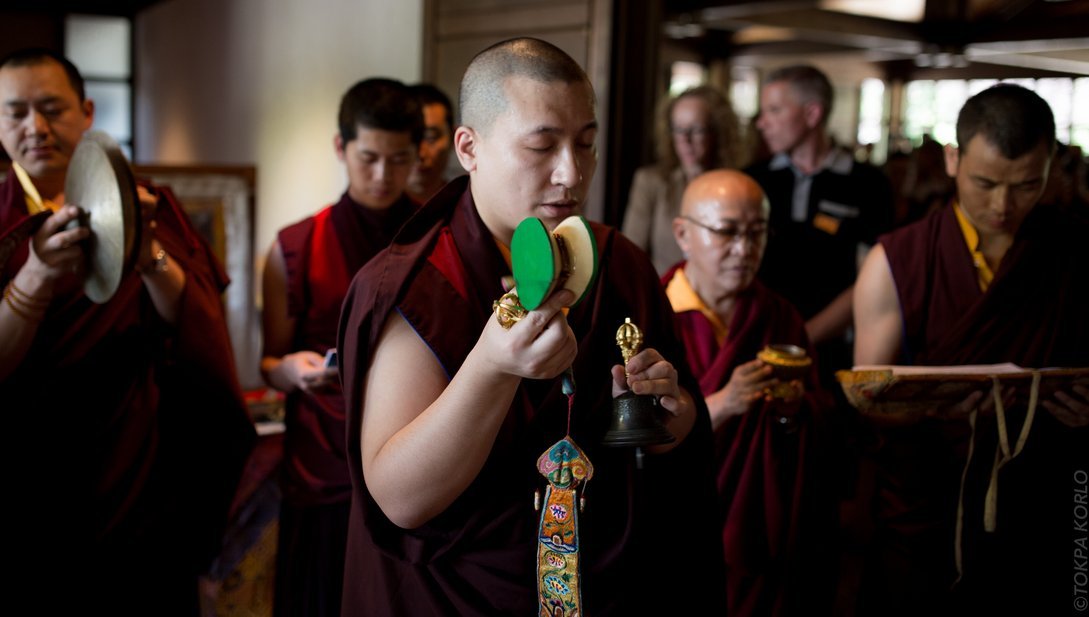
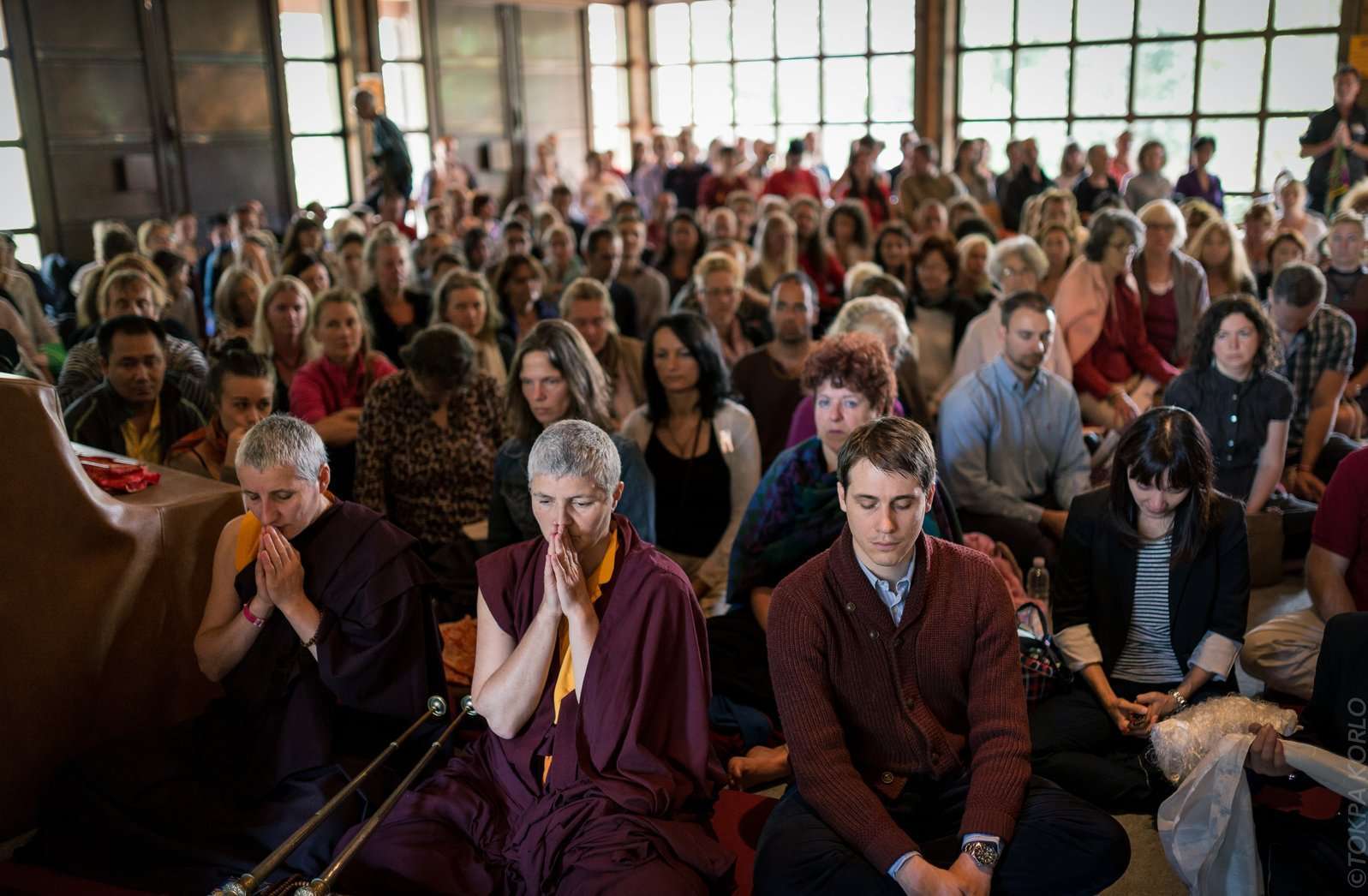
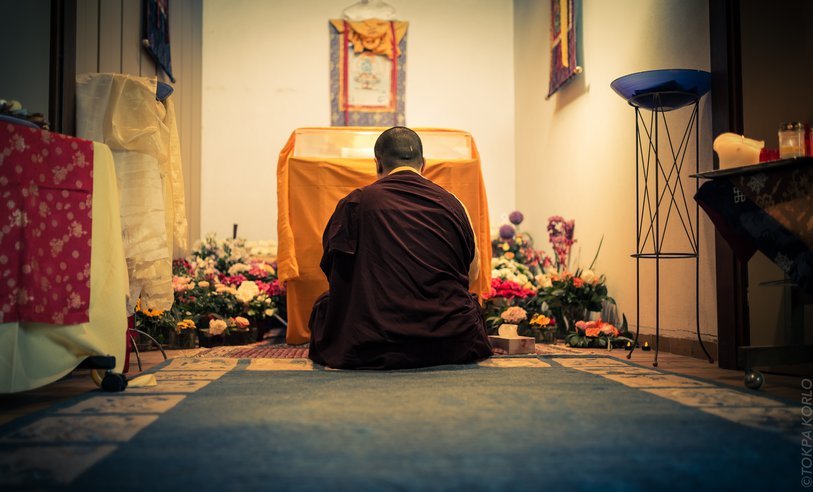
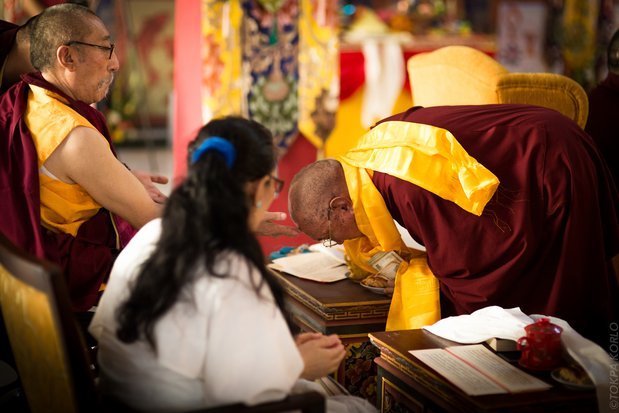
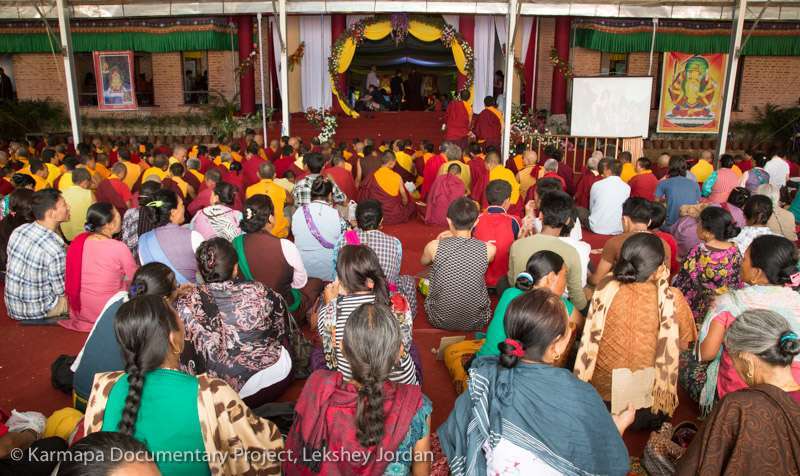
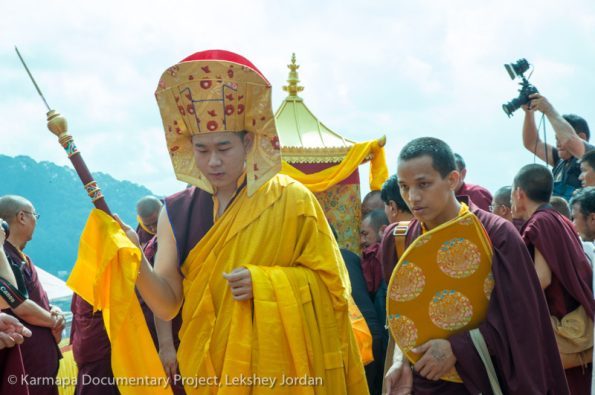
The 17th Gyalwa Karmapa arrives in Renchen-Ulm to pay homage to his teacher, spiritual father and lineage holder. He prostrates in front of the kudung (honorific term for a master’s remains) and meditates there, seated on the floor. During his stay, he leads thousands of disciples and devotees in pujas and prayers.

June 21, 2014
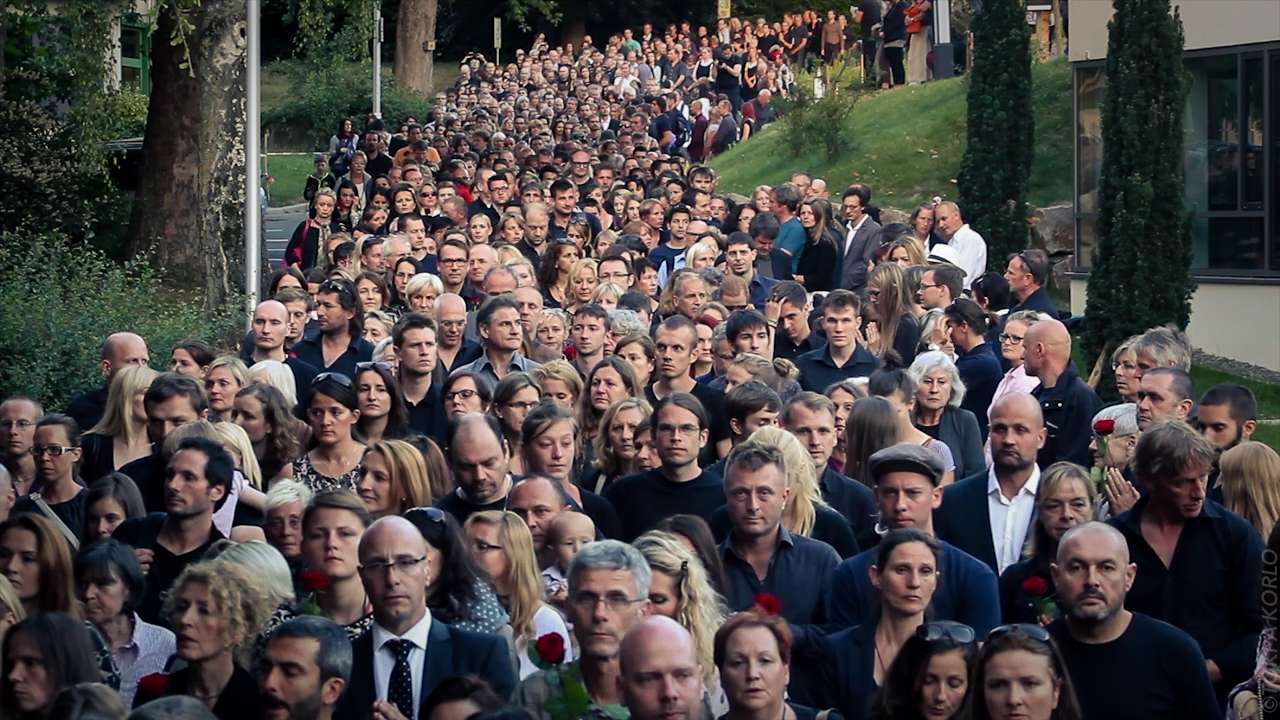
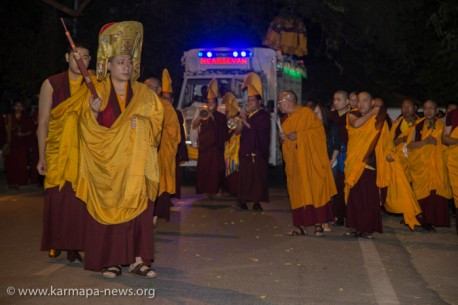
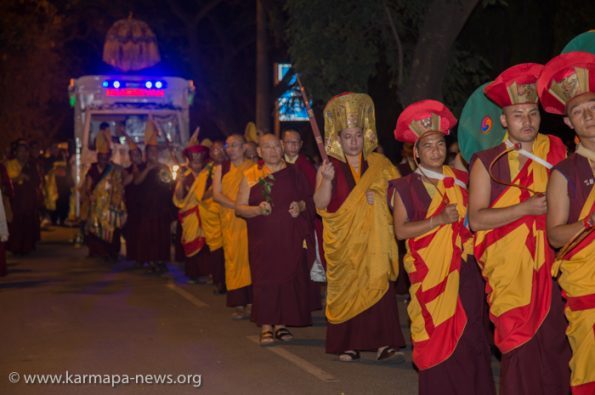
Shamar Rinpoche’s kudung is escorted out of the funeral home in Renchen-Ulm. The Gyalwa Karmapa leads the procession, walking in front of the hearse, Lama Jigme Rinpoche follows behind it. Thousands of practitioners from all over the world, including many locals, proceed silently behind, carrying a red rose.


June 22, 2014
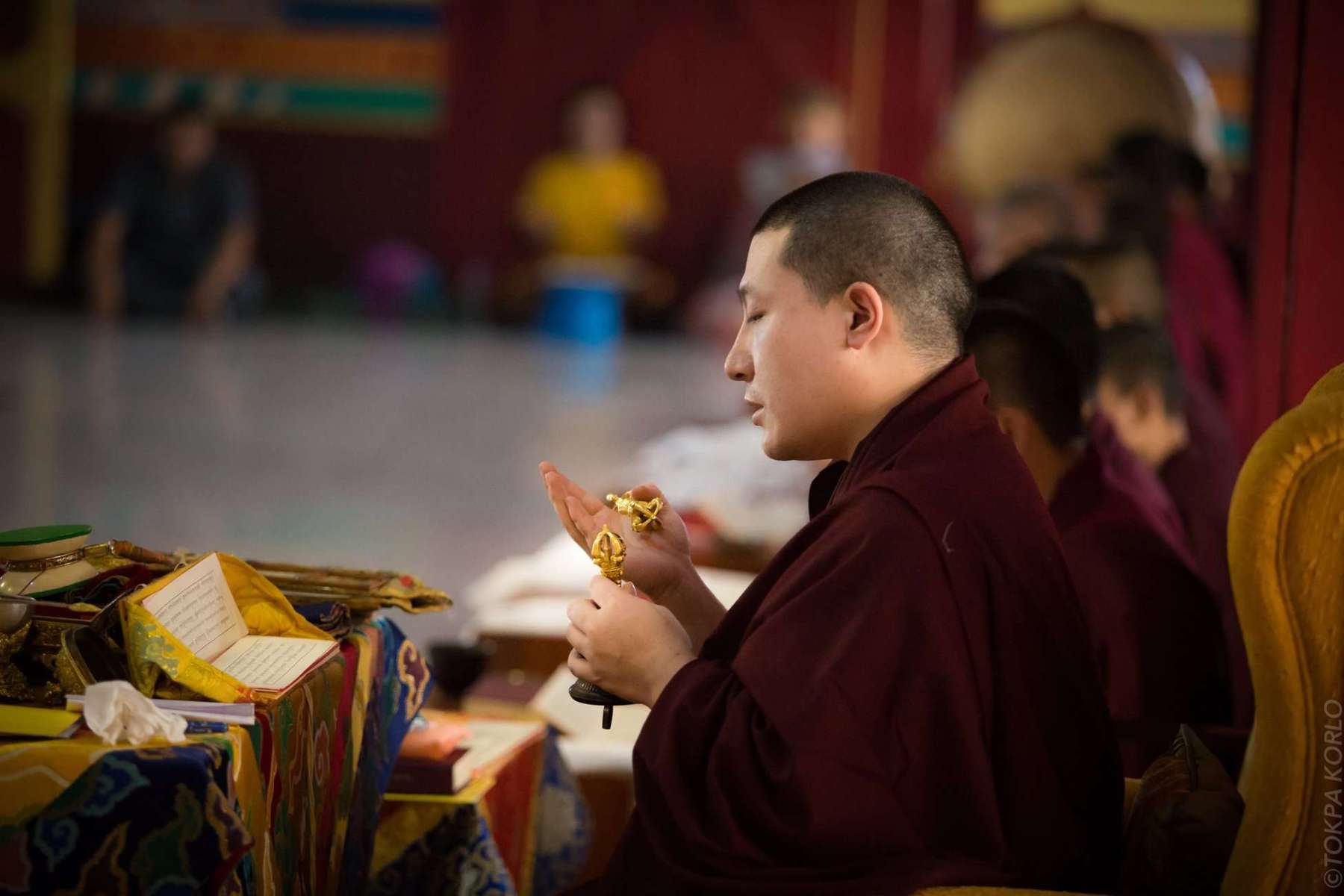
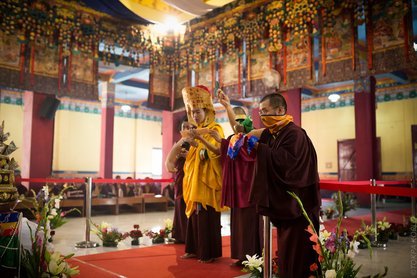
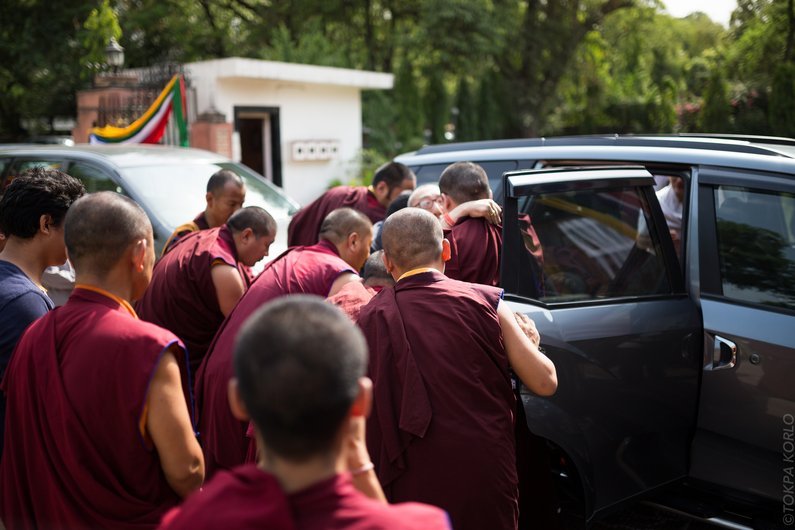
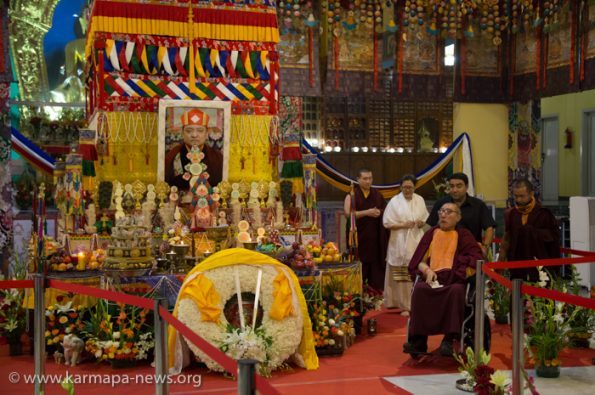
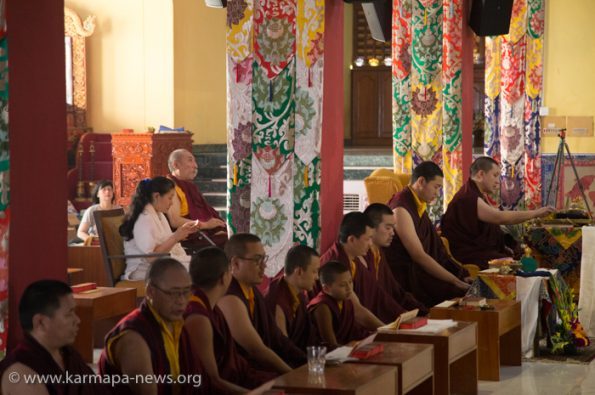
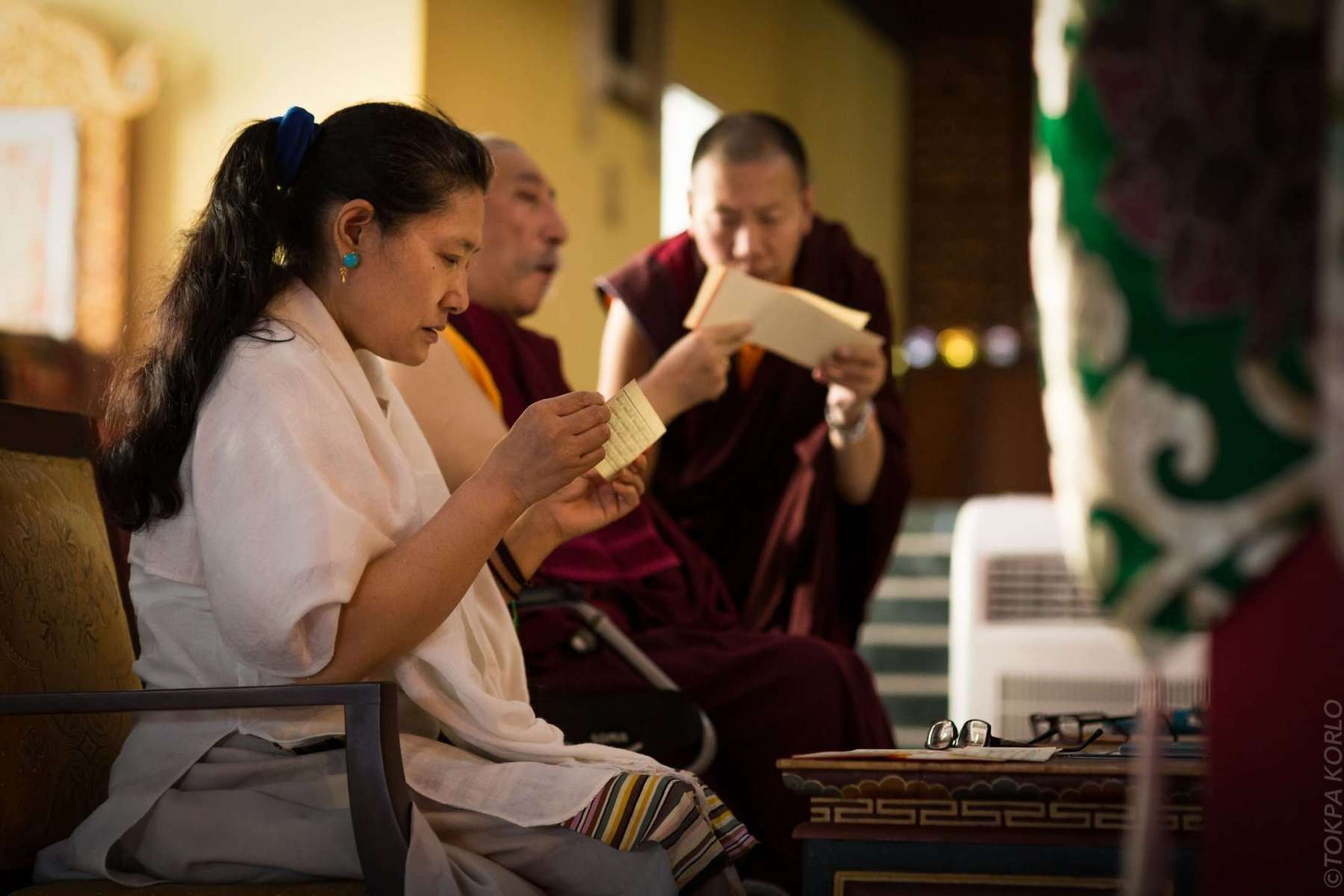
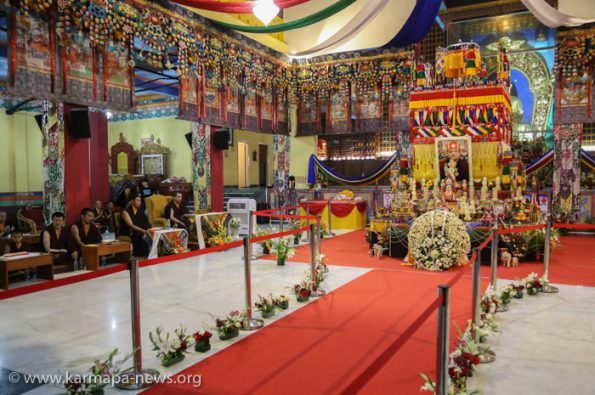
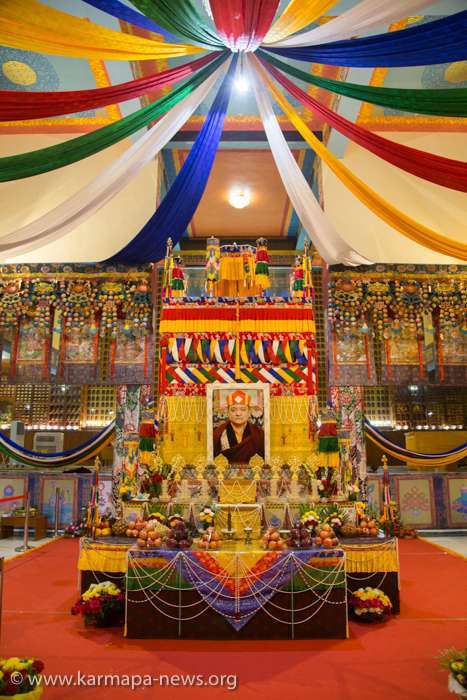
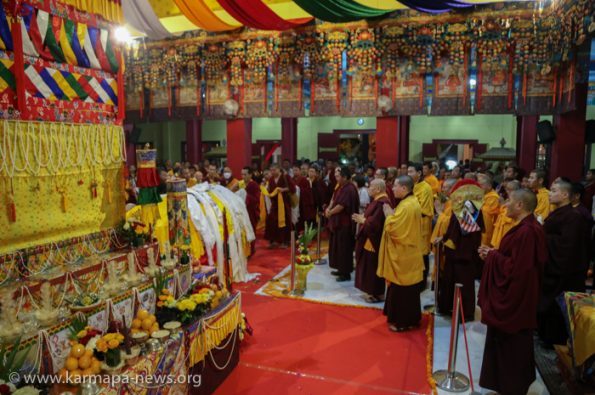
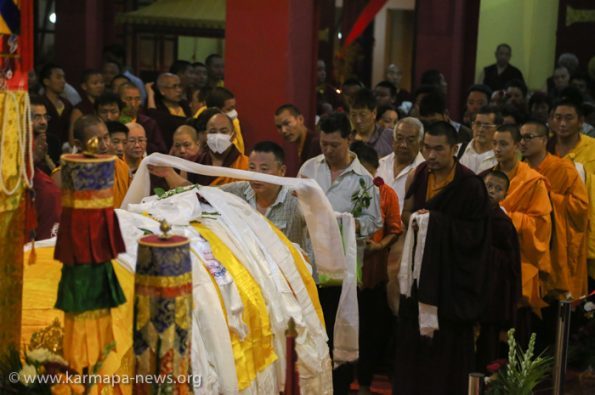
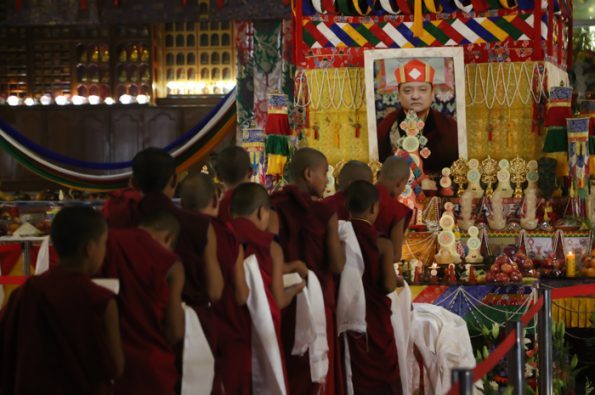
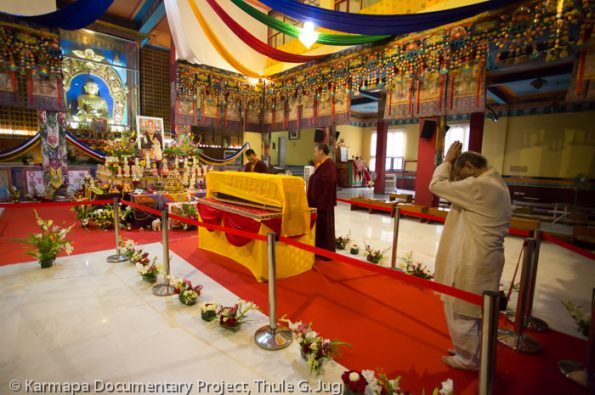
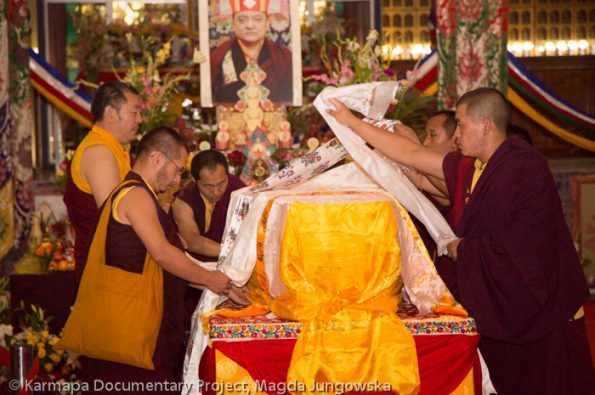
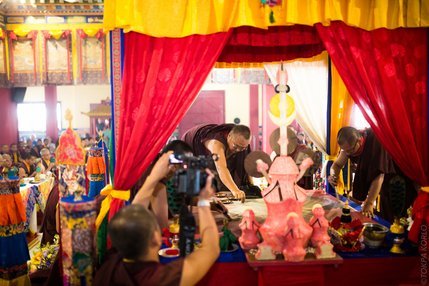
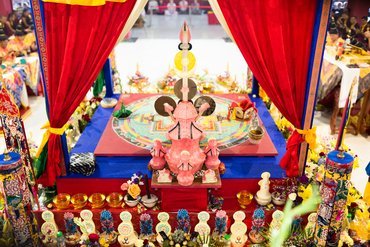
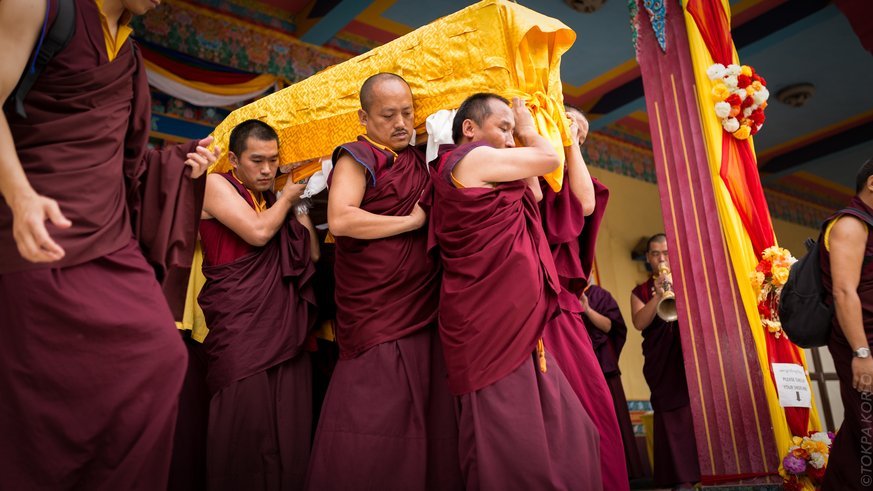
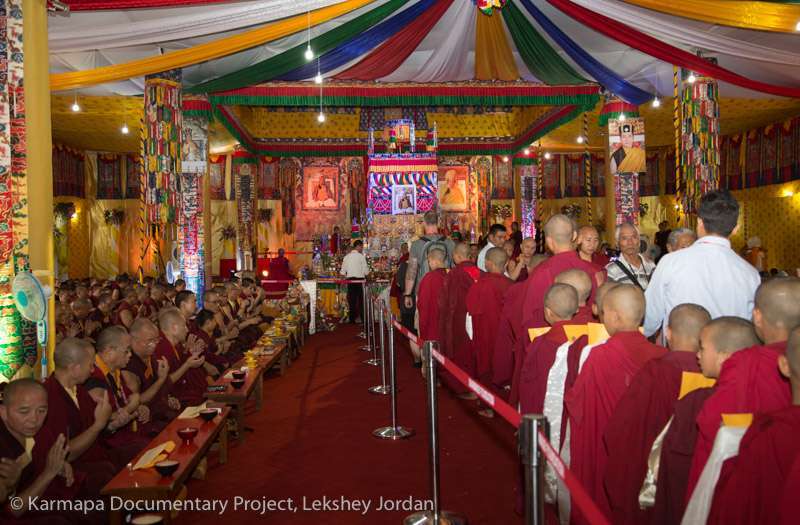
In the early morning hours, Jamgon Kongtrul Rinpoche, Beru Khyentse Rinpoche, Shangpa Rinpoche, Lama Sherab Gyaltsen Rinpoche, Nendo Rinpoche, along with monks from Rumtek monastery, other monasteries and disciples are present at Indira Gandhi International airport to receive the kudung, which is then taken to the Karmapa International Buddhist Institute (KIBI) in New Delhi. The Gyalwa Karmapa leads the procession to settle the kudung in the main shrine hall. Night and day, people from around India flock to pay their respect and pray in front of Shamarpa’s kudung. The Gyalwa Karmapa conducts daily pujas, accompanied by monastic and secular practitioners from around the world.
The KIBI fulfilled a wish of the 16th Gyalwa Karmapa, carried through by Shamar Rinpoche, who inaugurated it in 1990 alongside the President of India at the time. Since then, KIBI offers a diploma programme in Buddhist Studies, including courses in philosophy, history, religion and languages, taught by highly-trained monastic and lay teachers, as well as public meditation courses. The diploma program has enabled many Western students to gain a solid foundation in Buddhist studies and to enrich their own spiritual practice.














July 1, 2014
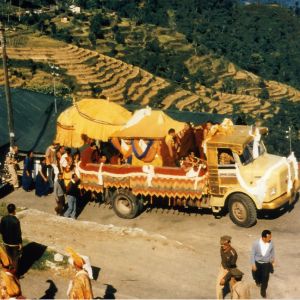
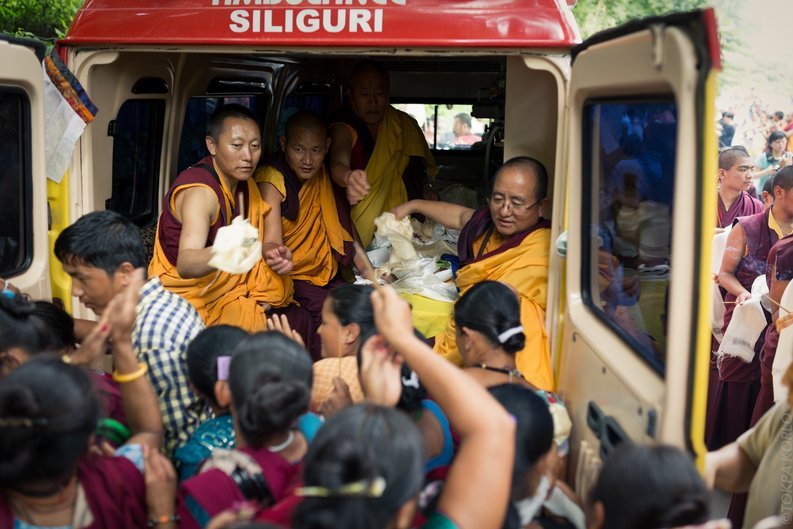
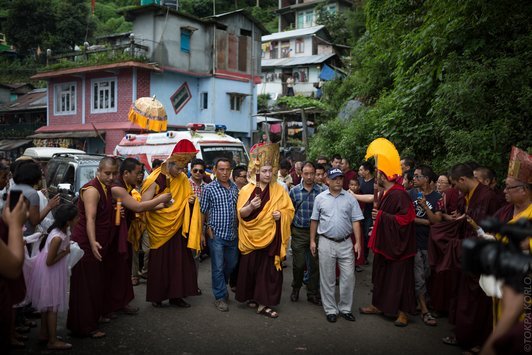
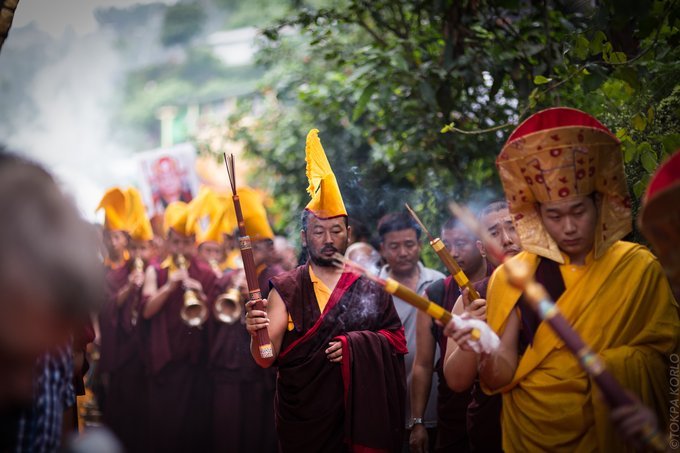
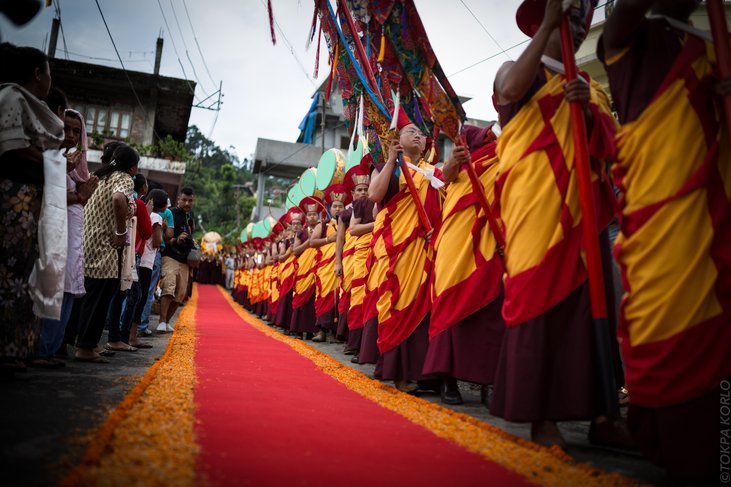
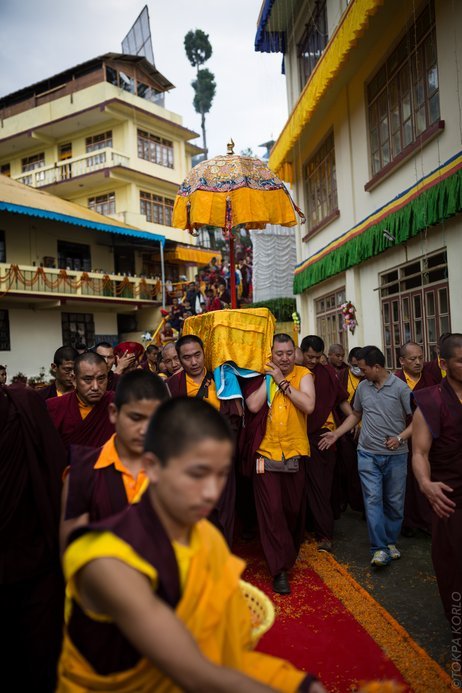
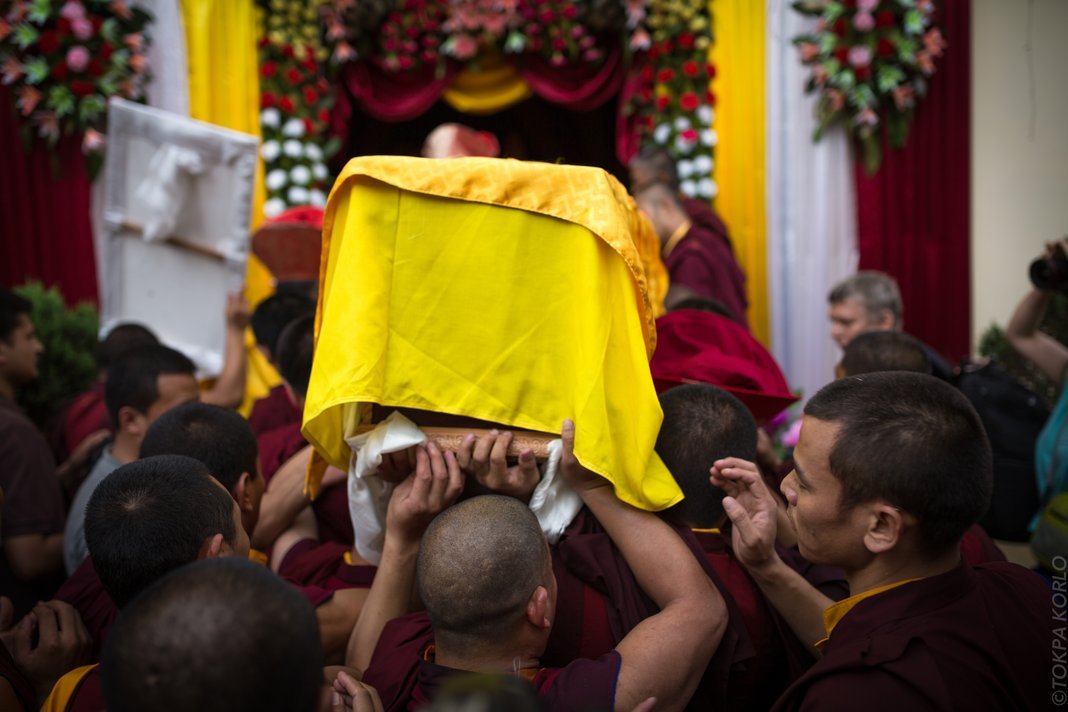
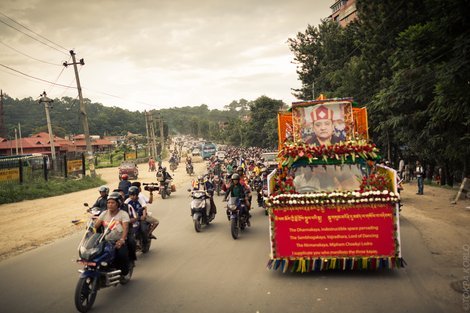
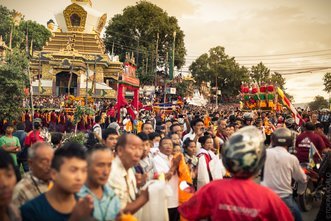
The kundung leaves KIBI and is flown to Bagdogra Airport in Darjeeling District, West Bengal, India. The motorcade then advances at snail’s pace for three to four hours along narrow, winding roads through Siliguri and the Mungpoo foothills to Kalimpong. Thousands of children, women and men from surrounding villages crowd the streets to pay respect, pressing to offer khatas and flowers and receive blessings, as the decorated hearse makes stops along the way.
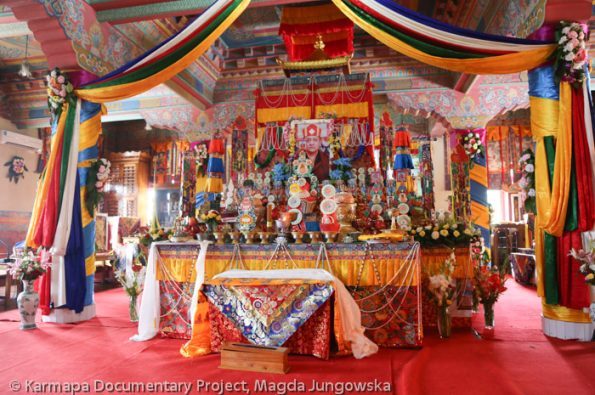
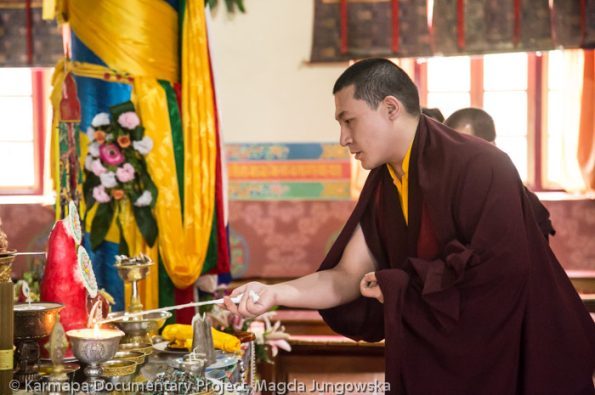
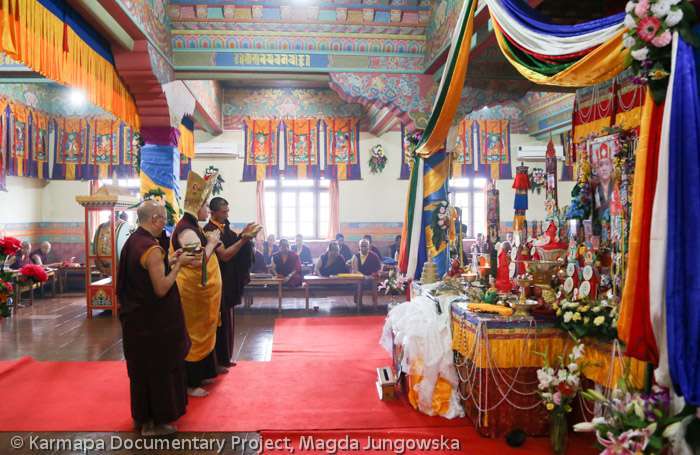
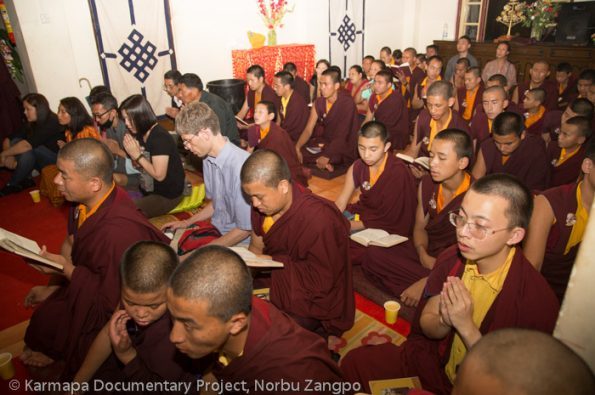
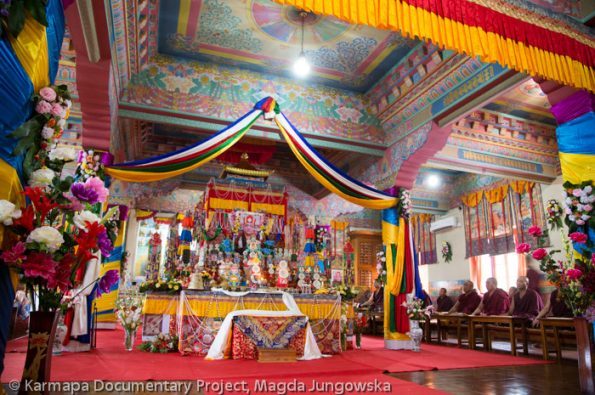
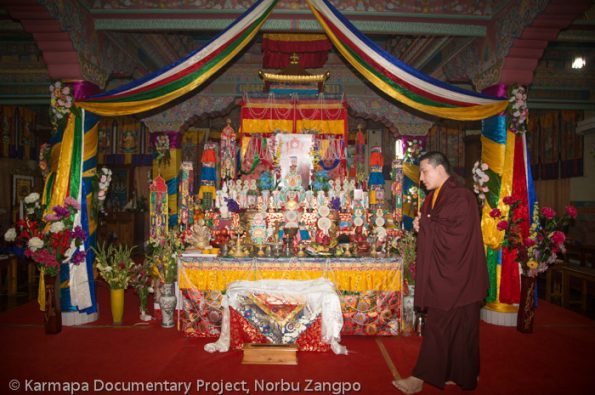
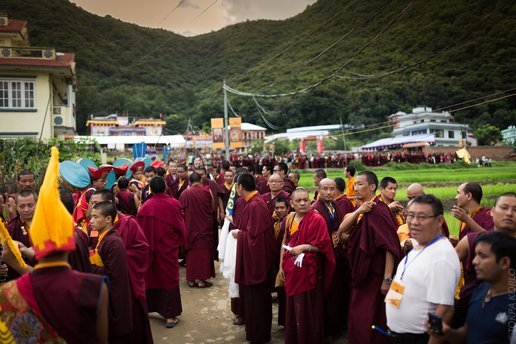
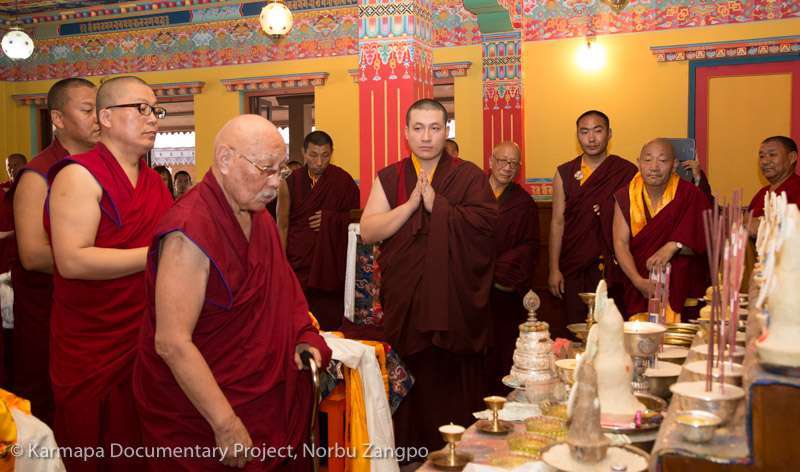
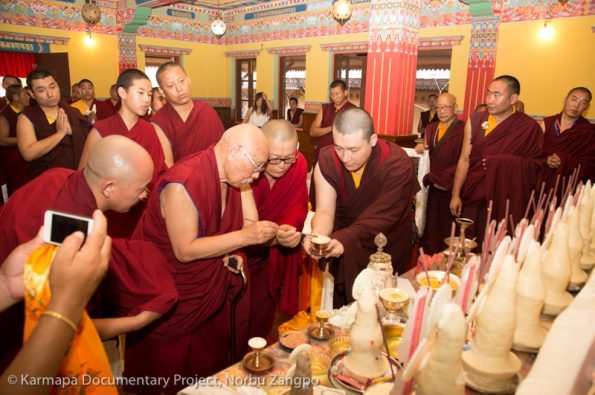
Upon arrival in Kalimpong, Shamar Rinpoche’s kudung is placed in the Shri Diwakar Vihara Buddhist Research and Educational Institute. Devotees from all schools of Buddhism flock to pay respect. Gyalwa Karmapa and monks conduct pujas, including Vajrayogini puja, the Five Deities and Charkasamvara practice as a form of offering. Monks from different monasteries in Sikkim and Darjeeling district and further afield come every day to perform pujas and pay their respects.
Founded in 2002 by Künzig Shamar Rinpoche, this shedra, place of higher studies, offers a ten-year course in Buddhist philosophy. Graduates are awarded the title of Acharya, several of whom come every year to teach in centers in Europe and the United States.














July 20, 2014
The kundung leaves for Paro, Bhutan, highlighting Shamar Rinpoche’s close ties to the Royal family who consider him as a revered guide and teacher. His Majesty Jigme Khesar Namgyel Wangchuck, Queen Mother Ashi Tshering Pemo, the prime minister and devoted Bhutanese pay their respect to Shamarpa’s kudung.
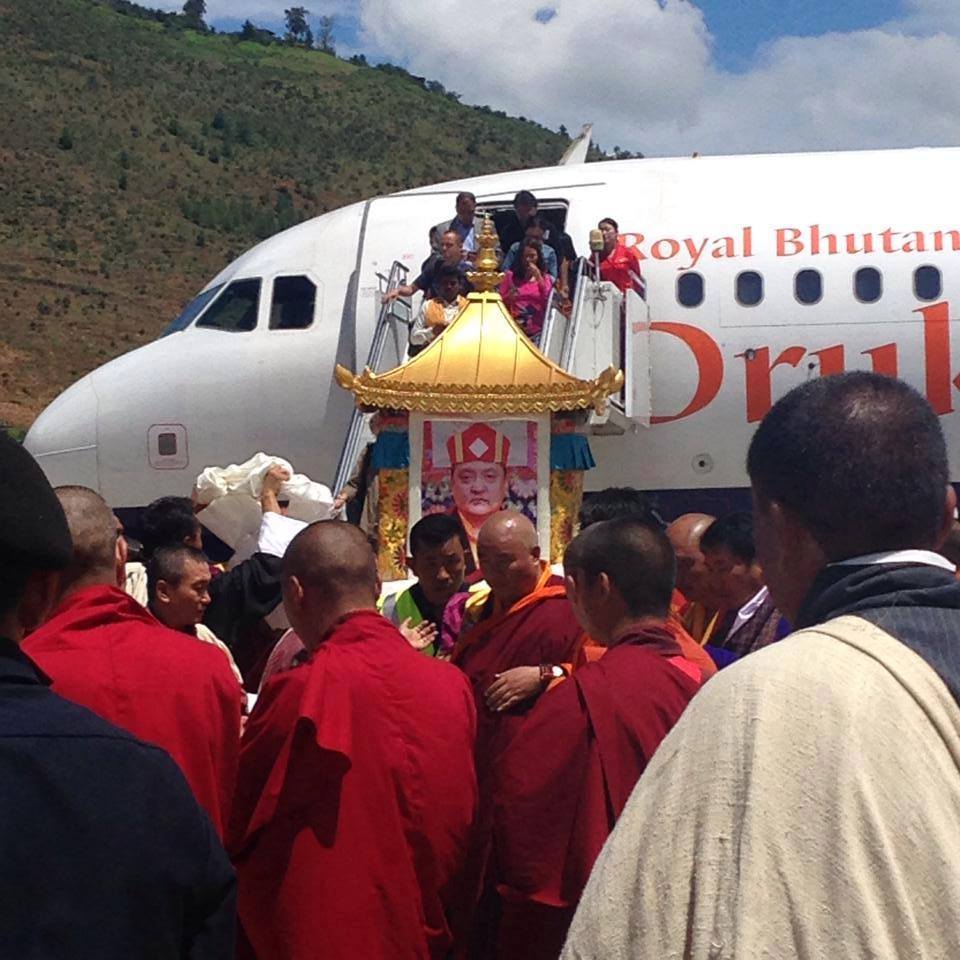
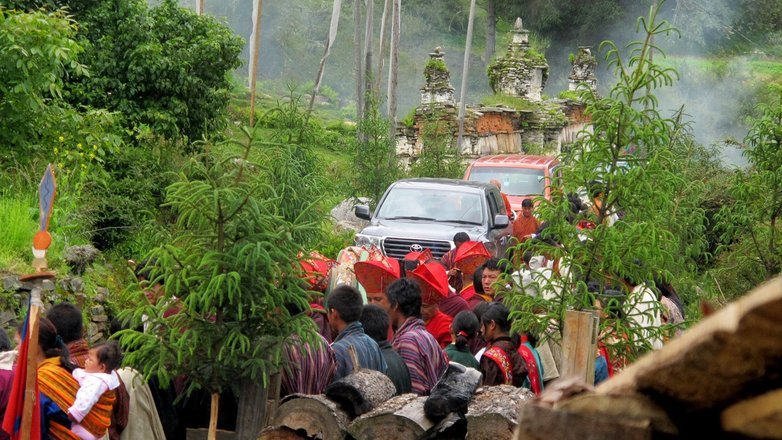
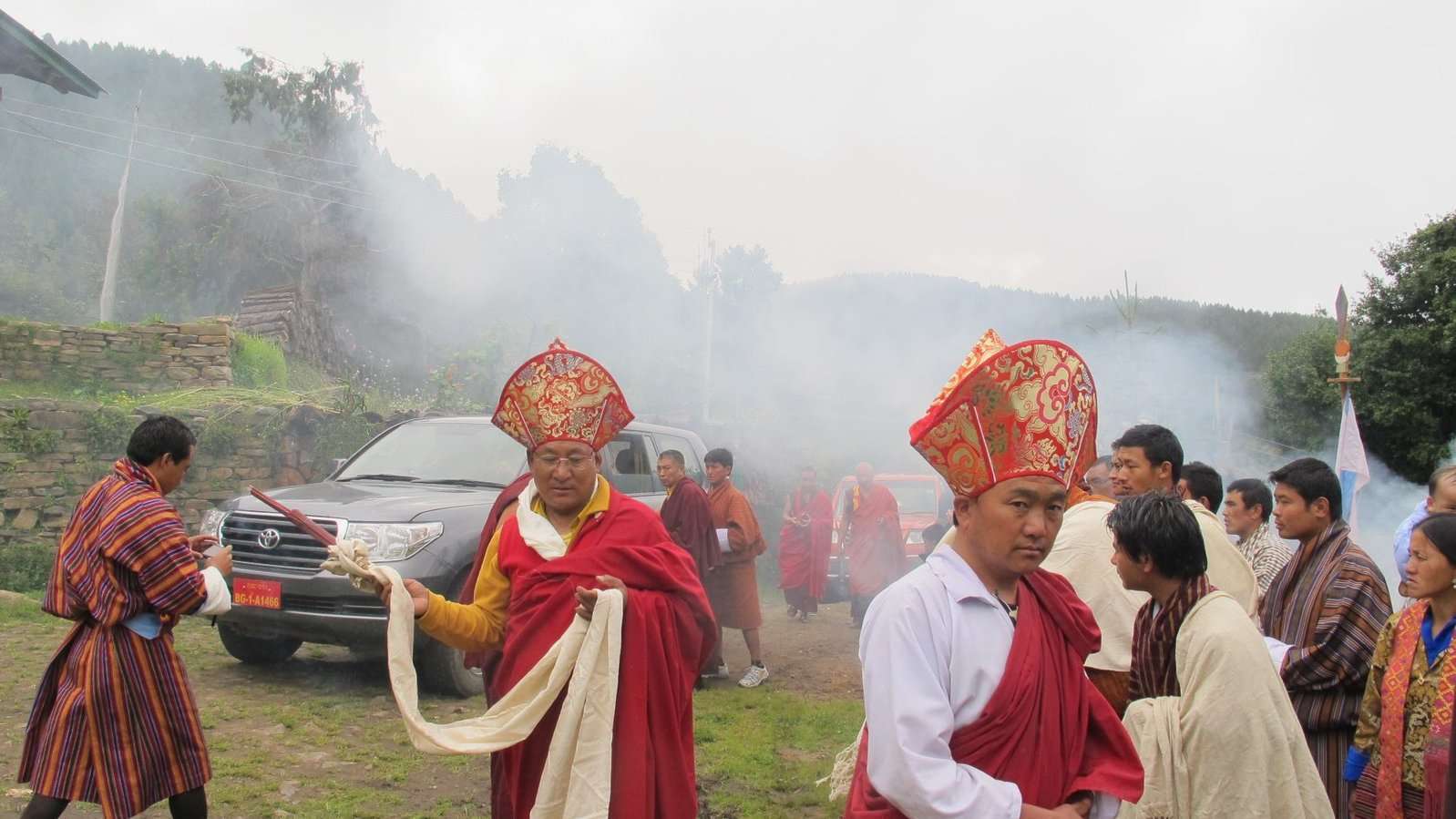
July 28,2014
The kudung’s journey to Nepal is delayed due to difficulties in obtaining travel authorizations and permits.
Even these problems are a bodhisattva’s wish, and because of this one circumstance, everyone was able to connect,
recalls Jigme Rinpoche in the documentary.
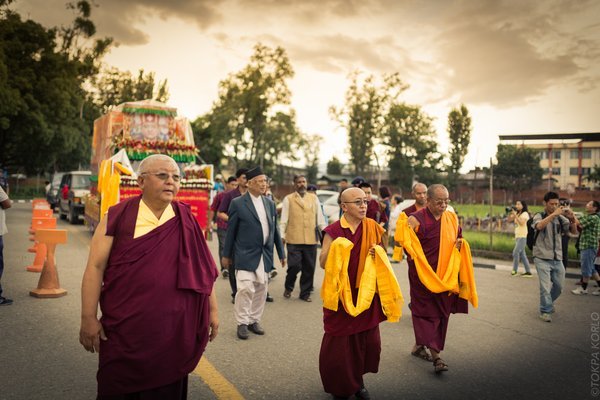
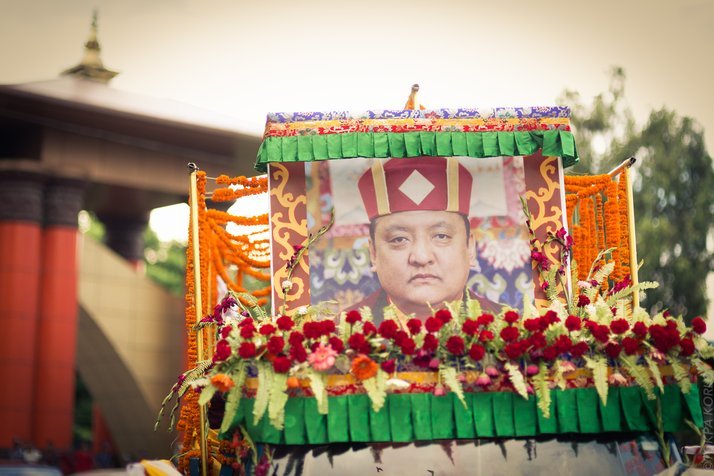
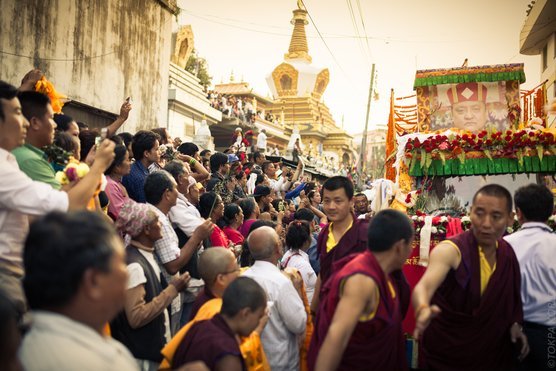
Once the green light is received, Künzig Shamarpa’s kudung arrives at Kathmandu’s Tribuhvan Airport. Once again, thousands of people line the streets from the airport to Shar Minub Monastery, offering flowers and khatas along the way.
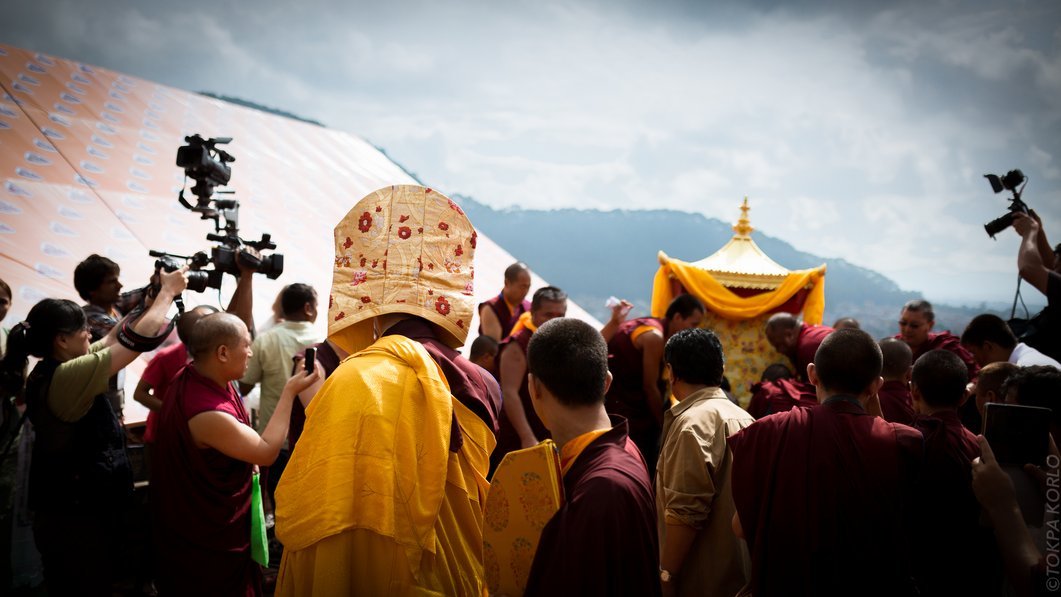
“I’ll never forget, it was endless people as far as the eye could see on all sides, unbelievable,” recalls Tokpa. The motorcade carrying the kudung slowly circumambulates Swayambhu stupa, in front of Shamarpa’s Sri Maha Vihar monastery.
The kudung is then placed in the main hall of Shar Minub, the monastery, retreat center and learning institution founded by Shamar Rinpoche, which was still in construction at the time.
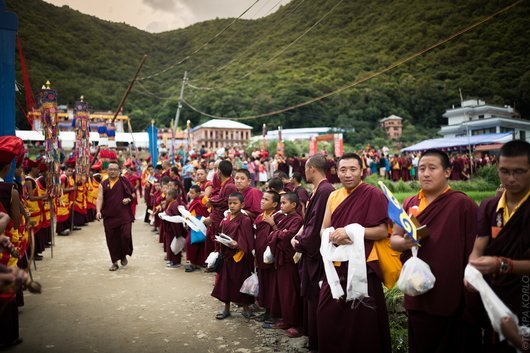
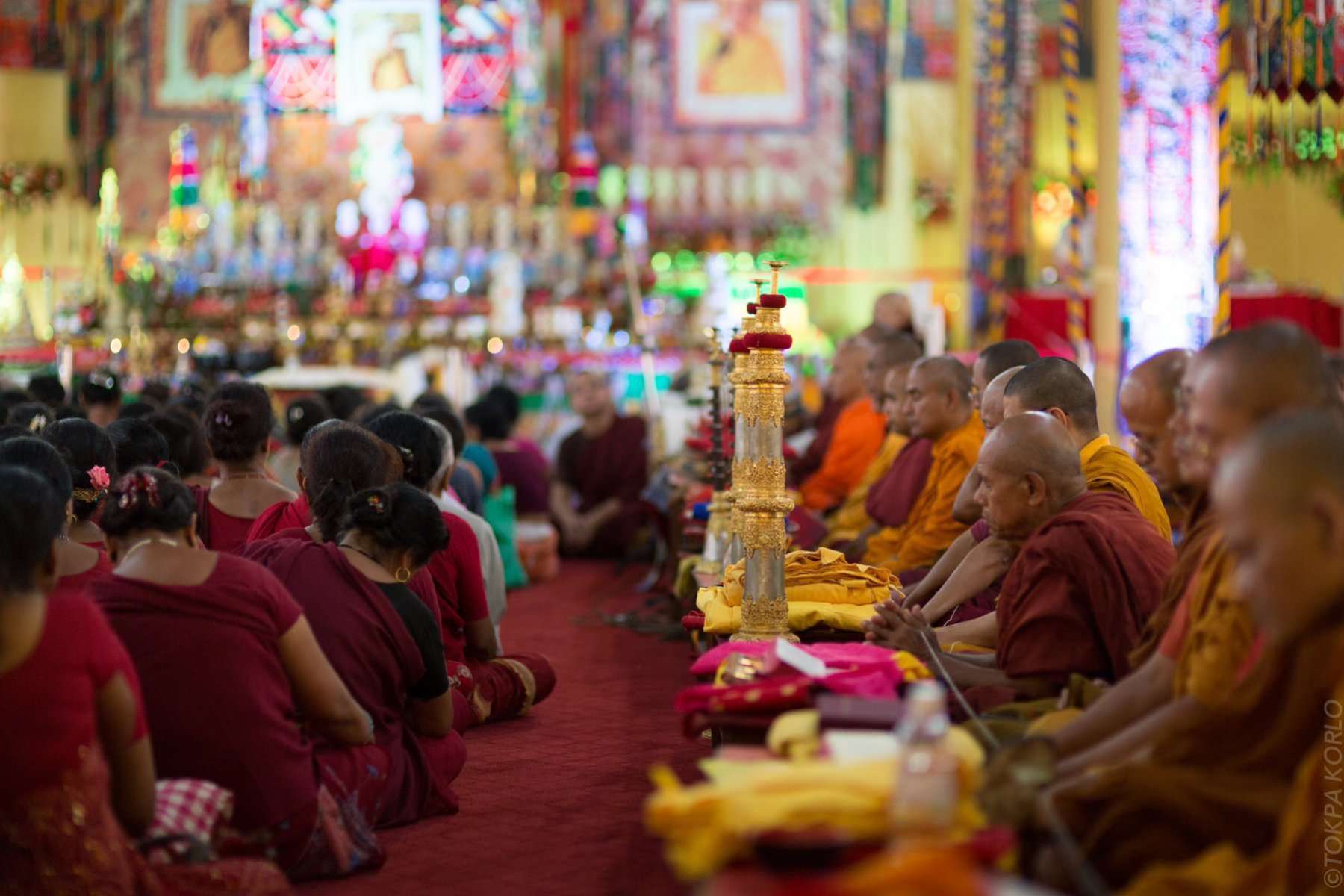
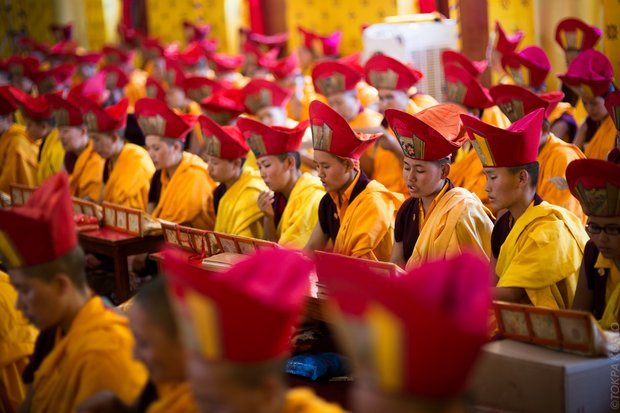
All the Karma Kagyu monks joined together, over one thousand of them and every day did pujas. Between seven to ten thousand people came every day from all over Nepal, devotees from different Buddhist schools – Mahayana, Theravada, Vajrayana, and from different tribes,
Jigme Rinpoche in The Final Flame.
Avalokeshvara and Hevajra practice are conducted as offerings.
From the moment the kudung arrived in Kathmandu until the cremation, there were constantly rainbow coloured clouds which were quite amazing to see. I had never seen that before.
recalls Trinlay Rinpoche
July 31, 2014
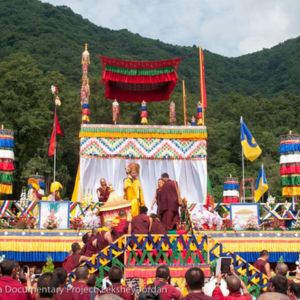
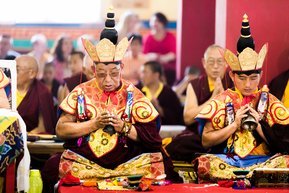
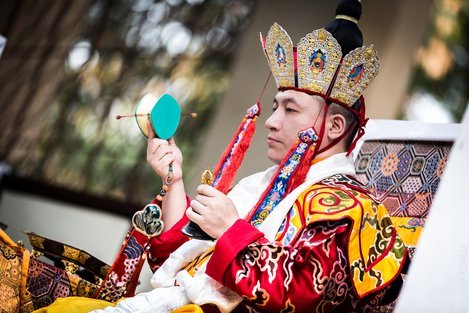
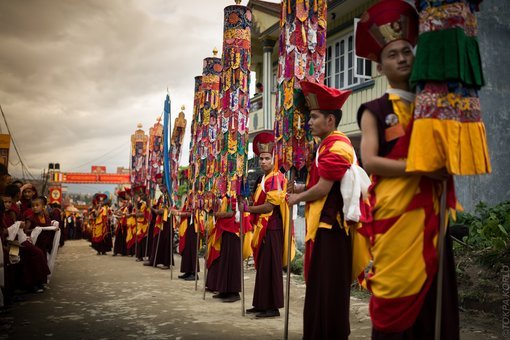
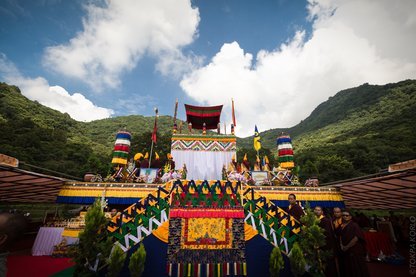
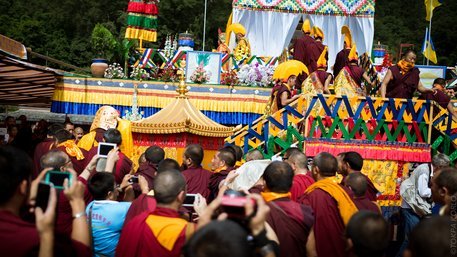
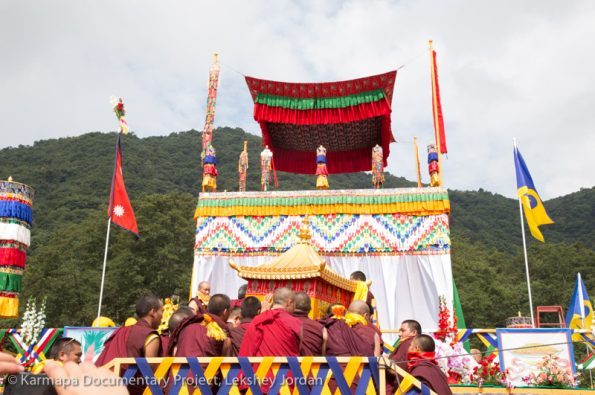
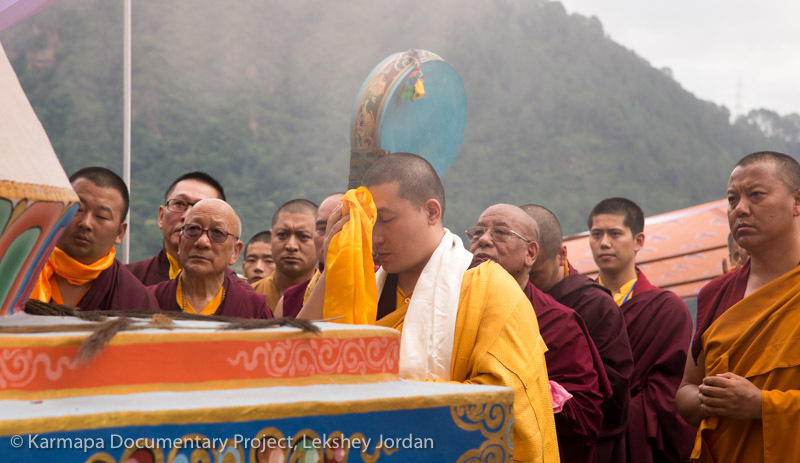
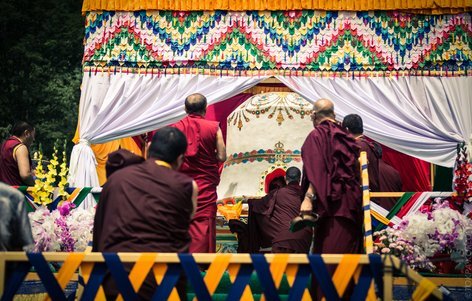
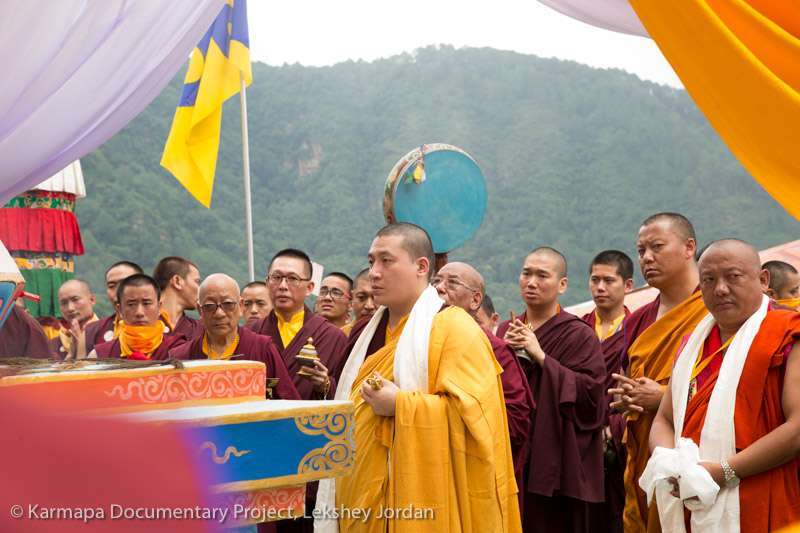
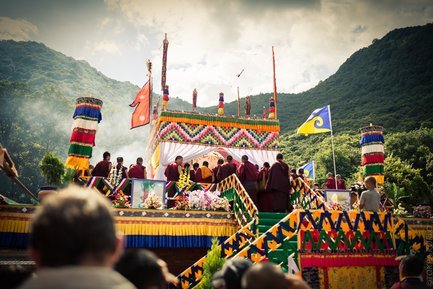
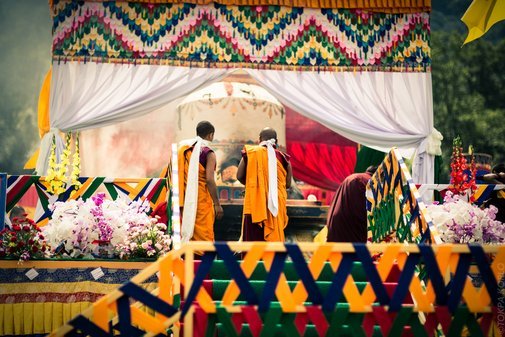
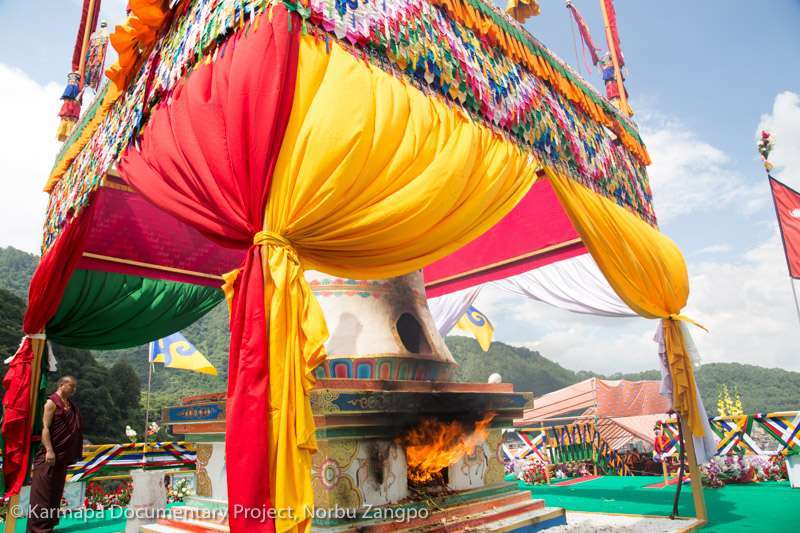
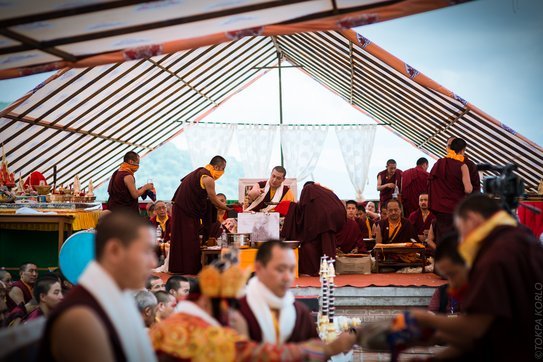
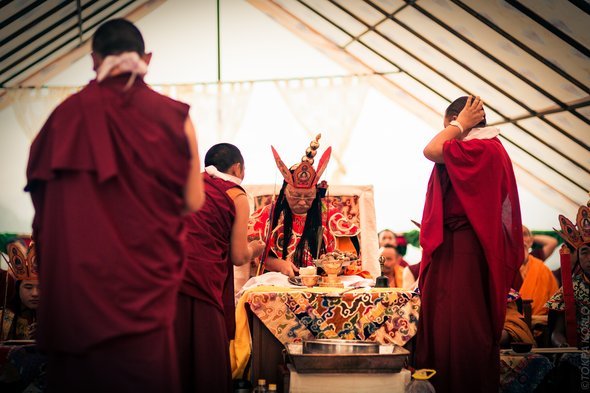
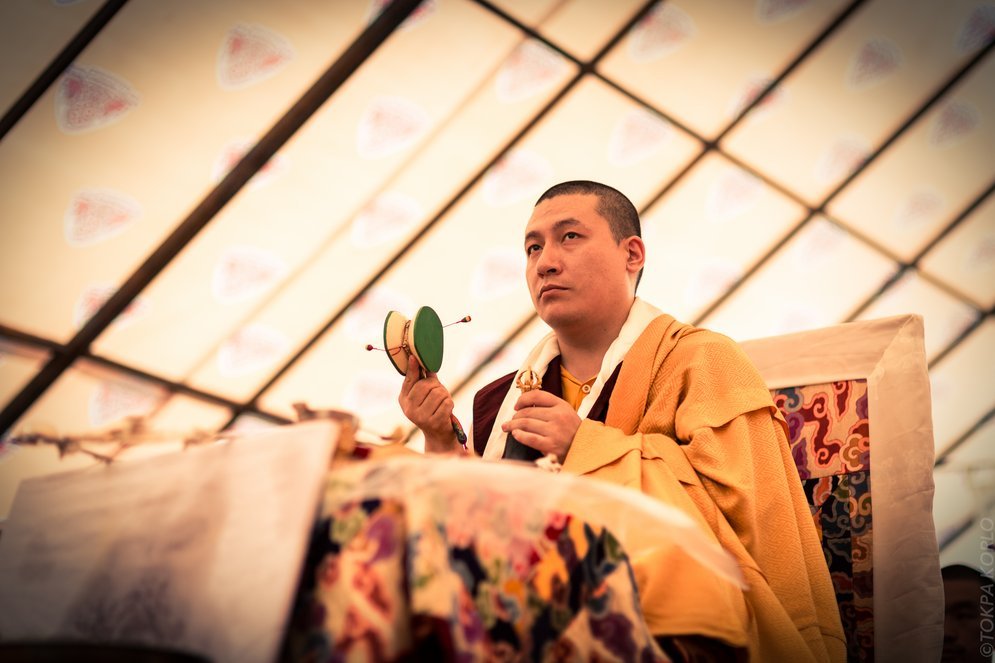
Shamarpa had requested that his cremation take place at Shar Minub Monastery. The cremation ceremonies are led by the 17th Gyalwa Karmapa, beginning with six pujas simultaneously conducted by different eminent Buddhist masters.
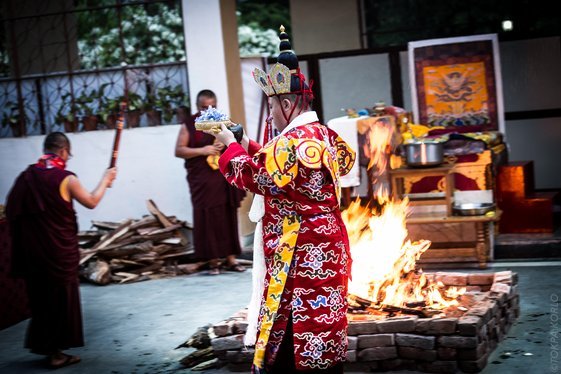
In the area at the front, directly facing the cremation stupa, Karmapa leads the puja of Gyalwa Gyamtso (Sanskrit: Jinasagāra). Also at the front facing the cremation stupa, Sakya master Luding Khen Rinpoche of Ngor Monastery leads the puja of Kye Dorje (Skt: Hevajra) with several masters. To the south, the puja of Mitrugpa (Skt: Akṣhobhya) is performed by Lektsho Lopön of the central monastic body of Bhutan (Drukpa Kagyu). To the north, from the Nyingma school, Tsikey Chokling Rinpoche performs Samantabhadra’s Heart Essence fire puja of Dorje Sempa (Skt: Vajrasattva). Also to the north, Jamgon Kongtrul Rinpoche leads the puja of Dorje Pamo (Skt: Vajrayogini). To the south, Trungram Gyaltrul Rinpoche and Lopon Rinpoche (Karma Kagyu) perform the puja of Korlo Demchok (Skt: Chakrasamvara).
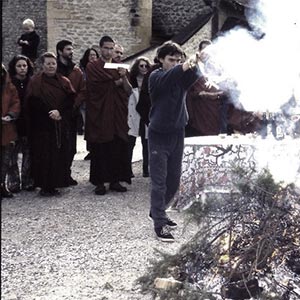
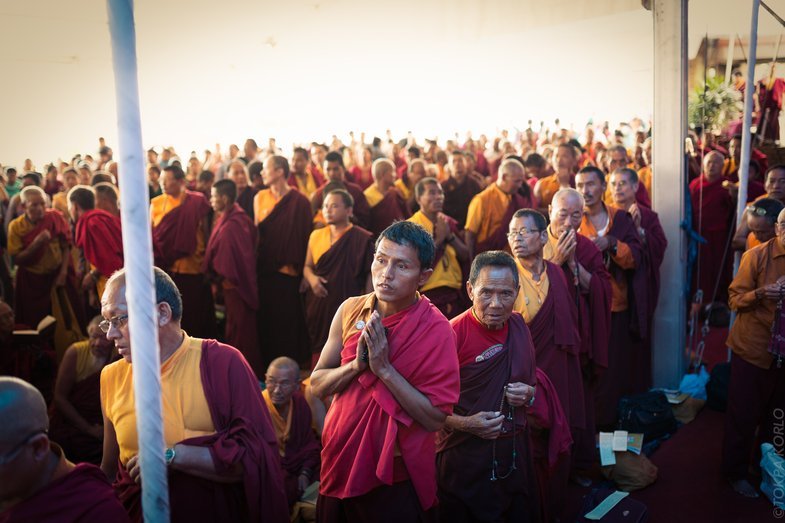
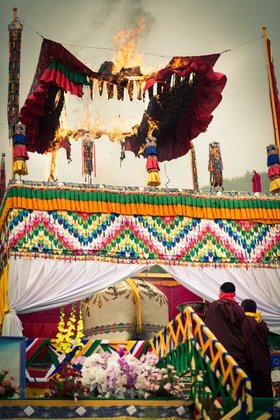
These six pujas are followed by the fire offering (Tib: Jinsek) of the kudung, where the ceremonial fire was lit under the stupa, as per tradition, by a young boy who had never met Shamar Rinpoche. At this time, twenty-seven birds fly around the burning stupa, considered to be an auspicious sign. Many dignitaries attend, together with tens of thousands of devotees from Nepal, India, and across the world, who filed past the cremation stupa to offer a kata and prayers.
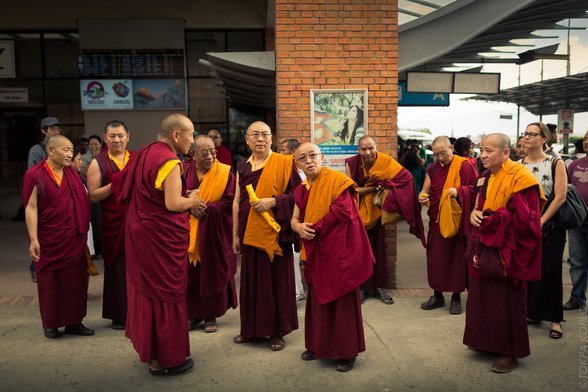






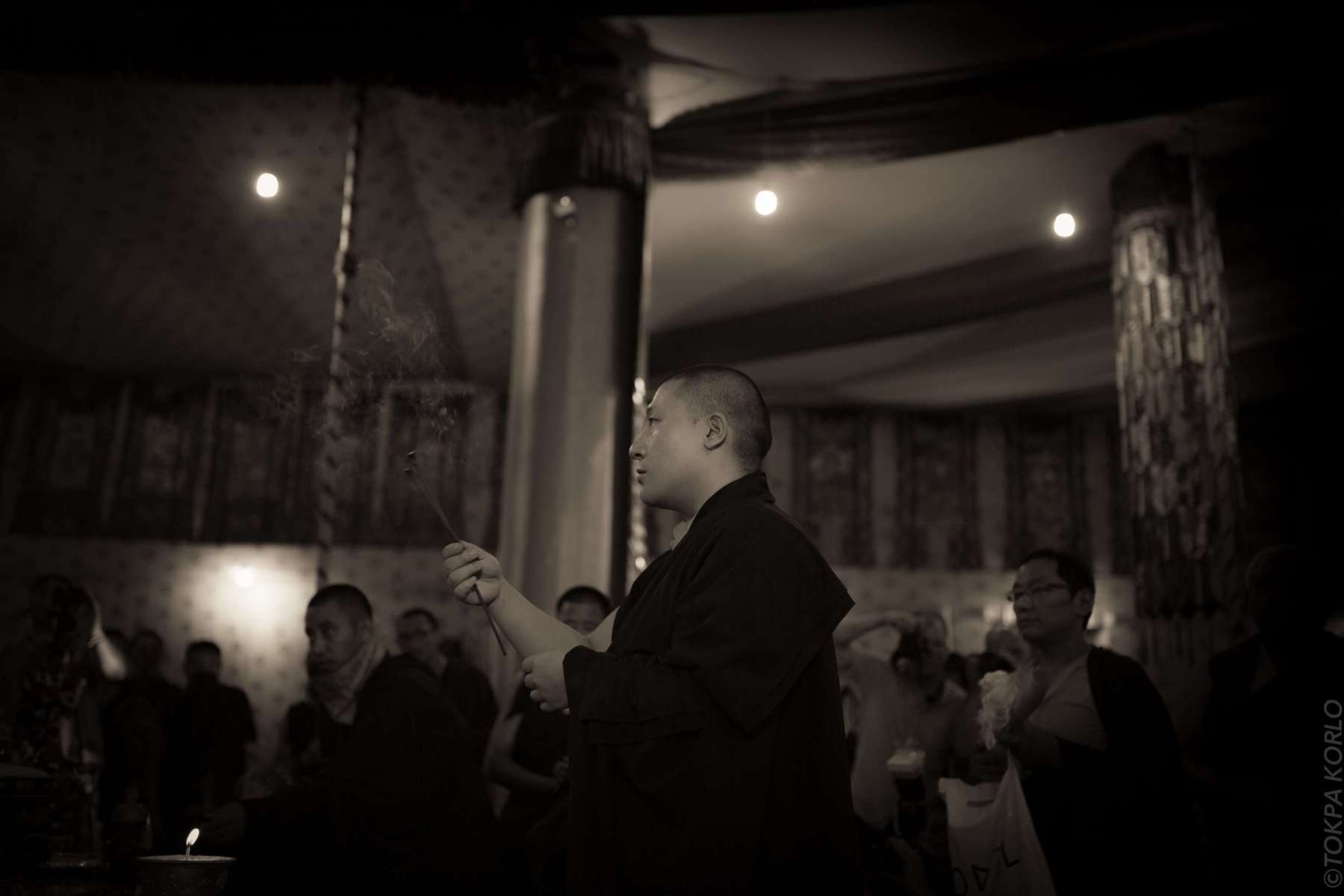

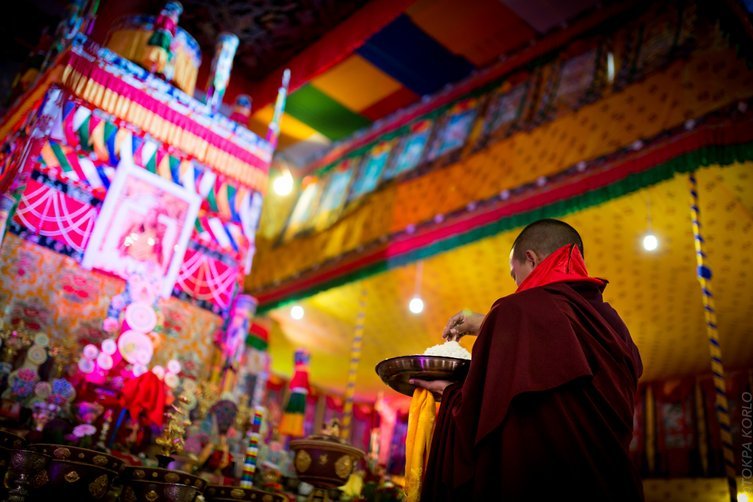

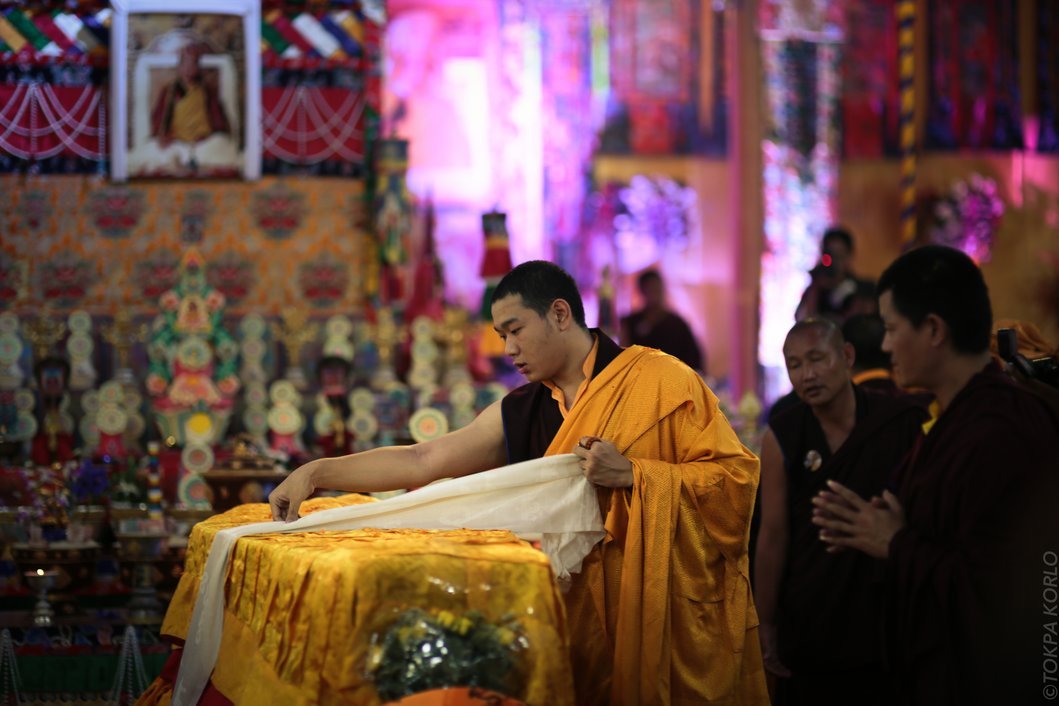
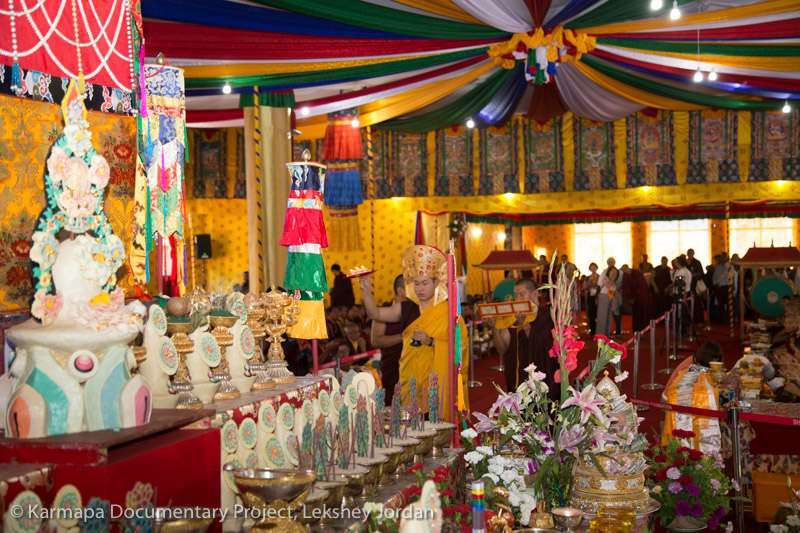









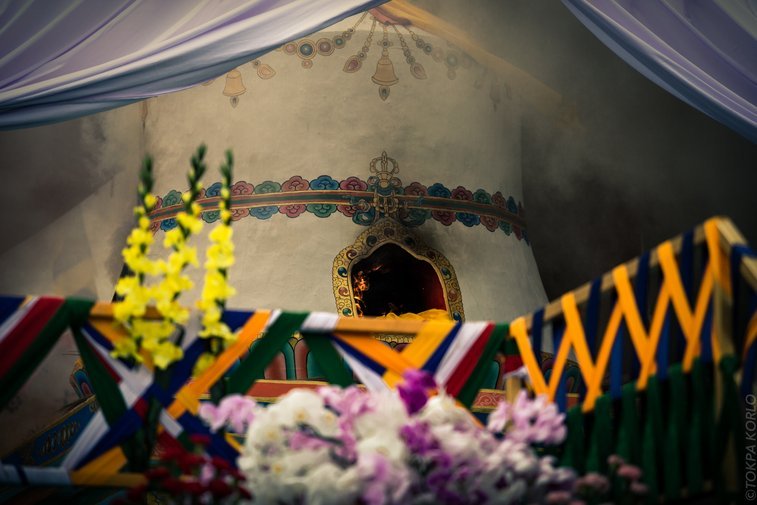
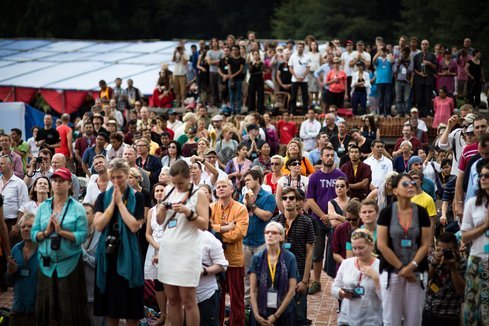
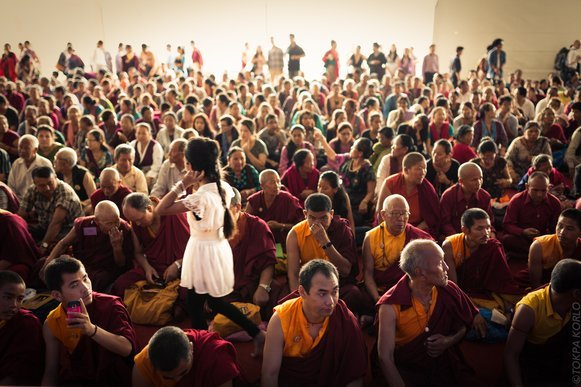
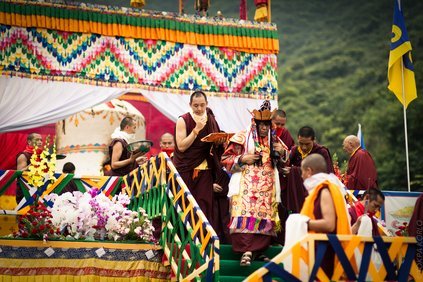








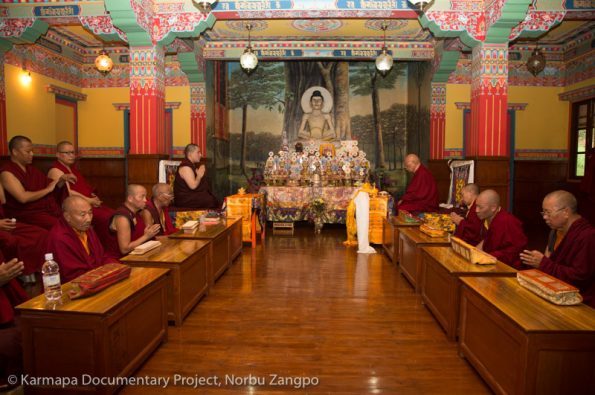
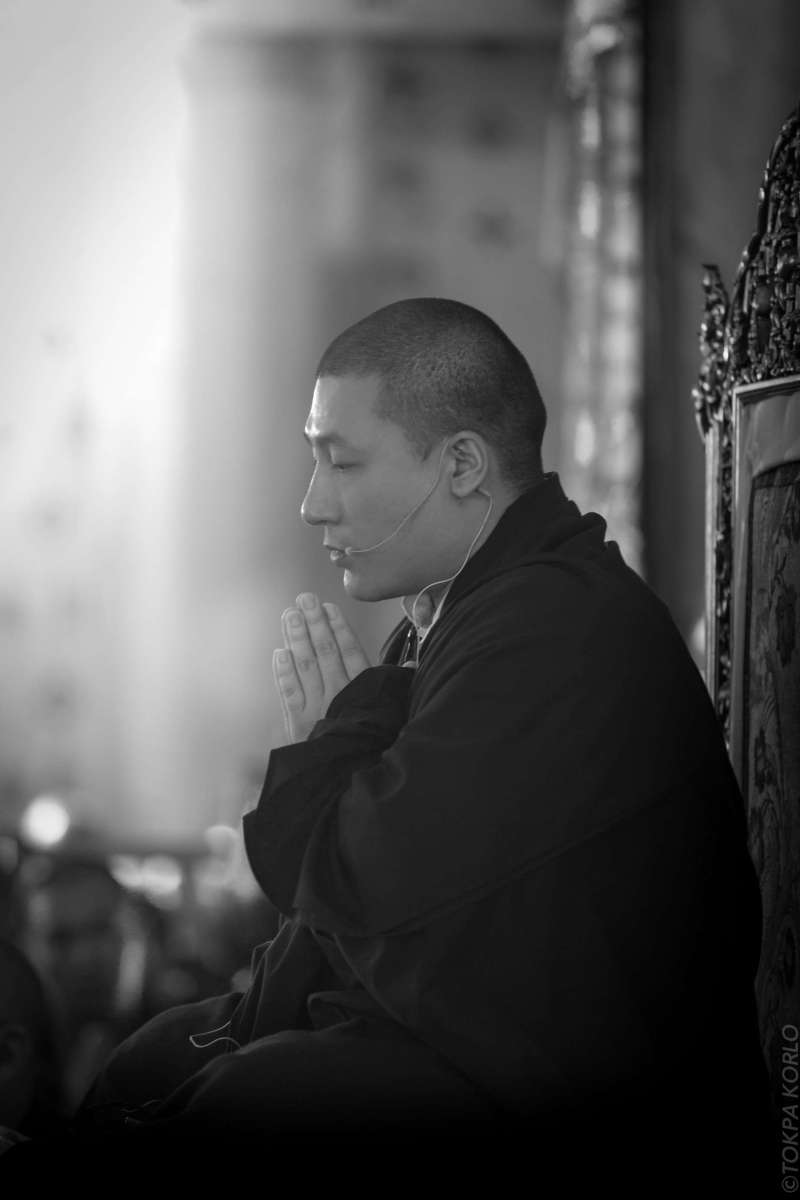
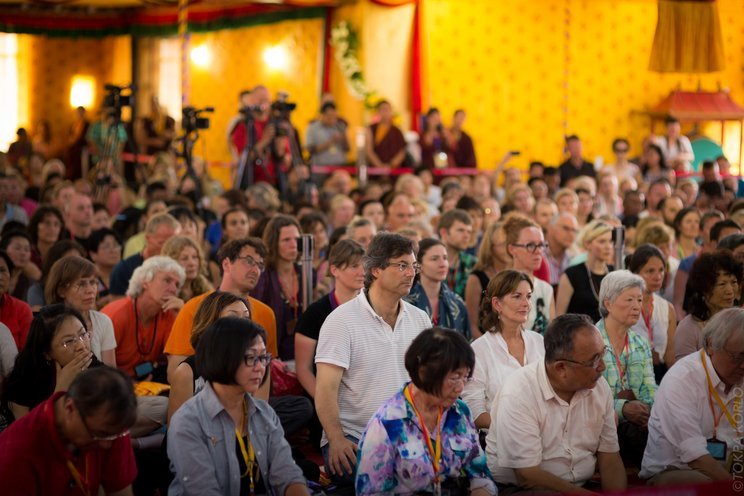
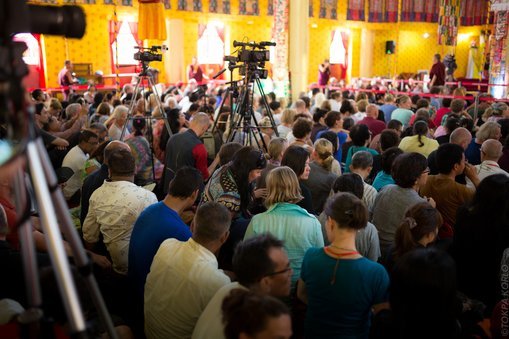

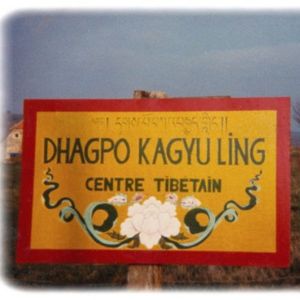
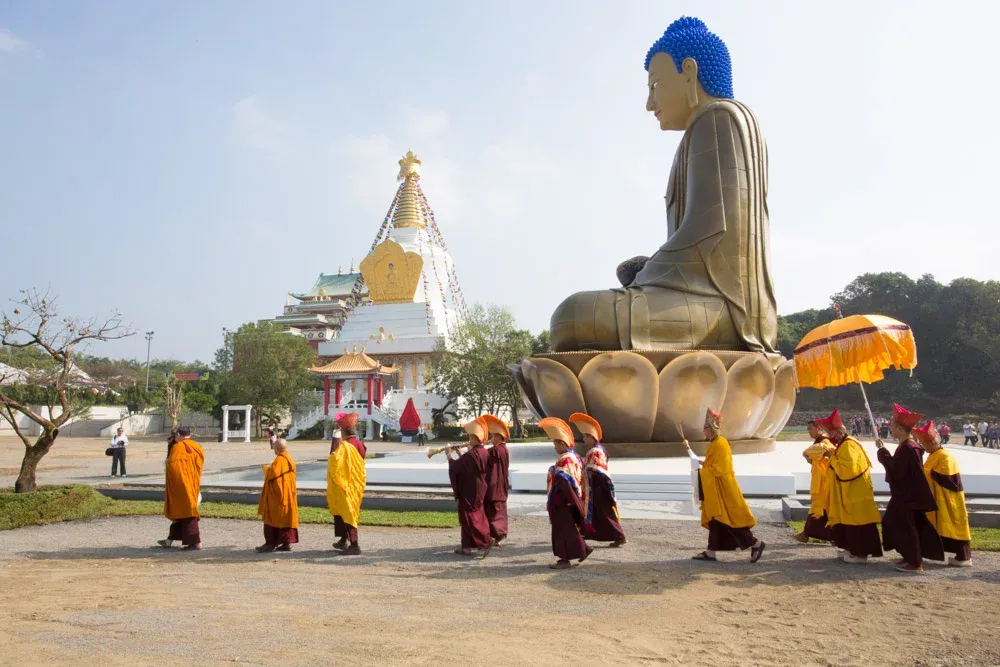
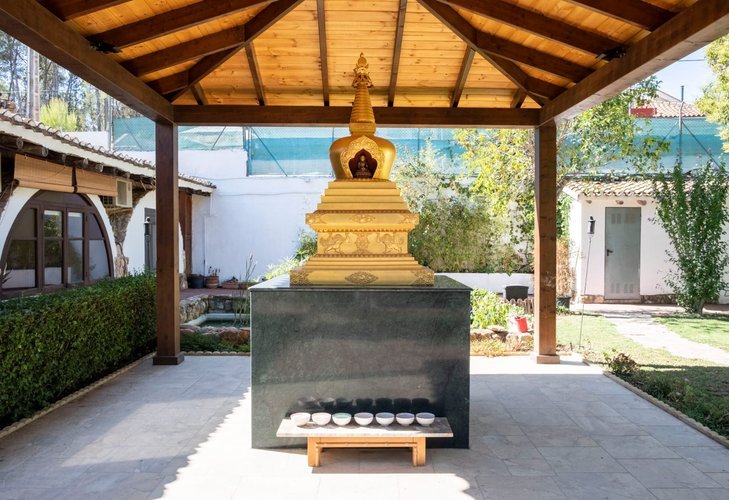
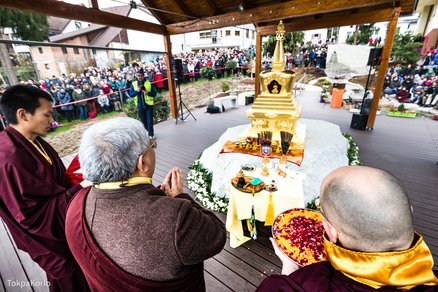
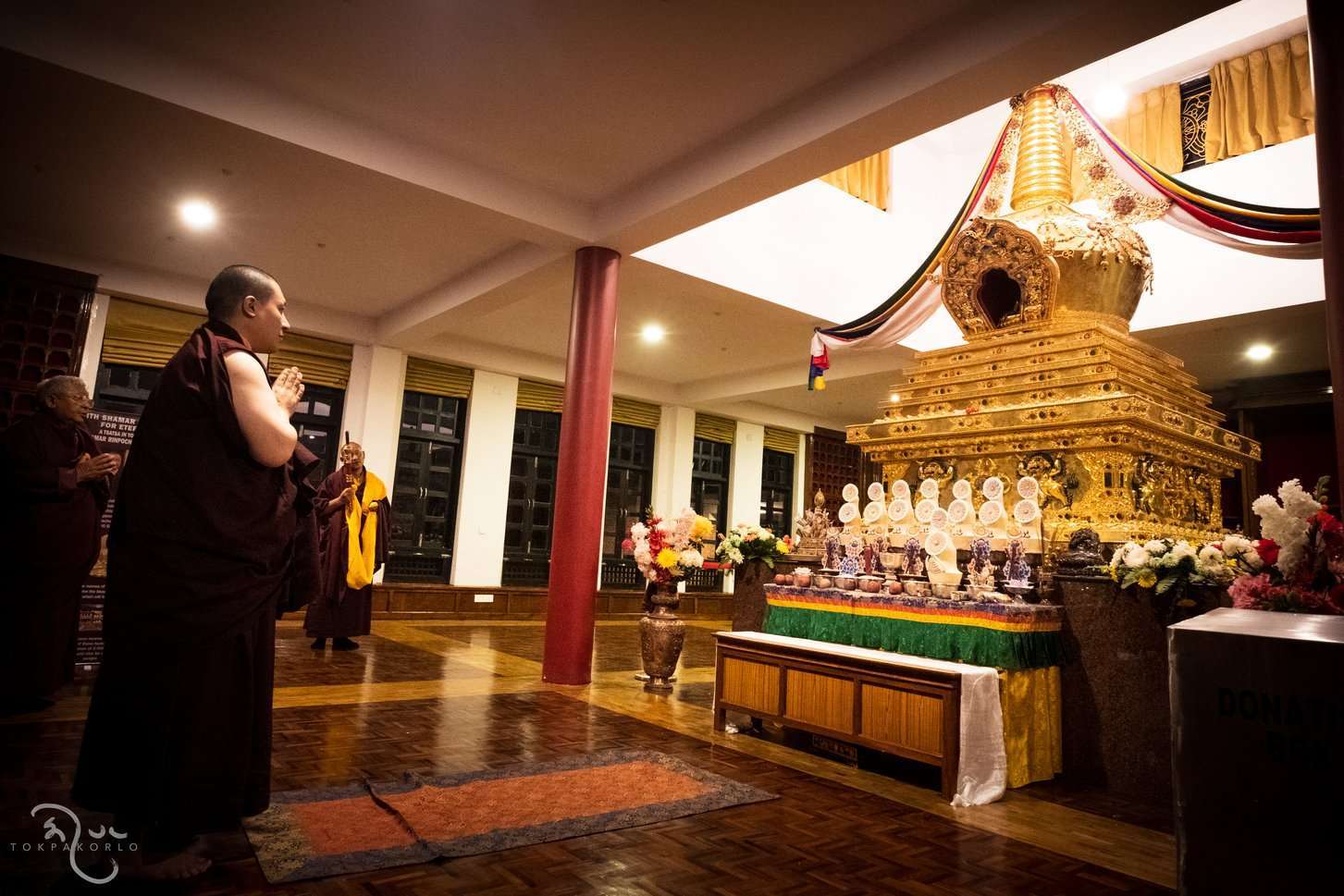
Today, relics from the kudung are placed in stupas in France (at Dhagpo Kagyu Ling and Karmapa Institute), in Germany (at Bodhi Path Renchen Ulm), in the US (at Bodhi Path Natural Bridge), in Nepal, at at Shar Minub monastery, Nepal, in India, at Diwakar Academy, Kalimpong, Pal Karme Sangha Duché, Rumtek, at Yangpachen, the seat of the Shamarpas in Tibet, in Taiwan, at the Karma Kagyu Monastery, and in Spain (at Bodhi Path Valencia), carrying the blessing of this highly realized master, the manifestation in this world of Buddha Amitabha. At the end of the documentary, Karmapa etches a smile and notes:
Well, he’s everywhere now. Again it’s a different kind of teaching





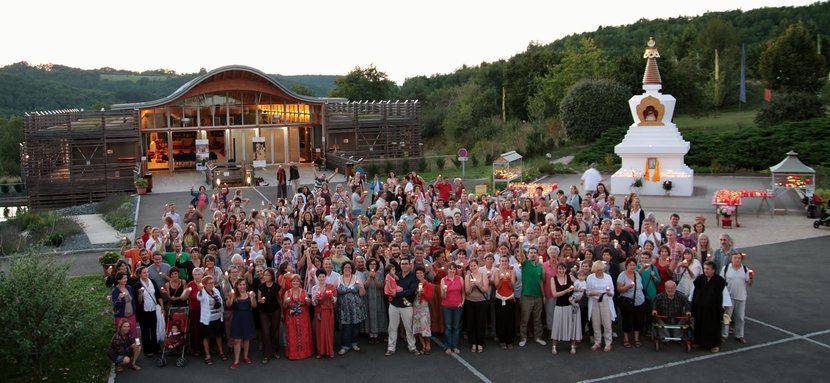
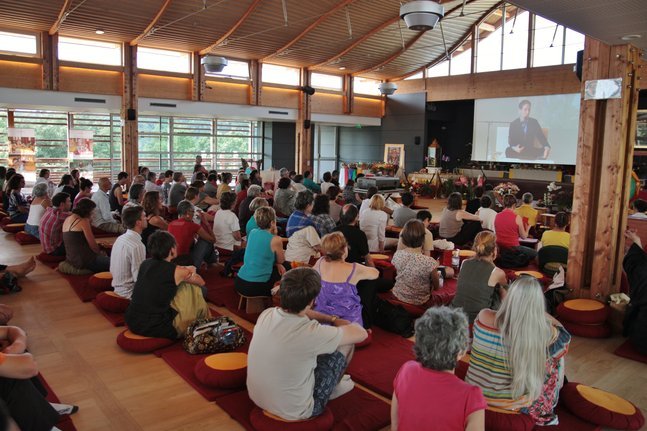
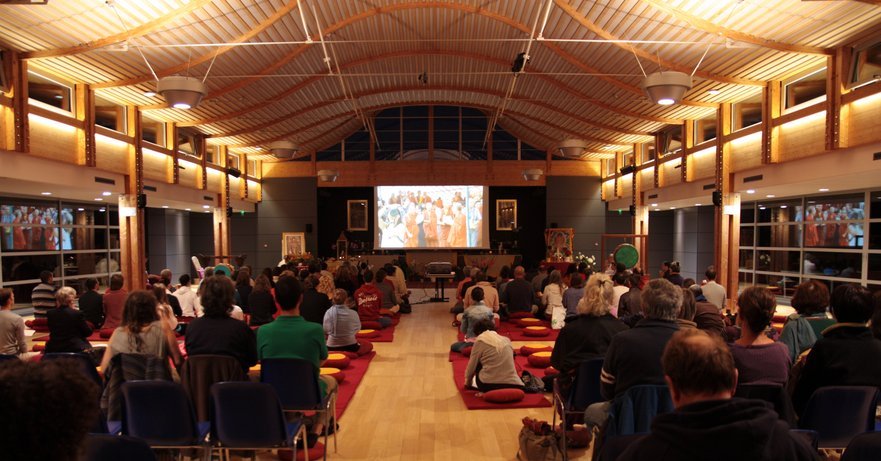
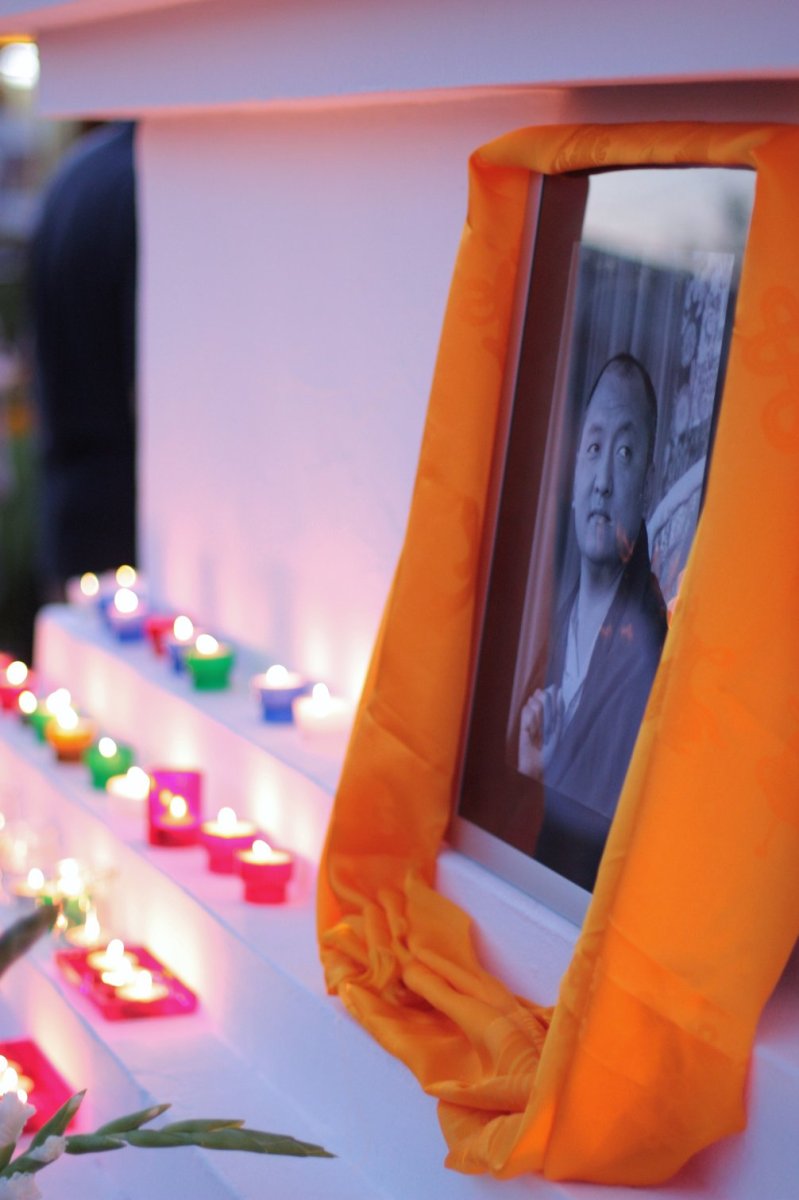
July 31 at Dhagpo Kagyu Ling








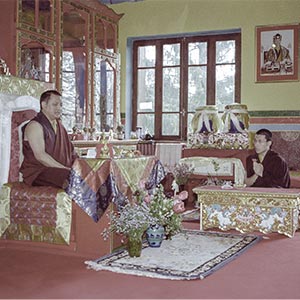
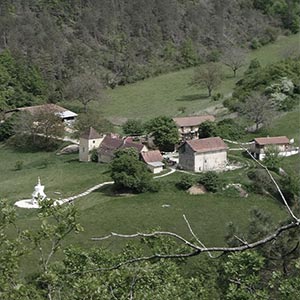
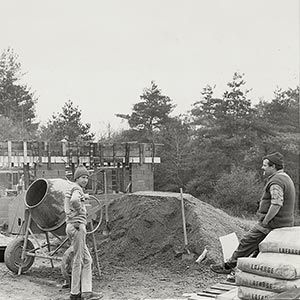
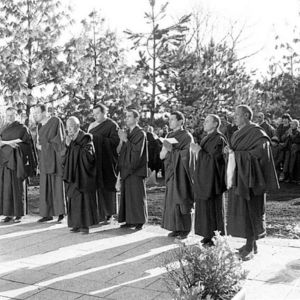
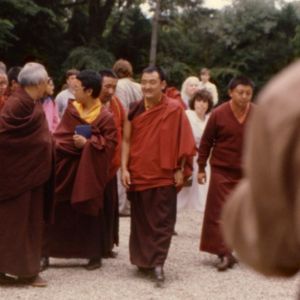
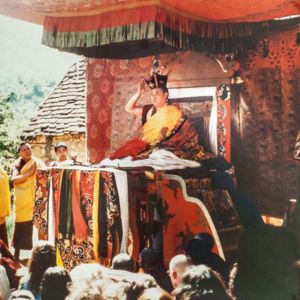
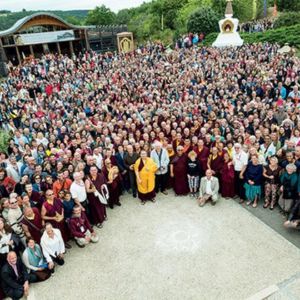
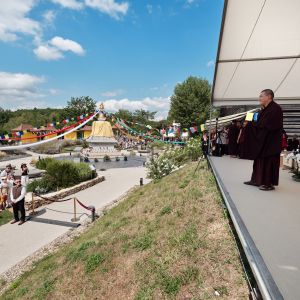
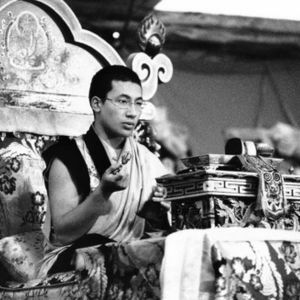
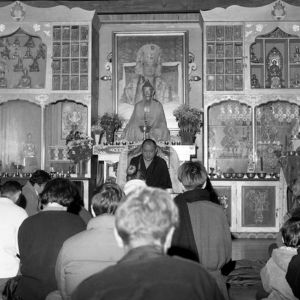
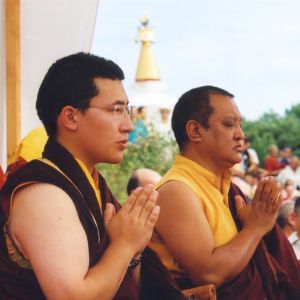
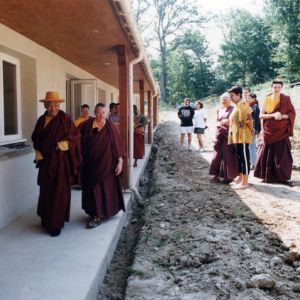
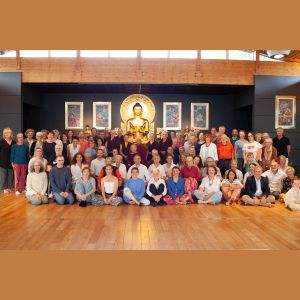
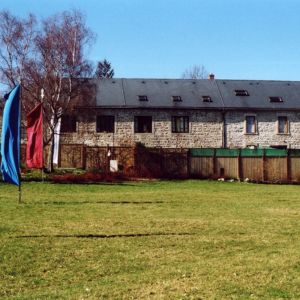
These photos come from our archives or were collected as part of the research for Dhagpo Kagyu Ling’s 50th anniversary. We have not been able to identify all the authors. The use of these photos is solely for informational purposes within the context of Dhagpo Kagyu Ling’s 50th anniversary celebration. Their use is limited to this event and our website and is not for commercial purposes.
Event
To commemorate this event, we will recite the Guru Yoga of the 14th Shamarpa during four sessions in the Temple and, in the evening, at 8.30 p.m. we will screen Kudung directed by Tokpa Korlo (in English).


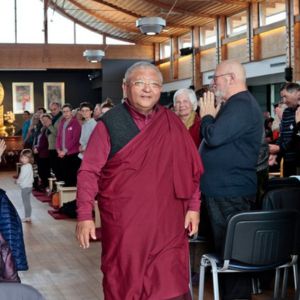
These photos come from our archives or were collected as part of the research for Dhagpo Kagyu Ling’s 50th anniversary. We have not been able to identify all the authors. The use of these photos is solely for informational purposes within the context of Dhagpo Kagyu Ling’s 50th anniversary celebration. Their use is limited to this event and our website and is not for commercial purposes.