
From a clear mind, confidence in the teachings arises.
The Thirty-Seven Practices of the Bodhisattvas
Creating conditions for study, contemplation and meditation is a core aspect of anchoring Buddhist wisdom in the West and for its integration in the minds of practitioners.
The five resources recommended by the 16th Karmapa Rangjung Rigpe Dorje are all related to these three major aspects of the Buddhist path.
The launch of Dhagpo Kagyu Ling’s summer university in 1994 thus marks a decisive step in giving Europeans access to the essential foundations of Buddhist philosophy; treasures of knowledge, such as those taught by the Buddha and the highly realized masters who followed him.
The 16th Gyalwa Karmapa wished to accomplish this project so that Westerners could receive the Buddha’s basic teachings and had elsewhere indicated key texts to teach. Then, Künzig Shamar Rinpoche and Lama Jigme Rinpoche guided the ripening of this wish.
Since 1991, Western students have gone to Karmapa International Buddhist Institute (KIBI), inaugurated the previous year by Künzig Shamar Rinpoche, in order to complete a diploma in Buddhist studies taught by the great scholars of the Karma Kagyü lineage. The teacher and translator Dominique Thomas, a resident at Dhagpo during that time, was among them.
It was great for us to be able to study like that, but it wasn’t possible for everyone to come to KIBI for five straight months. And, on the other hand, there were philosophy courses and the study of texts at Dhagpo, but only for a few days and then we picked up again the following year. Things were a bit disparate. That’s where the idea to create this summer university came from.
The program of study occurred over the course of five years for one month each summer. The cycle was intense and went through adaptations over the years. In the first year, participants studied The Rice Seedling Sutra (Sanksrit: Samadhirajasutra) and Kamalashila’s commentary. Foreseen in the following years were The Sixty Stanzas that Demonstrate Emptiness and The Precious Garland of Madhyamika by Nagarjuna; The Treasury of Valid Reasoning by Sakya Pandita; The Treaty that Distinguishes the Nature of Phenomena from Phenomena by Maitreya through the words of Asanga, Realisation Song of Mahamudra by Saraha; Mahamudra Taught on the Banks of the Ganges by Tilopa, The Ten Aspects of Suchness by Maitripa and more.
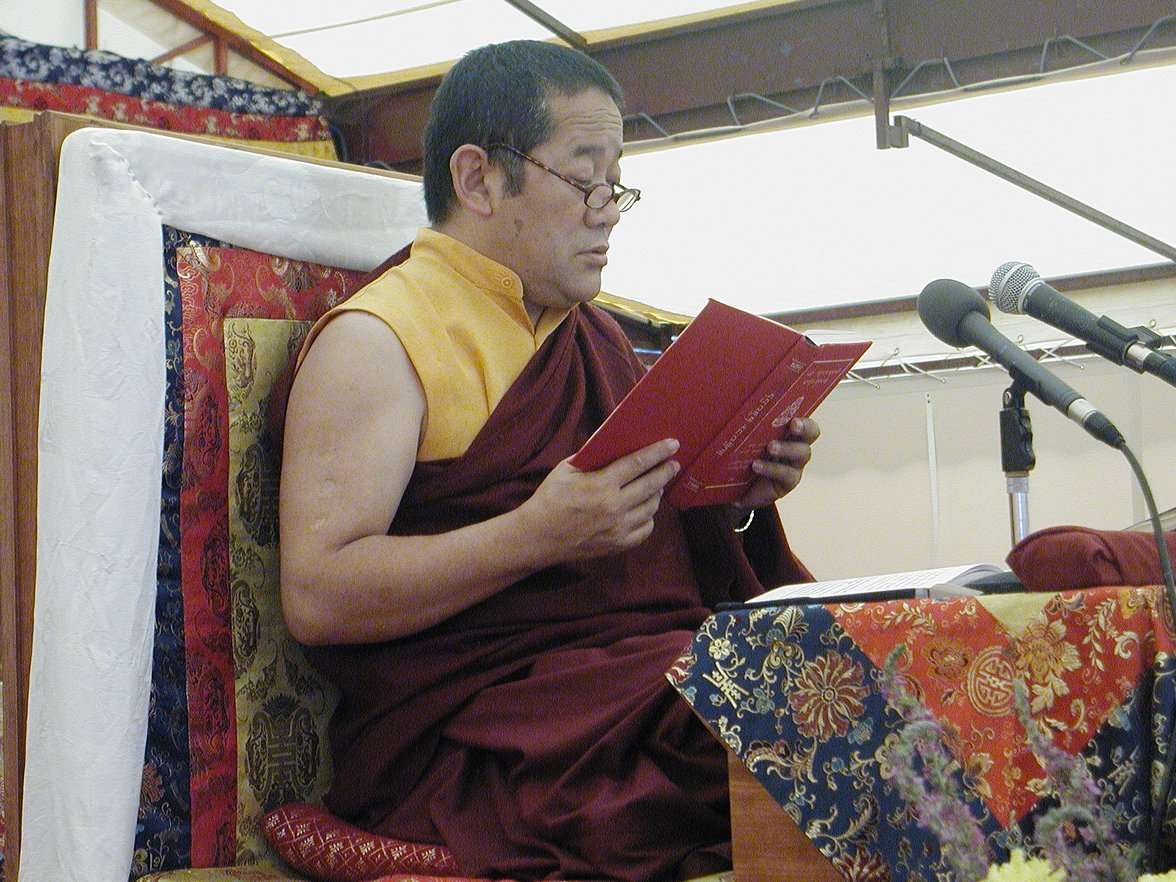
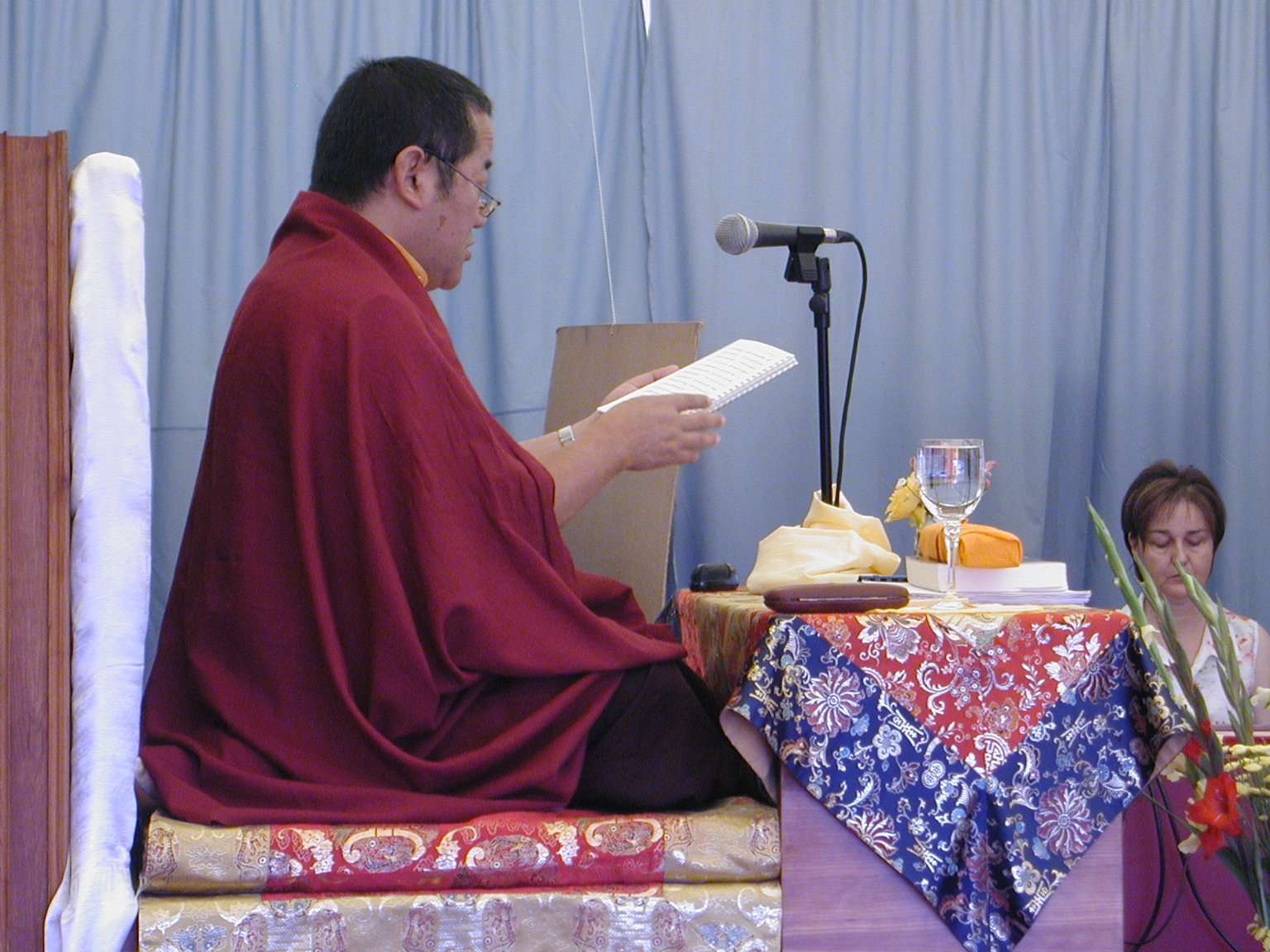
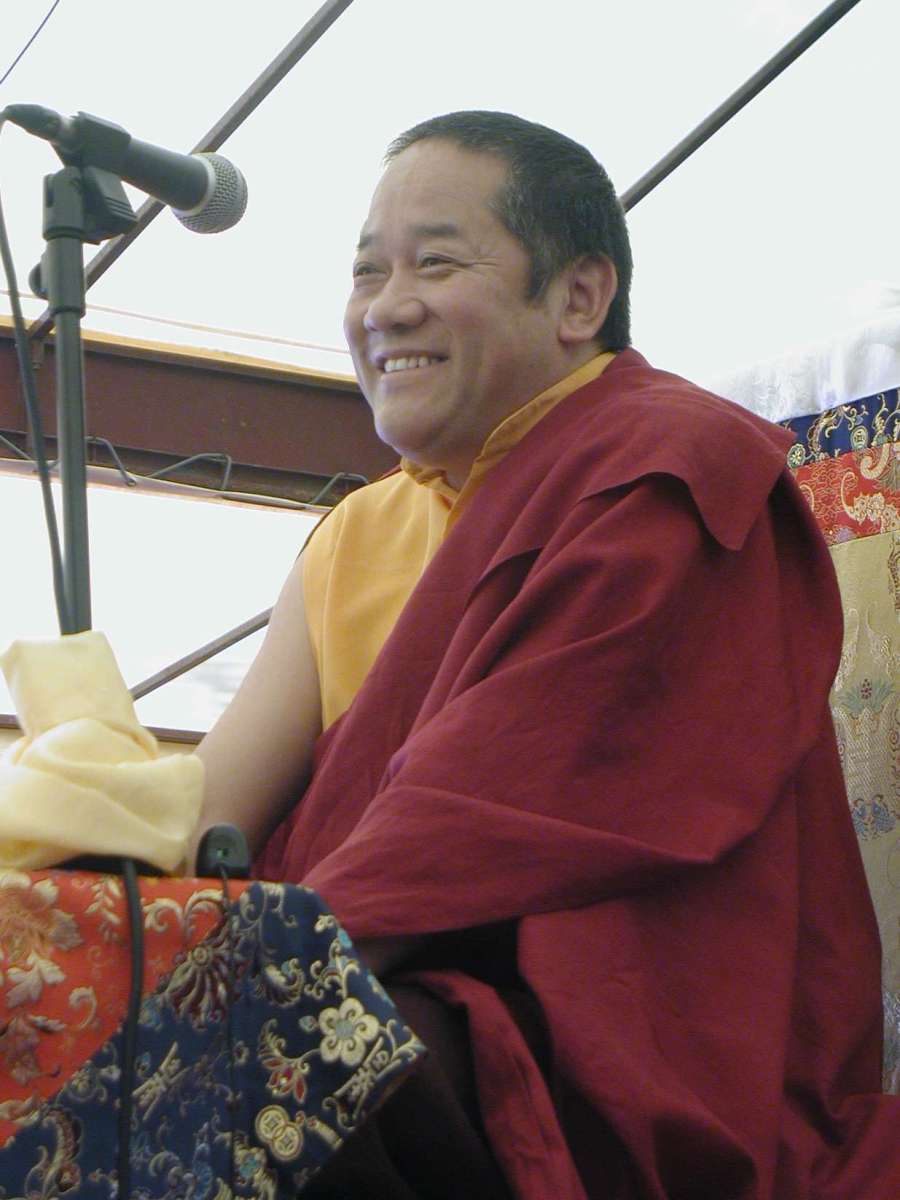
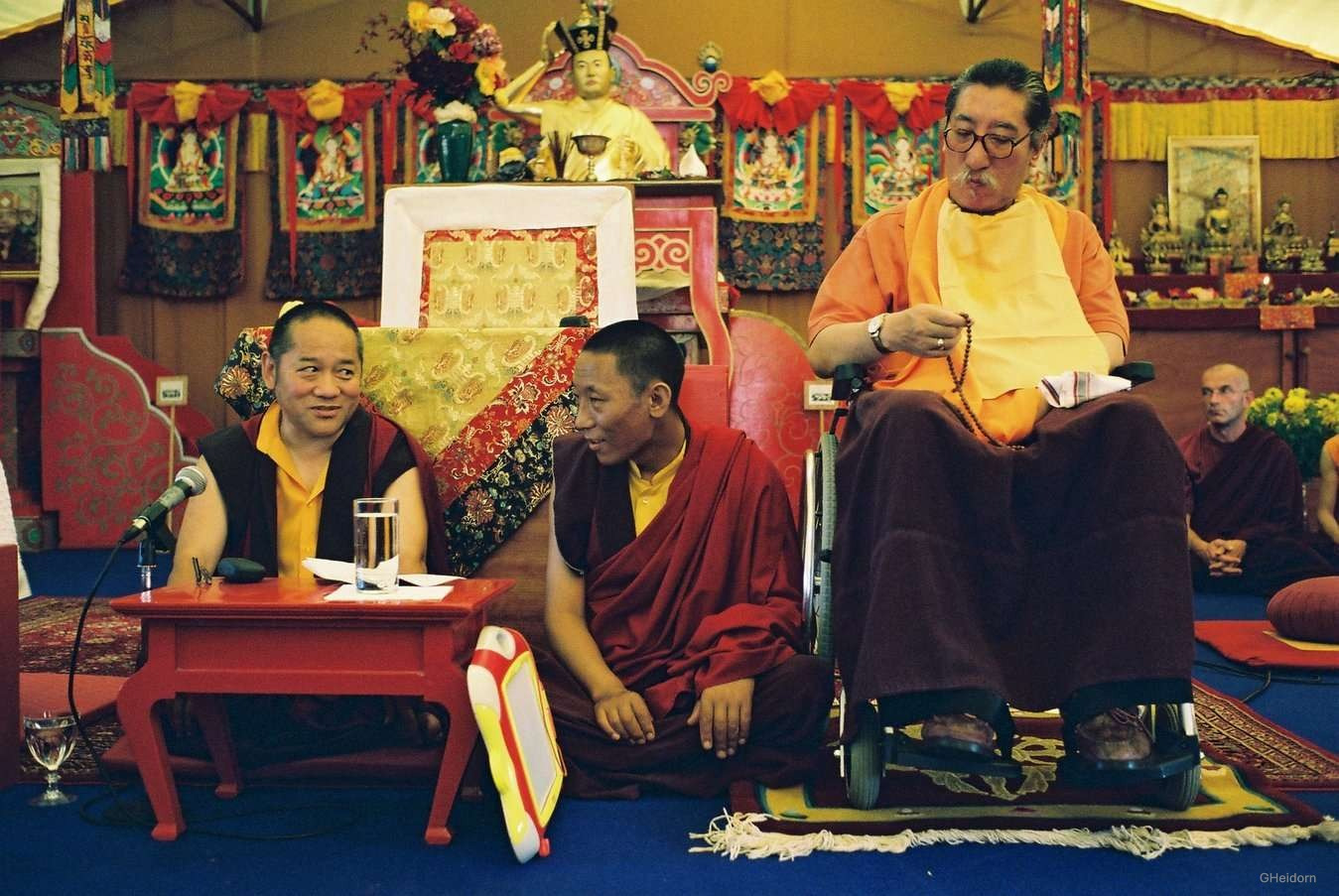
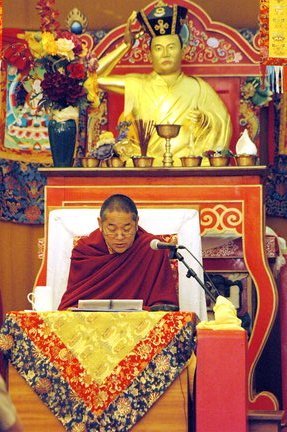
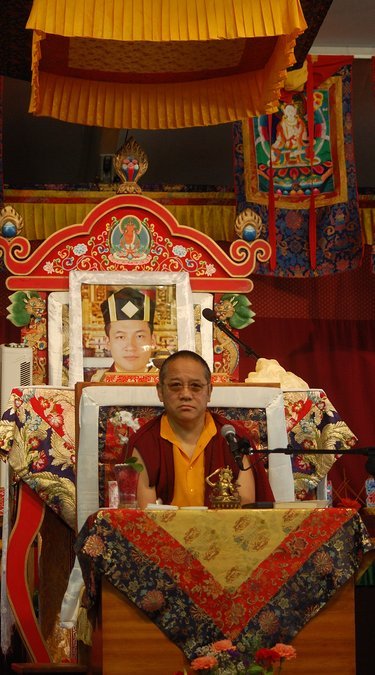
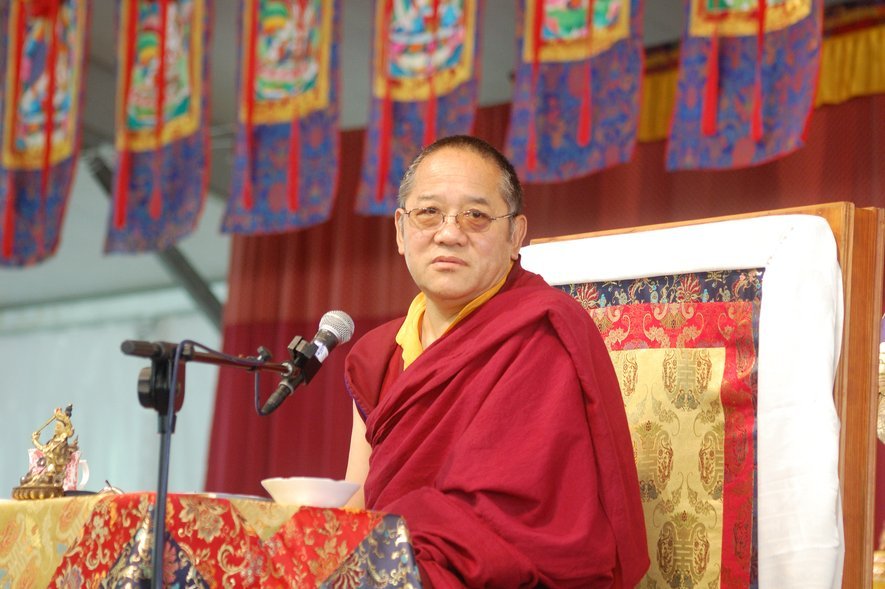
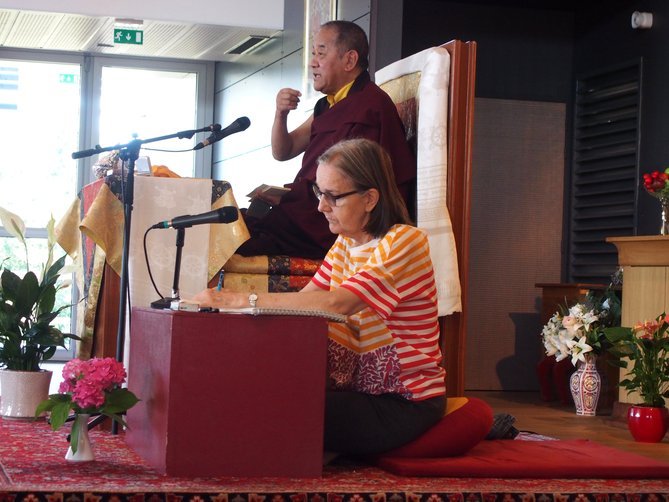
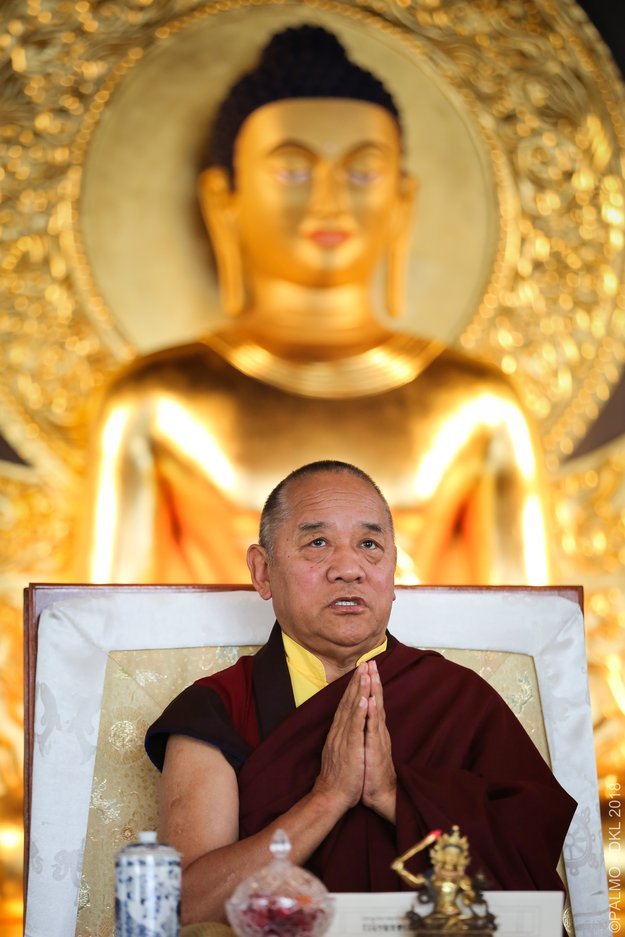
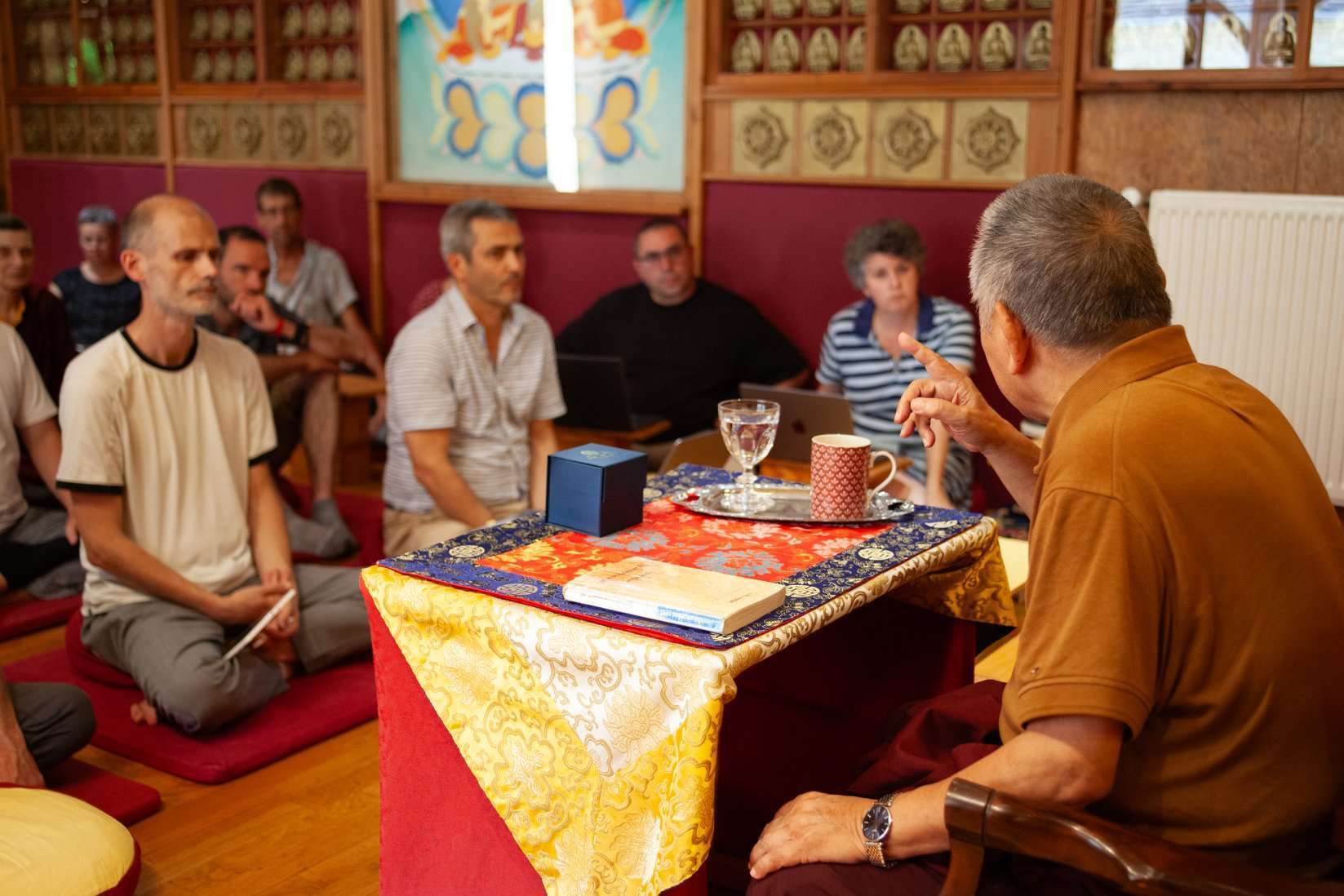
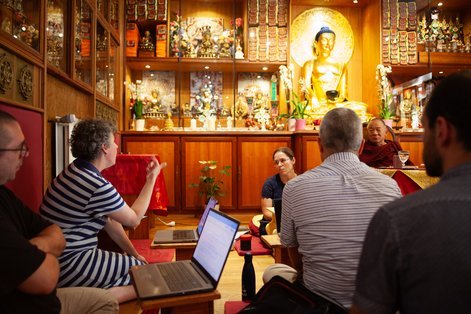
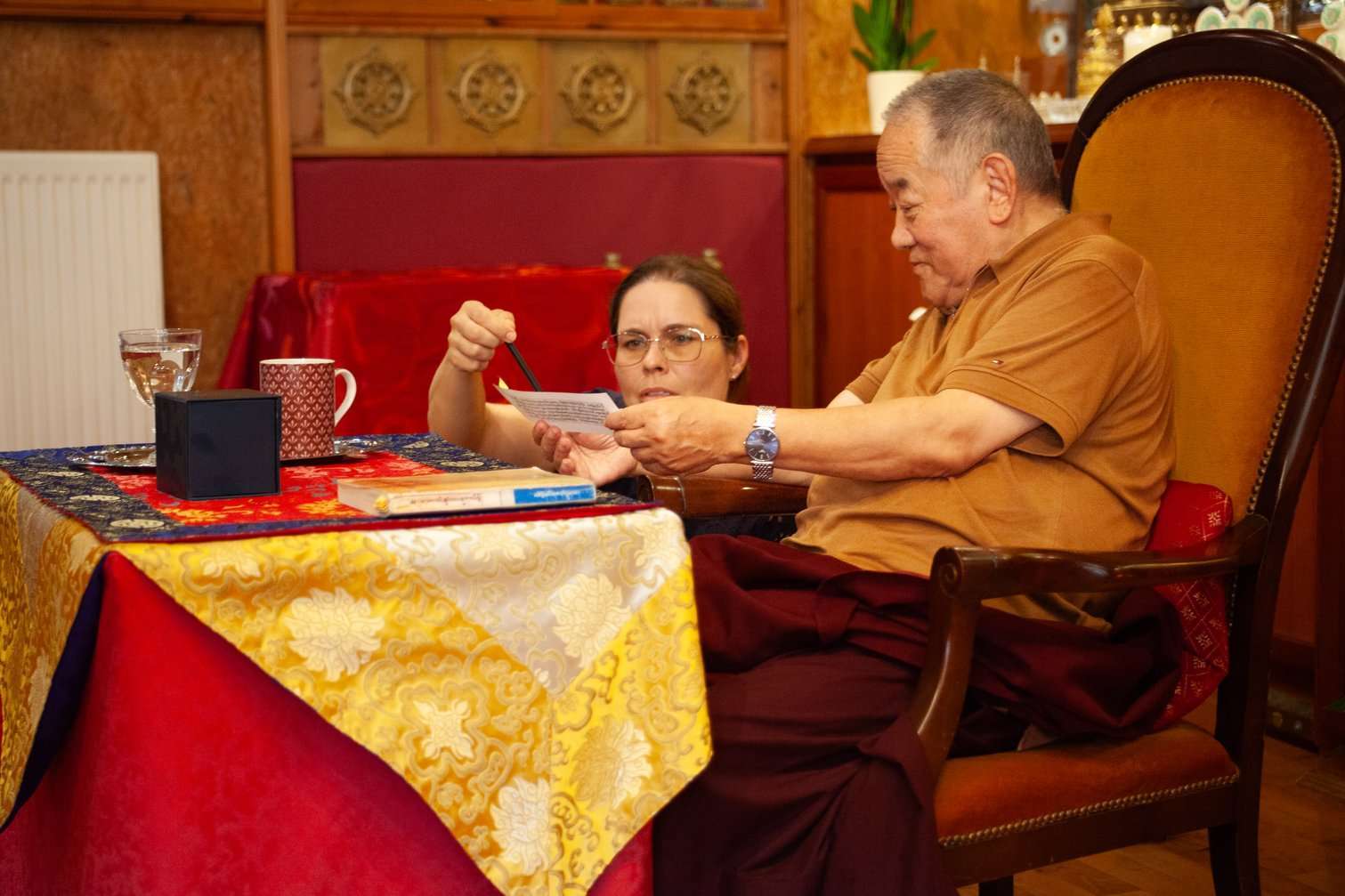
Khenpo Chödrak Rinpoche, director of KIBI as well as the Nalanda Institute of Higher Studies at Rumtek Monastery, and Topga Rinpoche, the lineage’s great scholars, taught each morning. The afternoon was devoted to review and further study with the students and translators who had already studied at KIBI. The commentaries of root texts were given in a condensed way while still preserving the essence of their profound meaning. There were also courses on Tibetan language.
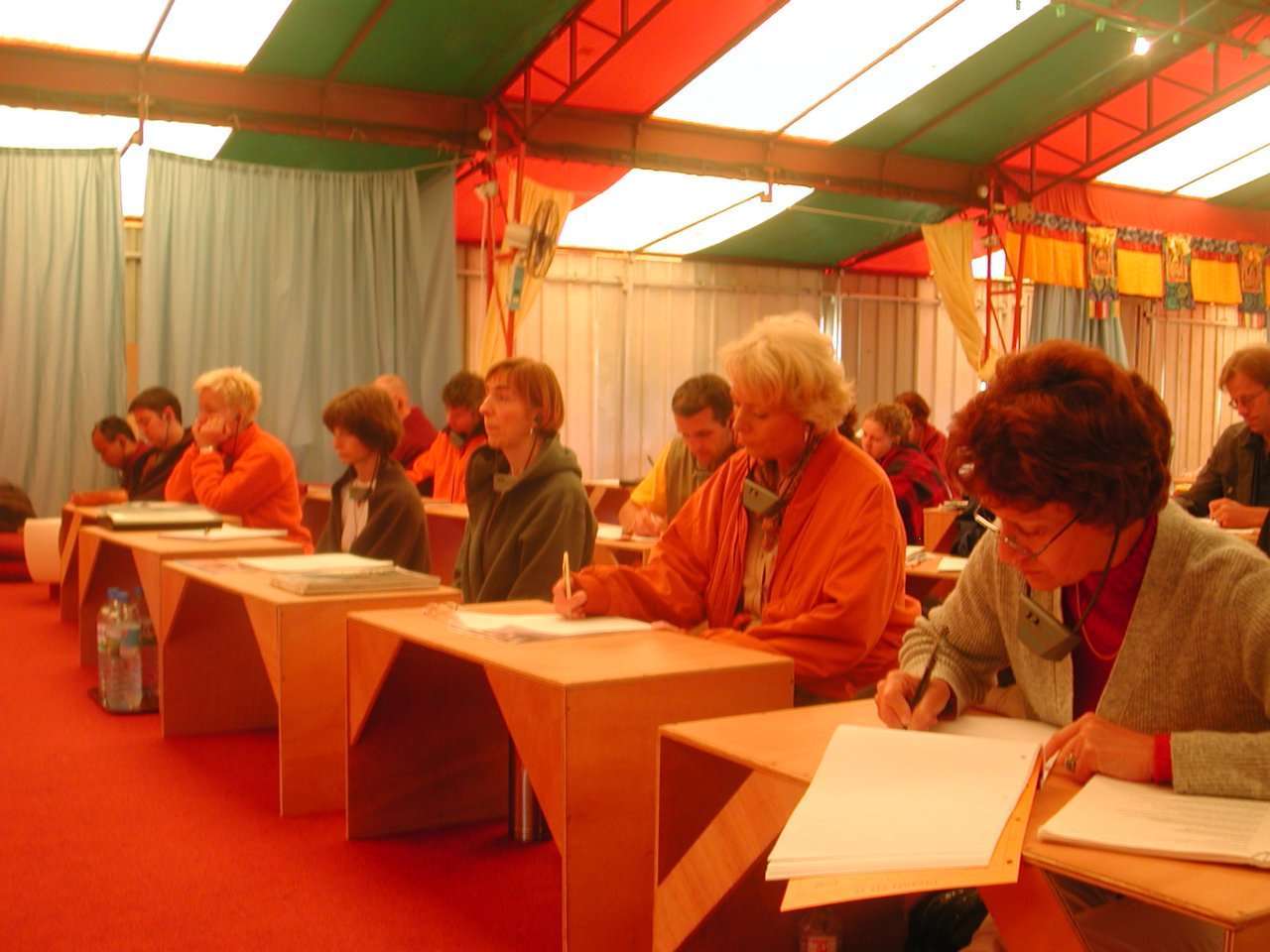
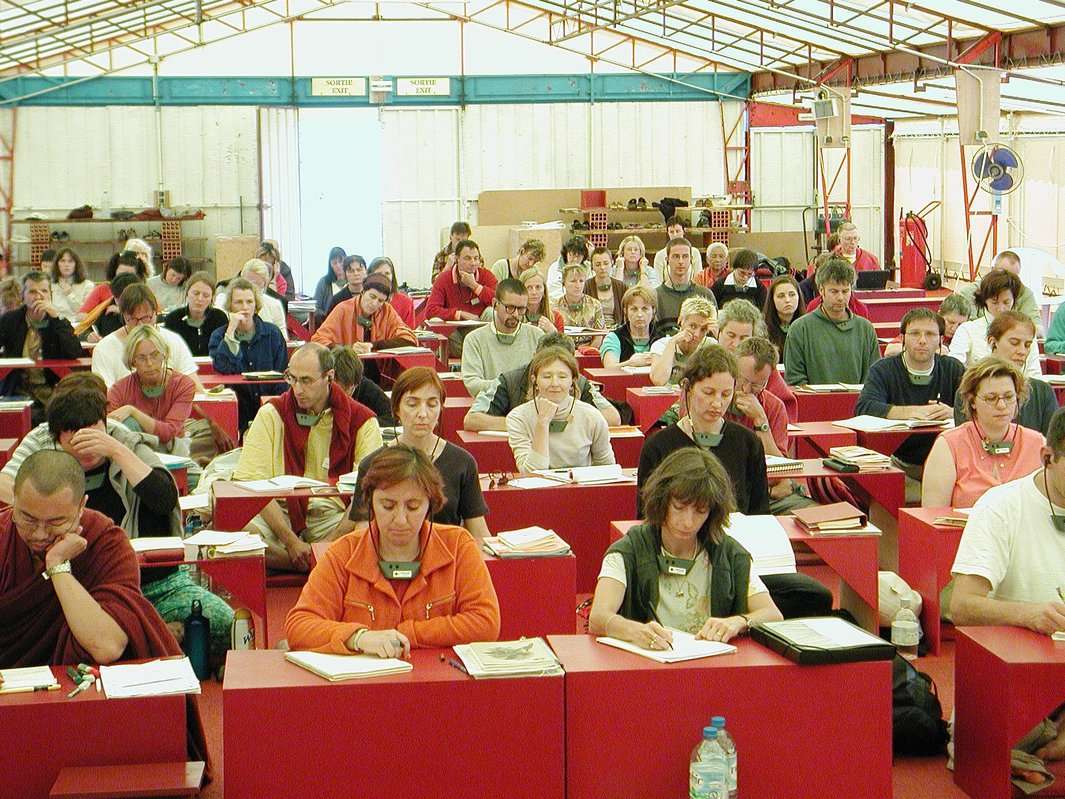
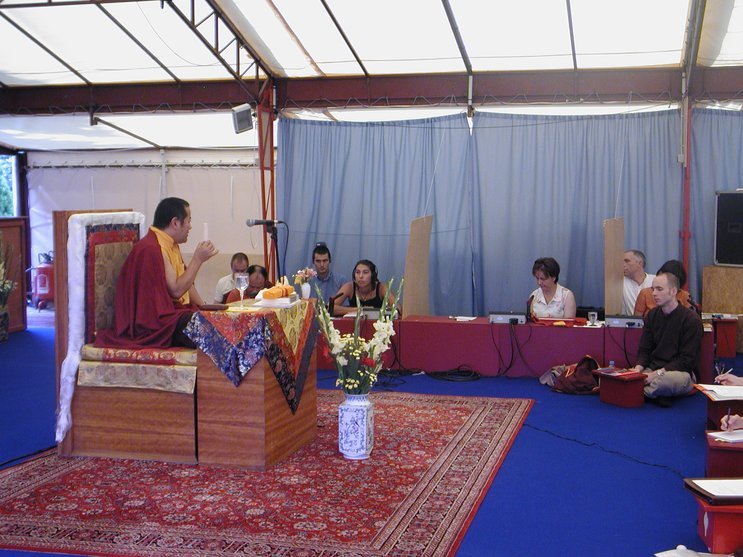
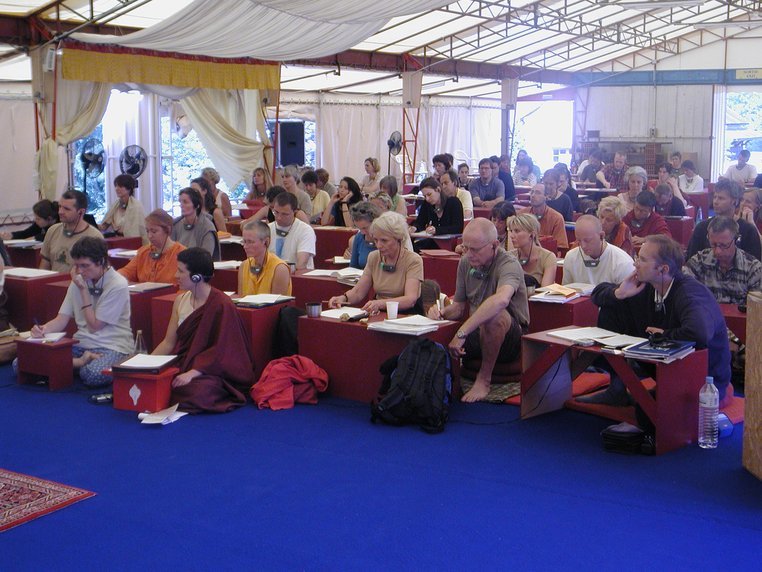
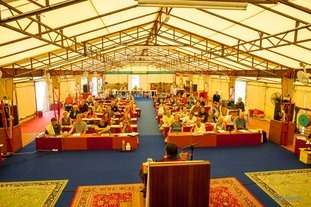
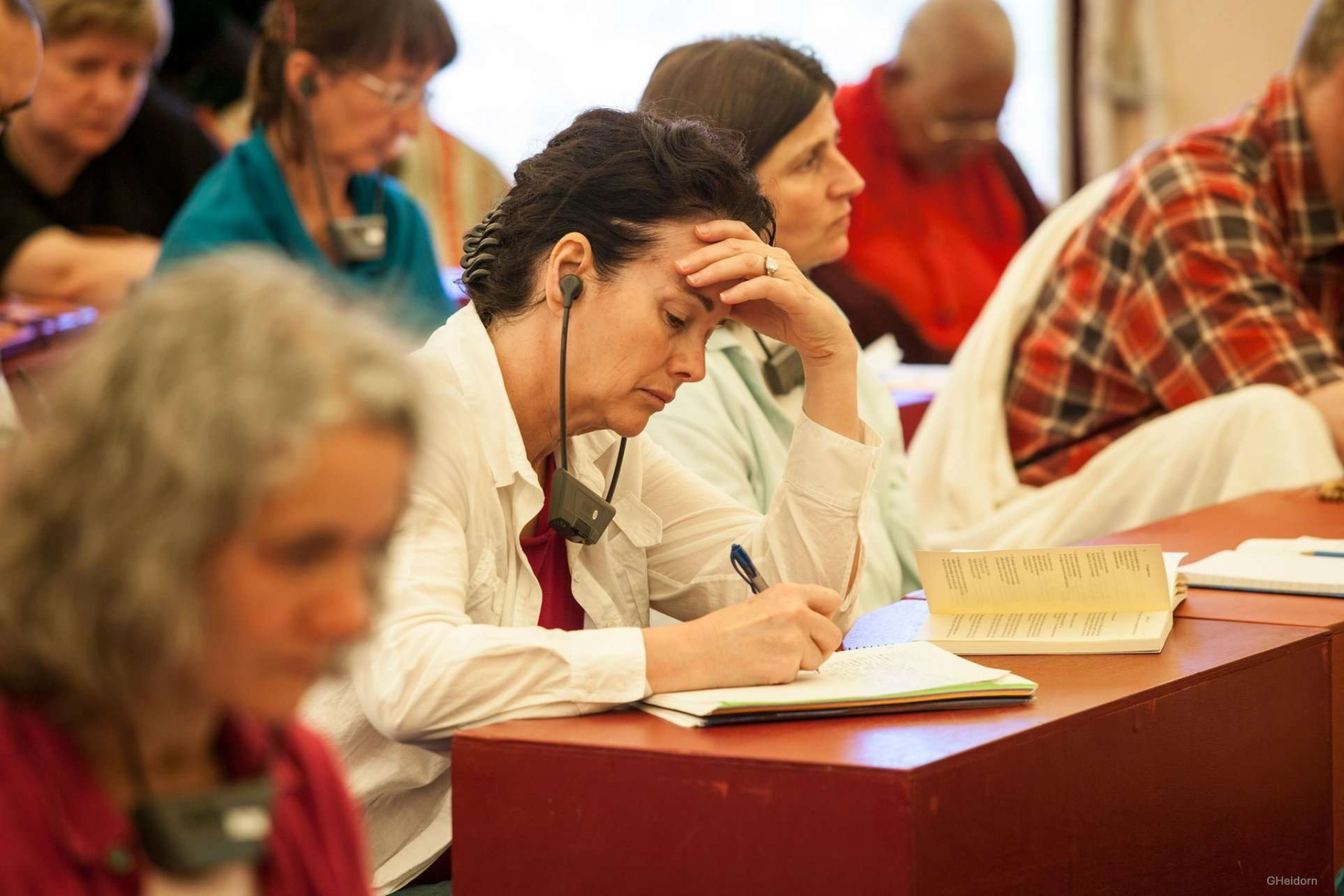
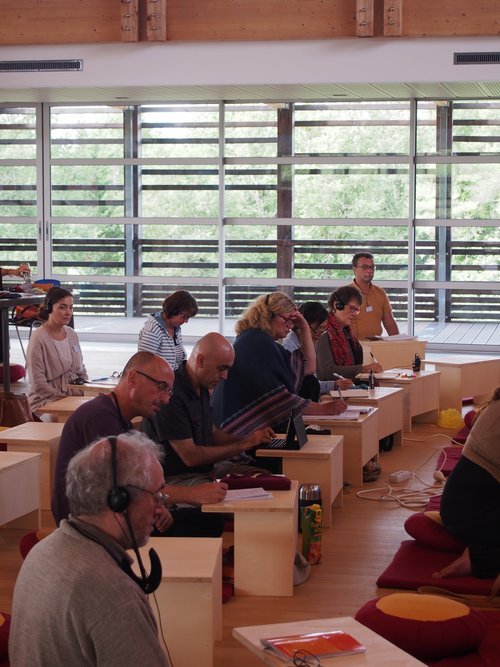
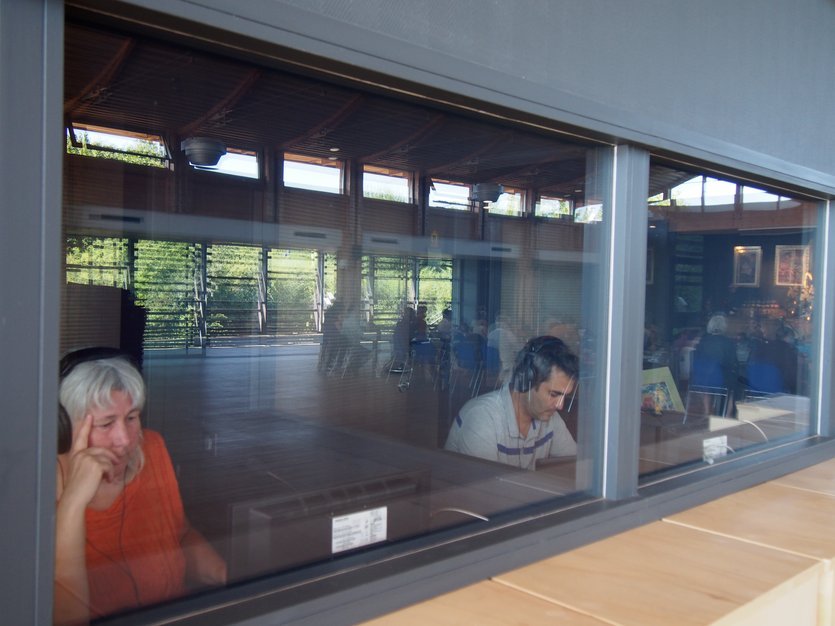
The university immediately took on an international aspect, welcoming practitioners from Germany, Austria, Denmark, Spain, Italy, Switzerland and more. Each student was asked to put on a headset connected to a radio set to a certain frequency so that they could listen in their chosen language. In the first years, the university included fewer French students than foreign ones, as the French community of practitioners was more focused on meditation practice and preparation for retreat than on philosophical study. Most students stayed at the center, some in tents set up in the pine grove behind the dining hall. The teaching was traditional, staying as close and possible to the text. “Over the years, some things changed a little bit to try to help us understand, like the examples that are used. Khenpo tried to adapt to our somewhat limited and materialistic vision during the question and answer sessions,” reflects Dominique.
In the beginning, it was fairly chaotic because we were pretty poorly equipped. The course took place in the rotunda. Rinpoche taught, the translation was in English, and we sat together in little groups around the translators for the simultaneous translation into Spanish, German and French. It echoed. It was a very relaxed, yet studious ambiance. People were extremely motivated.
At the time, there was also no library, no French translation of most texts. Little by little, over the years, the university became more organized, with groups put together to take care of certain tasks. Wooden planks were set up between the translators to reduce noise and improve comfort.
Yeunten, still called Marie at the time before adopting her faithful, lay disciplines, arrived at Dhagpo in 1998 at fifty-two-years-old. She left behind a job as a manager in Paris and began summer university in 2000. She continues the program today. She was an adept of Hinduism when she came to Dhagpo, after having spent time with Christian and New Age traditions.
I immediately felt connected when I met Khenpo. He opened my mind in terms of study and understanding the texts. I began studying immediately even though I was terrible at it. I’m self-taught; I don’t have a degree. I didn’t understand anything at all! I took notes on everything without understanding. One day, Khenpo Chödrak told us that when you choose a path, ou have to follow it to the end. The same evening, I gave up everything that wasn’t the Buddhist path. It allowed me to see that this path definitely liberates you from suffering, and that’s how I got hooked.
Study makes you do intellectual work but that, in the end, leads us to letting go of a certain number of certainties, says Dominique. It allows us to get distance from the false ideas that we have and, most of all, it gives us confidence in the Buddha’s teaching and the path. Because when we look at the teachings of the great masters and the commentaries, we see that they truly studied everything—not necessarily in an intellectual way, but their realization truly saw confusion in all its details and absence of confusion in all its splendor.
Expressing her limitless gratitude towards the lineage’s masters, Yeunten has no doubt about the future. Last year, she gave Khenpo Chödrak a letter to express her gratitude. In a previous short meeting she confided to him that, “I hope I will be reborn at Shar Minub, in Nepal, for example. He looked at me and clapped his hands and said, ‘very good Yeunten—we’ll be able to debate together!’ I’m a child just beginning to discover a wonder, and I will continue in the next lives until one day I can teach.”
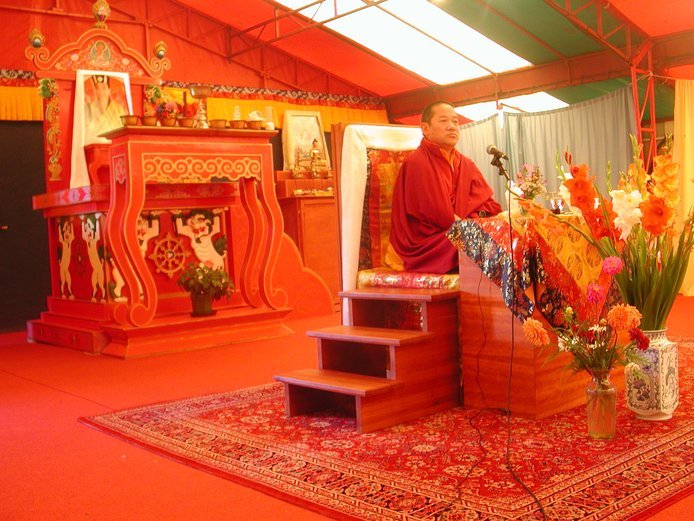
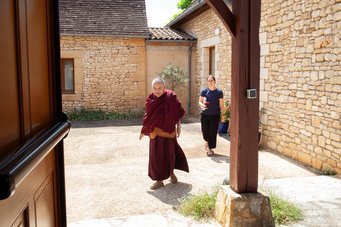
 For more than thirty years, Khenpo Chödrak Rinpoche, now seventy-five-years old, has come to teach practitioners the treasures of Buddhist knowledge. In 2024, he once again began the study of The Stages of Meditation (Sanskrit: Bhavanakrama) by Kamalashila, which he will continue this month starting July 8.
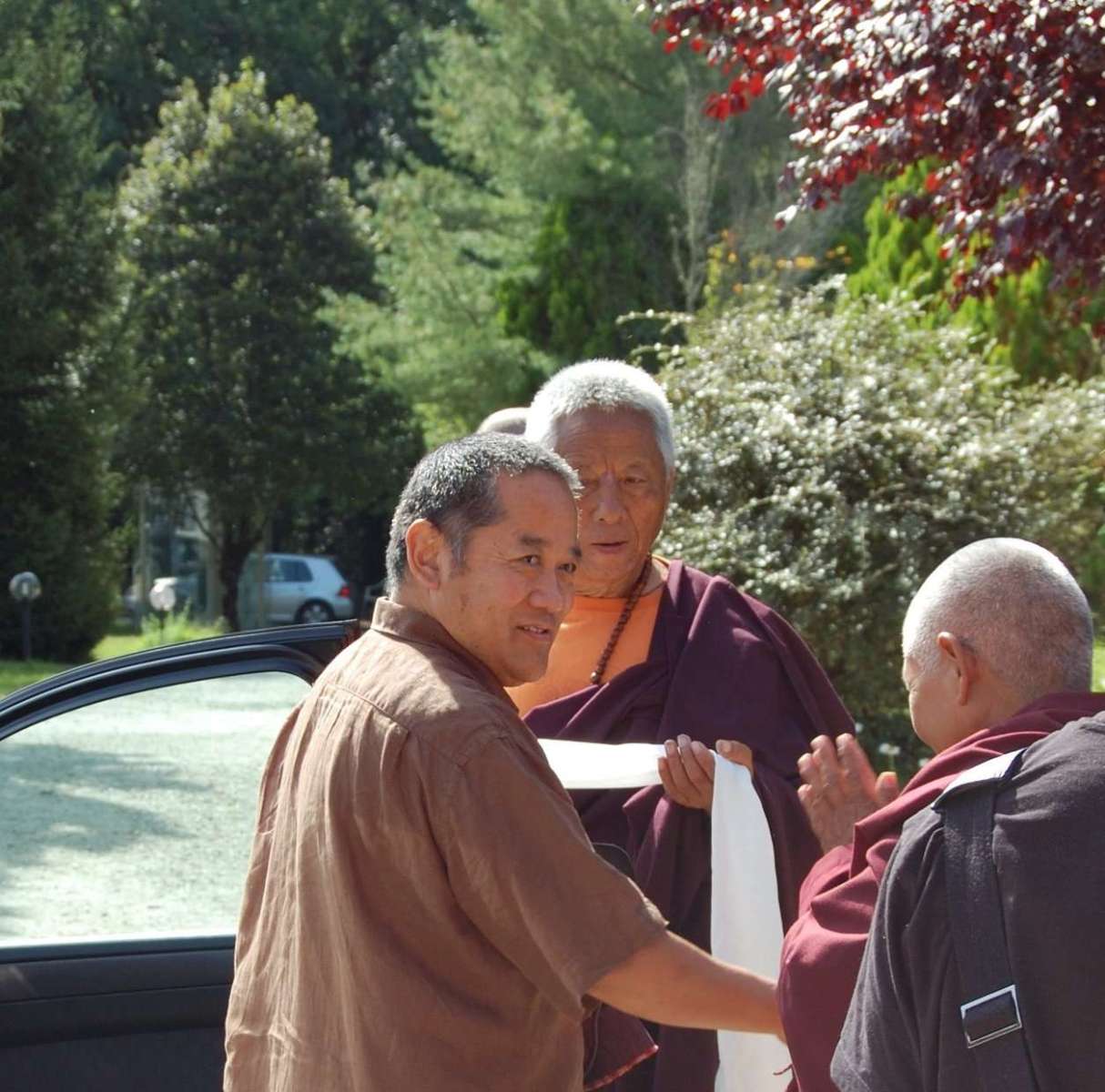
In addition to summer university, Lama Jigme Rinpoche has taken care to provide the conditions for education at Dhagpo to be offered to its residents along with motivated members of the urban centers affiliated with Dhagpo (KTTs). Starting in 2006, he requested of Khenpo Chödrak Rinpoche that he come during the year to teach the community as part of annual study retreats.
Then, starting in 2014, Khenpos and Acharyas from Sri Diwakar in India began to share their knowledge on specific texts with the community during annual study retreats. Every morning, students gather to study and repeat the teachings they have received together.
The Institute was inaugurated in 2013, allowing for optimal conditions for study, reflection and meditation—an evolution that inspires gratitude and lays solid foundations for acquiring knowledge for progressing on the path to enlightenment. “It’s really the coming together of interdependent causes and conditions that have brought this moment you see now,” concludes Yeunten.
Summer University through the Years: 1994 to 2024


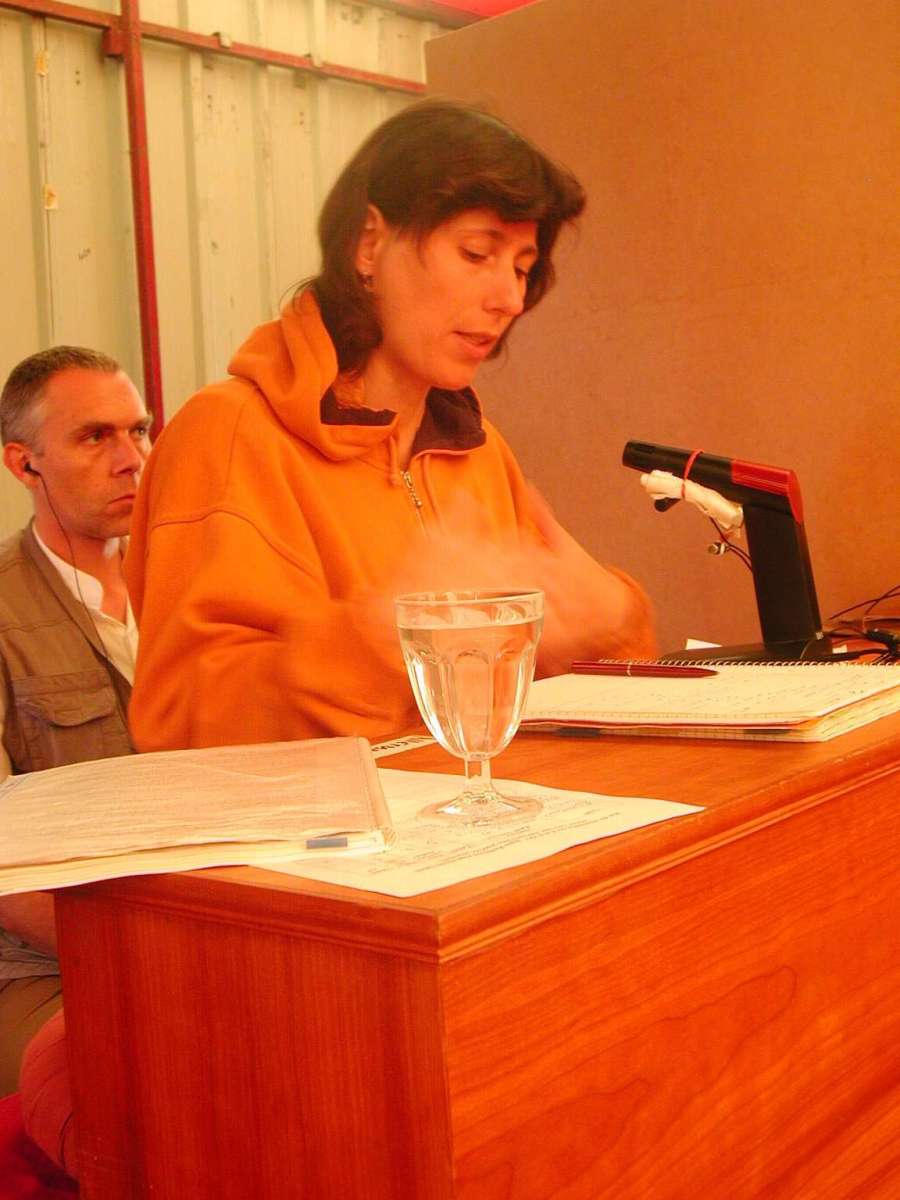
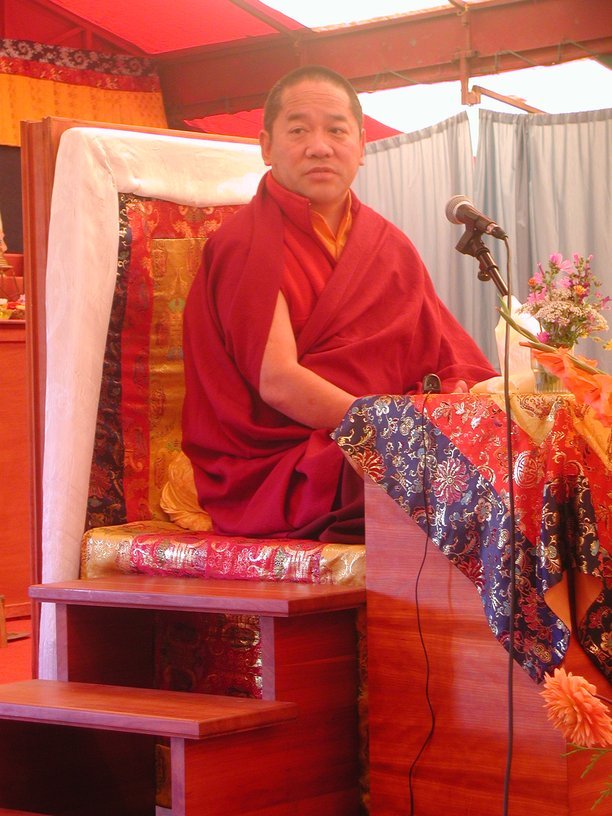
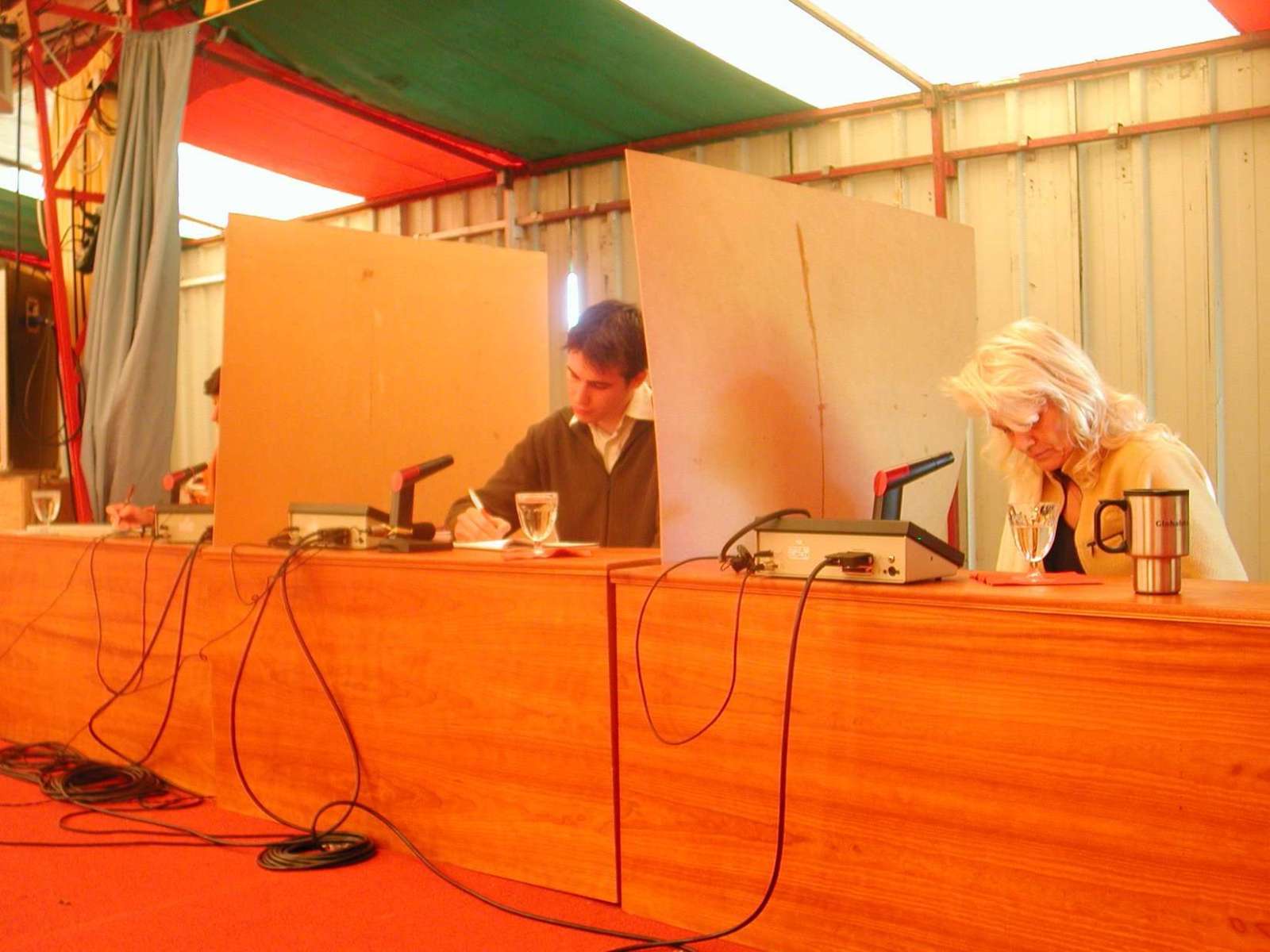


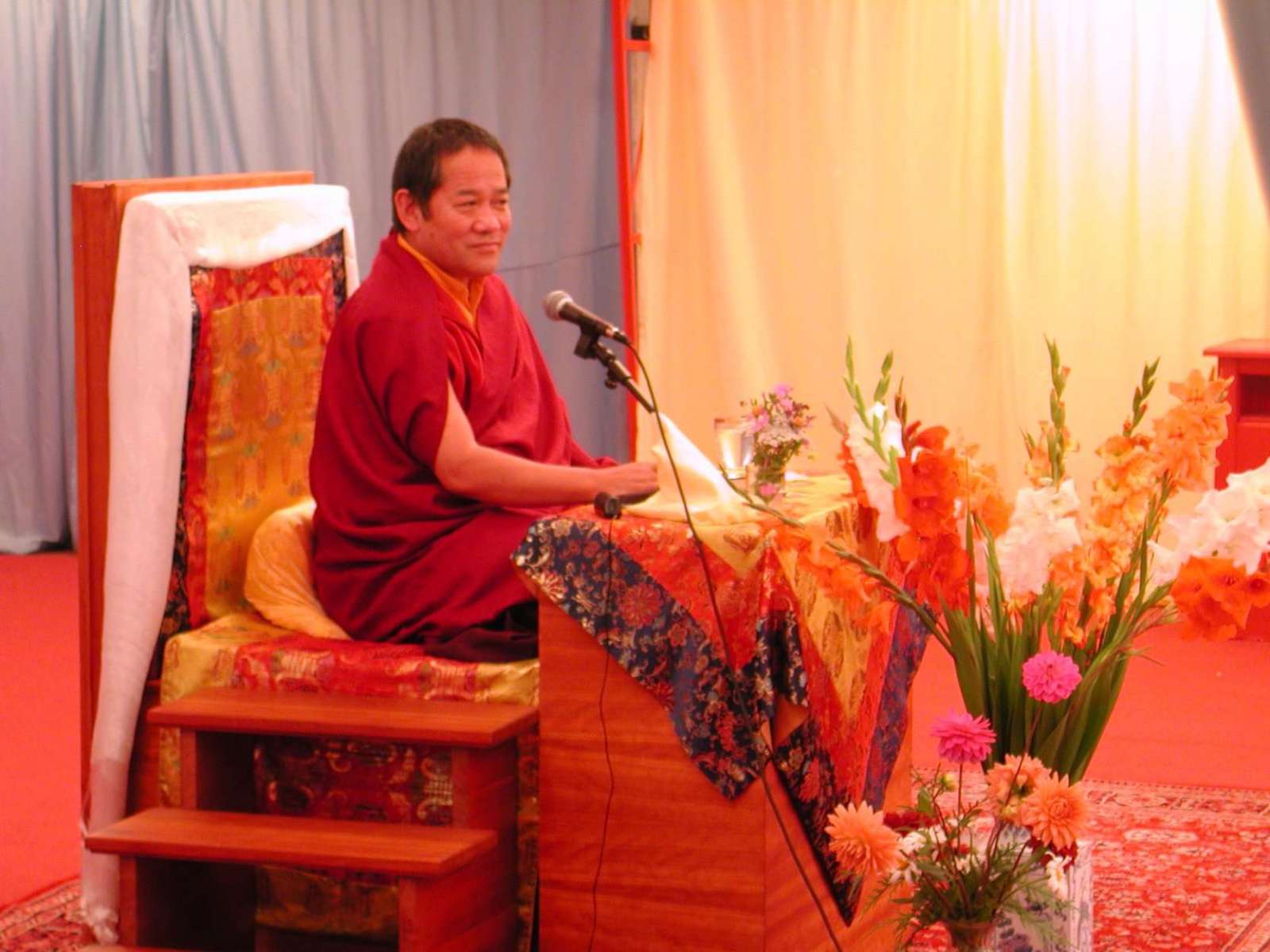
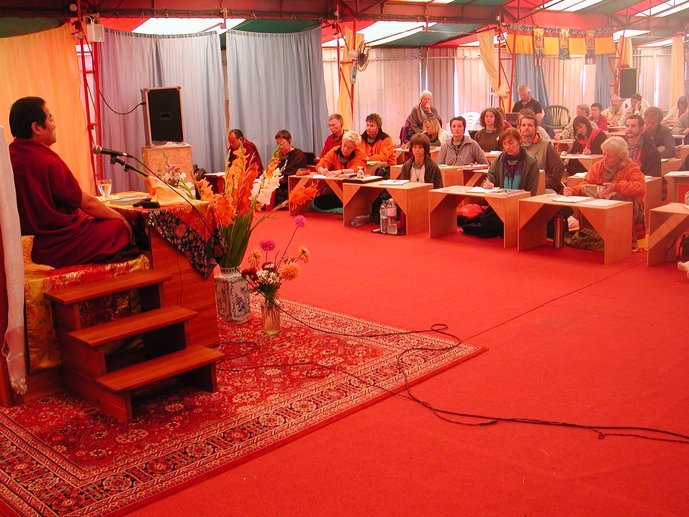
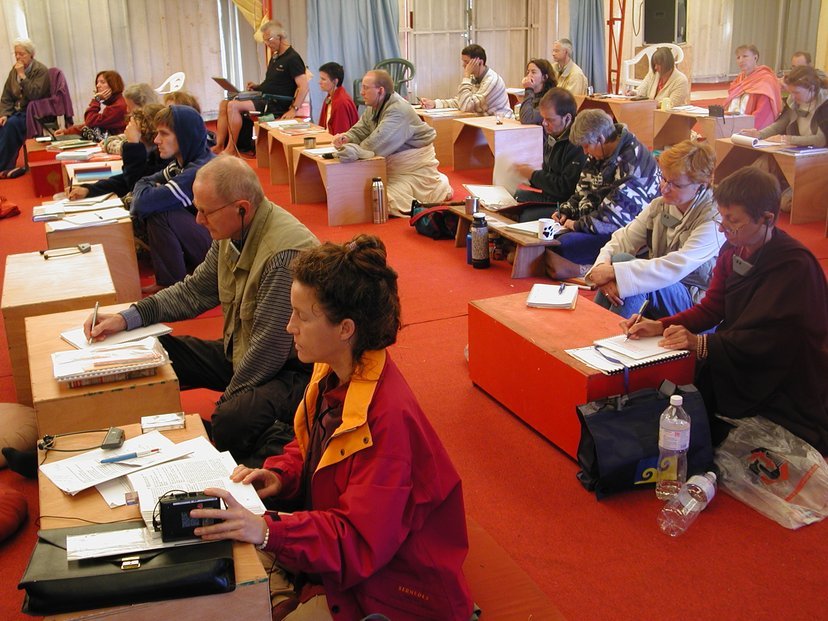
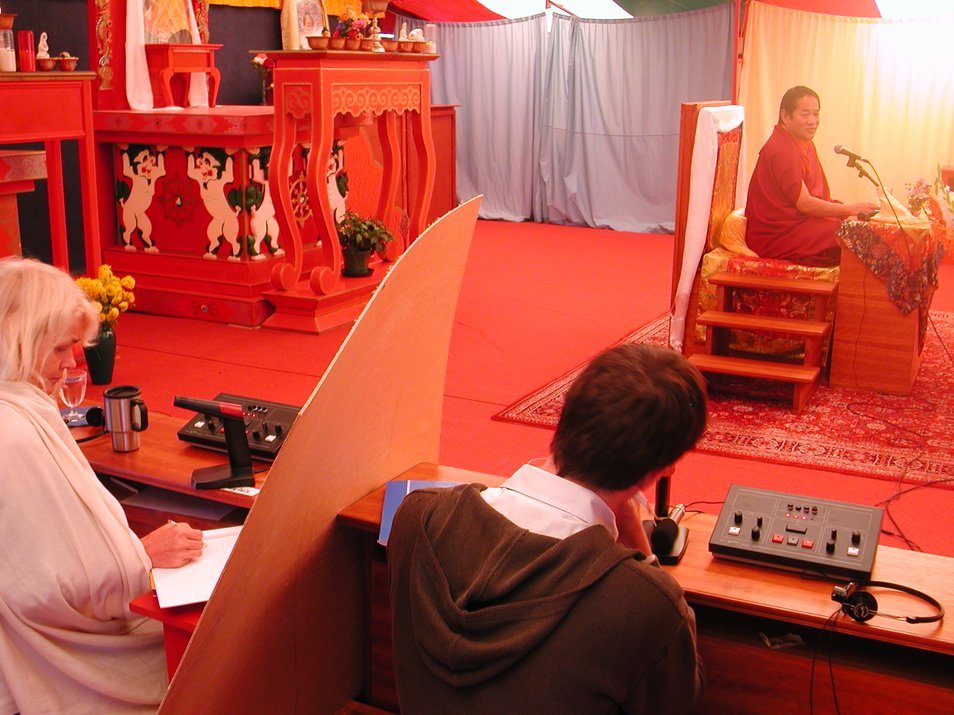
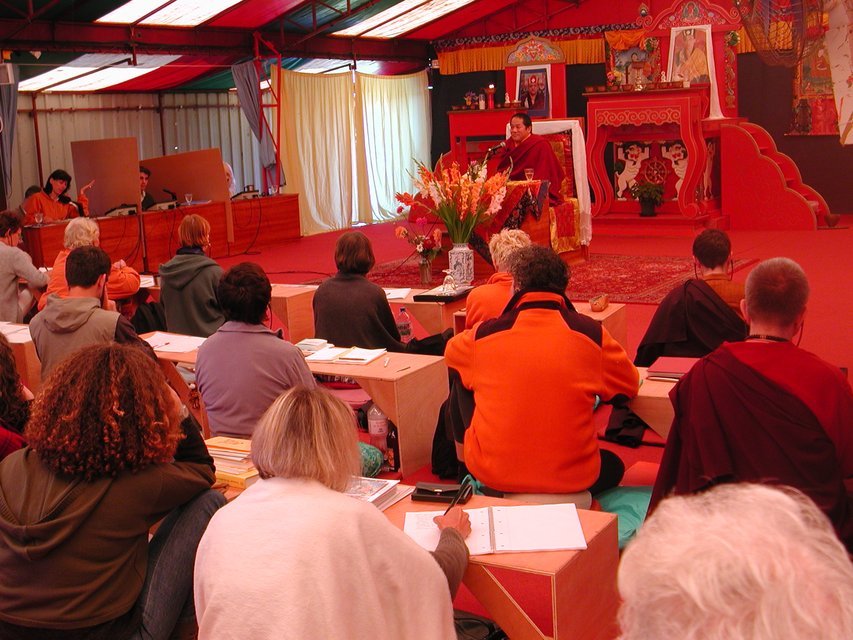
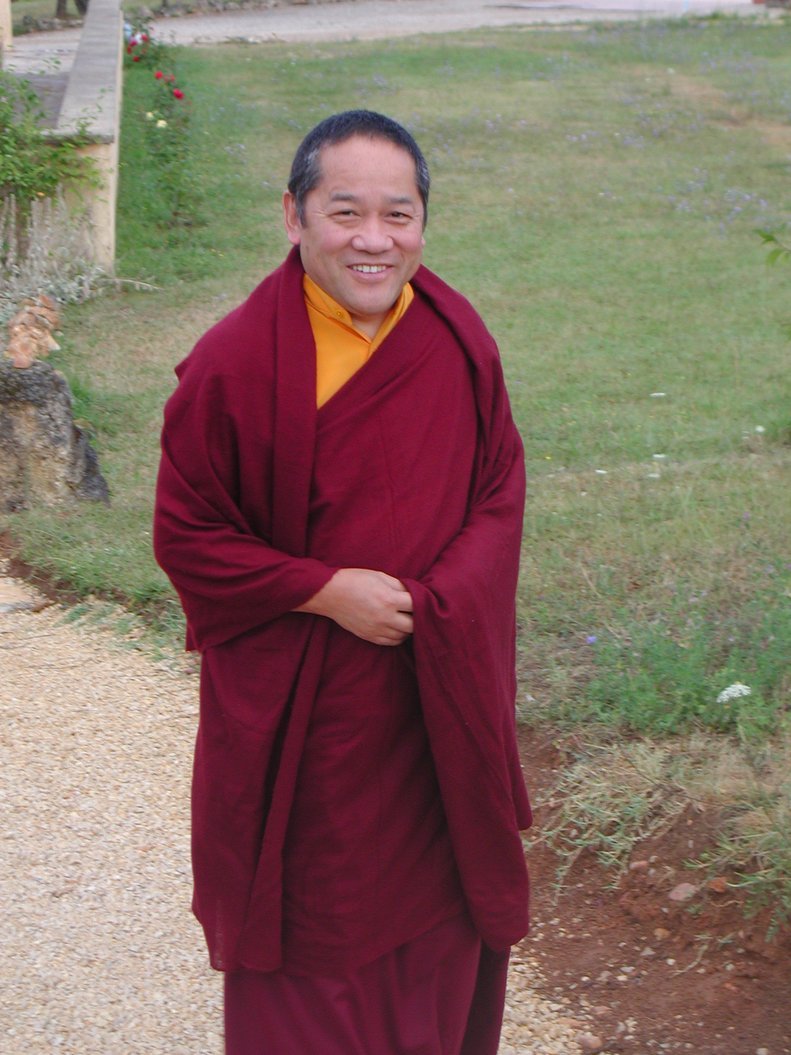
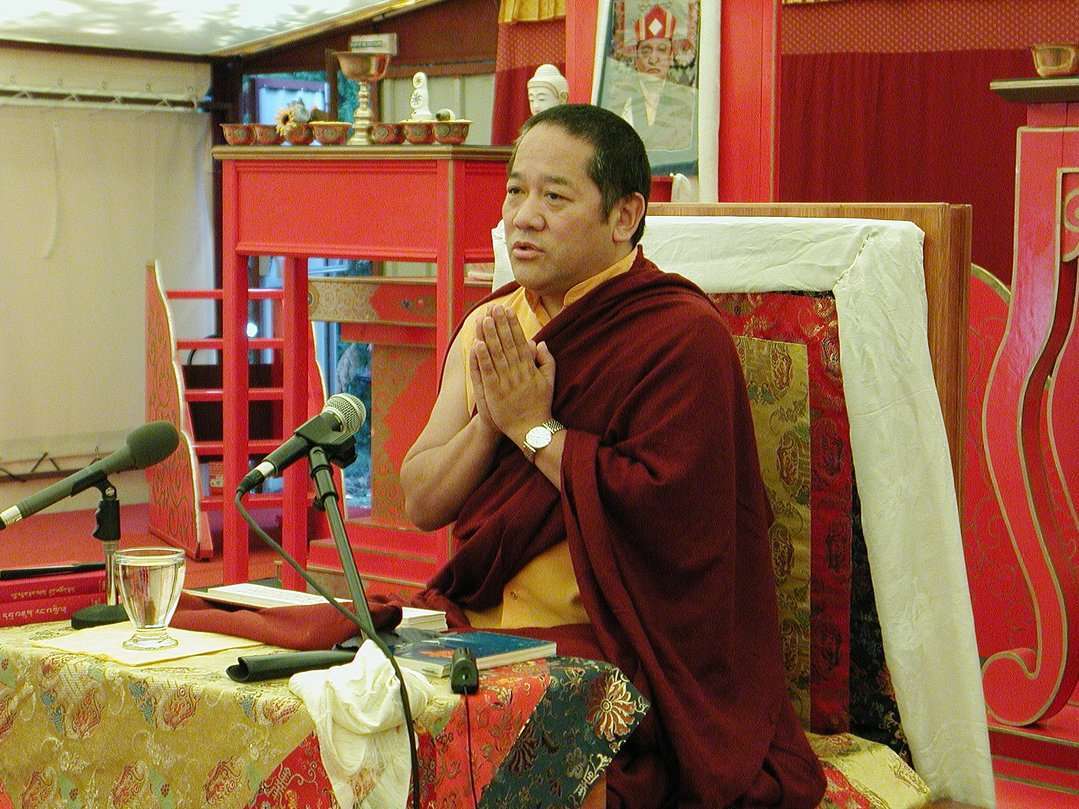
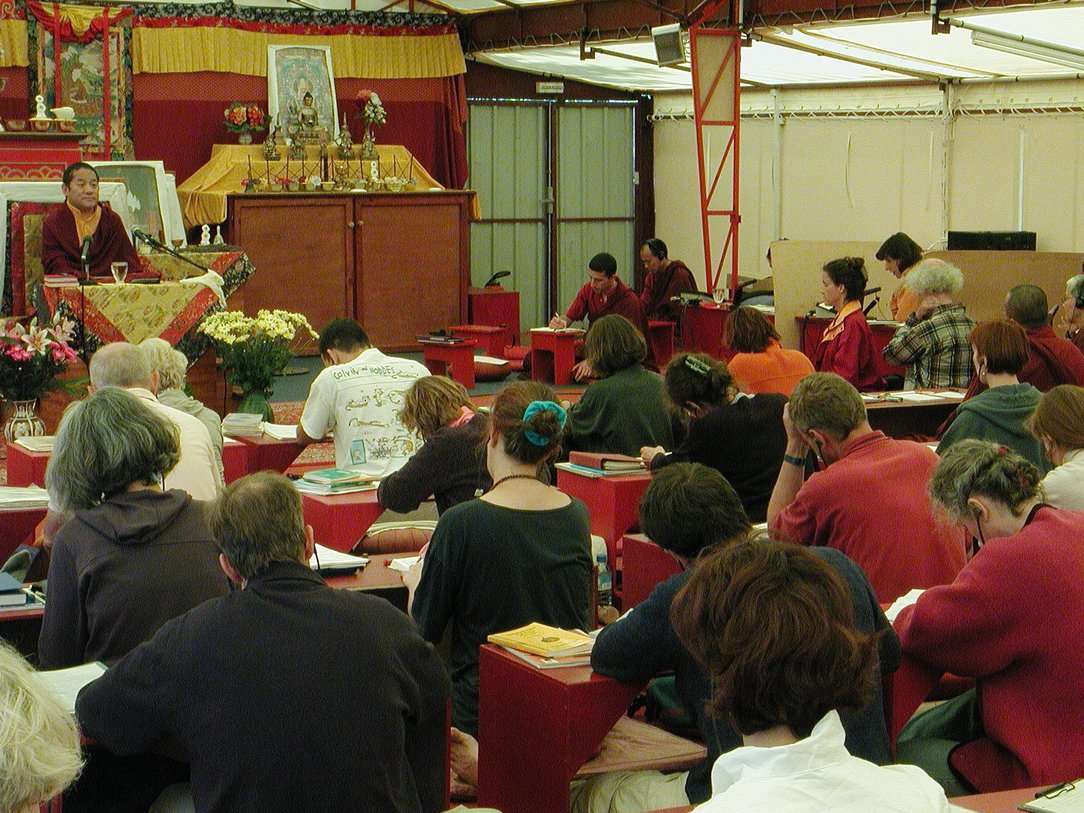
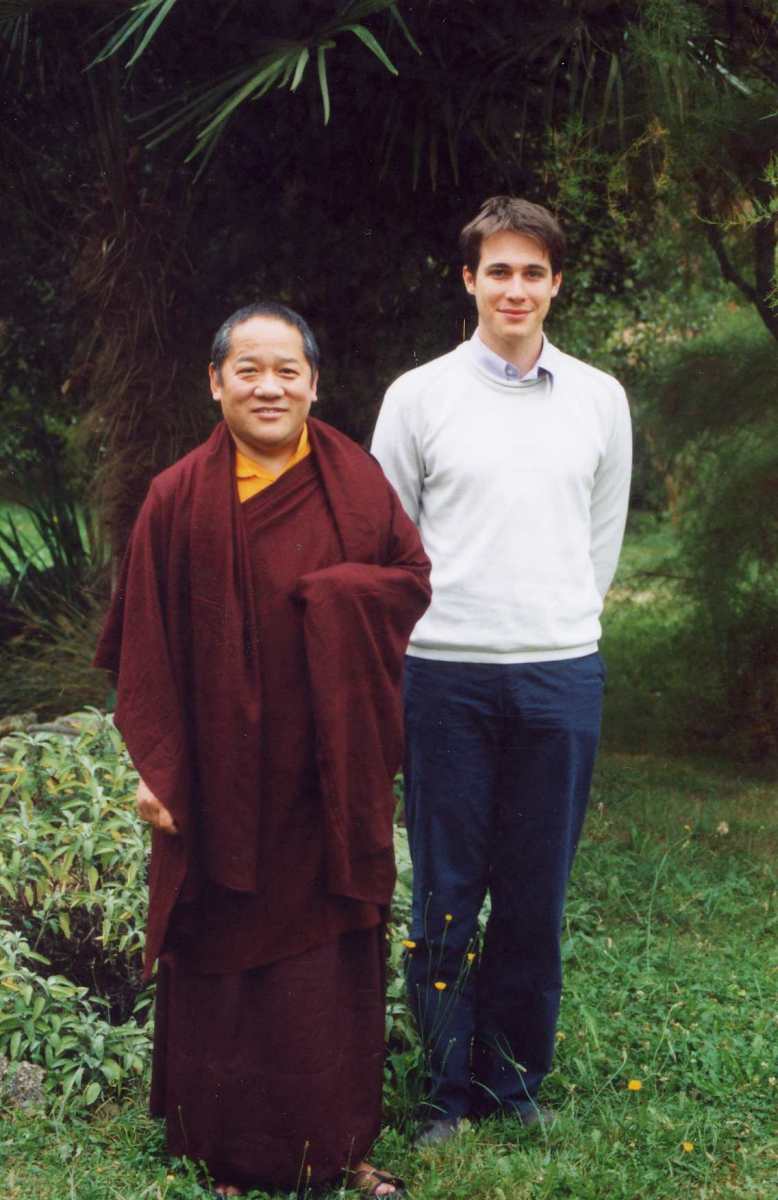
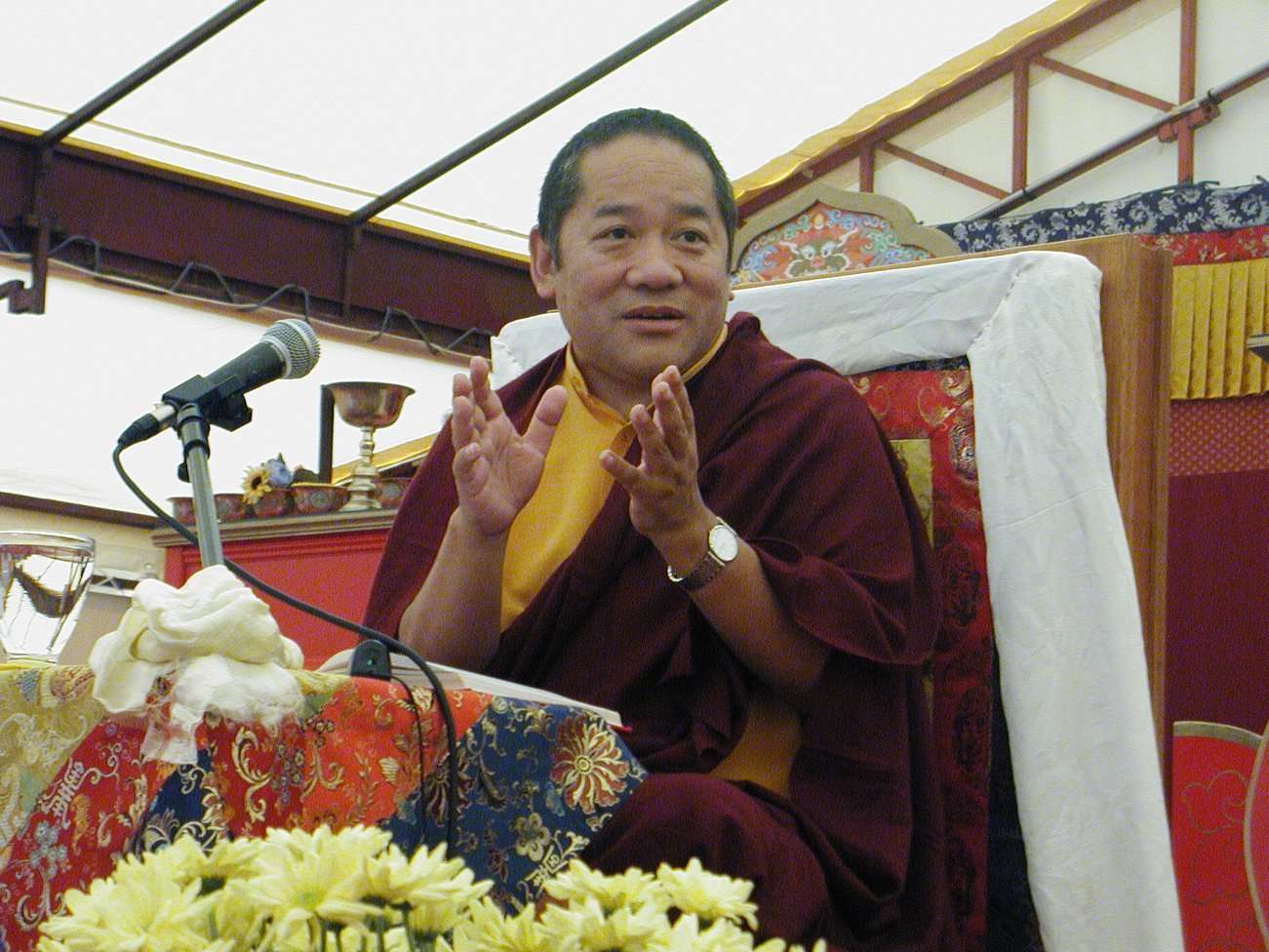



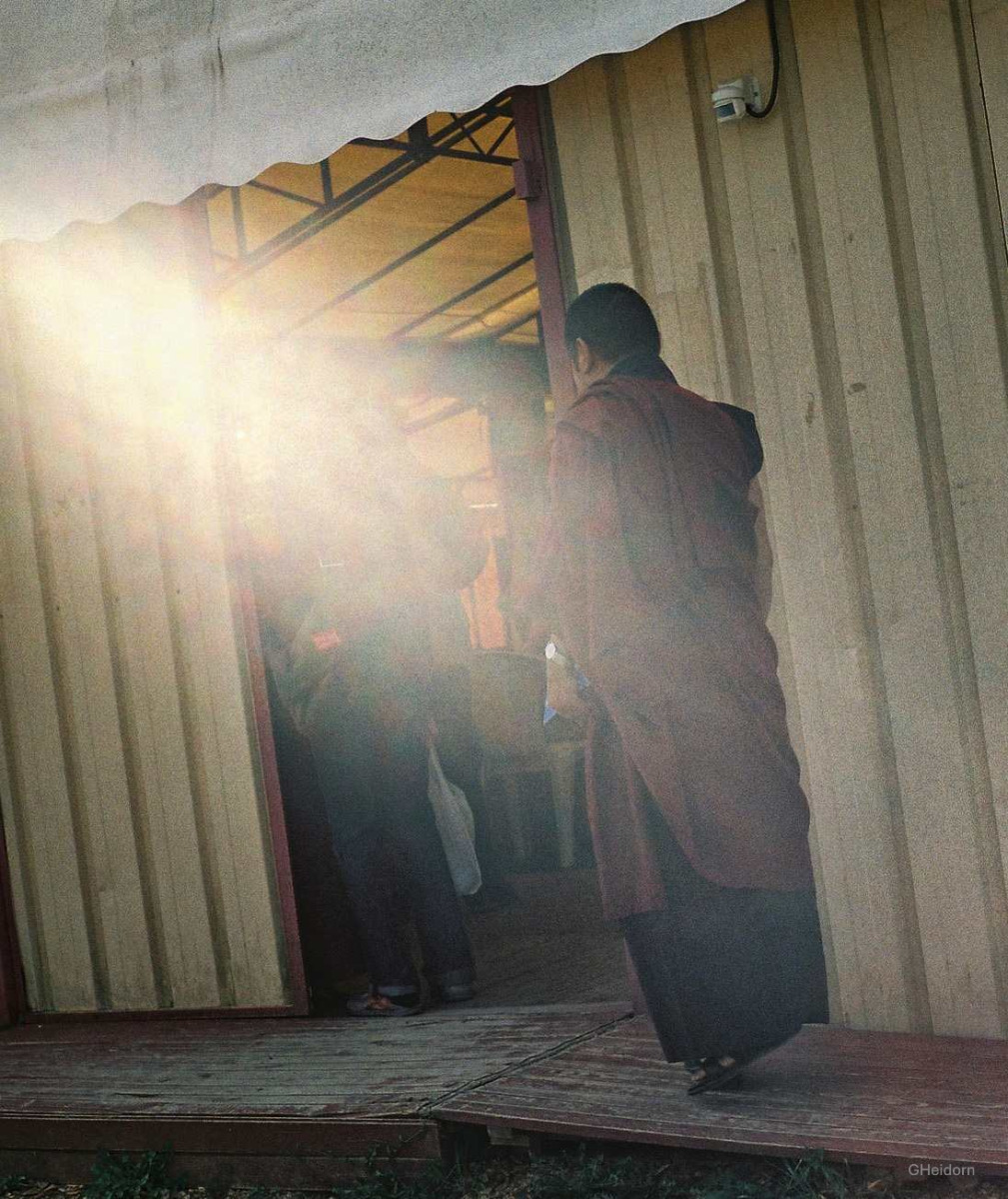
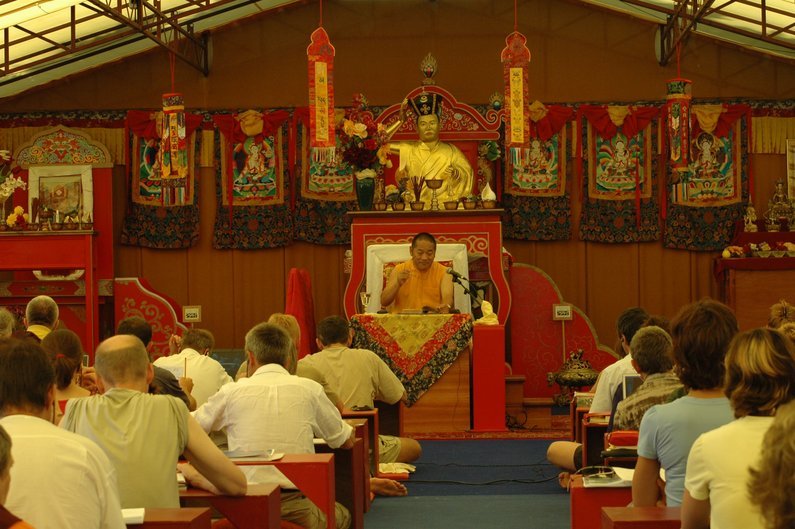
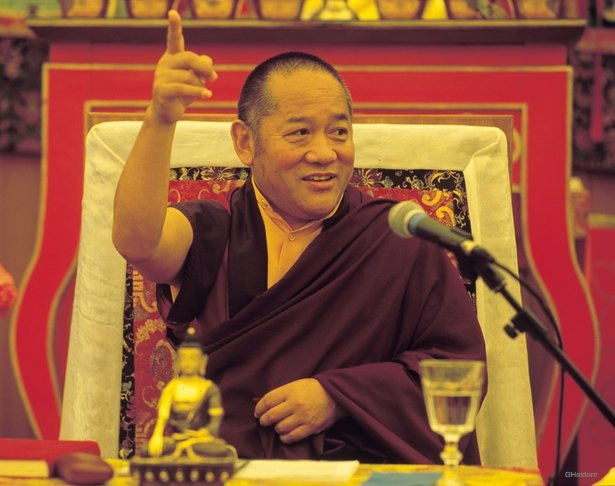
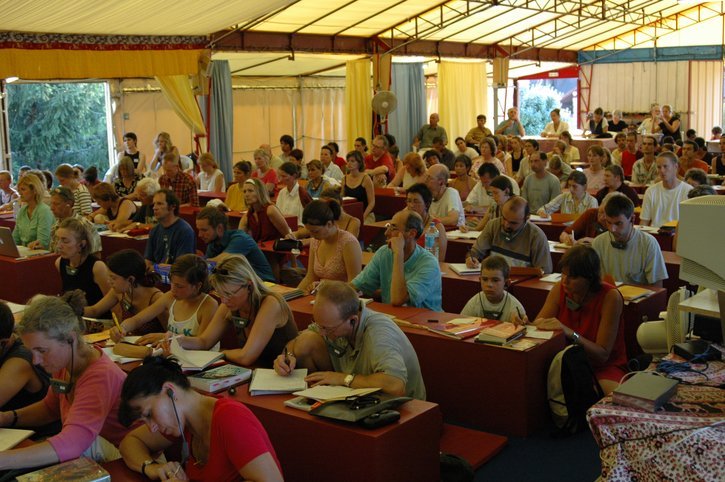
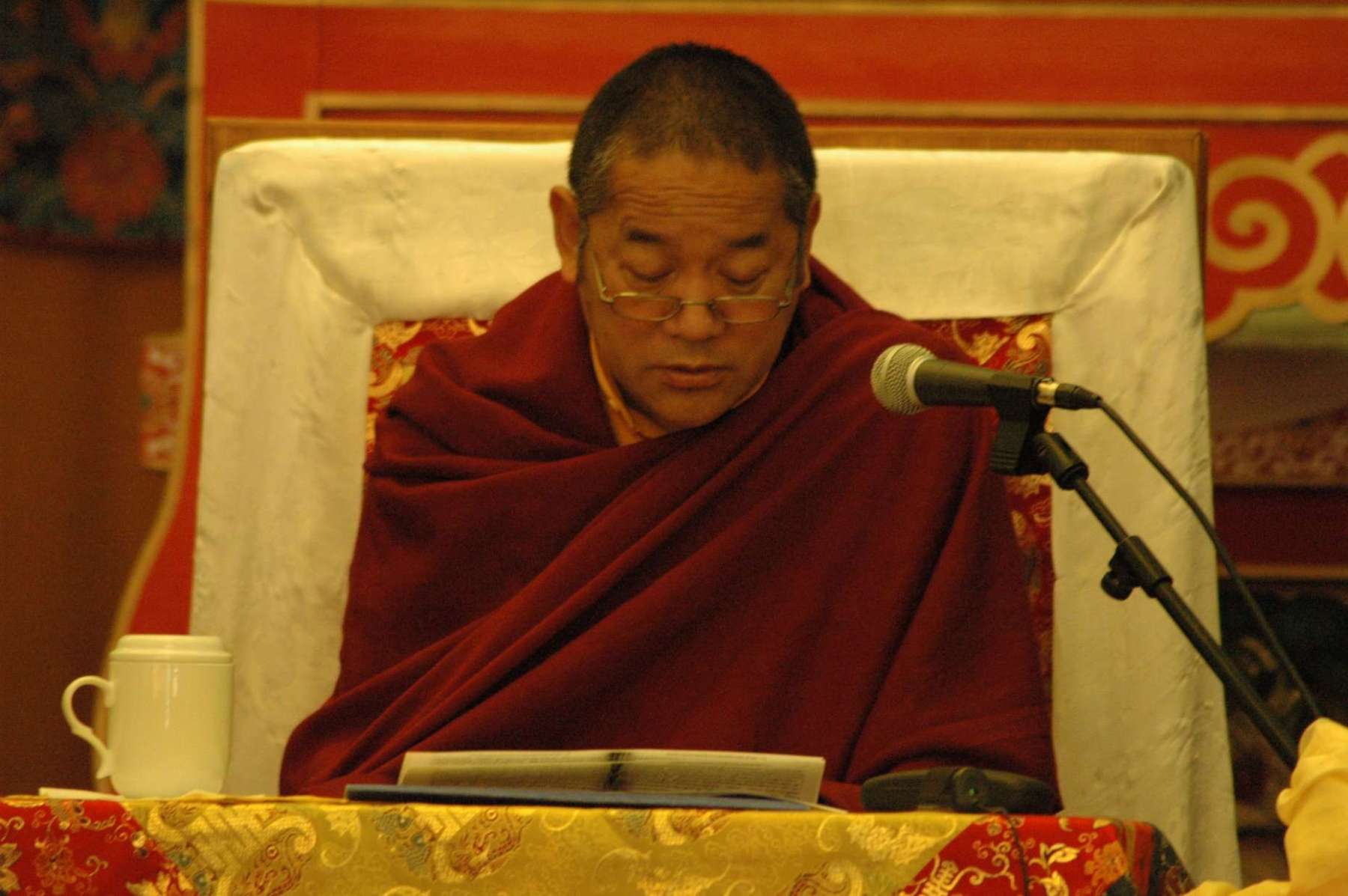

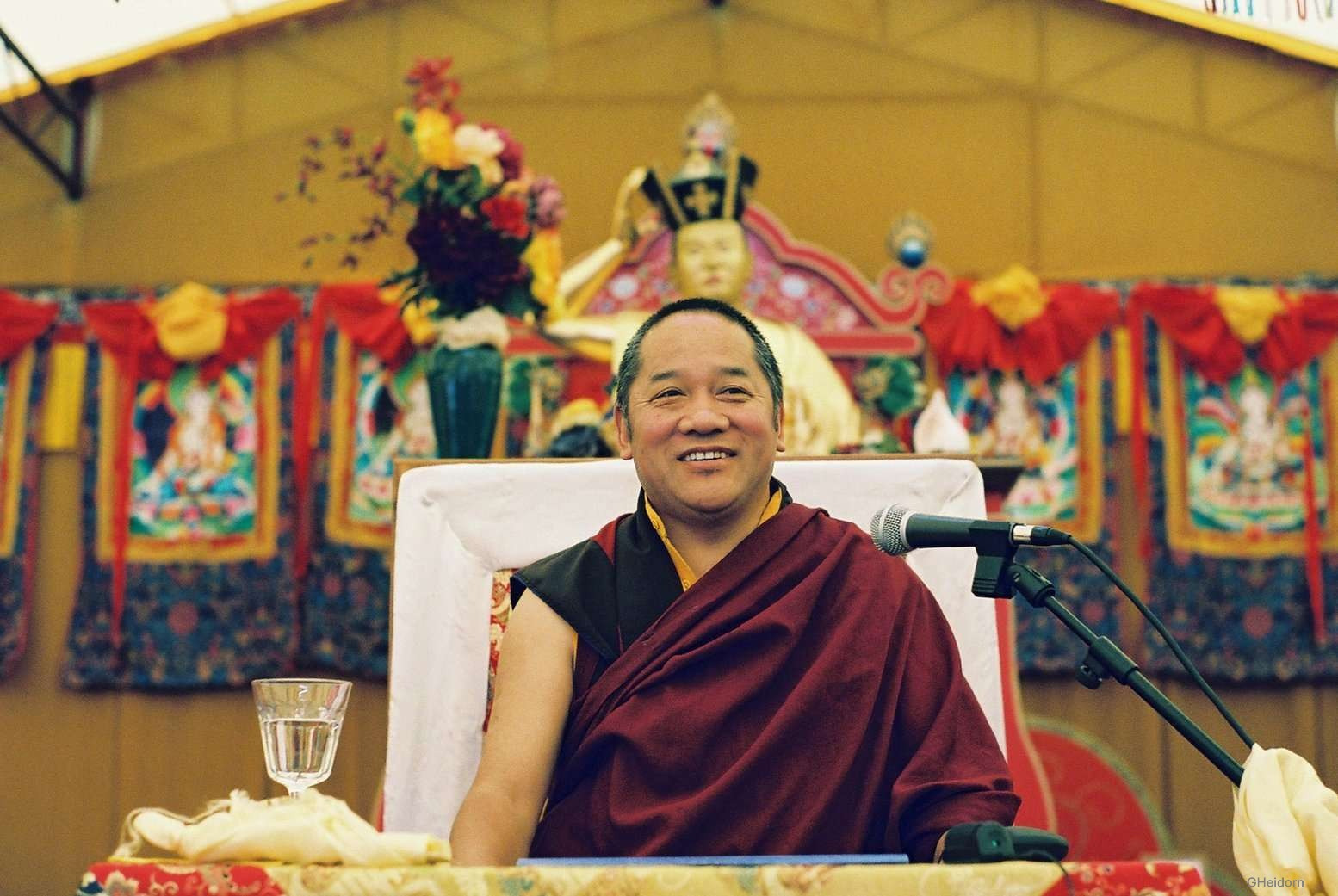
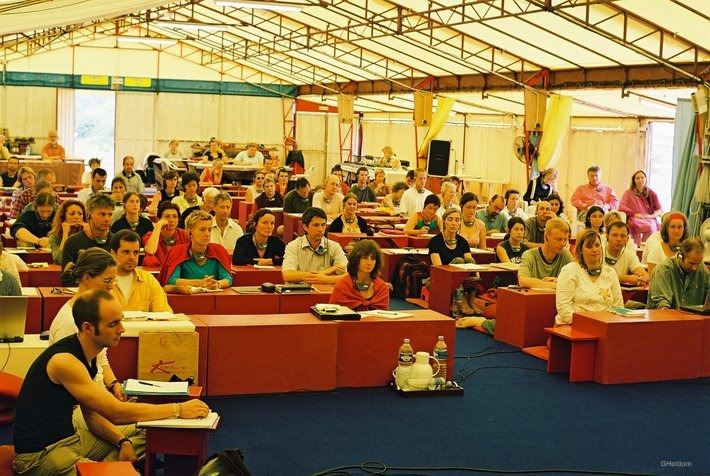
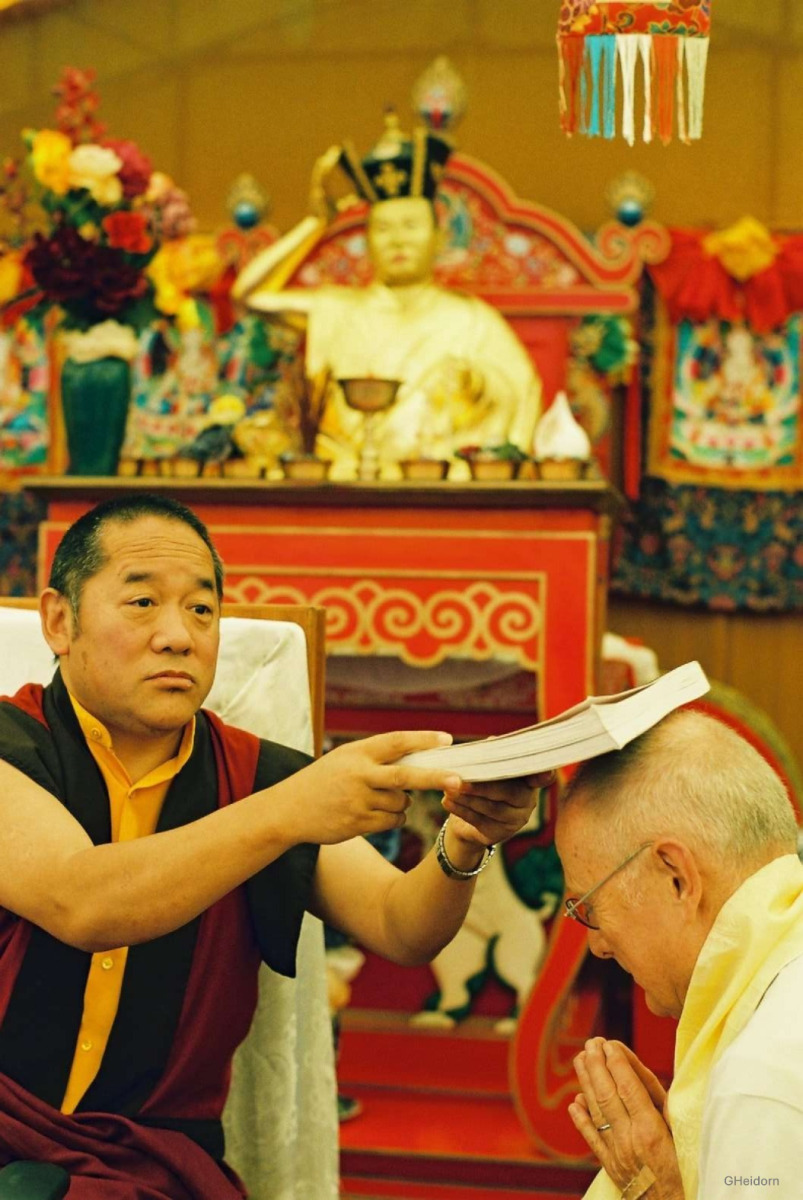


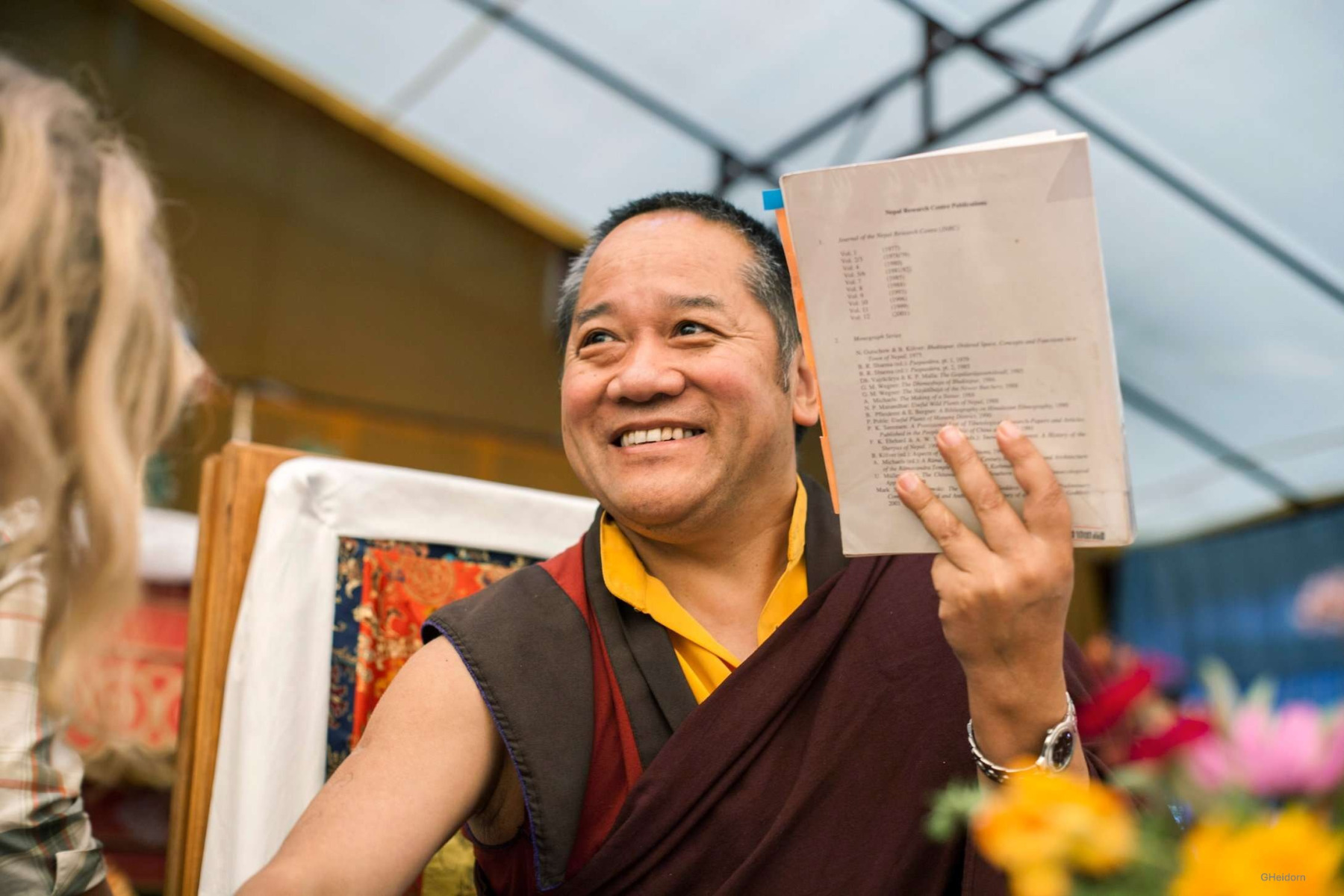


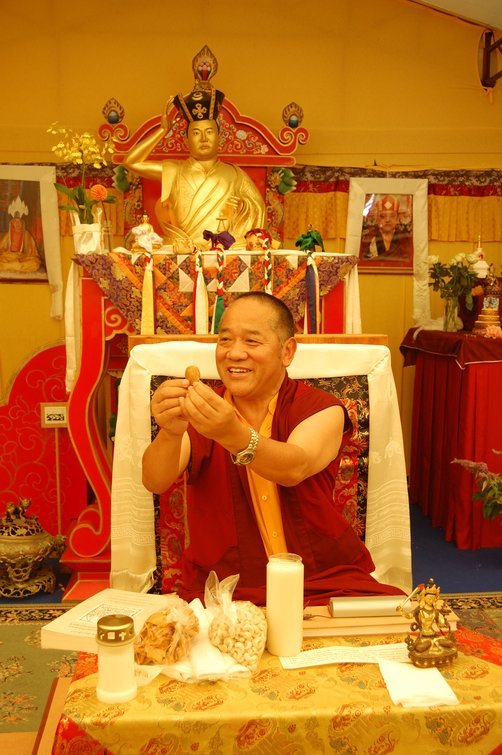
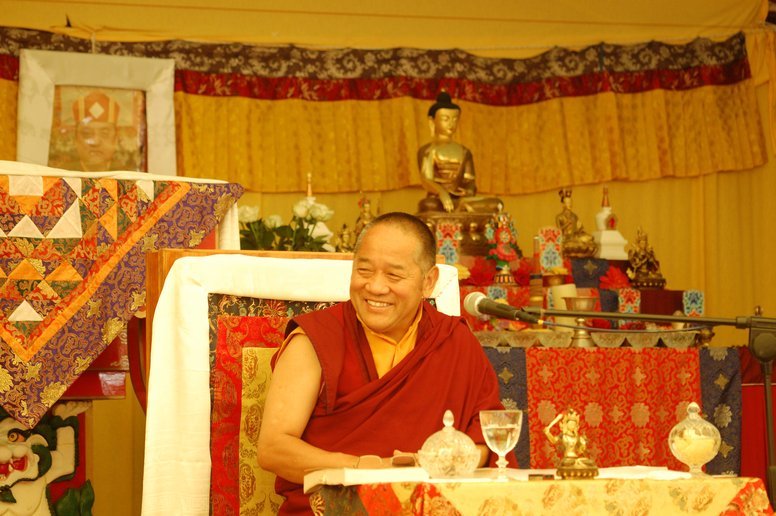


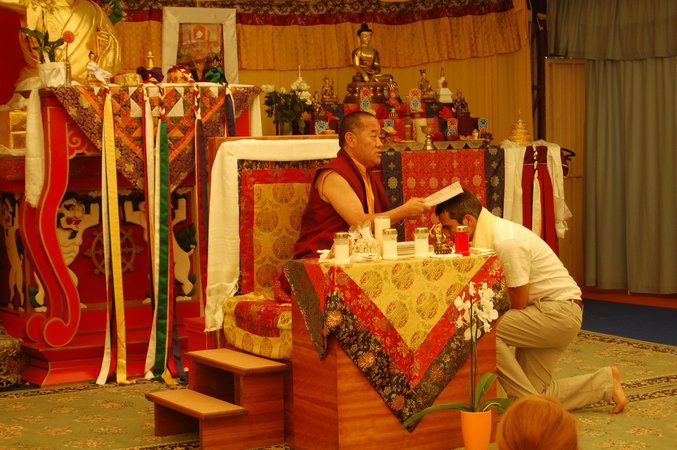
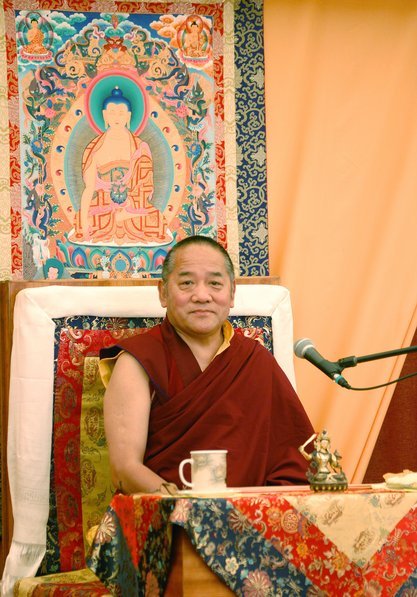
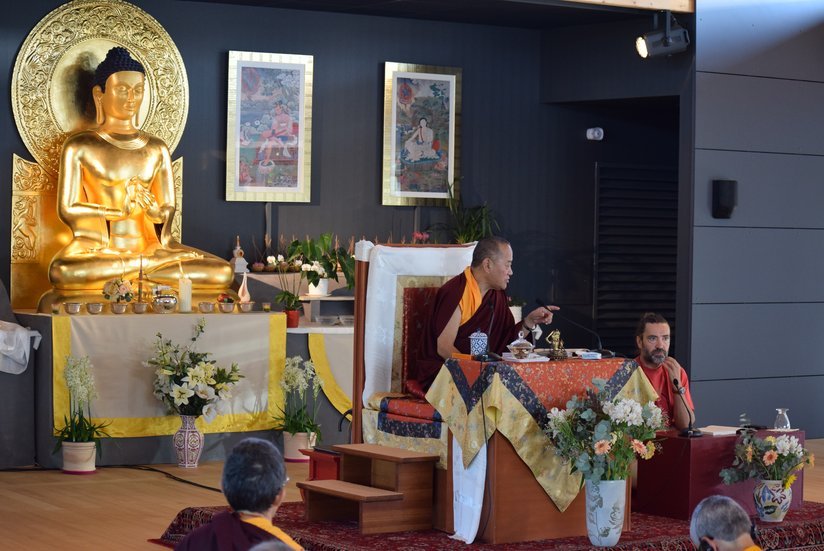
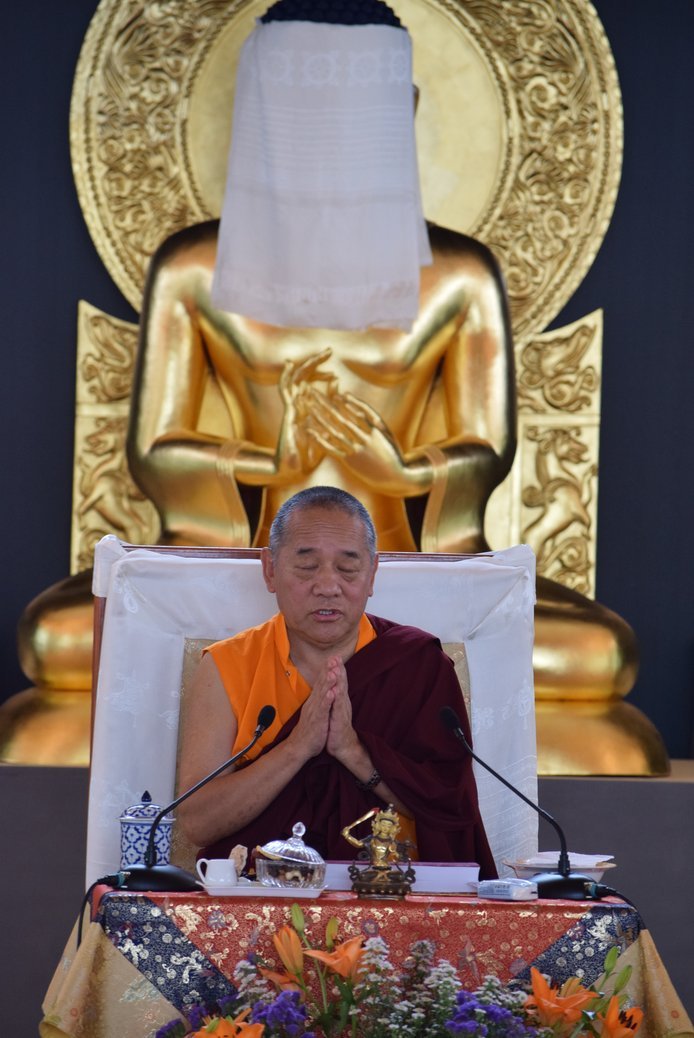
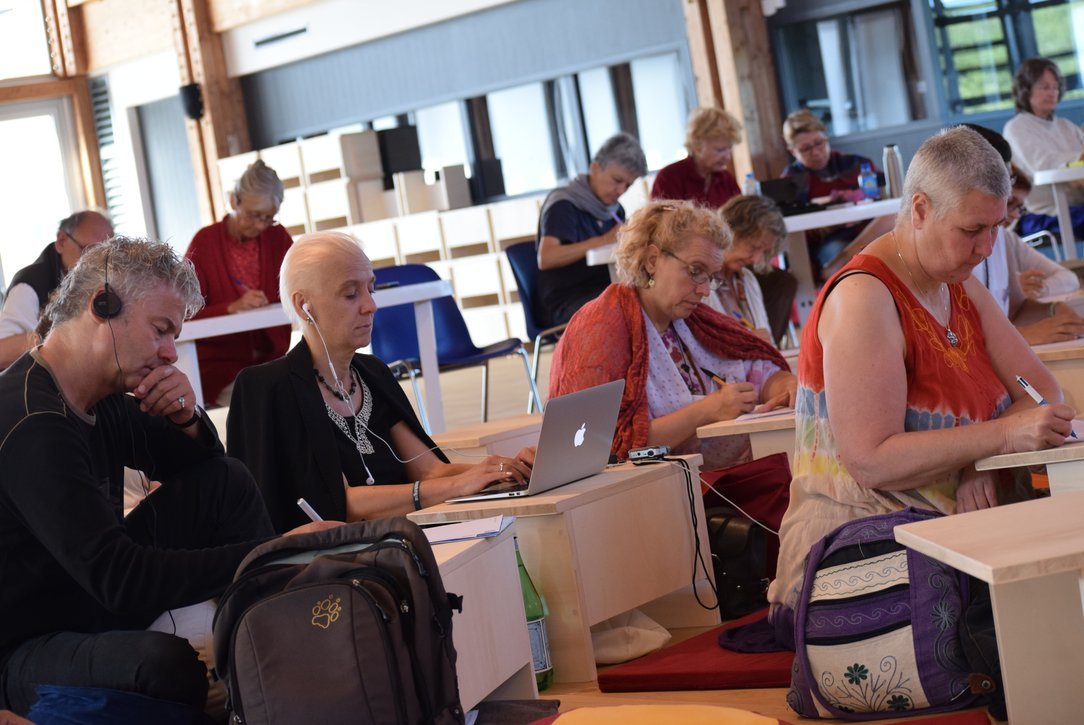

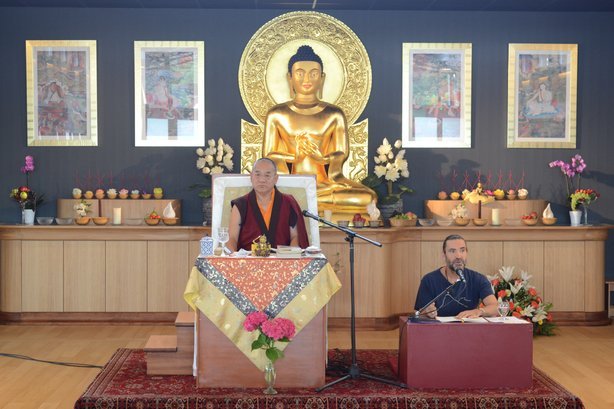
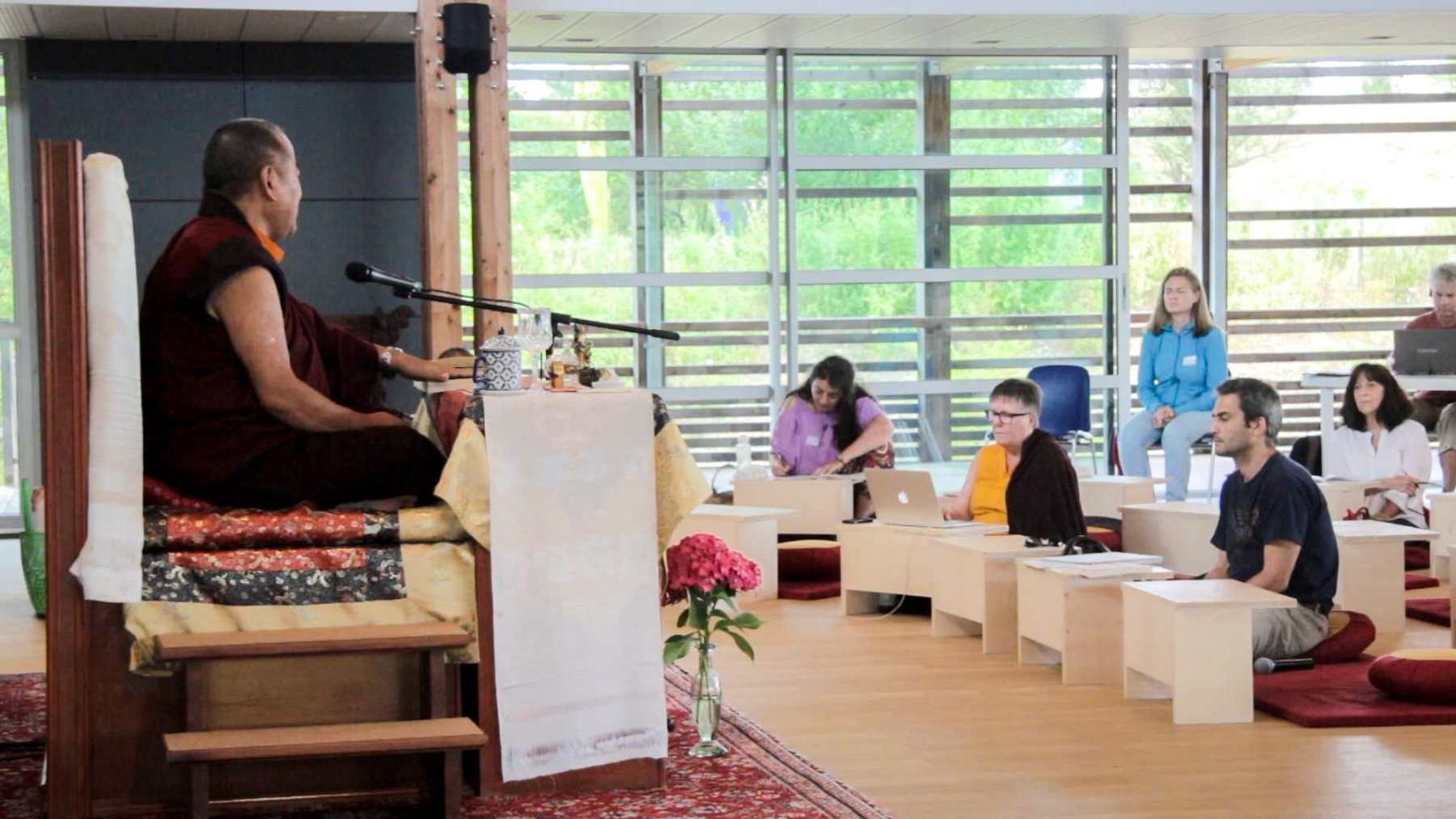
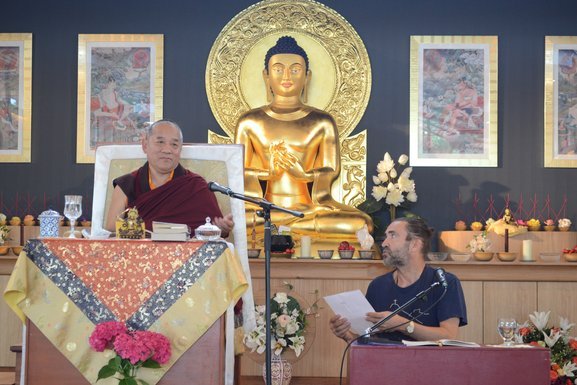
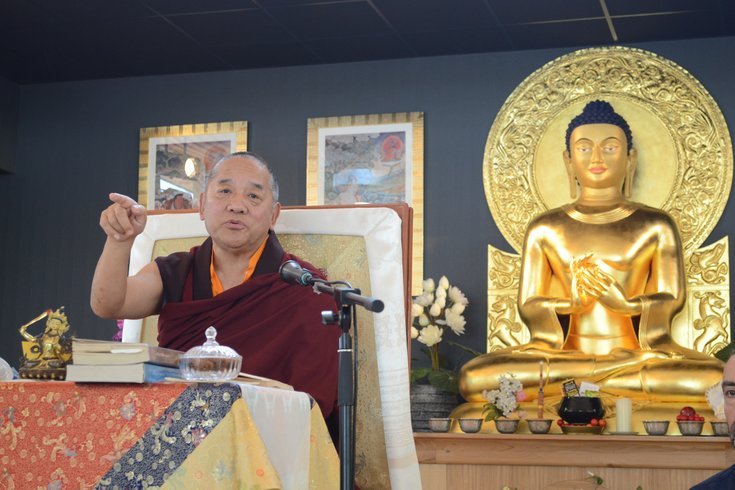

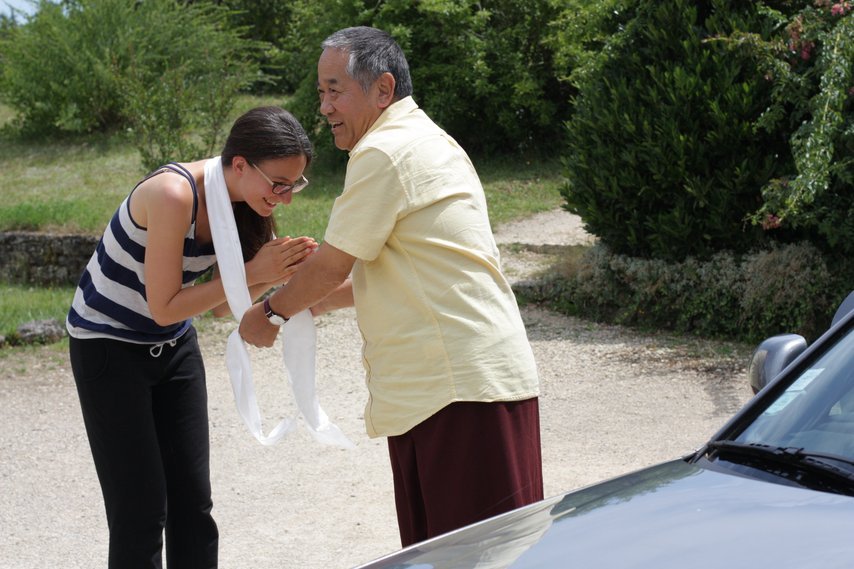
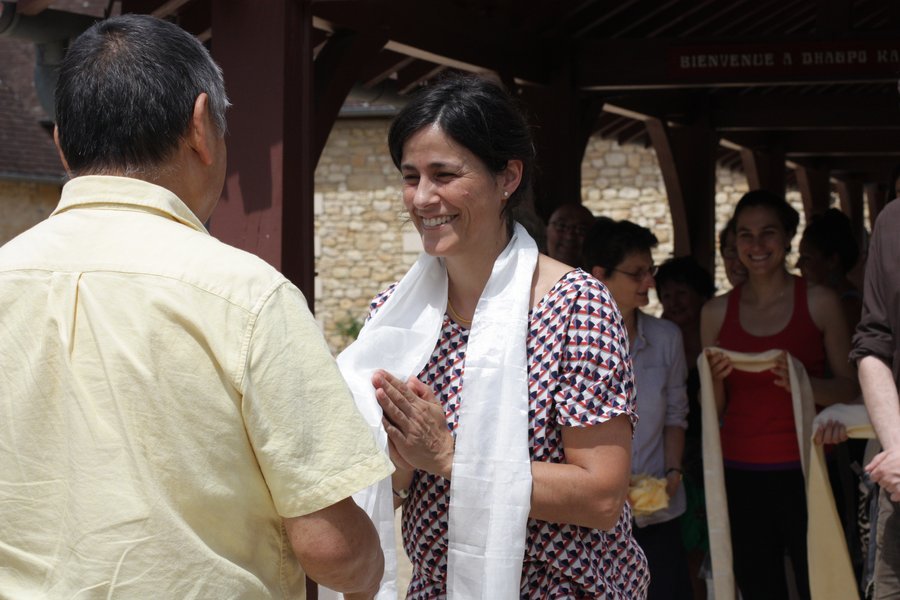
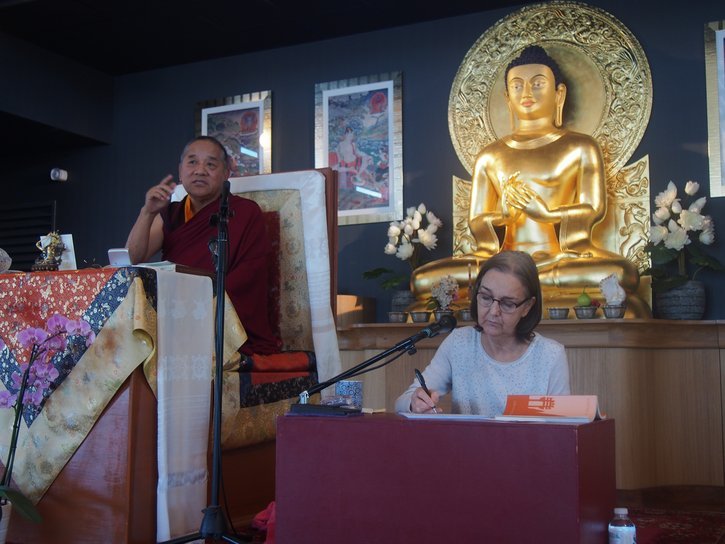
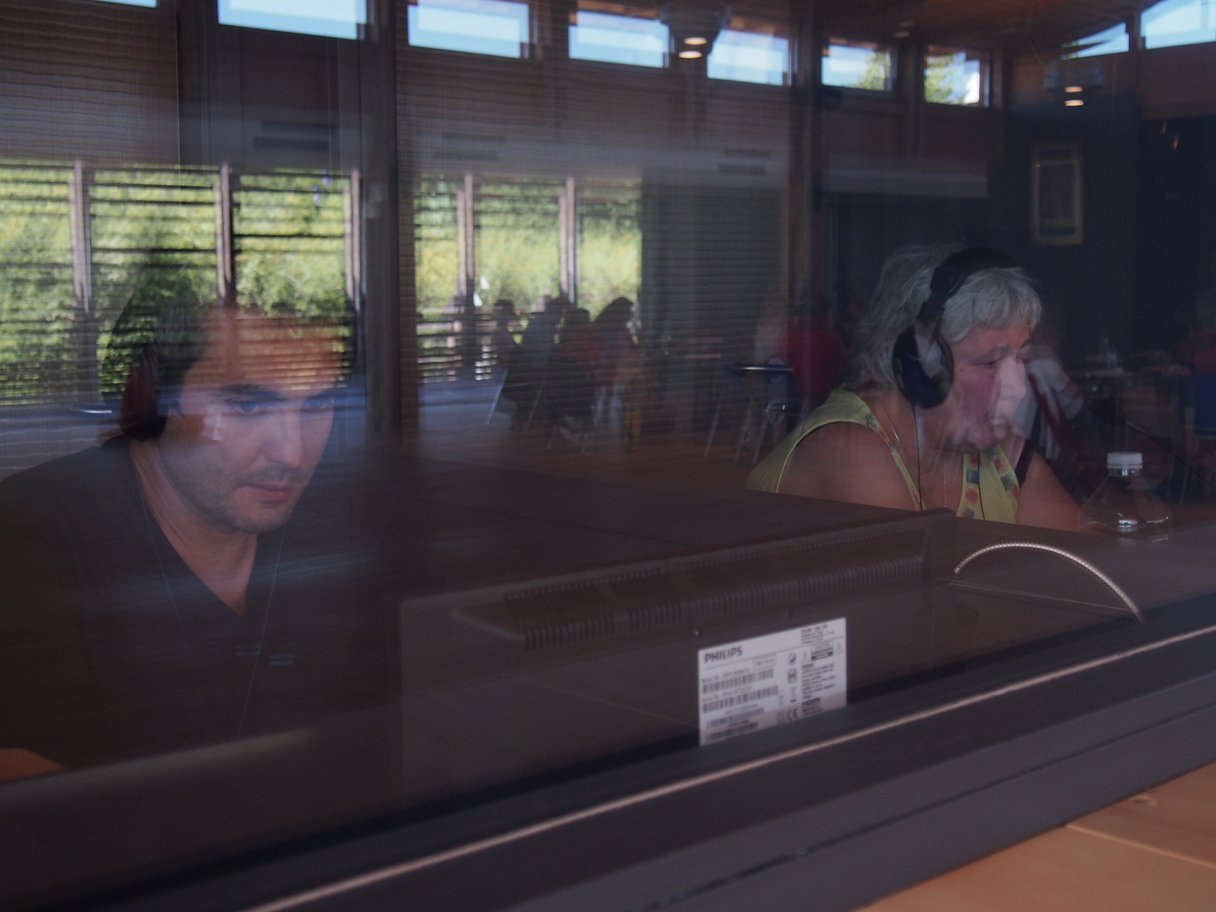
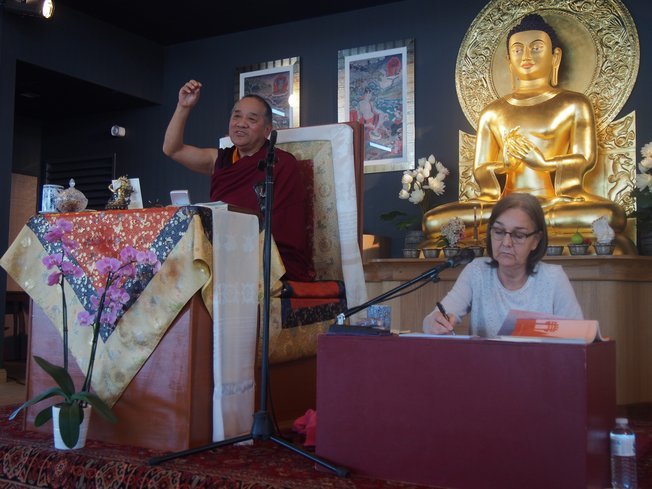


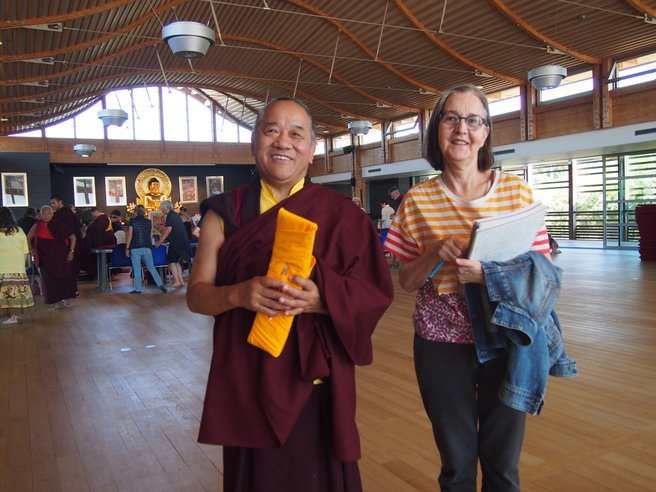
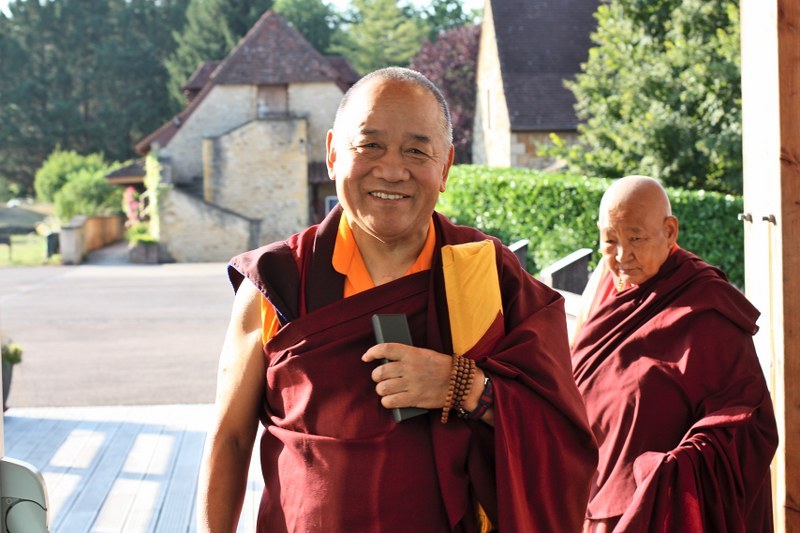
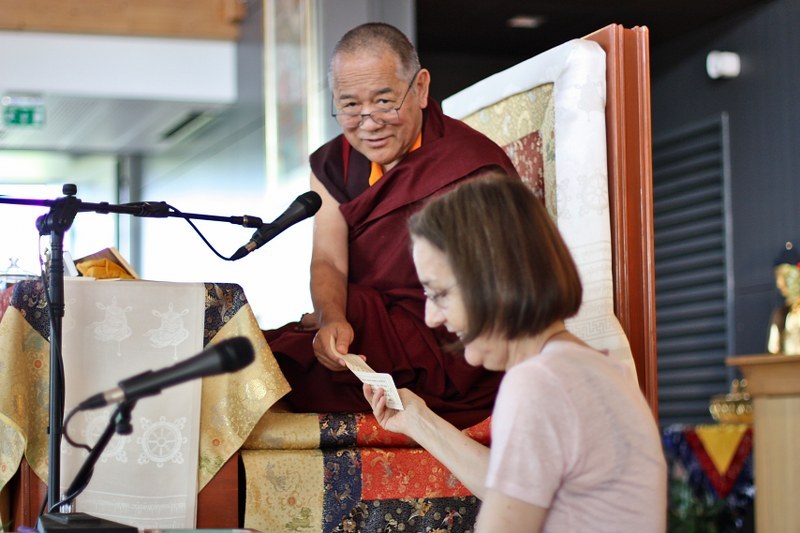
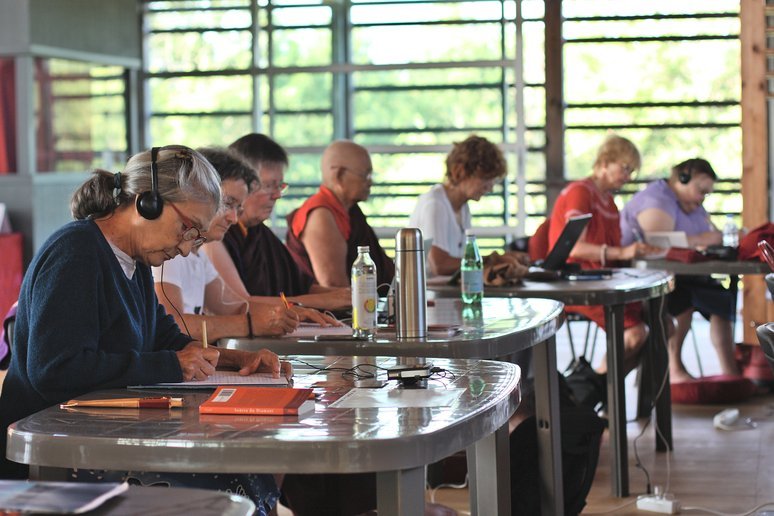


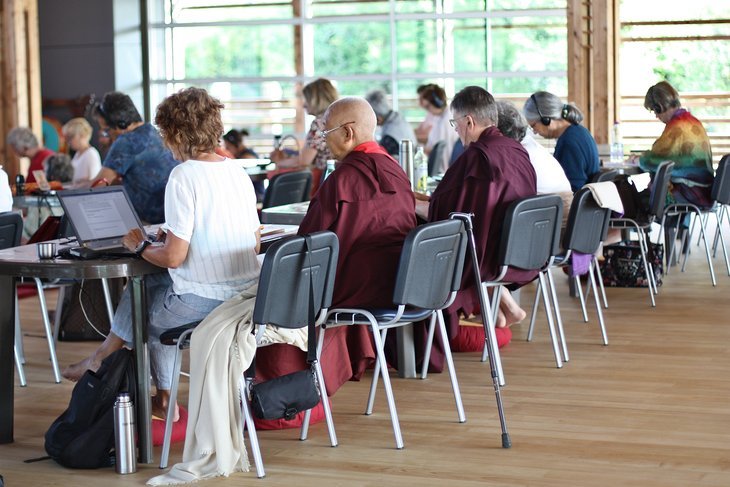
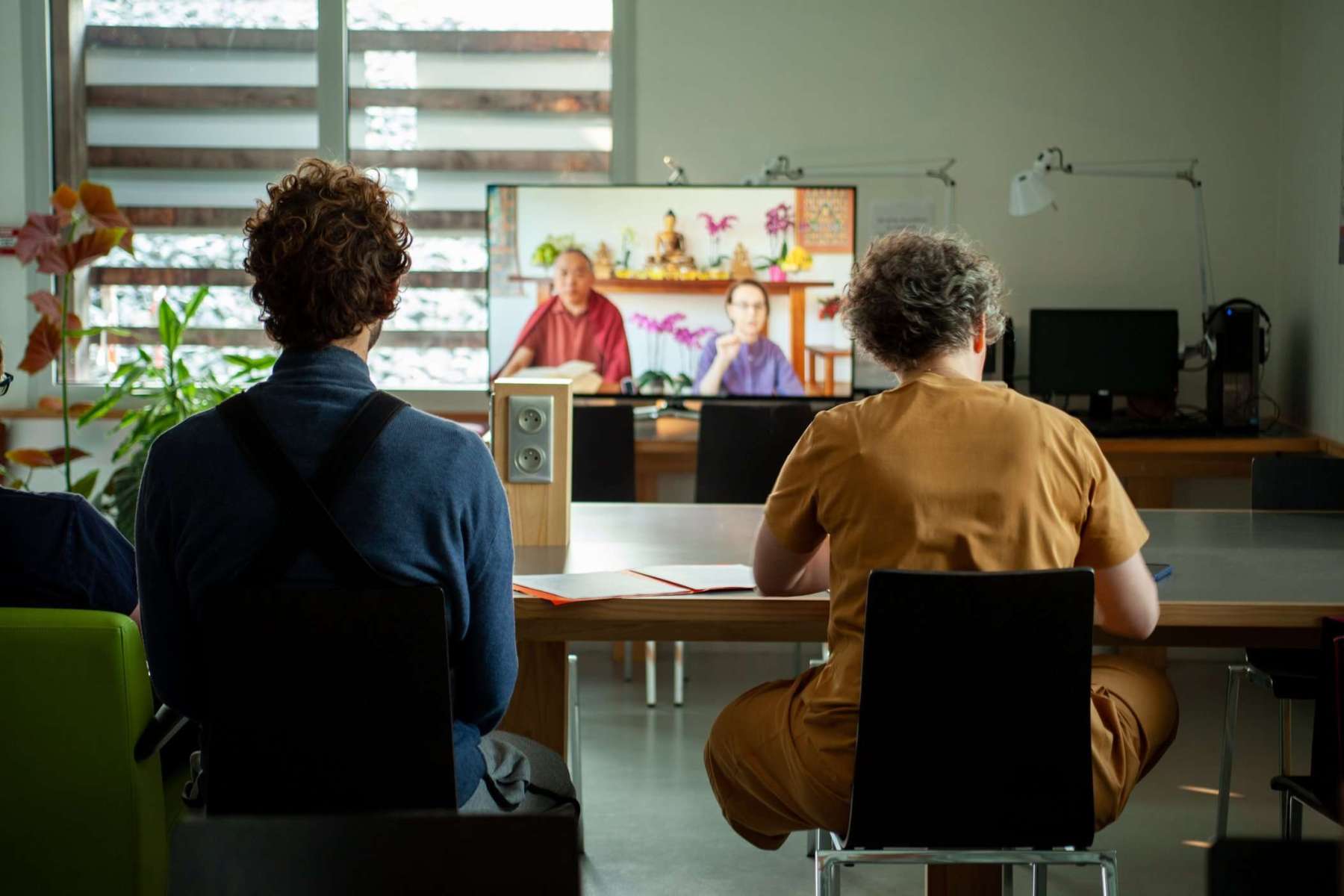


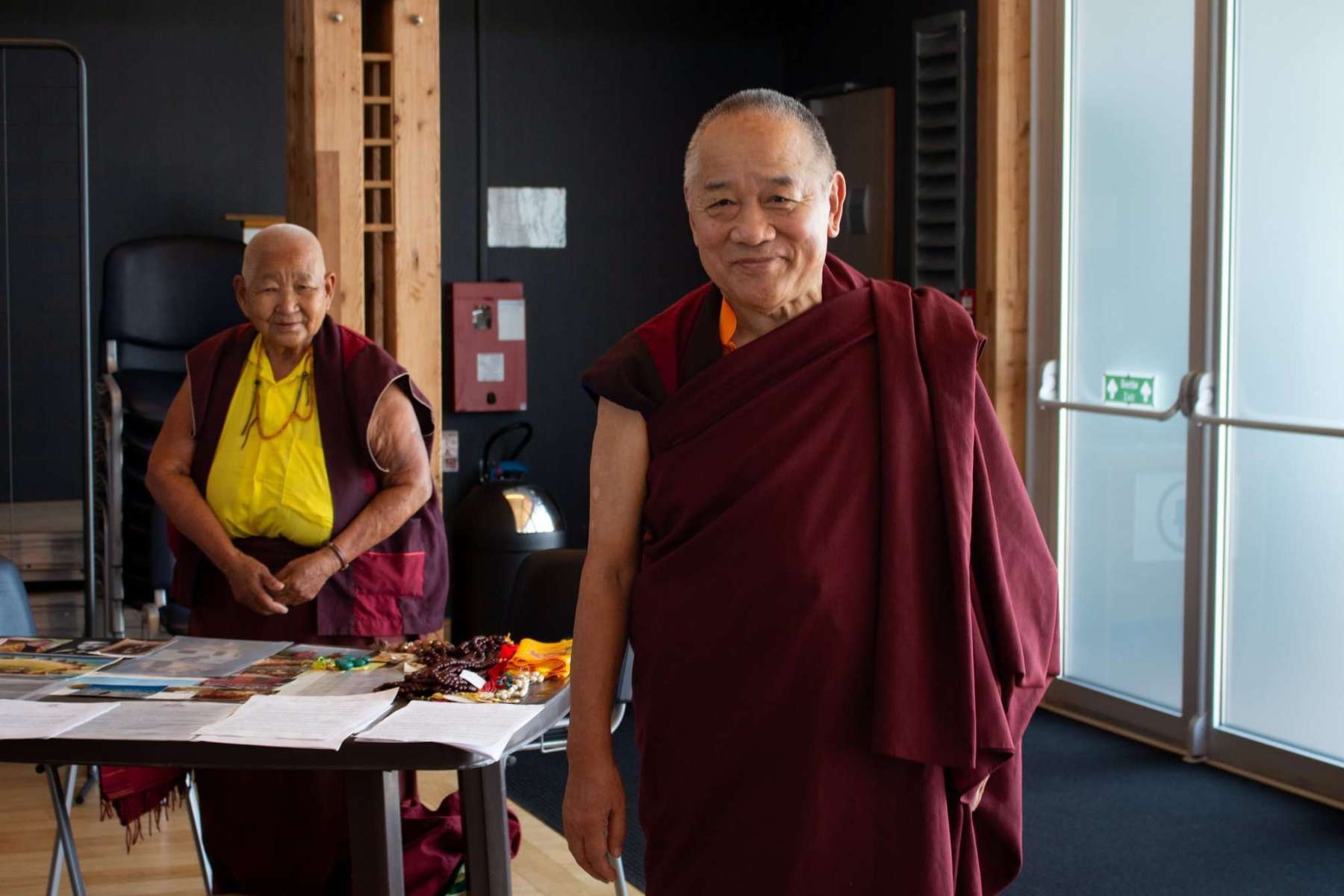


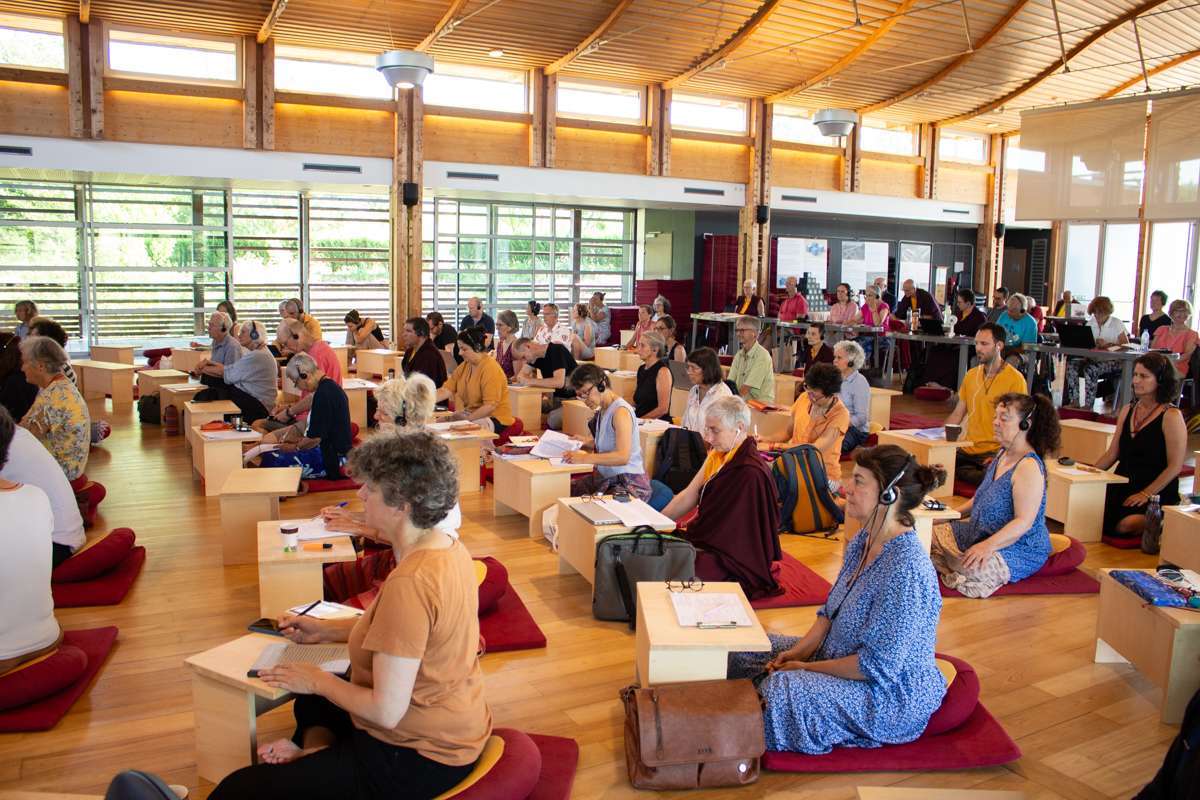

Q&A Session with the Students of the Institute


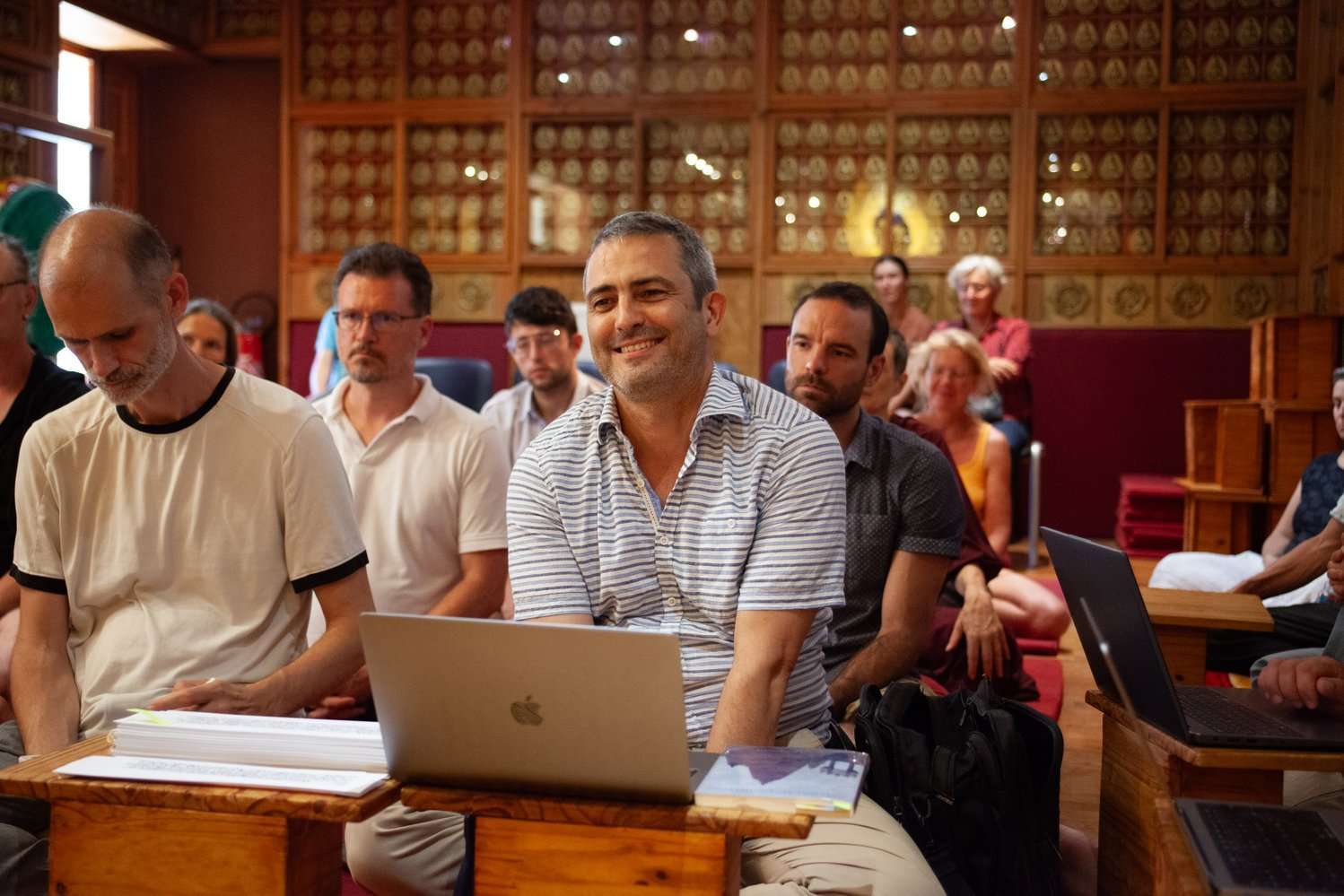


These photos come from our archives or were collected as part of the research for Dhagpo Kagyu Ling’s 50th anniversary. We have not been able to identify all the authors. The use of these photos is solely for informational purposes within the context of Dhagpo Kagyu Ling’s 50th anniversary celebration. Their use is limited to this event and our website and is not for commercial purposes.
Event
To commemorate this event, Khenpo Chödrak Rinpoche will share his thoughts on the Summer University, where he taught since 1994, as well as on the importance of a library for the study and preservation of Buddhism, to mark the opening of the Dhagpo library to the public in July 2013.
 It will be streamed online on Youtube, and translated into several languages.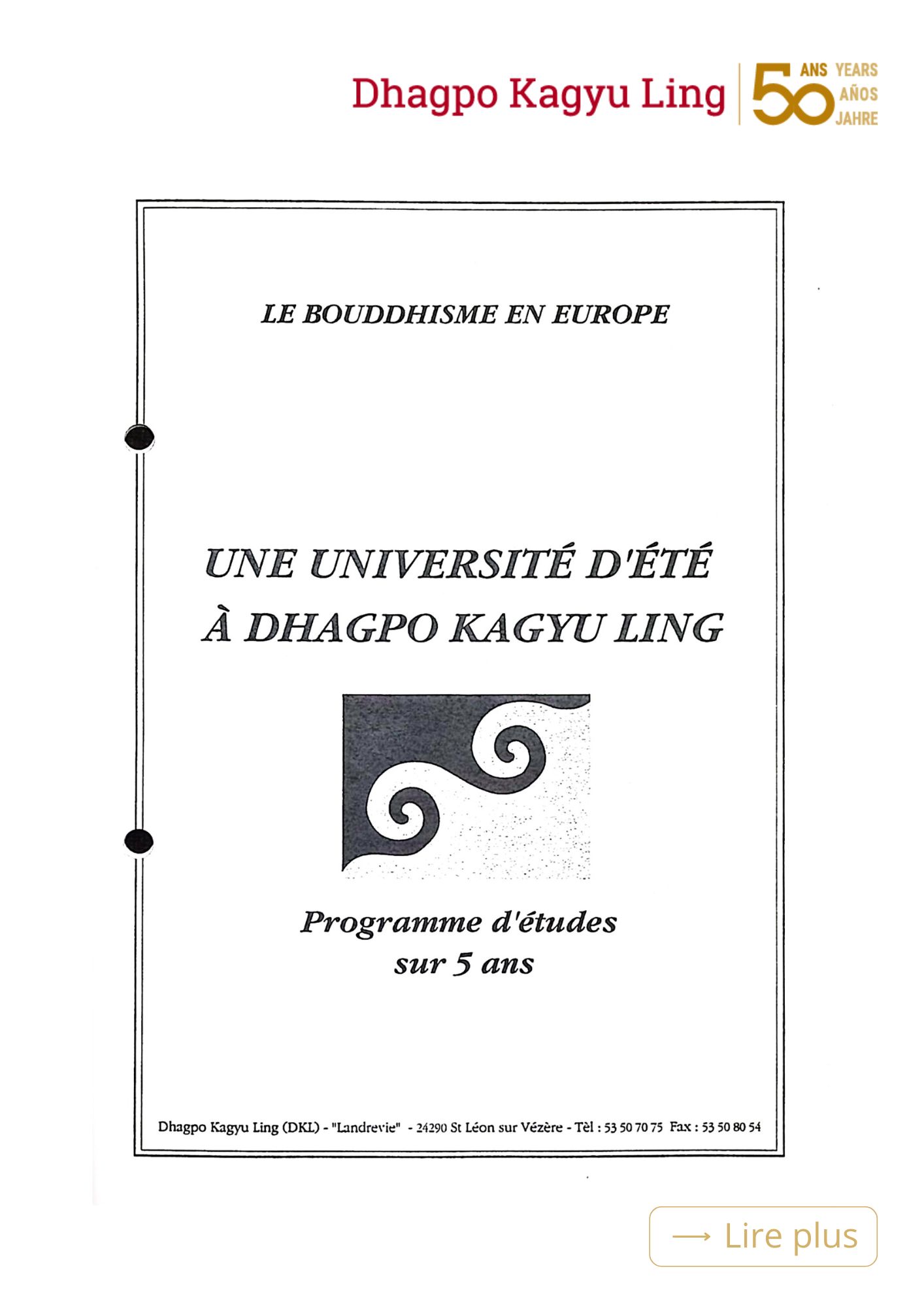
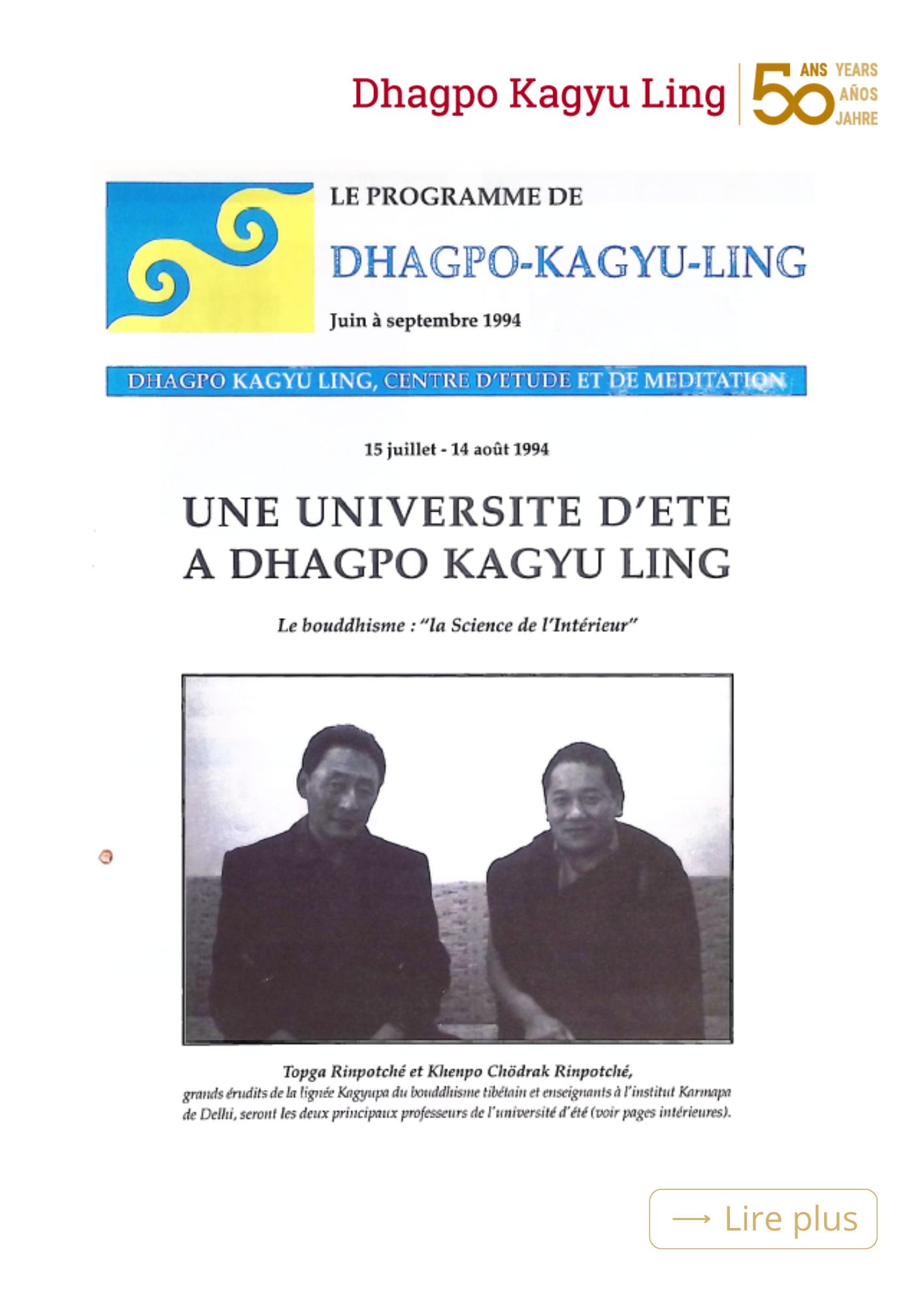
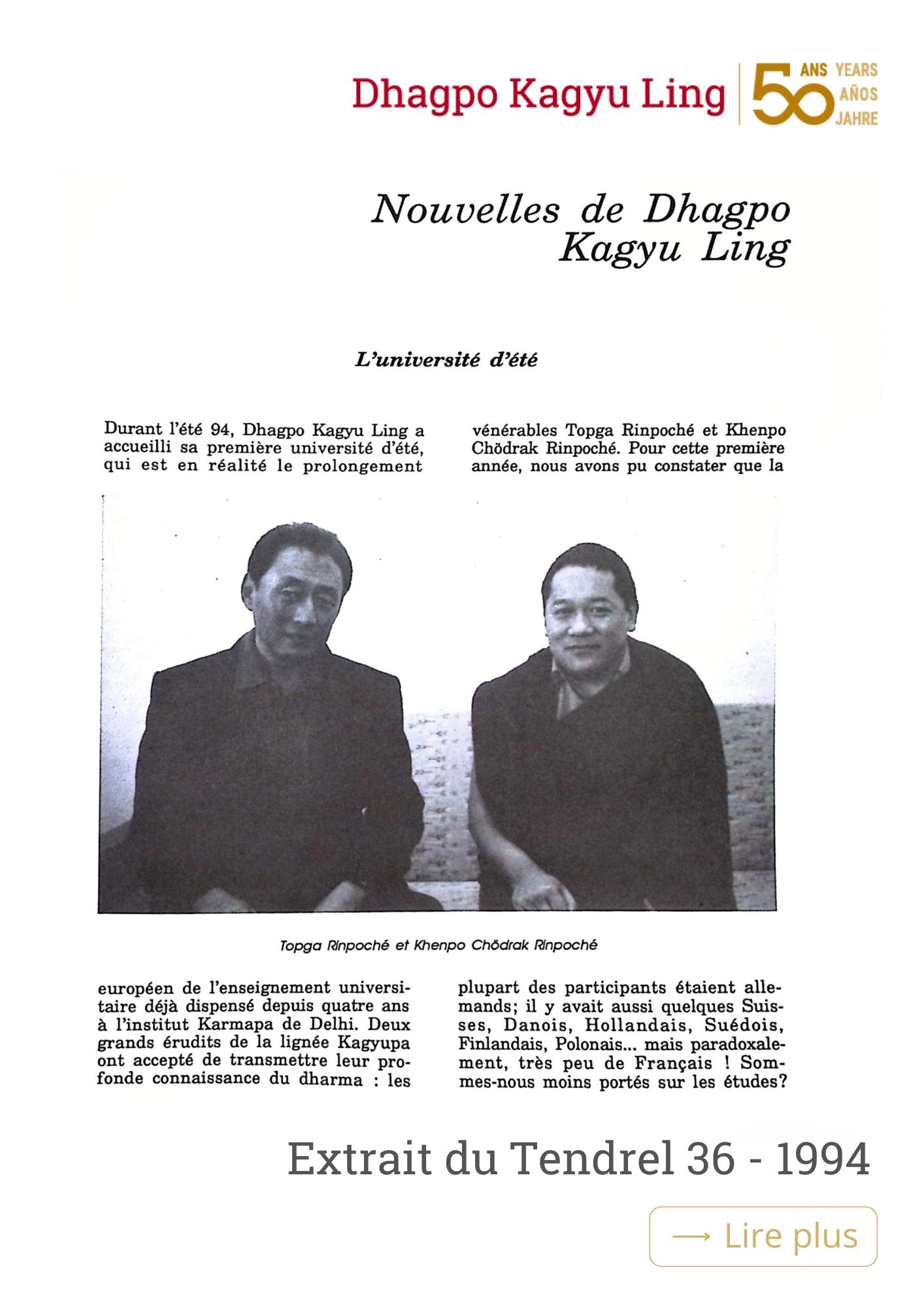
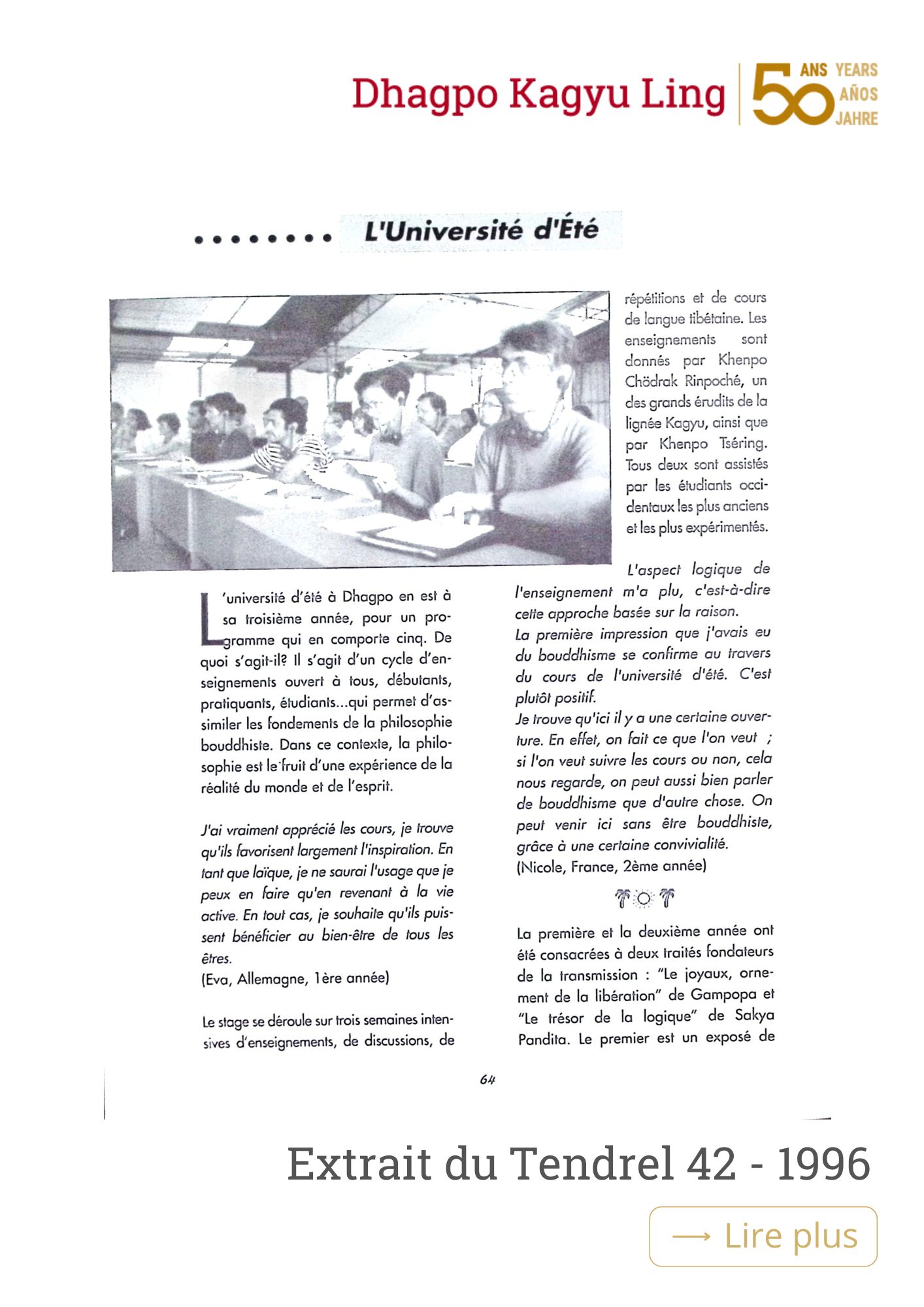
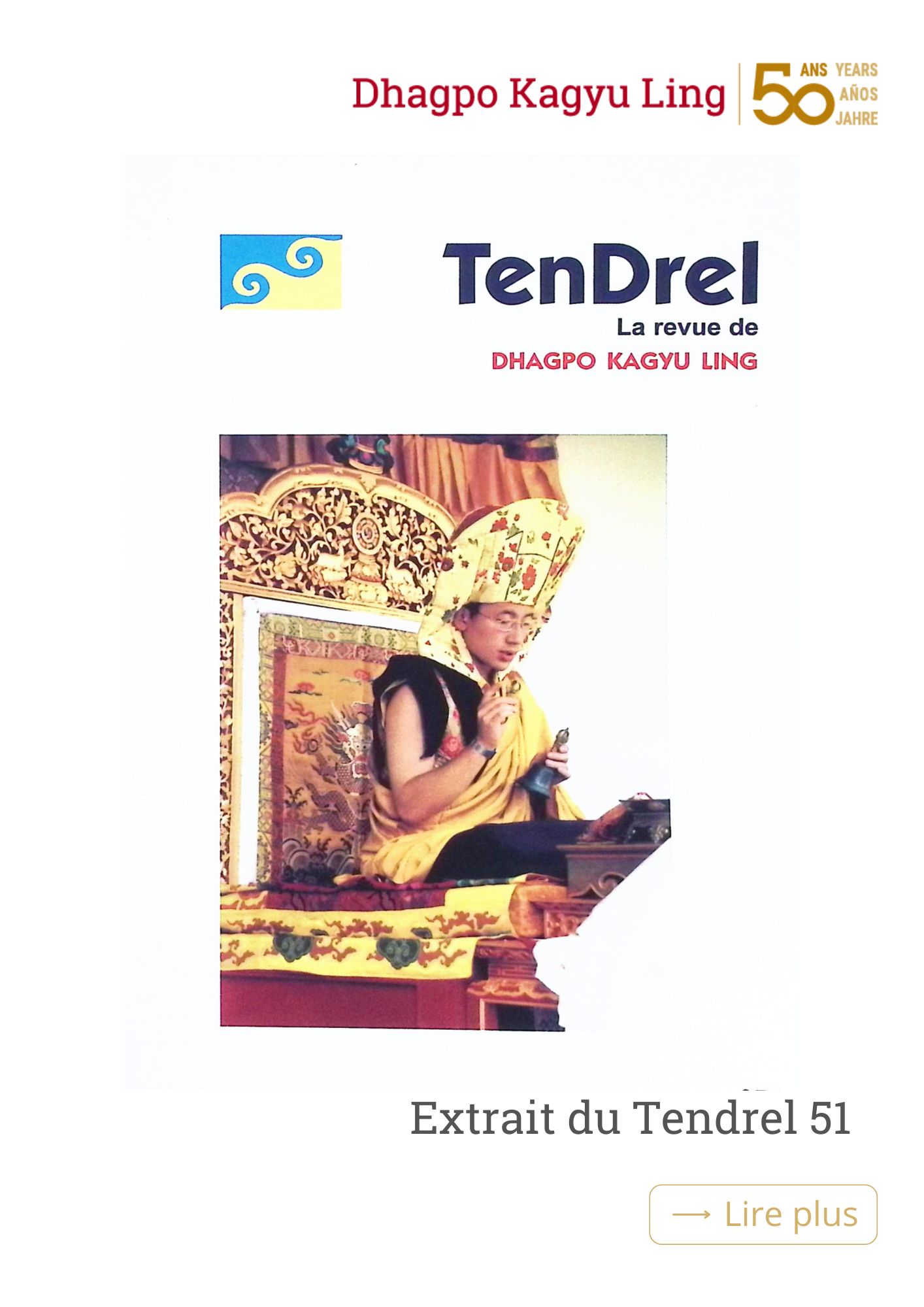
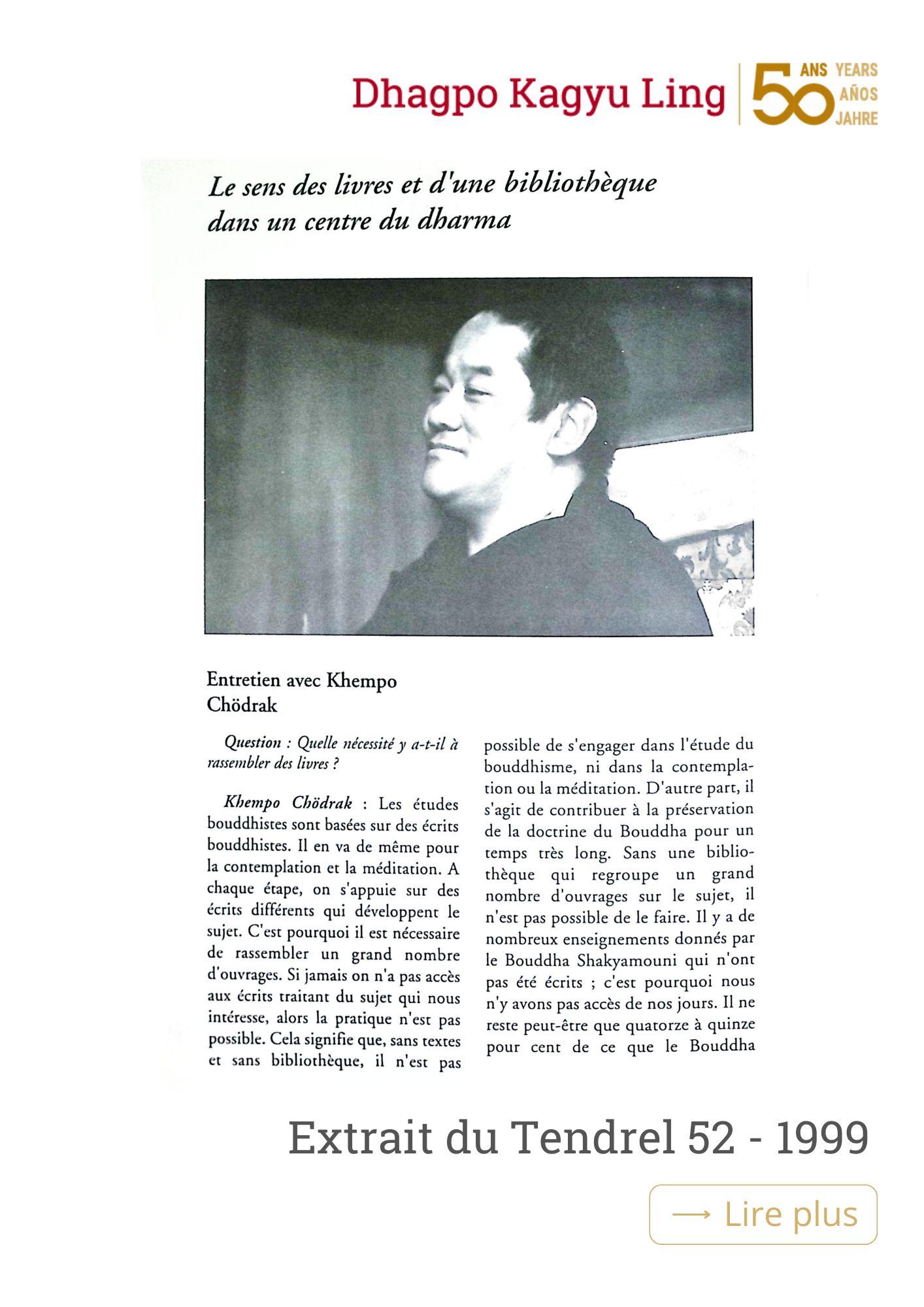
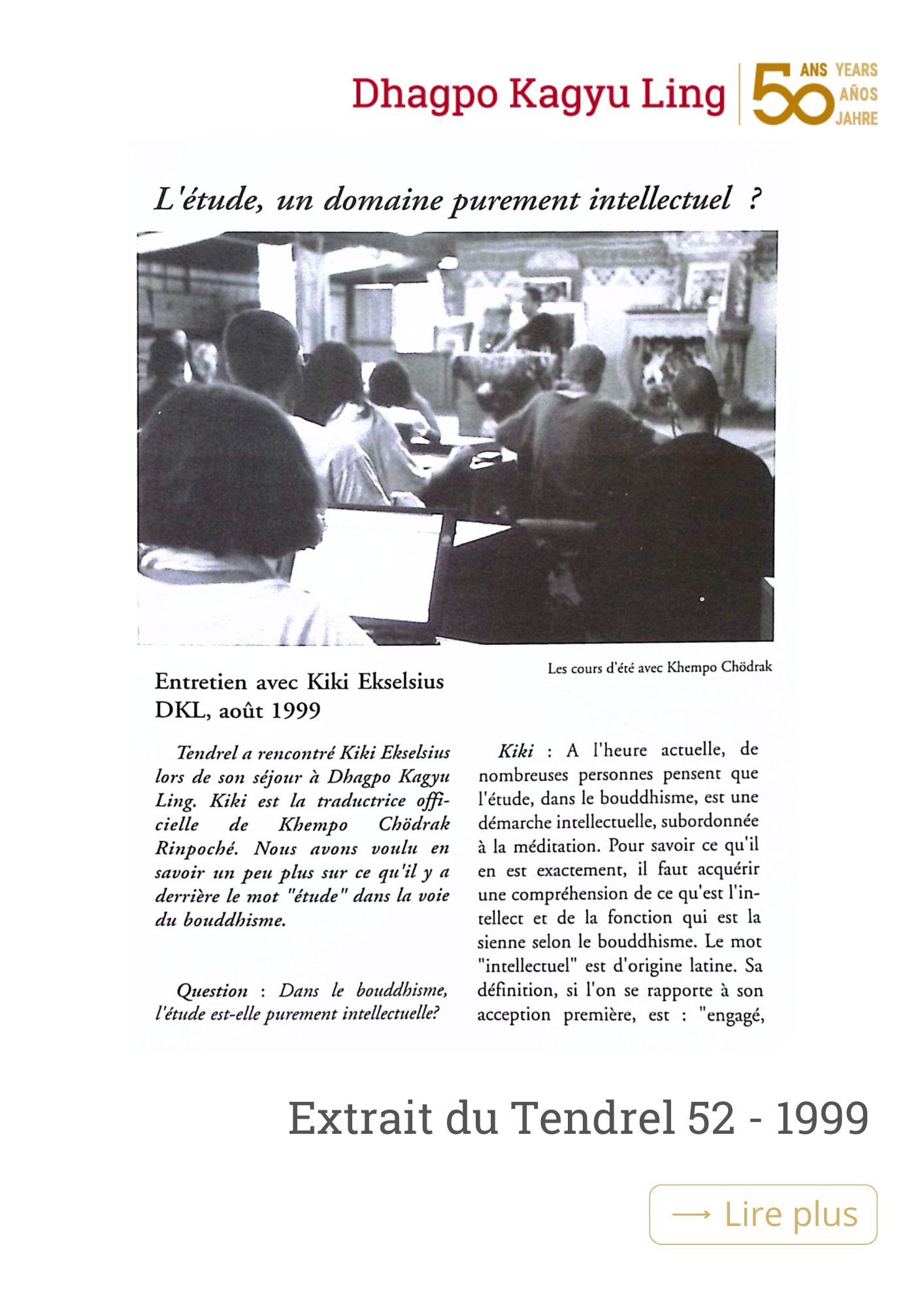

These photos come from our archives or were collected as part of the research for Dhagpo Kagyu Ling’s 50th anniversary. We have not been able to identify all the authors. The use of these photos is solely for informational purposes within the context of Dhagpo Kagyu Ling’s 50th anniversary celebration. Their use is limited to this event and our website and is not for commercial purposes.