8:30 a.m. September is back-to-school month for students of all ages and backgrounds!
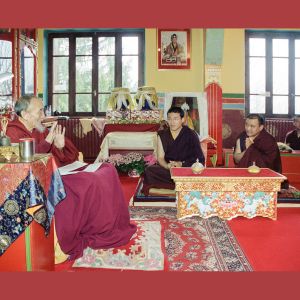
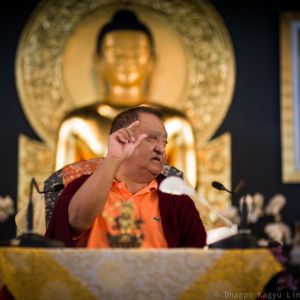
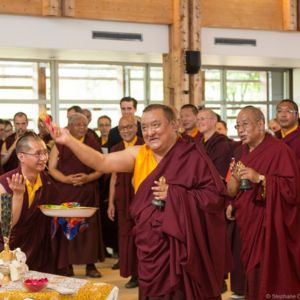
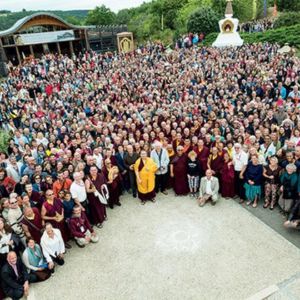
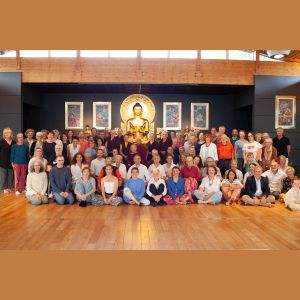
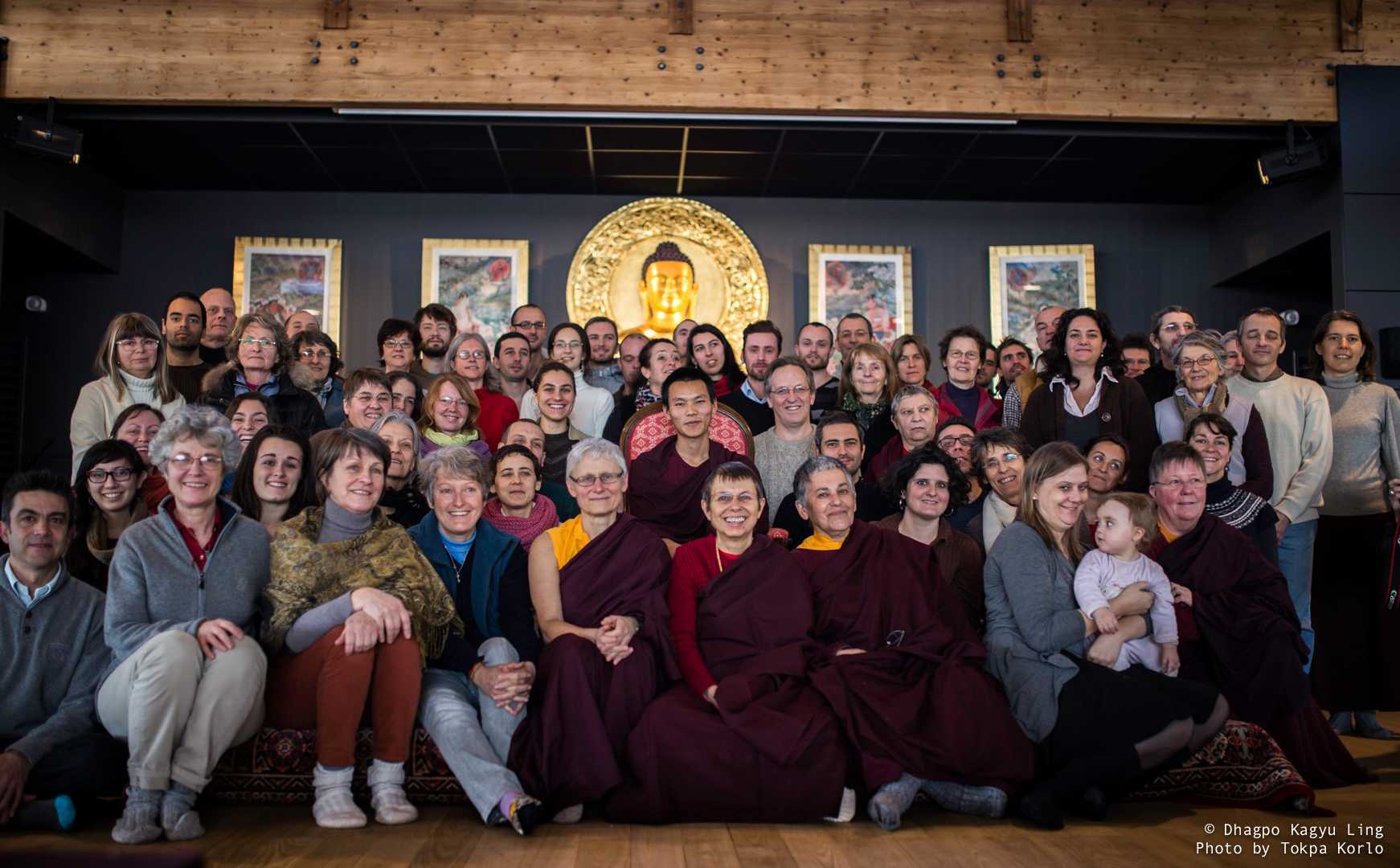
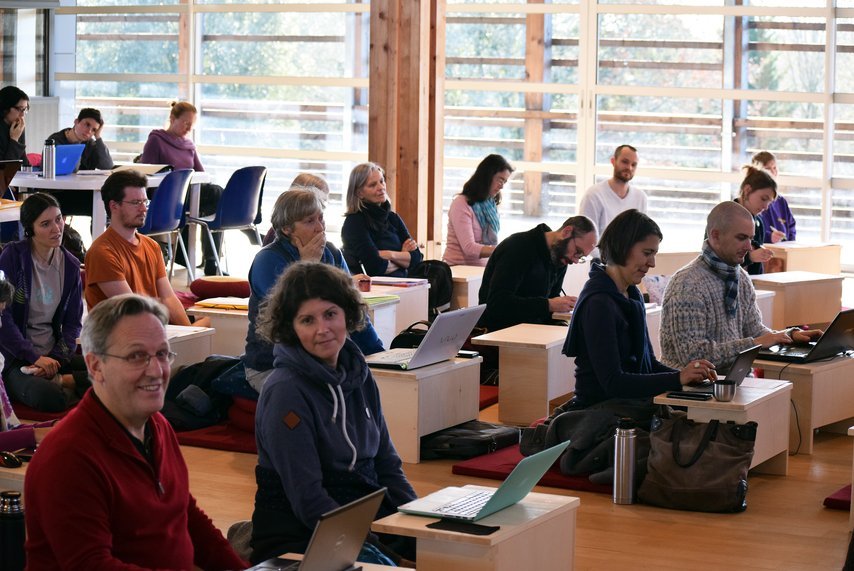
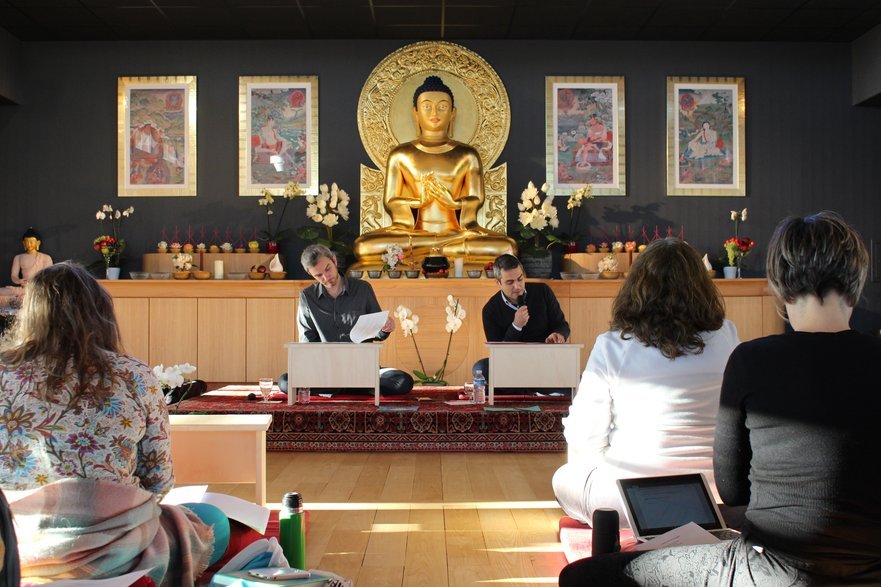
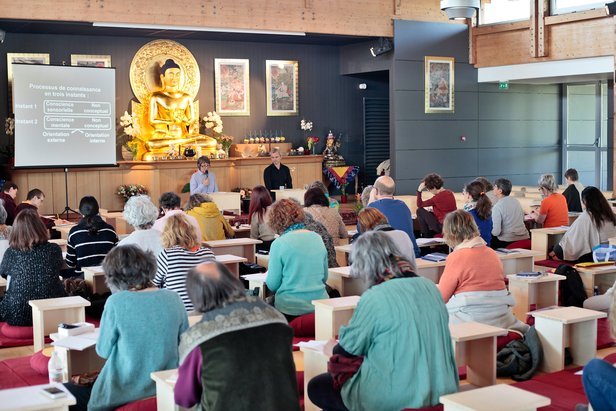
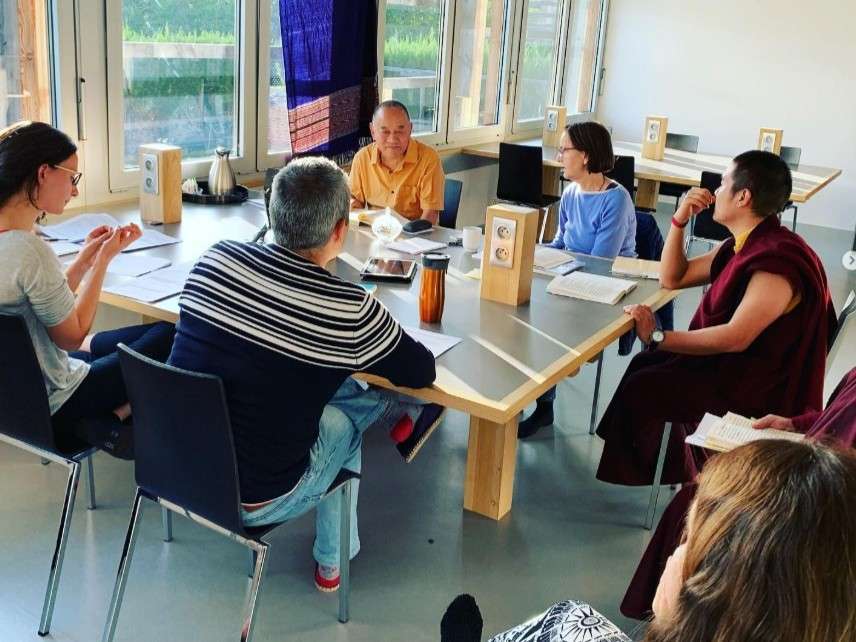
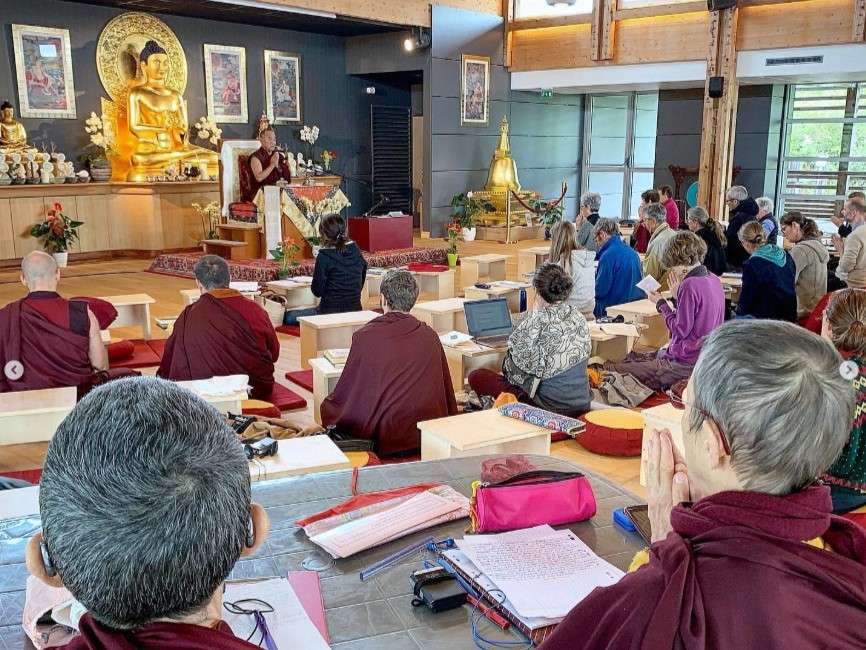
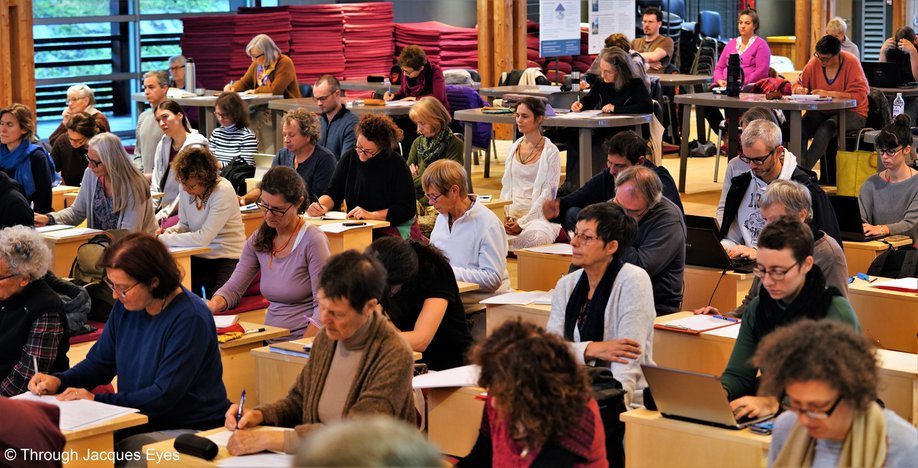
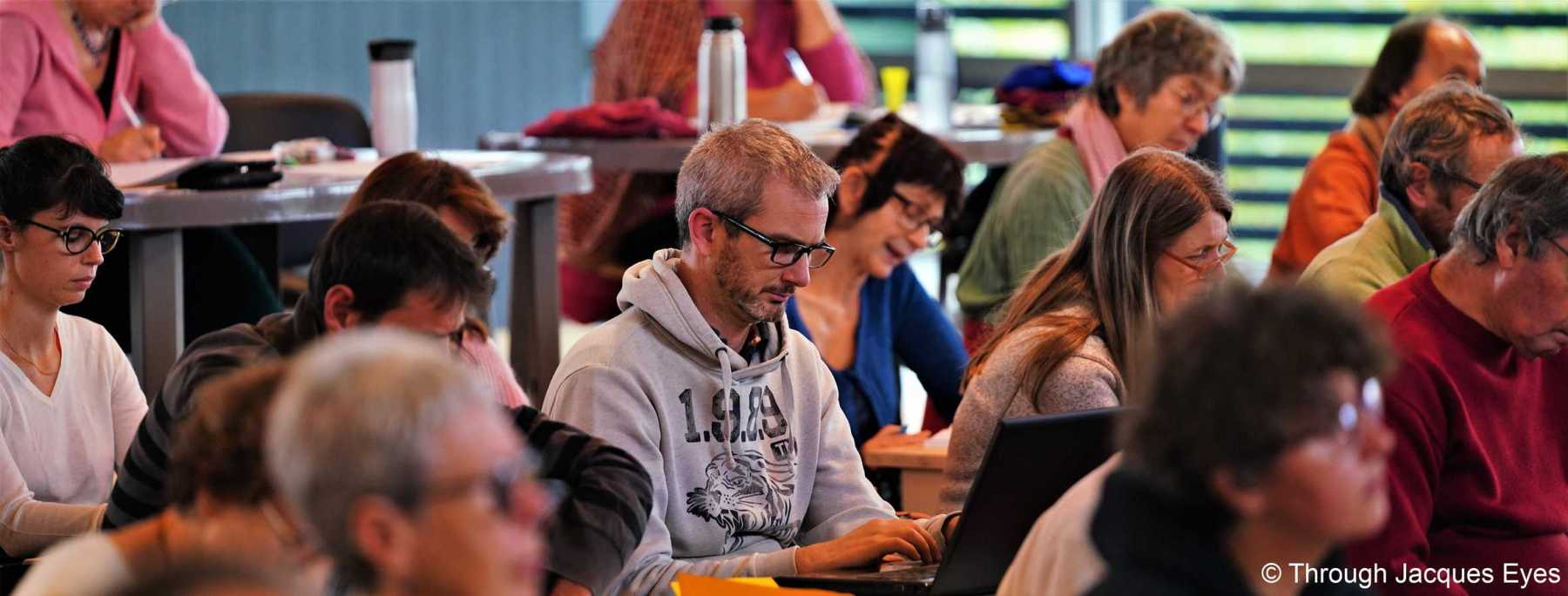
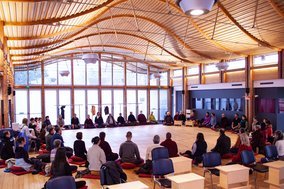
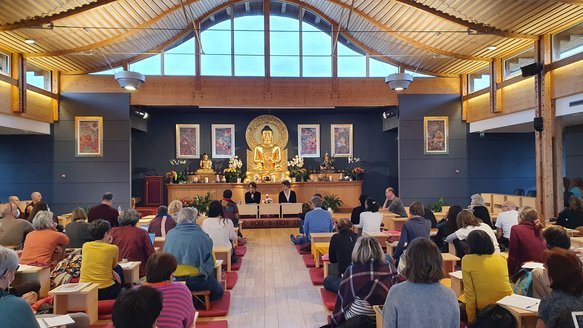
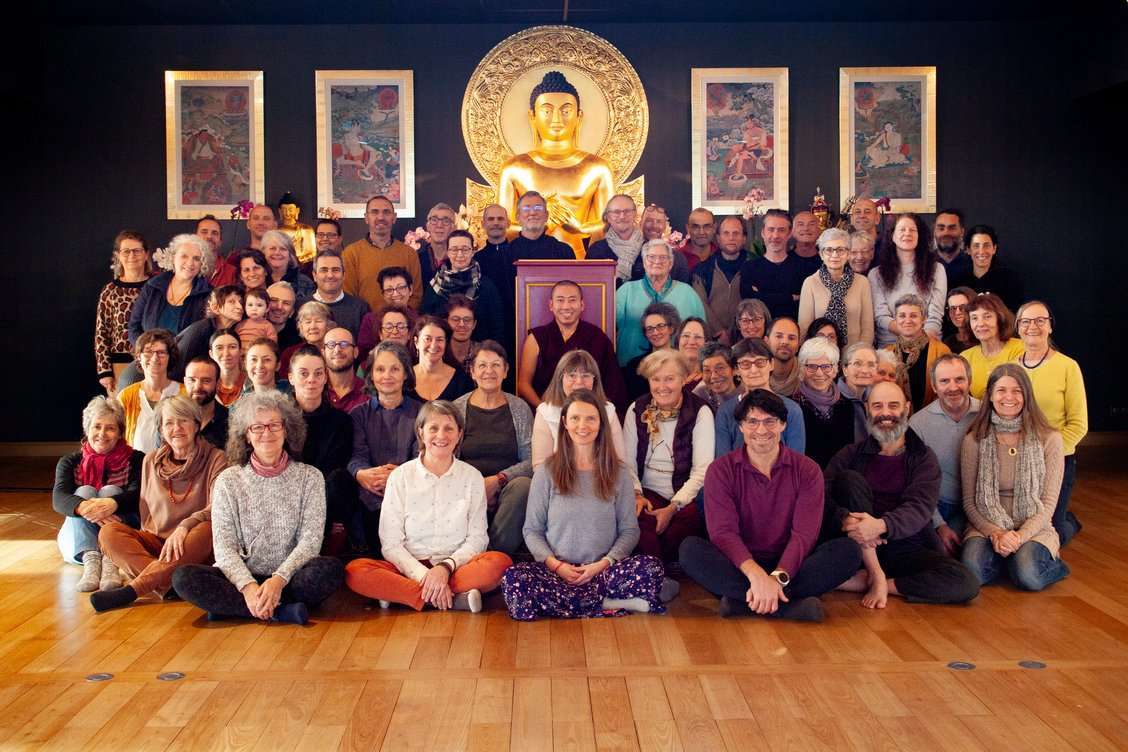
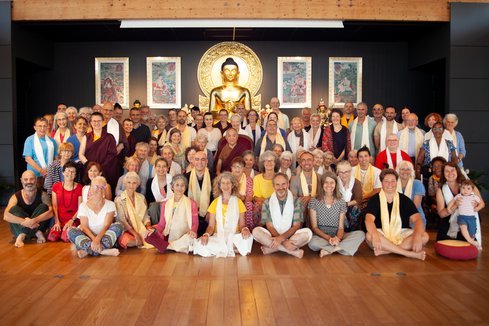
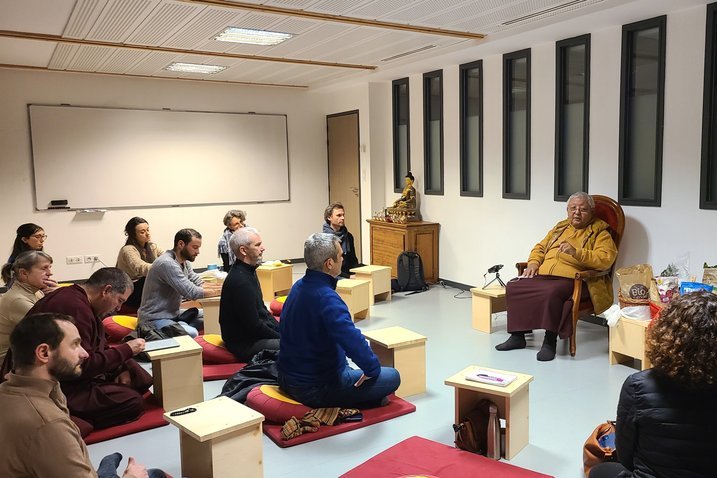
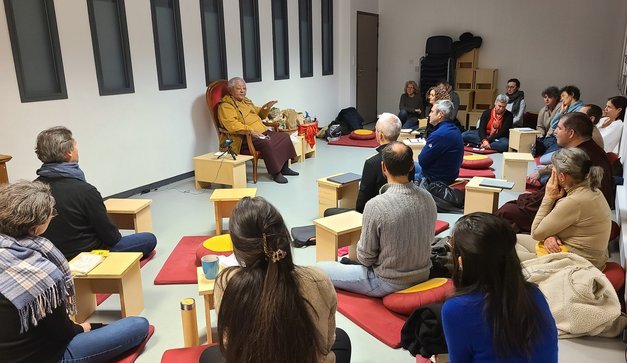
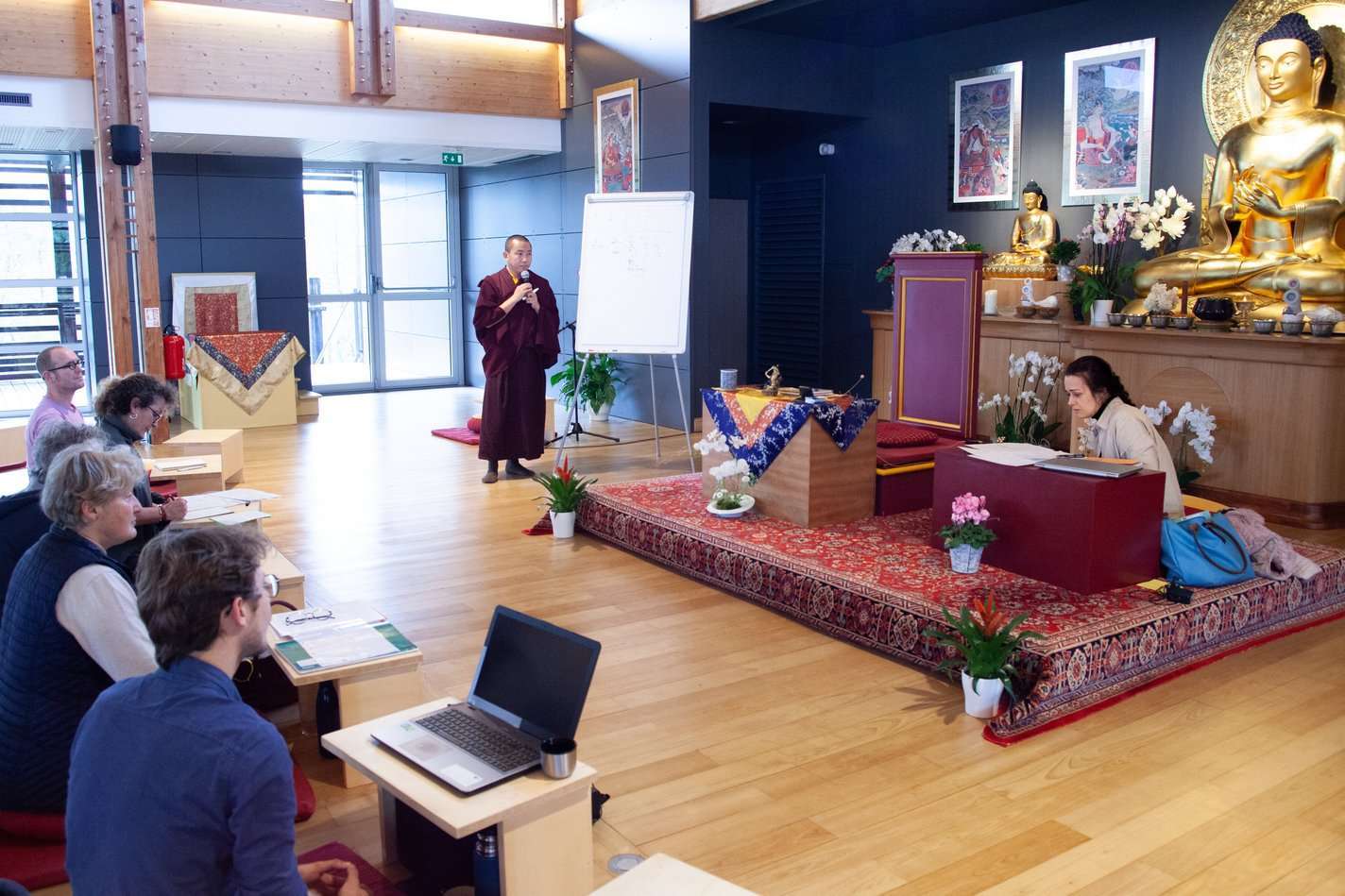
 At Dhagpo Kagyu Ling, residents and practitioners from the surrounding area gather every weekday morning at the Institute for the “internal” curriculum, a study program of fundamental Dharma texts. With some 80 students enrolled, this course, based on teachings given for nearly fifteen years by qualified khenpos and acharyas (1), focuses on the textual study of the Dharma, an essential aspect of the Buddhist path, along with meditation and daily application.
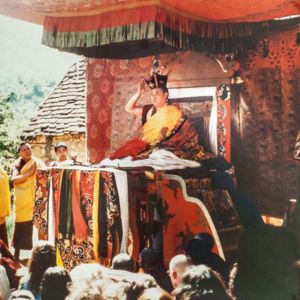
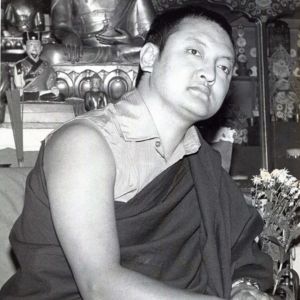
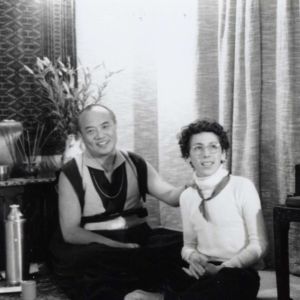
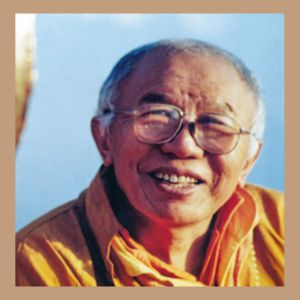
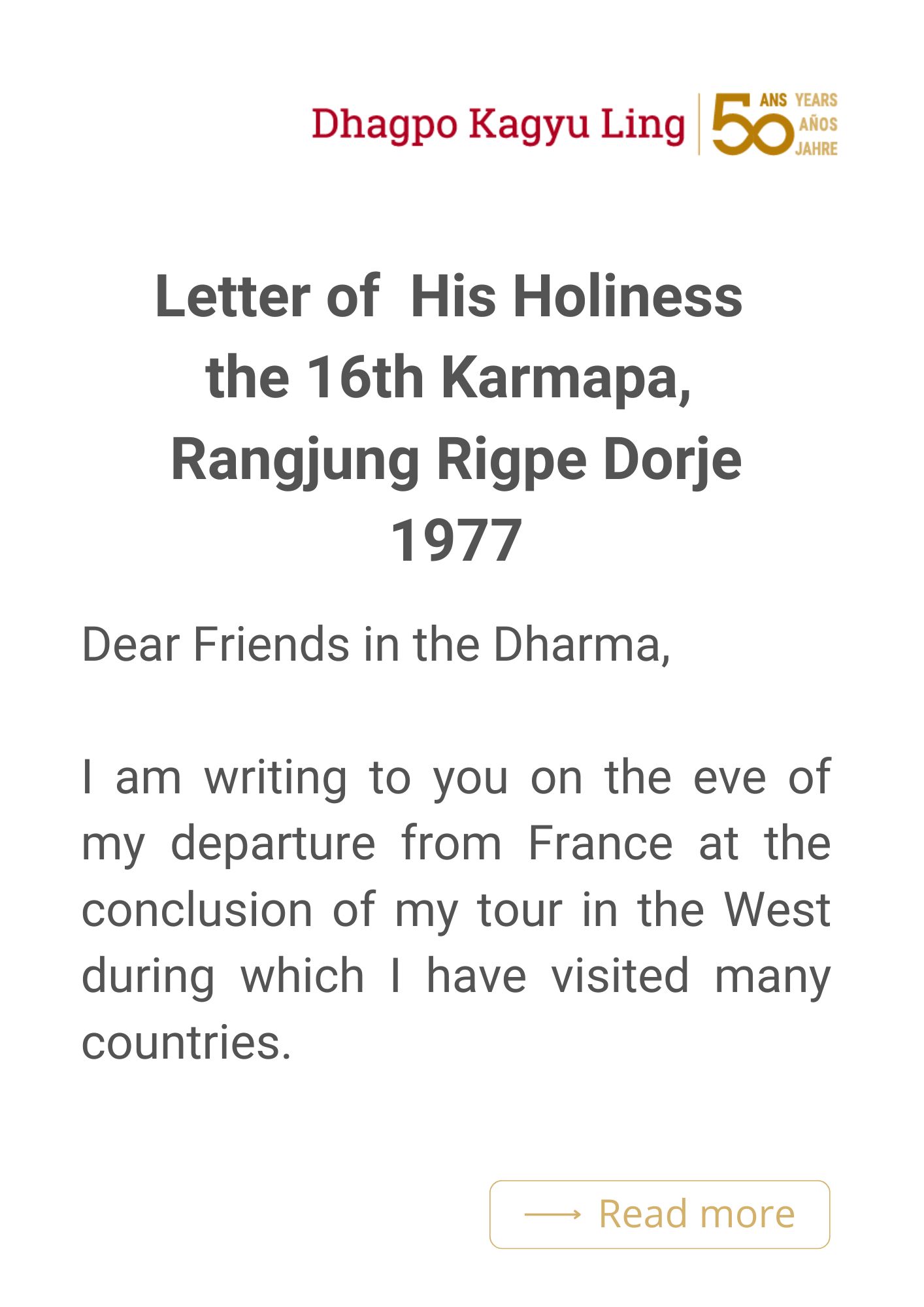
On the eve of his departure from France in 1977, the 16th Gyalwa Karmapa wrote in a letter:
Dhagpo Kagyü Ling will be a place where the profound teachings of Lord Buddha Shakyamuni can be studied, understood and practiced. The immaculate teachings were propounded for the benefit of all sentient beings. Therefore, I hope that all who are interested will be able to come and make use of the rare opportunity to realize both relative and absolute happiness.
The curriculum was gradually developed as external conditions as well as inner individual conditions evolved. The establishment of the summer university in 1994 helped plant the first seeds that would blossom over the years into the curriculum’s current form.
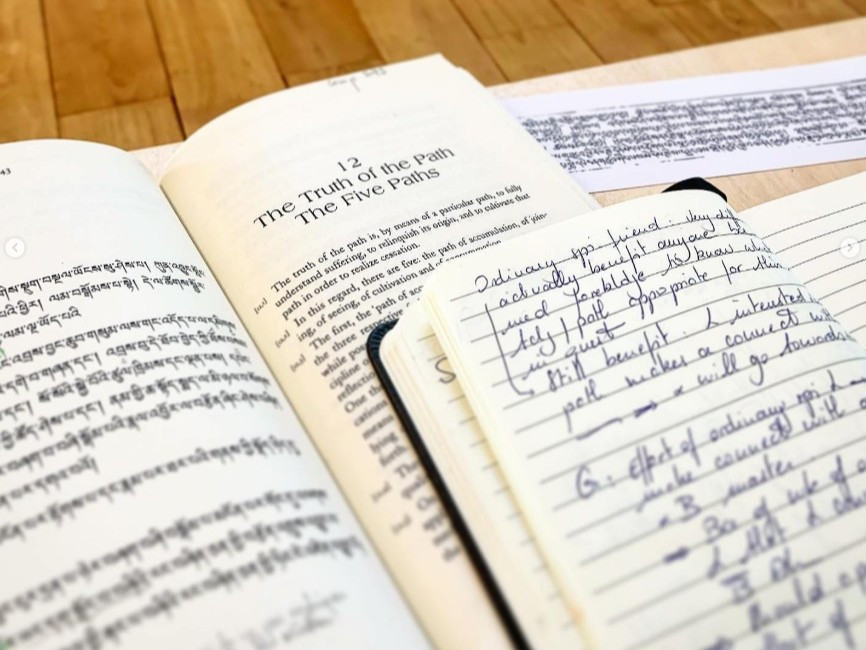
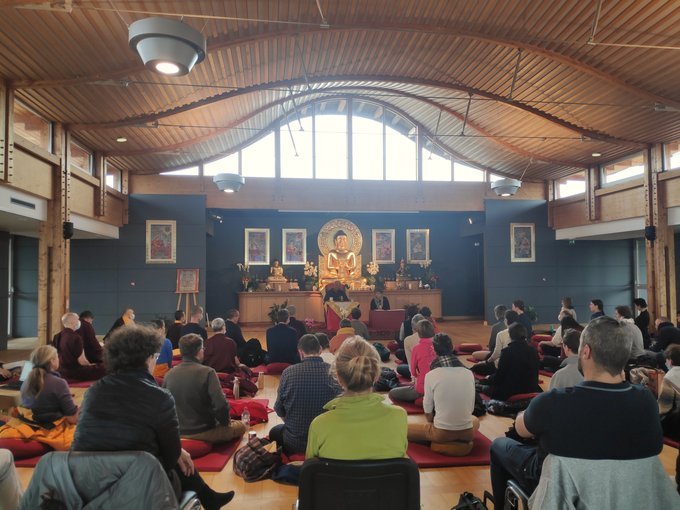
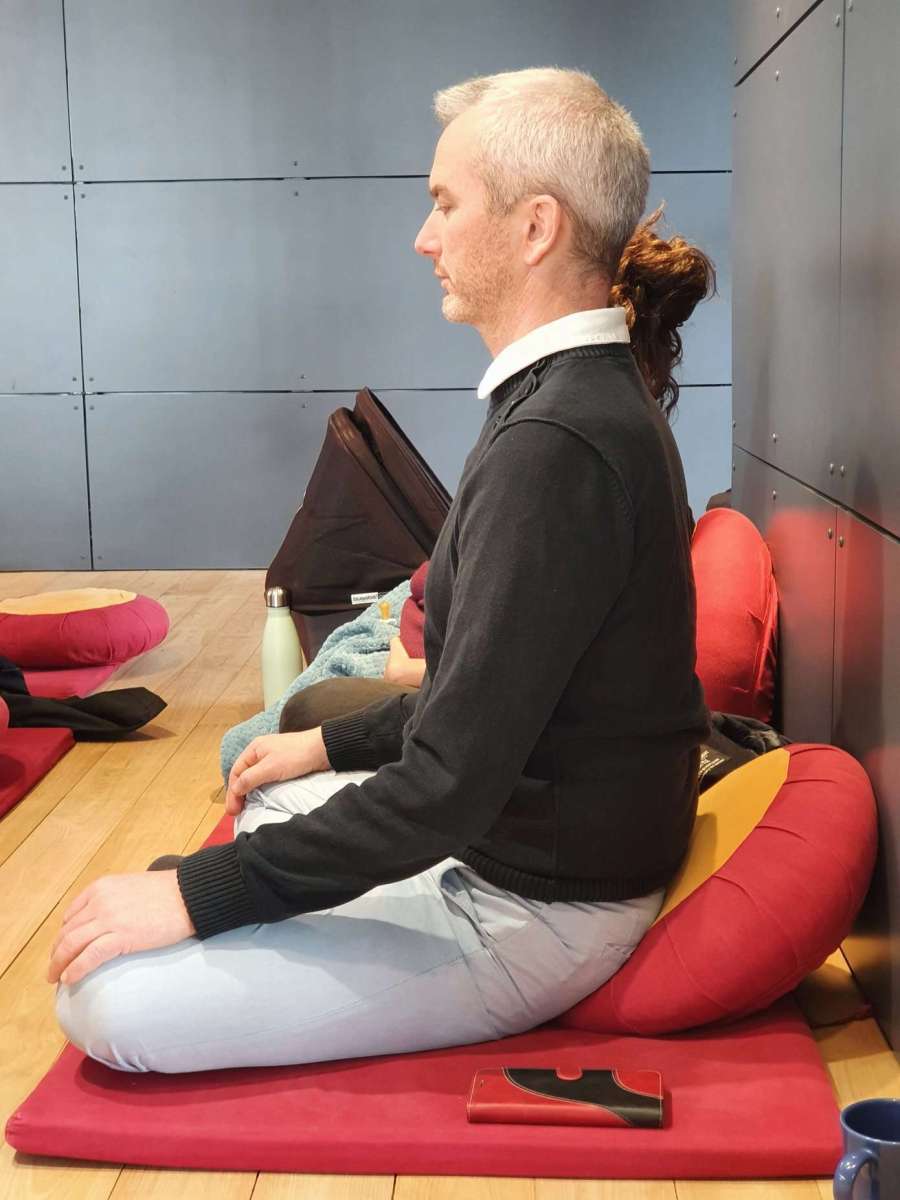
A different text is studied each morning. Everyone commits to attending to study one or several texts they choose: Gampopa’s Ornament of Precious Liberation; Entry to the State of a Pandita by the 1st Mipham Rinpoche; The Abhidharma Kosha by Vasubandhu; The Stages of Meditation by Kamalashila; The Treatise on the Supreme Continuity of the Great Vehicle by Asanga; The Clarification of Reasoning by Yongzin Namgyal Drakpa (a text on Buddhist epistemology); The Systematic Presentation of the Classes of Tantras by the 1st Sönam Tsemo Rinpoche. Each session begins with a period of meditative practice and continues with the study of the teachings until 10:00 a.m.
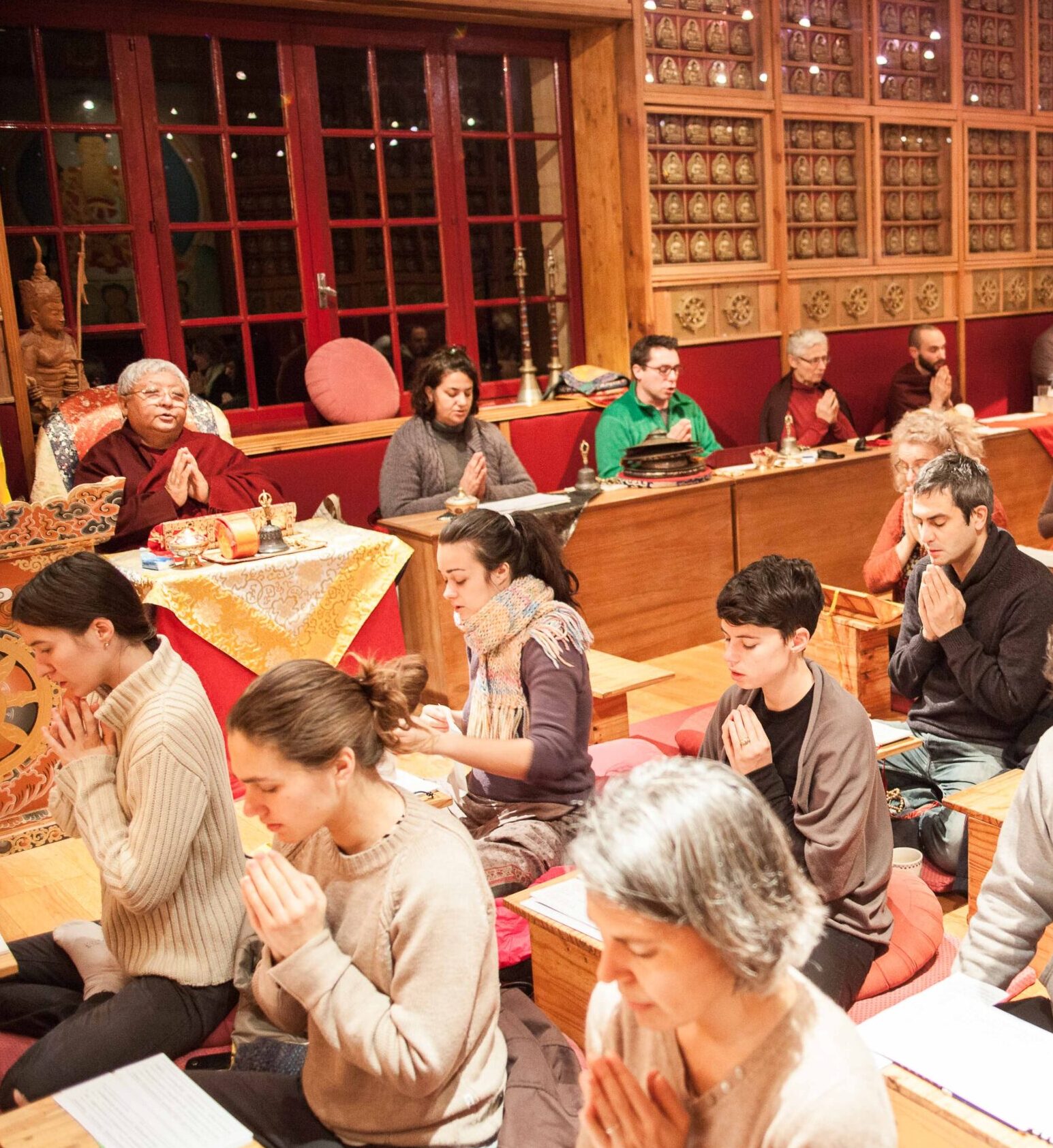 The curriculum as it stands today is the result of a long evolution guided by Lama Jigme Rinpoche, with the contribution of Khenpo Chödrak Rinpoche. In September 2005, Jigme Rinpoche began teaching Gyalse Thogme’s Thirty-seven Practices of Bodhisattvas every week to residents and practitioners living near Dhagpo. The beginnings of a curriculum for residents took shape in 2006.
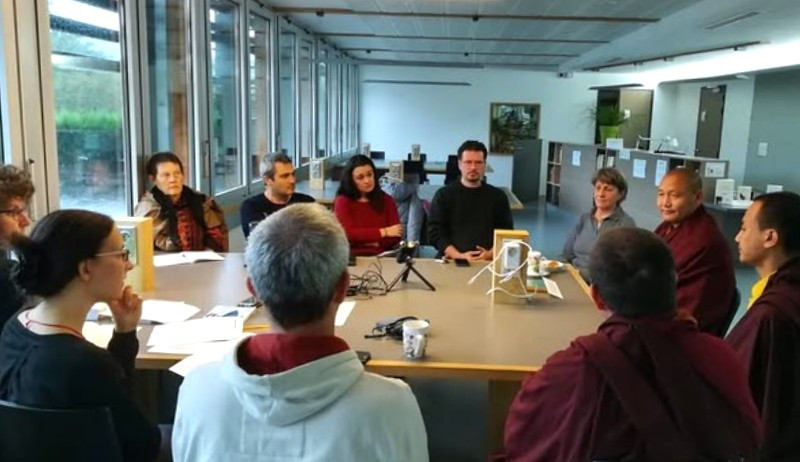
Jigme Rinpoche taught The Ornament of Precious Liberation to lamas, druplas, and residents between 2006 and 2008 and called upon Khenpo Chödrak Rinpoche to teach fundamental texts that would enable residents to share accurate information about Buddhism with practitioners coming to Dhagpo to attend courses.
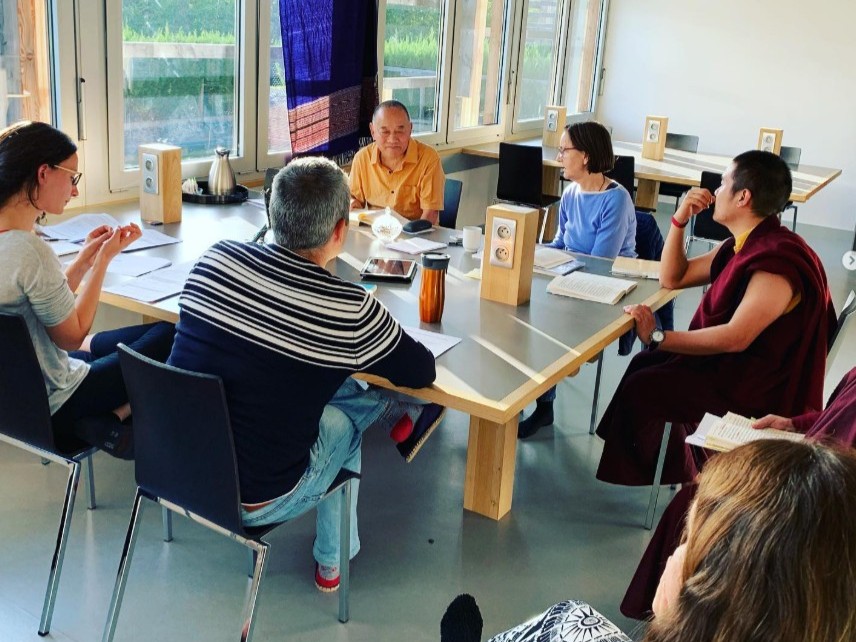 “During retreats twice a year, in January and September, Khenpo Chödrak explained a text, drawing many parallels with practice and showing us the value of studying these texts, while also making connections with other topics such as the tantras,” recalls Olivier L, a resident at Dhagpo since 2003.
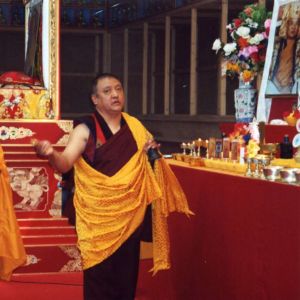
Khenpo Chödrak thus offered an introduction to Buddhism (what characterizes the Buddhist tradition in terms of view, conduct, and meditation), the history of Buddhism (in India and Tibet), and the three vehicles. Then, starting in 2007, he taught Kamalashila’s Stages of Meditation for two years and Entry to the State of Pandita starting in 2010 for six years during week-long retreats in January and September.
 Khenpo Tenzin taught the text on the three disciplines entitled The Branch of the Path of the Natural Great Perfection, the shastra called Identifying the Three Commitments by Ngari Penchen Pema Wangyel, starting in 2008.
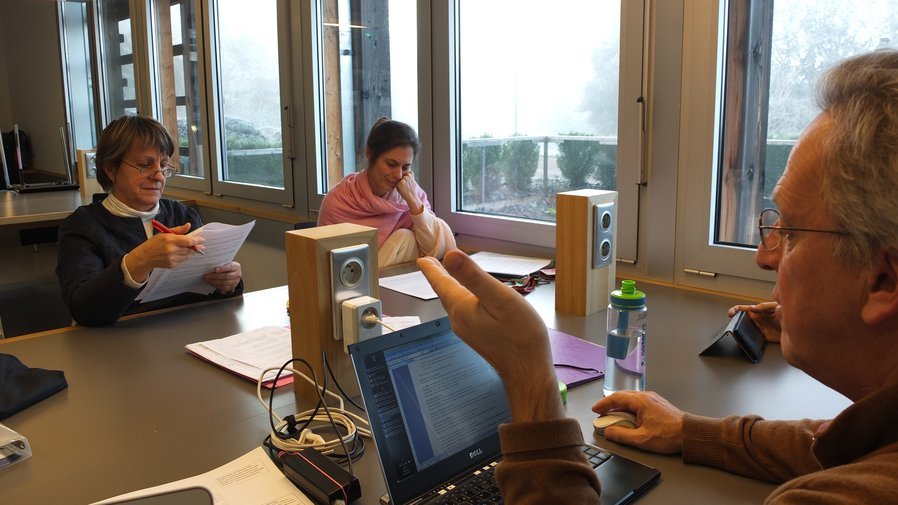
Jigme Rinpoche encourages students to review the teachings they receive in groups. “This work makes it easier to acquire knowledge, compare it with other viewpoints, and correct our mistakes,” continues Olivier L.
As students showed serious commitment, “during a meeting with the residents in 2009, Jigme Rinpoche explained that the time had come to set up a more structured curriculum,” recalls Emmanuelle C., who had just completed a three-year retreat. She became one of the driving forces behind the process, along with Anne J. and the lamas present on site. “He asked us to start with the four fundamental thoughts and share with the residents the explanations we had received during retreat on Jamgon Kongtrul’s Torch of Certainty.”
Jigme Rinpoche followed the process closely and gave regular guidance on how to proceed. He emphasized the need to learn how to meditate and develop enlightened mind:
First of all, you have to meditate. If you don’t have the basics of meditation, you can’t visualize the yidams or practice deeper meditations,” Jigme Rinpoche explained at the time. “When you learn to meditate, if you don’t really know why you are doing it, that’s another problem. Most people don’t really know what meditation is and think that the goal is simply to relax. If you understand the four thoughts, you will turn away from samsara. These four thoughts are like a description of reality. Then you will truly understand the meaning of meditation. Next, if you don’t learn what enlightened mind is, you run the risk of becoming selfish and, once again, you will not achieve the desired results. It is therefore essential to understand bodhicitta well. If you follow the ten chapters of Shantideva’s Bodhicaryavatara (The Way of the Bodhisattva), you will know how to fulfill the bodhisattva vows. Everything then falls into place because the foundations are clear. This foundation for meditation is very important. Without it, you cannot concentrate and progress properly.
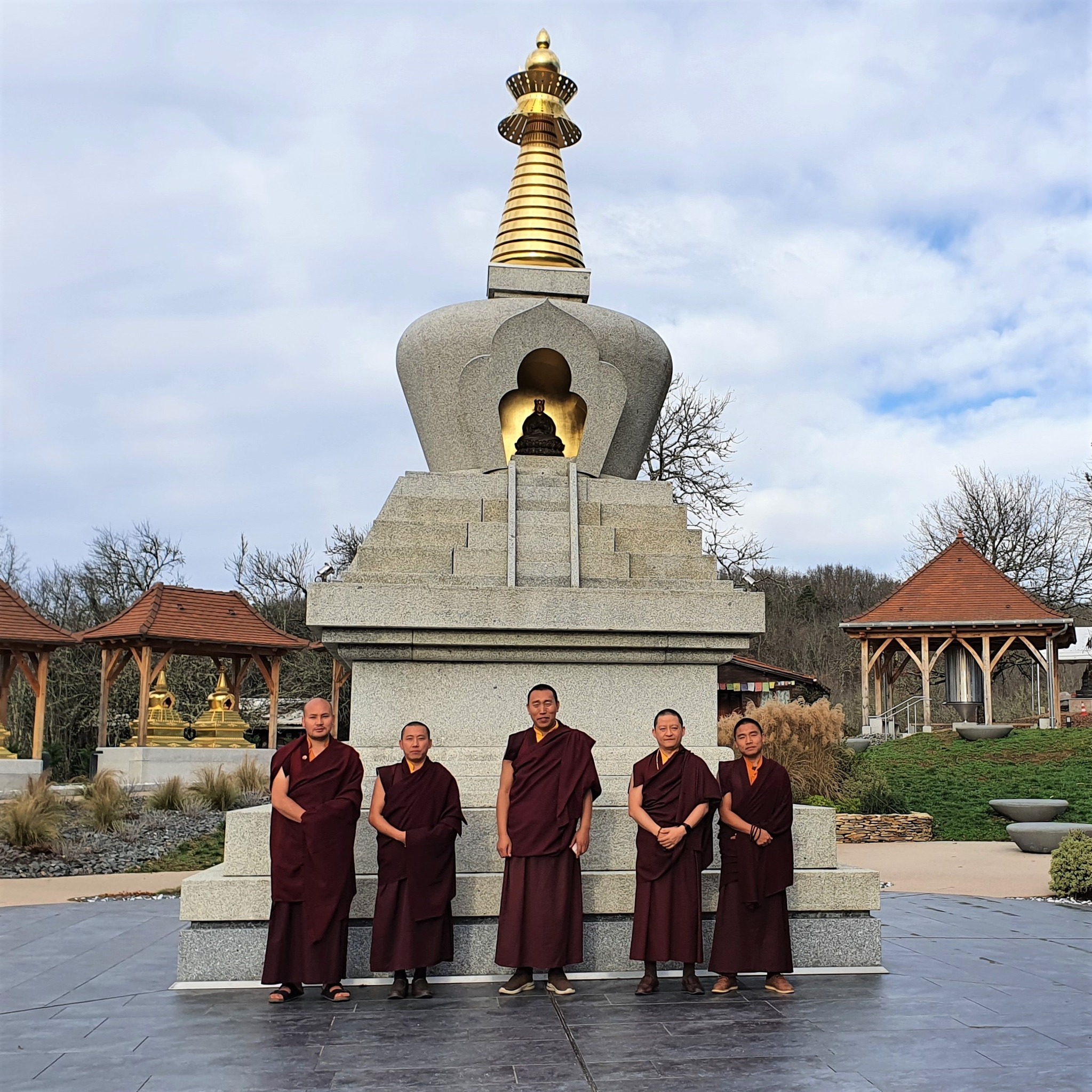 Thus, starting in 2013, in order to further cultivate this aspect of bodhicitta and learn the bodhisattva path, Jigme Rinpoche asked Olivier L. to repeat the teachings on Shantideva’s The Way of the Bodhisattva that he had received at the Karmapa International Buddhist Institute (KIBI) in New Delhi. He spent twelve years on it, at a pace of one session per week, reaching the end of the work this year, 2025. “I didn’t know how long it would take, but I knew it would take time!”
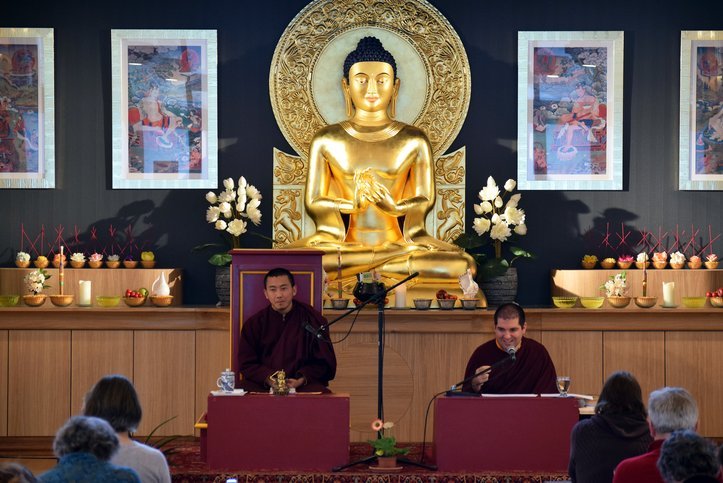
Starting in 2014, the students were ready for more intensive study retreats to be set up. From this year on, the center has remained closed to the public throughout January, enabling residents and practitioners from the surrounding area to focus on studying texts. Jigme Rinpoche invites khenpos and acharyas from Kalimpong shedra (2) in India to explain fundamental Buddhist texts. Once taught, these texts are reviewed every morning in study groups throughout the year.
To ensure active learning, the explanations received are repeated. The aim is to memorize the structure of the text like a map and then reproduce exactly what has been explained in order to avoid any interpretation. “Repetition mainly helps us not to forget what we have learned, otherwise the details of the teaching are forgotten over time,” explains Emmanuelle. The repetitions began with Entry to the State of Pandita, then further texts were added over the years.
In 2016, Jigme Rinpoche asked committed students to share the texts studied during his various public courses.
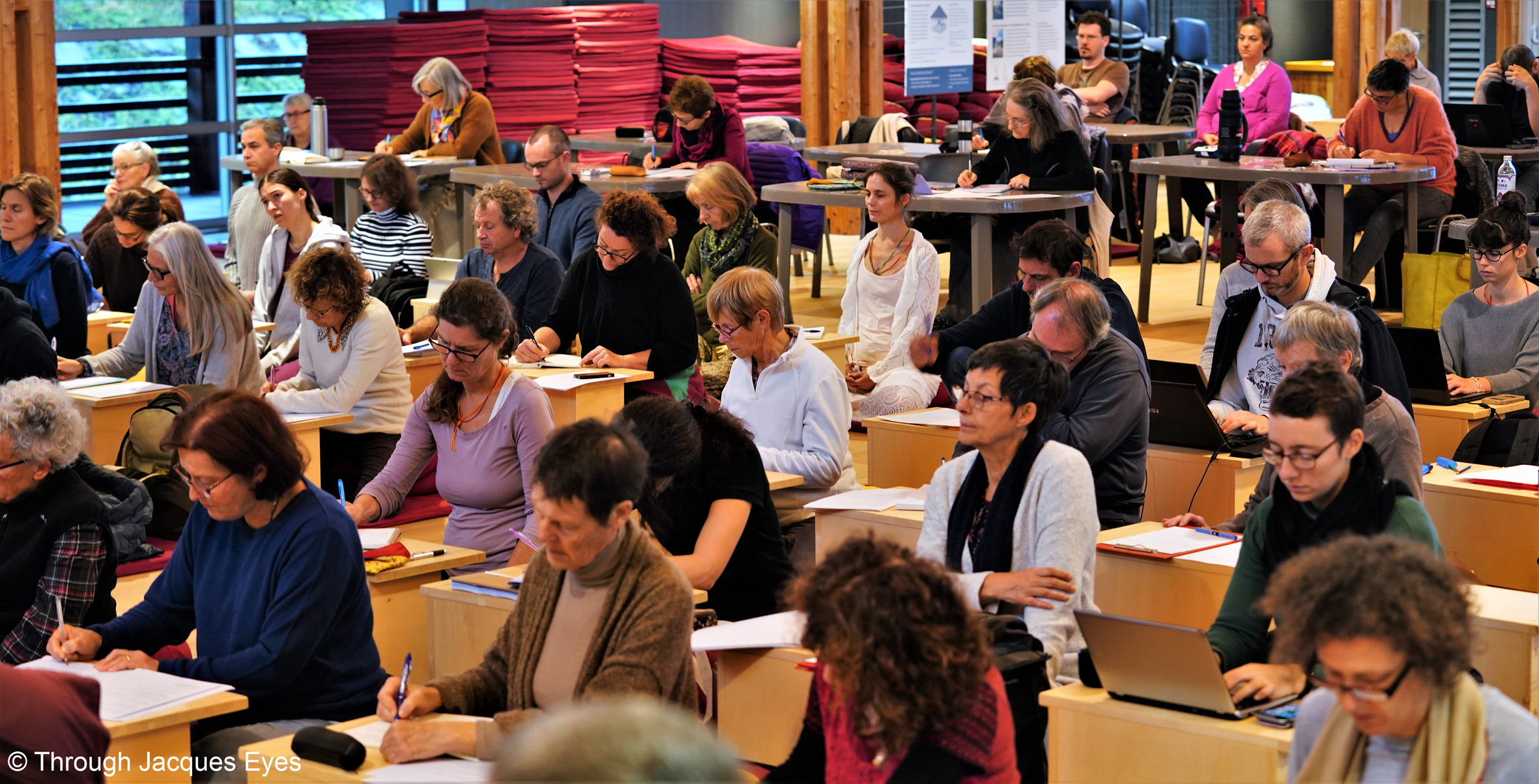 “There is no separation between the so-called internal curriculum and the public program,” explains Emmanuelle C. In this way, the Dhagpo Institute develops from within; residents and practitioners living in the surrounding area who have joined this dynamic of active and collective learning acquire the elements necessary to journey along the Buddhist path and, in doing so, share their acquired knowledge with practitioners who attend Dhagpo’s public courses. Regardless of age, gender, or educational background, everyone can take part in this process. This is how the Dharma is kept alive and transmitted.
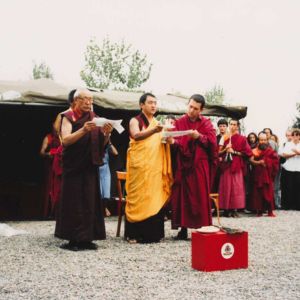
A common culture of Dharma learning is thus in place—the essential vocation of the Institute, which was inaugurated in 2013. Since September 2023, practitioners close to the center have been joining the group study in ever-increasing numbers. “At first, I was worried that I wouldn’t make it, but after all, I came to live near the center, and it would be a shame not to take advantage of what it has to offer,” says Joëlle O., a member of the fundraising team. “The internal curriculum gives me discipline, a framework for studying and practicing together, and it’s a way of being together with the community.” Similarly, Dominique L., who is also involved in the daily activities of Dhagpo, participates in the internal curriculum. “I am always full of enthusiasm. I wanted to study, but I find it difficult to do so on my own at home. Studying gives meaning to all the other teachings and also allows me to make connections between the texts and to link study with contemplation and meditation. I stick with it—and I’ve learned to let go when I don’t understand! “
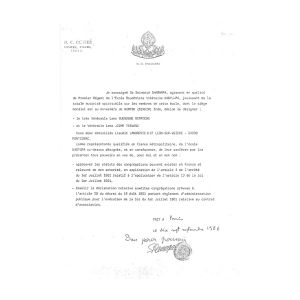
This dynamic of active Dharma learning is now expanding to Dhagpo Kundreul Ling and Bodhi Path Renchen Ulm. Based on the instructions left by the 16th Gyalwa Karmapa and systematized by Künzig Shamarpa, a high-quality education is now available at Dhagpo Kagyu Ling for anyone who wishes to get involved. Thus, “everyone can develop with the different aspects of practice—learning, meditation, and activity in service of others. It is extremely valuable!” concludes Emmanuelle C..
-
The title of Khenpo is equivalent to a PhD in Buddhist philosophy, obtained after some ten years of higher studies. An acharya is equivalent to a teacher in Buddhist or Hindu spirituality.
-
A shedra is an institute of higher studies in Tibetan Buddhism.


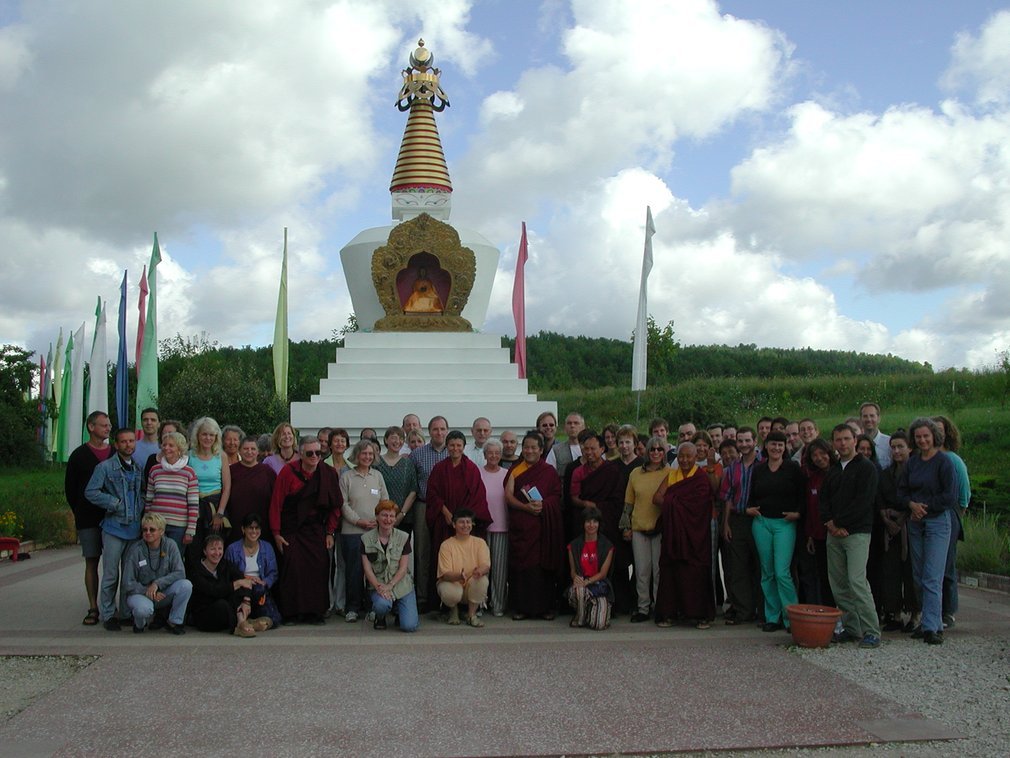

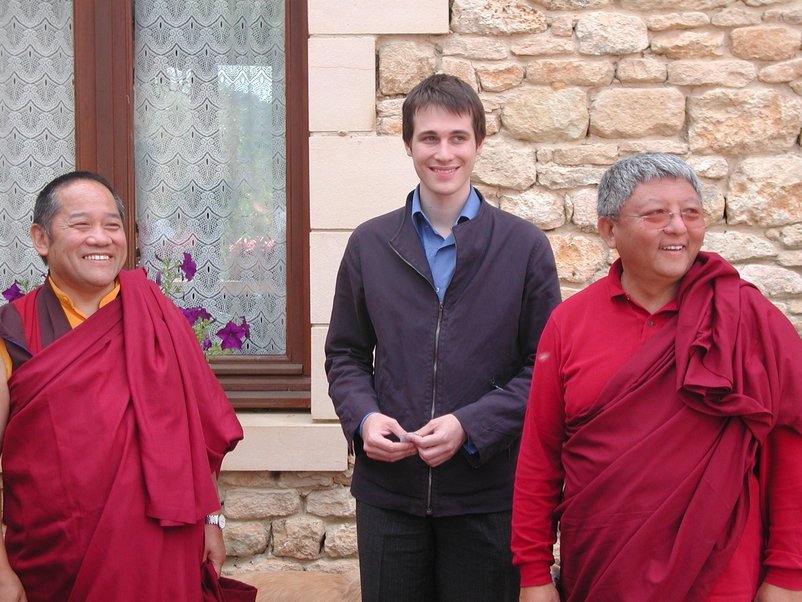
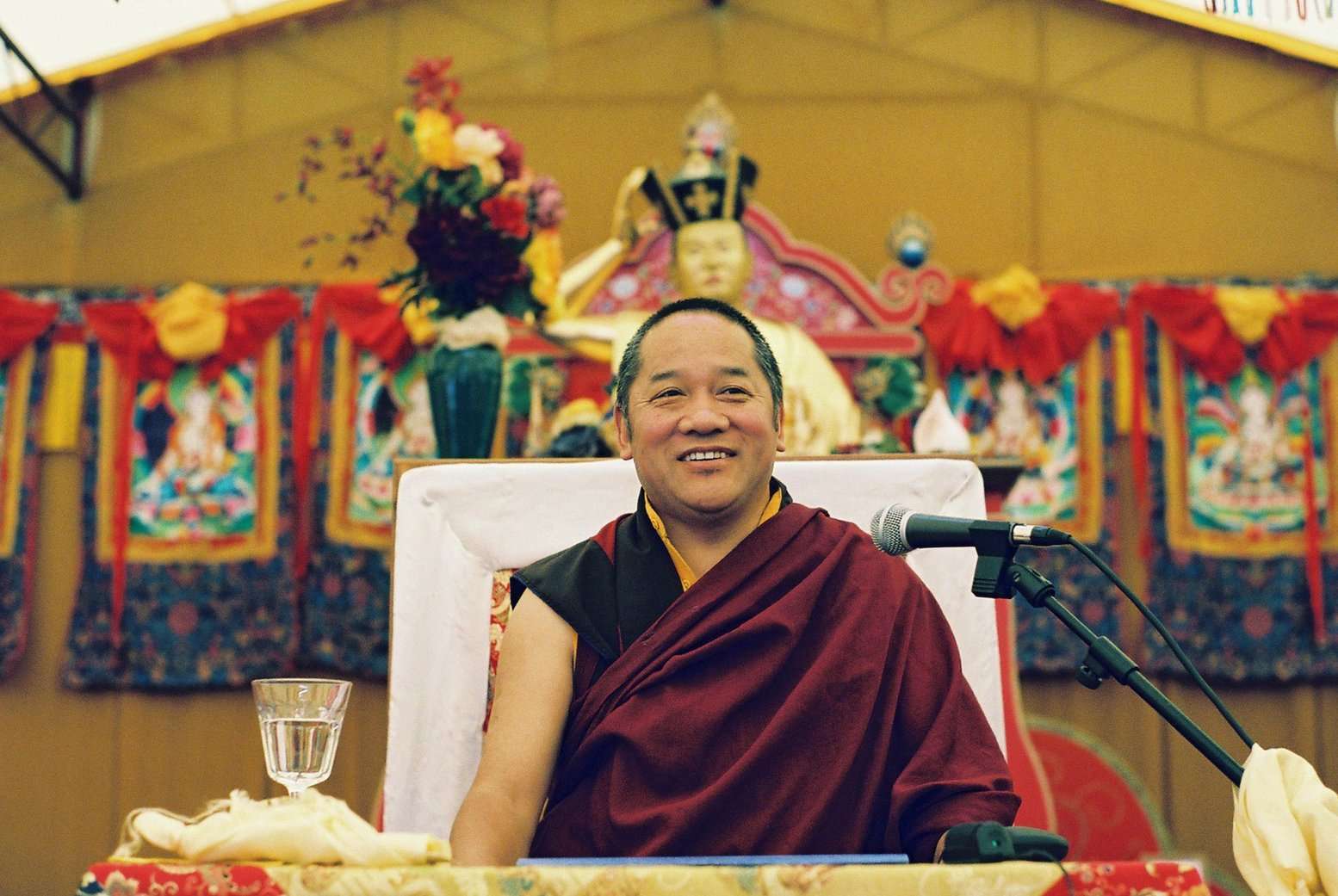
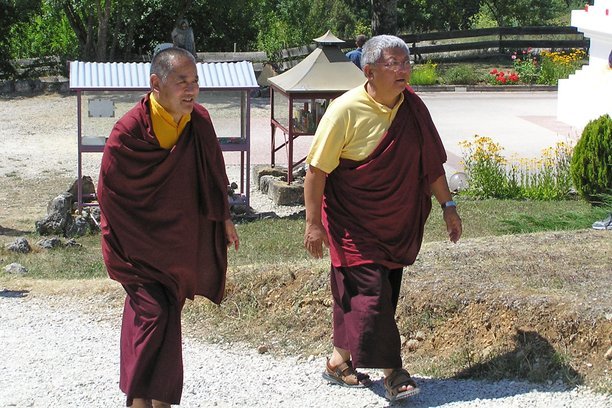












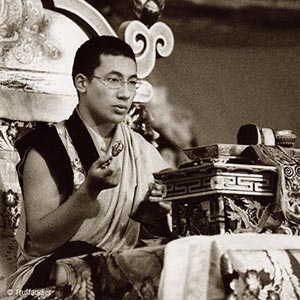
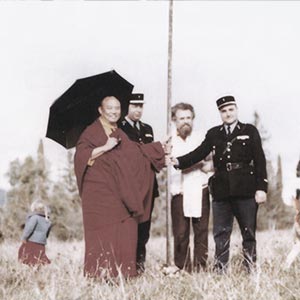
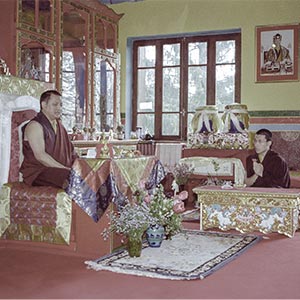
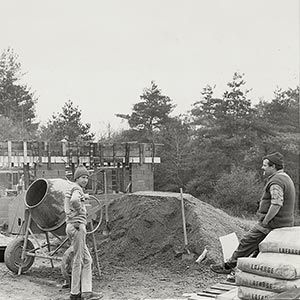
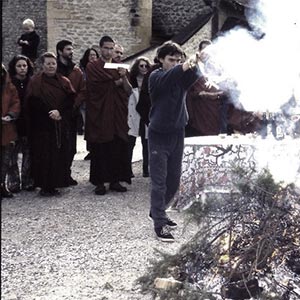
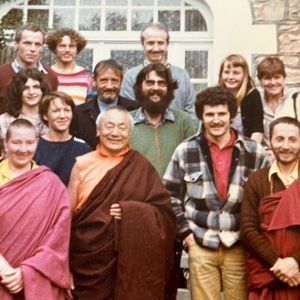
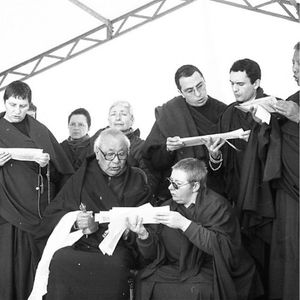
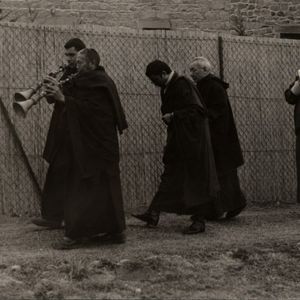
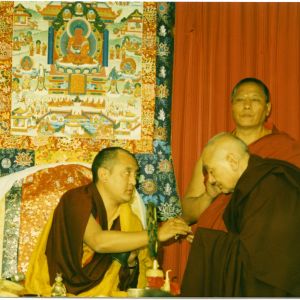
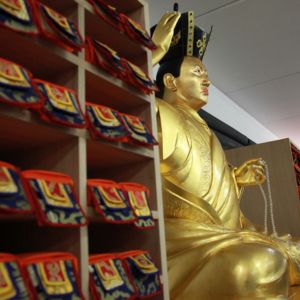
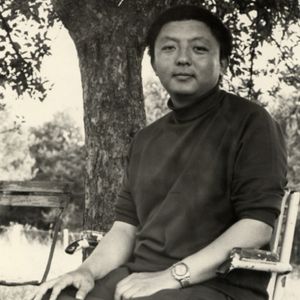
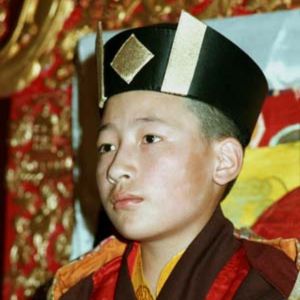
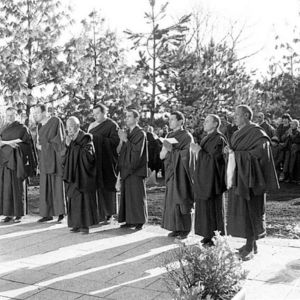
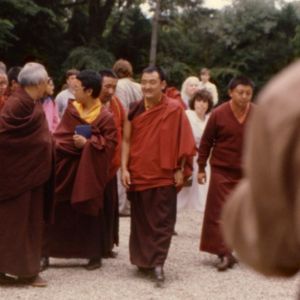
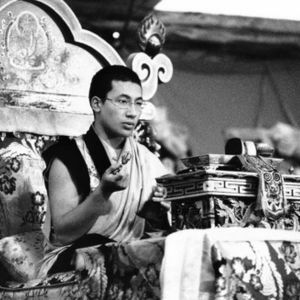
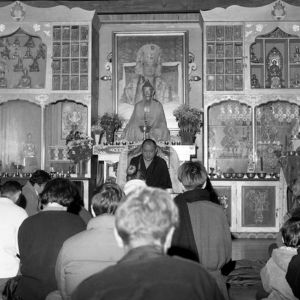
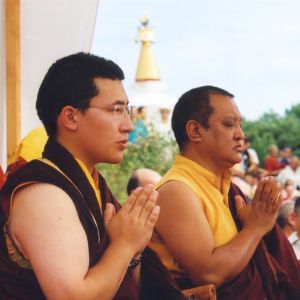
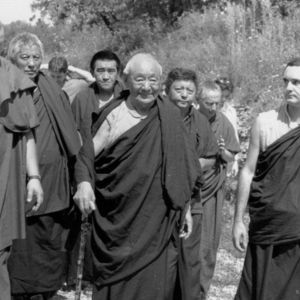
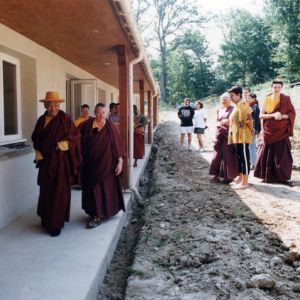
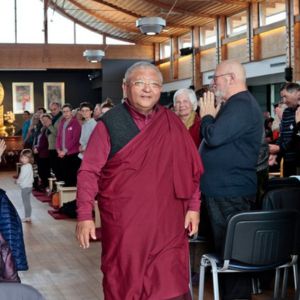
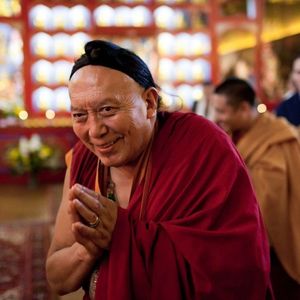
These photos come from our archives or were collected as part of the research for Dhagpo Kagyu Ling’s 50th anniversary. We have not been able to identify all the authors. The use of these photos is solely for informational purposes within the context of Dhagpo Kagyu Ling’s 50th anniversary celebration. Their use is limited to this event and our website and is not for commercial purposes.
These photos come from our archives or were collected as part of the research for Dhagpo Kagyu Ling’s 50th anniversary. We have not been able to identify all the authors. The use of these photos is solely for informational purposes within the context of Dhagpo Kagyu Ling’s 50th anniversary celebration. Their use is limited to this event and our website and is not for commercial purposes.